A five year expansion ends with 12 stores closed
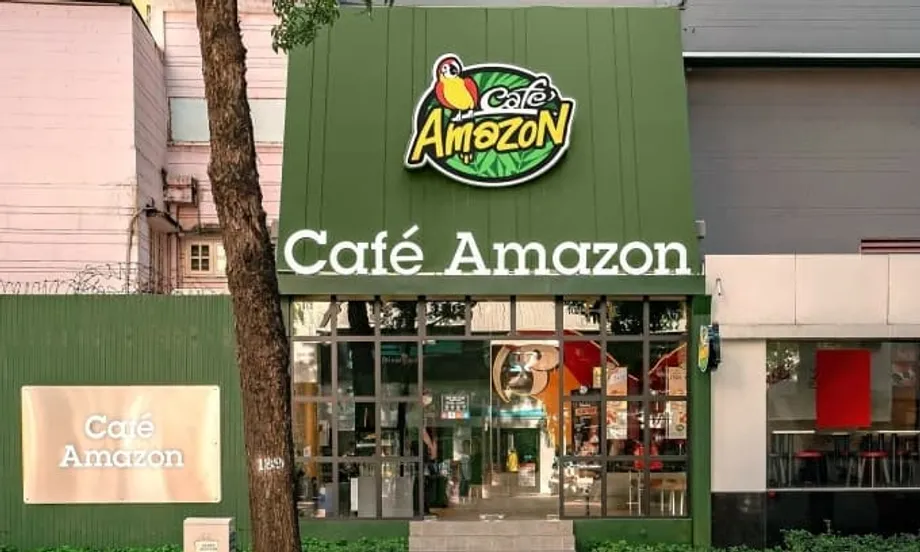
Cafe Amazon, Thailand's largest coffee chain, has closed all 12 of its stores in Vietnam, ending a five year effort to build a business in one of Asia's most competitive coffee markets. The final stores closed on November 18, 2025, after the partners behind its Vietnamese operation moved to dissolve their joint venture in October.
Contents
- A five year expansion ends with 12 stores closed
- How the Vietnam operation was wound down
- A small network faced much larger rivals
- Why the Thai petrol station model was harder to repeat
- Local drinks met firmly established habits
- The wider restaurant market was shrinking
- What the departure means for expansion plans
- Former stores change hands as employees say goodbye
- Growth continues in other markets
- Key Points
A senior manager confirmed that the locations had stopped serving customers. Across Ho Chi Minh City and the Mekong Delta, signs came down and properties were handed back to landlords. Some former stores already have new tenants. Employees shared farewell photographs from their final shifts, while the brand disappeared from popular food delivery apps.
Cafe Amazon's local social media accounts now send automatic replies saying that operations in Vietnam have ceased. As of November 22, the brand's headquarters had not issued a public statement, but its departure was complete at store level.
The closure brings together two pressures: a small foreign chain struggling to gain reach in a crowded coffee market, and a wider squeeze on Vietnam's food and beverage businesses. Cafe Amazon adapted its drinks and brought its familiar oasis themed design, yet its network remained roughly a dozen stores while major competitors operated hundreds.
The withdrawal also reflects a decision by the companies financing the venture. Central Plaza Hotel Public Company Limited, known as Centel, signaled the retreat in early October, saying it would refocus business priorities and respond to market challenges. Its investment in the venture stood at about $1.72 million as of August 31, 2025.
How the Vietnam operation was wound down
Cafe Amazon's Vietnamese business operated through ORC Coffee Passion Group. PTTOR International Holdings, a subsidiary of PTT Oil and Retail Business, owned 60 percent of the joint venture. Central Restaurants Group, an indirect subsidiary of Centel, held the remaining 40 percent.
Centel moved to dissolve ORC Coffee Passion Group in early October. By mid October, the partners were moving to unwind the venture, setting the corporate process in motion before the final stores stopped trading in November.
Centel explained the withdrawal in a formal update to regulators in Bangkok:
The withdrawal aims to realign business priorities and adapt to market challenges.
The investment figure of about $1.72 million describes Centel's stake in the venture as of August 31. The decision to dissolve the operating company ended the structure through which the two partners had pursued their expansion in Vietnam.
Cafe Amazon's entry and retreat unfolded over five years:
- November 2020: The chain entered Vietnam with its first store in Ho Chi Minh City.
- August 31, 2025: Centel's investment in the joint venture stood at about $1.72 million.
- Early October 2025: Centel moved to dissolve ORC Coffee Passion Group and outlined a change in business priorities.
- Mid October 2025: The partners moved to unwind the venture.
- November 18, 2025: The final stores closed, completing the exit from Vietnam.
A small network faced much larger rivals
Ho Chi Minh City accounted for most of Cafe Amazon's Vietnamese locations. The chain also opened several stores in Can Tho, Dong Thap and Vinh Long. Its footprint reached roughly a dozen outlets, falling short of early expectations in a market where established rivals had expanded by the hundreds.
Highlands Coffee alone operated 928 stores as of late September 2025 and had recently posted its strongest quarterly profit in two years. Against Cafe Amazon's 12 outlets, that network was about 77 times larger. The comparison shows the gap in how often customers could encounter the two brands during their daily routines.
Phuc Long, Katinat, Trung Nguyen Legend Cafe, The Coffee House and Starbucks also compete in Vietnam, alongside large numbers of independent cafes. Customers have many familiar choices, making price, flavor and convenience important at the same time.
Large networks have practical advantages beyond name recognition. They can negotiate better ingredient costs, secure prominent sites near offices and transit hubs, and serve more neighborhoods through delivery platforms. Shorter delivery distances make it easier to reach customers quickly.
Cafe Amazon's smaller presence limited brand visibility, delivery coverage and opportunities for customers to use loyalty benefits. A national campaign has fewer places to turn attention into purchases when a chain has only 12 stores. Frequent promotions from larger competitors also make it expensive for a smaller business to keep pace.
Why the Thai petrol station model was harder to repeat
Cafe Amazon's established strategy in Thailand places coffee shops alongside PTT petrol stations. Drivers stopping for fuel can also buy coffee, snacks or milk tea. That arrangement brings a regular stream of potential customers to the shops and reduces the amount of marketing needed to attract each visit.
Vietnam did not provide the same nationwide petrol station platform for the chain to join. Without an integrated forecourt partner, Cafe Amazon had to find customers through urban street locations and shopping malls, competing directly for premises and attention.
Those locations brought higher fixed rents and required the business to build traffic store by store. Fixed rent is a bill that must be paid even when fewer customers arrive, so a quiet trading period can quickly put pressure on a cafe's finances.
Cafe Amazon's Thai model connects fuel retail, convenience shopping and loyalty benefits around visits people already make. In Vietnam, recreating that flow required promotions, delivery partnerships and targeted marketing. Many competing chains already occupied desirable corners, making the search for suitable sites more difficult.
The difference was central to the business challenge. A familiar shop design and menu could travel across borders, but the steady customer traffic associated with the petrol station network was much harder to reproduce.
Local drinks met firmly established habits
Cafe Amazon brought its oasis themed interiors to Vietnam and adjusted its menu for local customers. Vietnamese style coffee, teas and seasonal drinks appeared alongside Thai style beverages. The company therefore entered with both its existing identity and drinks suited to the market.
Vietnam's coffee culture is deeply rooted in everyday routines. Many customers favor drinks made with robusta coffee and brewed through a phin, the small filter used to prepare Vietnamese coffee. Iced coffee with condensed milk is a particularly familiar choice.
Homegrown chains compete through recognizable flavors and prices, while independent cafes build neighborhood followings around their roasts and settings. For a drink bought frequently, even a small price difference can influence where a customer goes.
Cafe Amazon faced a difficult balance: charging enough to cover its costs while offering the value needed to become part of a daily habit. Local chains and neighborhood cafes could match Vietnamese tastes and price expectations, often at lower prices.
The menu changes addressed one part of that challenge. The limited store network and absence of a regular traffic source remained problems, particularly when competitors offered more convenient locations and frequent promotions.
The wider restaurant market was shrinking
Vietnam's food and beverage sector was under pressure beyond Cafe Amazon. A market report covering the first half of 2025 counted just under 300,000 active outlets, down 7.1 percent from 2024. Hanoi and Ho Chi Minh City each recorded declines above 11 percent.
Many closures were linked to weak operational efficiency, poor cost control, high rent and insufficient capital to keep covering losses during the first years of expansion. A business can sell drinks every day and still struggle if the money coming in does not cover ingredients, premises and other operating expenses.
Taku Tanaka, CEO and founder of the supply platform Kamereo, had worked with many restaurant operators during the downturn. He described the central financial problem:
The main reason these businesses closed is simple: they weren't making money. In many cases, revenues couldn't keep up with rising costs, and eventually, the cash ran out.
Ralf Matthaes, managing director of IFM Research, pointed to cautious spending and crowded markets in Vietnam's two biggest urban centers:
Consumers are staying at home more. Economically, there is still a high level of uncertainty, and consumers are practicing cautious spending. The markets in Hanoi and Ho Chi Minh City are already saturated with F&B brands, and consumers are more apt to stay with long established existing brands.
Cafe Amazon's limited reach made those conditions particularly difficult. Fewer stores meant fewer chances to win repeat visits and less coverage for deliveries. A foreign brand without a distinctive source of daily traffic or a strong existing network had to spend to attract customers while facing the same rent and cost pressures affecting the wider industry.
What the departure means for expansion plans
Cafe Amazon's experience brings several business choices into focus for foreign food and beverage brands entering Vietnam. Expansion creates more places to sell, but it also creates more bills. The performance of the first stores matters before a company takes on a much larger network.
Unit economics means the money earned and spent by an individual outlet. Proving that a store can consistently generate cash in one city gives a business a firmer basis for expansion. Adding outlets without that foundation can increase losses alongside sales.
Traffic partnerships are another part of the calculation. Locations tied to transit hubs or workplaces can bring regular visitors, reducing dependence on paid marketing. Cafe Amazon's petrol station model in Thailand illustrates why a reliable reason for customers to pass a shop matters.
Other priorities follow from the pressures seen in Vietnam:
- Keep leases flexible where possible, because high fixed rents can consume thin profit margins during a downturn.
- Adapt drinks and prices to local expectations while retaining a recognizable brand identity across cities.
- Build marketing beyond social media, including loyalty programs and delivery coverage that encourage frequent purchases.
- Provide enough capital to support the early years, when competition is intense and customers take time to change their habits.
Cafe Amazon adjusted its menu, but the broader experience shows how product choices, premises, repeat customers and financing must work together. Scale helps only when the stores themselves can sustain the cost of operating.
Former stores change hands as employees say goodbye
Ho Chi Minh City already has former Cafe Amazon premises moving to new tenants. The chain removed its signs and returned properties to landlords, while employees marked their final working days with farewell messages and photographs.
The brand's removal from food delivery apps closed another route through which customers had ordered its drinks. Together with shuttered storefronts and automatic social media replies, those changes made the withdrawal visible across both physical locations and digital services.
There was no indication of staff redeployment under the Cafe Amazon brand within Vietnam. The closure therefore ended the local operation rather than moving its workforce into another Vietnamese store network bearing the same name.
Growth continues in other markets
Cafe Amazon's departure from Vietnam comes while the wider brand continues to expand through franchise partners elsewhere. Its network has grown to more than 5,000 stores across Asia and the Middle East, with most locations in Thailand.
In the second quarter of fiscal 2025, the chain sold more than 107 million cups of coffee, an increase of nearly 5 percent from a year earlier. Those figures show a large international business continuing to grow even as its Vietnamese venture ended.
Laos, the Philippines, Japan, Oman and Bahrain are the focus of future expansion. Franchisees operate under consistent requirements for shop design, drink quality and service. In a franchise arrangement, local partners operate stores using the brand's established format and standards.
Vietnam is no longer on Cafe Amazon's near term expansion map. Markets where the chain can connect with fuel retail or other networks that attract frequent visitors offer a better fit for the traffic model that supported its growth in Thailand.
Vietnam's coffee market, meanwhile, continues to be led by local champions and a few global brands that have built substantial networks over many years. Cafe Amazon's exit leaves a clear account of its five year effort: a localized menu and recognizable concept, but only 12 stores in a market where reach, daily value and established customer habits carried considerable weight.
Key Points
- Cafe Amazon closed all 12 Vietnamese stores on November 18, 2025, five years after opening its first location in Ho Chi Minh City.
- The exit followed moves in October to dissolve ORC Coffee Passion Group, owned 60 percent by PTTOR International Holdings and 40 percent by Central Restaurants Group.
- Centel's investment in the venture was about $1.72 million as of August 31, 2025.
- Highlands Coffee operated 928 stores as of late September, about 77 times Cafe Amazon's Vietnamese footprint.
- Cafe Amazon lacked the nationwide petrol station platform that brings regular customers to its Thai stores.
- Vietnam had just under 300,000 active food and beverage outlets in the first half of 2025, down 7.1 percent from 2024.
- Former premises were being returned or occupied by new tenants, and employees shared farewells from their final shifts.
- The brand has more than 5,000 stores across Asia and the Middle East and is focusing expansion on Laos, the Philippines, Japan, Oman and Bahrain.