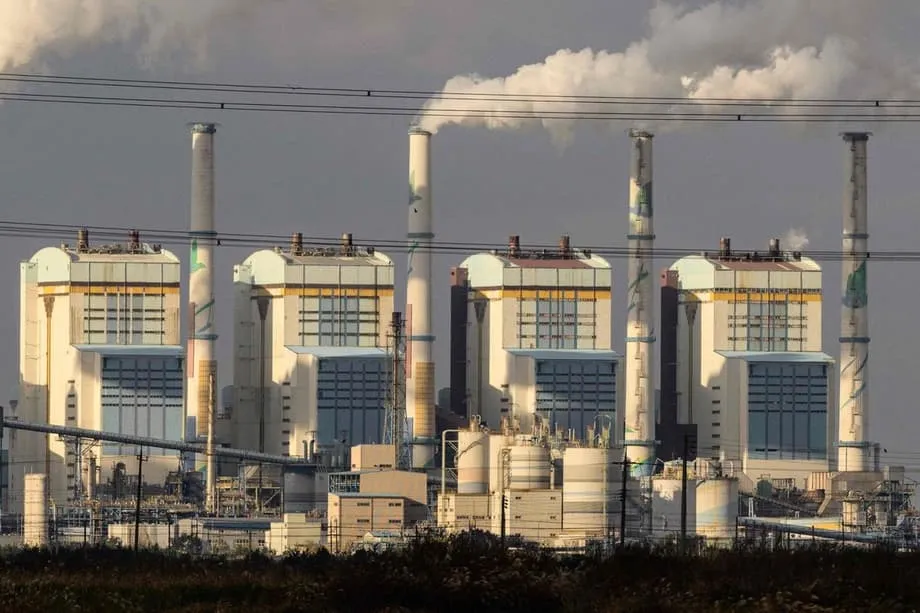
A major coal buyer commits to an energy shift
South Korea has joined the Powering Past Coal Alliance at COP30 in Belem, Brazil, committing to stop building new coal power stations without carbon controls and retire 40 existing coal units by 2040. The announcement brings a country with the world's seventh largest coal fleet and fourth largest coal imports into a coalition dedicated to ending unabated coal power.
Contents
- A major coal buyer commits to an energy shift
- What the commitment covers
- Why replacing coal is a substantial task
- How the international alliance works
- What will supply electricity instead?
- Hydrogen, ammonia and gas involve tradeoffs
- Jobs and industrial competitiveness are part of the plan
- The decisions expected in 2026
- A signal to coal exporters and Asian economies
- Key Points
South Korea became the second national government in Asia to join the alliance, after Singapore. Its decision carries particular weight because coal still supplies close to a third of the country's electricity. Bahrain joined the coalition on the same day, pledging never to build coal power.
The Korean government paired its membership announcement with a target to reduce greenhouse gas emissions by 53 to 61 percent by 2035, compared with 2018 levels. That target is an intermediate step toward carbon neutrality by 2050, when the country aims to balance the emissions it produces with the emissions it removes.
The commitment sets a firm deadline for 40 coal units, while the future of the remaining fleet will be determined through public consultation. Officials plan to publish a detailed roadmap in 2026, after considering economic and environmental feasibility, electricity reliability, costs and effects on regions that depend on coal.
Coal has long provided steady electricity in South Korea and was valued for its price in the past. It remains the largest single source of greenhouse gas emissions in the country's power sector. The government's announcement connects climate action with energy security, industrial competitiveness and employment, as falling clean power costs and a shift in finance away from coal projects encourage countries to change their electricity systems.
What the commitment covers
The Powering Past Coal Alliance focuses on unabated coal: coal burned to generate electricity without technologies that capture or substantially reduce the resulting carbon dioxide emissions. South Korea's membership includes cancelling plans for new unabated coal plants alongside the retirement of 40 existing units by 2040.
The policy applies to electricity generation. Coal used by industries such as steelmaking falls outside its scope. For power producers, the commitment means that future investment and retirement decisions will have to fit a national move away from coal generation without carbon controls.
The remaining coal units will be considered through a public process that examines economic and environmental factors. Their precise closure schedule has not yet been decided. The roadmap expected in 2026 will have to turn the government's broad commitments into a practical sequence of changes.
The ministry has described the phaseout as a chance to reduce air pollution, strengthen energy security and attract investment. Those opportunities extend beyond new electricity generation to grid equipment, batteries and clean hydrogen, all of which could support a different power system.
Why replacing coal is a substantial task
Coal produced about 30.5 percent of South Korea's electricity in 2024, down from 46.3 percent in 2009. That is a decline of 15.8 percentage points, yet coal still accounts for nearly one in every three units of electricity generated. Its falling share sits alongside a large fleet of operating plants.
Korean coal generators supply steady power, particularly during winter peaks and periods when wind and solar output is weak. Replacing them requires enough electricity across the year and dependable supplies during the hours when demand is highest or renewable generation is lowest.
Coal combustion releases carbon dioxide, sulfur oxides, nitrogen oxides and fine particles. Producing one gigawatt hour of electricity from coal typically emits around 888 tons of carbon dioxide. A gigawatt hour is a measure of electricity produced or consumed over time, allowing the emissions associated with generation to be compared.
Fine particles pose health risks, especially for children and older people, and can travel between regions. Reducing coal generation would therefore address both climate damage and public health costs that are absent from monthly electricity bills.
South Korea's reliance on imported coal also exposes electricity customers to international price swings and changes in exchange rates. Fuel price shocks during 2021 and 2022, followed by gas market volatility after Russia's invasion of Ukraine, changed views about the security of energy supplies.
Less dependence on global coal markets could help stabilize costs as domestic renewable generation, storage and stronger electricity grids expand. Achieving that benefit will depend on how quickly replacement supplies and supporting infrastructure become available.
How the international alliance works
The Powering Past Coal Alliance began at COP23 in 2017 under the leadership of the United Kingdom and Canada. It brings together national governments, regional and city governments, businesses and financial institutions committed to ending unabated coal power.
The coalition encourages a moratorium on new unabated plants, meaning a halt to building them. It also helps members develop retirement schedules and policies to support workers and communities affected by closures. Membership combines a direction for energy policy with cooperation on the practical work of moving away from coal.
The alliance links its approach to the Paris Agreement. Its analysis says members of the Organisation for Economic Co-operation and Development, or OECD, and the European Union should complete their coal phaseout by 2030, with the rest of the world following by 2040.
South Korea's commitment to retire 40 units by 2040 extends beyond that recommended 2030 deadline for OECD members. Its national announcement follows action by Korean local governments: Seoul city joined the alliance in 2020 and pledged to move off coal by 2030, while several other provinces and cities have also signed on.
Kate White, the United Kingdom Minister for Climate at the Department for Energy Security and Net Zero and a co chair of the alliance, welcomed South Korea's decision:
As the world moves away from coal, South Korea has shown true climate leadership by joining this movement.
What will supply electricity instead?
The government has outlined a pathway that expands renewable energy, keeps nuclear power as a dependable source of electricity with low carbon emissions and reserves gas for emergencies. Delivering the coal commitment means arranging these sources so that electricity remains available when people and businesses need it.
Planning documents looking toward 2038 put nuclear power in the mid 30 percent range of electricity generation and renewables near 40 percent. Together, those sources would bring the share of electricity generated without carbon emissions toward 70 percent or higher.
The 2035 national emissions target, a reduction of 53 to 61 percent from 2018 levels, makes the pace of change important. Coal retirements, replacement generation and grid improvements will need to fit together as the country moves toward that deadline and its 2050 carbon neutrality goal.
Renewable energy is setting new records globally, while electricity systems prepare for a larger role for wind, solar, storage and flexible resources. Flexibility means being able to change supply or demand as conditions change, for example by storing electricity when production is plentiful and using it when production falls.
South Korea will need large additions of wind and solar, faster connections between new generators and the grid, and market rules that reward flexibility. Storage and demand response can help reduce pressure during periods of high electricity use. Demand response allows consumption to be reduced or shifted to another time.
Efficiency measures in homes and factories can also lower demand. Using less electricity for the same task can reduce bills and free up generating capacity, easing the amount of new supply needed as coal units close.
Hydrogen, ammonia and gas involve tradeoffs
Officials have described proposals to convert a dozen coal stations to run on hydrogen or ammonia blends. Some units could serve as capacity resources, operating during peak hours to help meet the highest levels of electricity demand.
Hydrogen and ammonia could provide flexibility, but their cost and production methods matter. Hydrogen supplies remain limited and expensive, and most hydrogen today is produced from fossil fuels. Its climate value depends partly on the emissions created before the fuel reaches a power station.
Ammonia co firing means burning ammonia alongside another fuel in a coal boiler. This can reduce carbon dioxide released at the plant, while creating concerns about fuel supply chains, controlling nitrogen oxides and the cost of operation.
Gas plants can respond quickly when wind or solar output changes. Gas also brings exposure to volatile international prices, and methane leaks along its supply chain reduce its climate benefits. Methane is itself a greenhouse gas, so leakage matters alongside the emissions from burning the fuel.
Civil society groups in South Korea have urged the government to avoid committing to new gas capacity that would be used for many years. They want faster investment in renewables, storage, demand response and transmission upgrades instead.
Several studies argue that the whole coal fleet should retire by 2035 to align with national targets. That would require a faster schedule and stronger incentives than the commitment to retire 40 units by 2040. Decisions about replacement fuels will therefore shape both the speed of emissions reductions and the costs of the transition.
Jobs and industrial competitiveness are part of the plan
Government officials have linked the coal phaseout to new investment and jobs. Expanding renewable power, electricity grids and clean manufacturing could attract capital, especially as multinational buyers seek electricity with low carbon emissions for their supply chains.
Korean companies that move early could win orders for components, grid control systems and battery materials. The shift would create demand for equipment and services beyond the construction of new power stations.
Kim Sung hwan, the Climate Minister leading the Korean delegation at COP30, connected the government's climate commitment with these economic goals:
The coal phaseout is not only necessary for the climate but also beneficial for energy security, corporate competitiveness and job creation.
Workers at coal plants and in coal supply chains will need support as generation declines. A just transition means planning for the people and places affected by the move away from coal, alongside planning the replacement electricity supply.
Possible measures include retraining, local investment funds and incentives to locate new clean energy factories or grid projects in affected regions. Clear closure dates would give workers, communities and businesses more time to prepare for changes in employment and local economic activity.
The decisions expected in 2026
The detailed roadmap planned for 2026 will have to address reliability, affordability and the speed of approvals for transmission lines and storage. South Korea has already reduced coal's share of electricity to about 30 percent, but replacing the remaining output requires substantial new generation and infrastructure.
Public consultation will examine the economic and environmental feasibility of the remaining fleet's future. Regional effects will matter because a plant closure changes more than the national electricity mix: it also affects the workers and businesses connected to that facility.
A schedule for each plant, transparent purchasing processes for renewables and storage, and steady grid investment can help businesses plan with greater confidence. Rules allowing storage and demand response to participate in electricity markets could reduce peak demand and strain on the grid.
The alliance gives South Korea access to countries and other members that have already managed similar changes. Cooperation can support policy design and worker assistance as the government develops its roadmap.
The main dates connecting the announcement to the country's wider energy plans are:
- 2017: The United Kingdom and Canada launched the Powering Past Coal Alliance at COP23.
- 2020: Seoul city joined the alliance and pledged to move off coal by 2030.
- November 2025: South Korea announced its national membership at COP30 in Belem.
- 2026: The government expects to publish its detailed coal roadmap.
- 2035: The country targets emissions 53 to 61 percent below 2018 levels.
- 2038: Power planning documents point to nuclear generation in the mid 30 percent range and renewables near 40 percent.
- 2040: South Korea commits to retiring 40 existing coal units.
- 2050: The country aims to reach carbon neutrality.
A signal to coal exporters and Asian economies
South Korea is a major buyer of thermal coal transported by sea, the coal used to generate electricity. Its commitment to wind down coal power by 2040 signals weaker demand over time for exporters, including Australia, where Korean utilities have been among the largest customers.
Market analysts expect the announcement to increase pressure on other Asian coal buyers to publish their own phaseout schedules. For exporters and power producers, a clearer retirement timetable would provide a clearer view of how demand may change.
South Korea was among the few OECD members outside the alliance before this announcement. Joining gives the decision diplomatic weight in Northeast and Southeast Asia, particularly because it comes from a large industrial economy with substantial coal capacity.
China and India, the world's two largest coal consumers, are not members of the coalition. South Korea's decision nevertheless shows how a major coal user can begin planning a managed exit, with electricity supply, industry and affected communities all part of the process.
Key Points
- South Korea joined the Powering Past Coal Alliance at COP30, becoming the second Asian national government to join after Singapore.
- The government will halt new unabated coal plants and retire 40 existing coal units by 2040.
- The remaining fleet's schedule will be considered through public consultation, with a detailed roadmap expected in 2026.
- Coal supplied 30.5 percent of electricity in 2024, compared with 46.3 percent in 2009.
- South Korea targets emissions reductions of 53 to 61 percent by 2035 from 2018 levels and carbon neutrality by 2050.
- Plans expand renewables and nuclear power, reserve gas for emergencies and propose hydrogen or ammonia conversions at a dozen coal stations.
- Worker support, electricity reliability, costs and grid expansion will shape implementation.
- The commitment signals weaker future demand for imported thermal coal and adds pressure for other Asian buyers to publish retirement schedules.