A 182.3 meter dam built to balance a busy grid
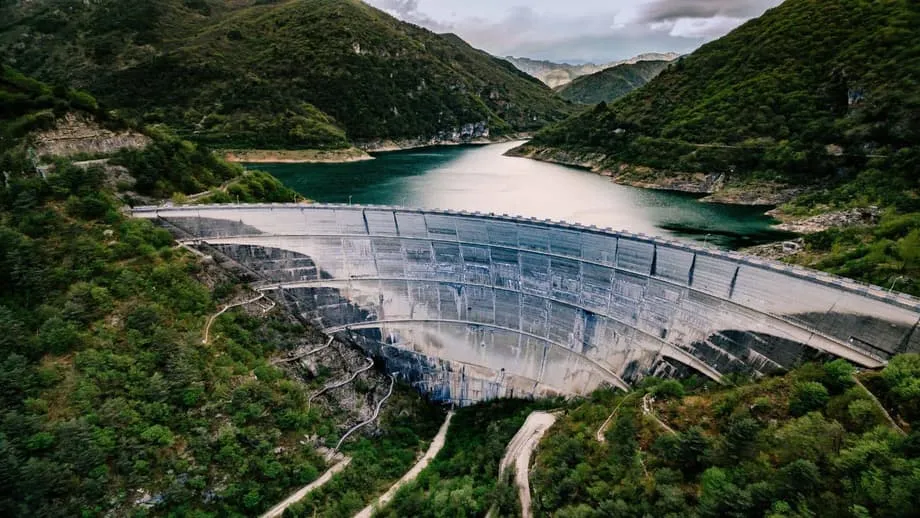
China has commissioned the State Grid Xinyuan Jiangsu Jurong pumped storage power station, whose 182.3 meter dam is the tallest pumped storage dam in the world. The facility has an installed generating capacity of 1.35 million kilowatts and stores 17.07 million cubic meters of water, roughly 17 billion liters. Once fully in commercial operation, it is expected to generate about 1.35 billion kilowatt hours a year.
Contents
- A 182.3 meter dam built to balance a busy grid
- How water becomes an electricity store
- Four ways Jurong supports electricity supplies
- Why the location matters to Jiangsu
- The engineering behind the tall dam
- Running a reservoir that rises and falls each day
- Storage alongside China's river hydropower giants
- Environmental scrutiny extends beyond new construction
- River projects bring regional and diplomatic concerns
- What households and factories can expect
- Key Points
Jiangsu needs electricity on a vast scale. The province has recorded maximum electricity loads above 100 million kilowatts for nine consecutive years, and its grid reached a peak of 156 million kilowatts during the summer of 2025. The new station sits near major centers of demand in eastern China, close to the Yangtze River delta, where factories and densely populated cities need dependable power.
Jurong's main job is to help the grid manage changes in electricity supply and demand. China is adding large amounts of wind and solar power, whose output changes with the weather and time of day. The station can store surplus electricity by pumping water uphill, then release that water through turbines when electricity is needed.
The project combines a dam roughly as tall as a building with 60 stories with equipment designed for rapid changes in operation. Operators can increase generating output in minutes. New membranes that limit seepage and extremely large spherical valves are intended to support reliability, safety and maintenance as the plant repeatedly switches between storing energy and supplying it.
How water becomes an electricity store
A pumped storage station works like a giant water battery. It uses two reservoirs at different heights. When electricity is plentiful, pumps move water from the lower reservoir to the upper one. When demand rises, water travels downhill through turbines, which turn generators and send electricity back to the grid.
Windy periods, sunny hours and times of lower demand, often at night, can provide opportunities for pumping. The energy used to lift the water is held as stored energy in the upper reservoir until operators need to release it. This allows electricity generated at one time to serve customers at another.
Pumped storage is the most widely deployed form of energy storage at the scale needed by electricity grids. Its typical round trip efficiency is between 70 percent and 85 percent. In simple terms, a plant generally returns 70 to 85 units of electricity for every 100 units used in pumping. Some energy is lost along the way, but the service is valuable because it moves electricity from periods of surplus to periods of scarcity.
Jurong therefore serves a different purpose from a conventional hydropower dam that depends on the flow of a major river. Conventional hydropower draws energy from moving river water. Pumped storage consumes electricity to lift water and later returns most of that energy during generation. Its usefulness rests on the timing and reliability of that return.
Four ways Jurong supports electricity supplies
Project operators say Jurong can provide around 2.7 million kilowatts of bidirectional regulation capacity. That describes its ability to help balance the system in both directions: absorbing electricity while pumping and supplying electricity while generating. Its installed generating capacity is 1.35 million kilowatts.
The station provides several services that help keep the East China grid operating steadily:
- Peak shaving reduces the pressure created by surges in demand, including the evening rise in electricity use.
- Frequency regulation helps keep the grid operating at a stable 50 hertz.
- Phase control supports voltage, helping electricity reach customers at suitable operating levels.
- Rapid reserves provide power that can be called on when the system faces an unexpected problem.
Frequency describes the rhythm of alternating current, while voltage is the electrical pressure that drives it. Keeping both stable matters to households and to industrial equipment that depends on a consistent supply. Jurong's ability to respond within minutes helps operators deal with sudden changes in consumption or generation.
Wind and solar farms can sometimes produce more electricity than the grid can accept at that moment. Operators then reduce their output, a practice called curtailment. Pumping gives the grid another place to send surplus power, allowing more renewable electricity to be used later.
Why the location matters to Jiangsu
Jiangsu's summer peak of 156 million kilowatts shows the scale of the system Jurong will support. The station's 1.35 million kilowatts of generating capacity is about 0.87 percent of that peak. Its role is a targeted contribution to a much larger grid, particularly when demand is high or electricity supplies change quickly.
The plant's location near urban and industrial centers brings storage close to where electricity is consumed. A large storage facility in this part of eastern China can reduce the need to start coal generating units used to meet peaks in demand. It can also help the grid take in renewable power that might otherwise be curtailed.
Jurong is part of a broader effort to build equipment that stabilizes the electricity system alongside new generating capacity. Adding wind farms or solar panels increases the amount of electricity that can be produced. Storage adds the ability to move some of that electricity to the hours when customers need it most.
For a province with nine straight years of maximum loads above 100 million kilowatts, that flexibility is useful during heat waves and other periods of intense demand. The station gives grid operators another way to reduce stress on the network and the risk of shortages at peak times.
The engineering behind the tall dam
Jurong's 182.3 meter dam required engineering suited to a major storage project near a plain with heavy electricity demand, rather than deep in a remote canyon. Its reservoirs hold 17.07 million cubic meters of water, and the plant is designed to cycle water repeatedly between pumping and generation.
Engineers introduced new geomembranes, liners that limit water seepage, in the dam body. These membranes help contain water, protect the dam structure and adjacent groundwater, and reduce losses. Controlling leakage is part of keeping both the storage system and nearby water resources secure.
The station also incorporates some of the largest ball valves installed in China. These spherical valves manage water under the high pressures associated with a large difference in height. They support safe operation and make maintenance easier, helping reduce downtime as the plant changes operating modes.
Construction involved complex underground works, intake tunnels and surge chambers while managing effects on nearby towns. Intake tunnels carry water into the system. Surge chambers help manage pressure changes as water flow varies. These structures form part of the water routes needed for frequent starts, stops and changes between pumping and generation.
Running a reservoir that rises and falls each day
Jurong's dispatch center must coordinate the machinery with the regional grid operator. The station needs robust digital controls, precise monitoring of water levels and careful management of quick starts and stops. Frequent changes between pumping and generating make coordination a central part of daily operation.
The upper reservoir experiences daily changes in water level. Crews reinforced shorelines, and operating rules were designed to limit erosion and protect nearby communities. Water storage therefore involves more than the turbines and pumps: the surrounding land must also withstand repeated movement of water.
Pumped storage projects can reduce some of the environmental pressures associated with very large dams across rivers. They are often built away from main river channels, avoiding barriers to fish migration on those waterways. Their reservoirs are generally smaller and located higher in the terrain, which can limit the number of people who need to relocate.
Construction still disrupts habitats, and daily changes in reservoir levels can stress shoreline vegetation and wildlife. Careful design and strict operating rules are needed to limit erosion, control sediment and avoid contamination of groundwater. Jurong's seepage control technology forms part of the effort to protect adjacent water resources.
Storage alongside China's river hydropower giants
China's hydropower system includes huge generating stations on southwestern rivers and a growing network of pumped storage plants near major centers of electricity demand. The Baihetan Hydropower Station on the Jinsha River has 16 gigawatts of capacity behind a 289 meter arch dam. It is the world's second largest hydropower facility after Three Gorges.
Baihetan and Wudongde supply large volumes of electricity with low carbon emissions and provide flood control along major river systems. Jurong performs a complementary task by moving energy between periods of surplus and shortage, across hours and days.
Pumped storage also helps long distance transmission lines operating at ultra high voltage run more smoothly. When southwestern hydropower stations or northern wind farms send electricity east, storage plants near the coast can absorb surges and release energy during peaks. That helps reduce renewable curtailment and reliance on expensive generating plants used mainly when city demand rises.
Since the beginning of the Fourteenth Five Year Plan, China has added more than 44.53 million kilowatts of pumped storage capacity to the grid. The country aims to peak carbon emissions before 2030 and reach carbon neutrality by 2060. Storage helps the electricity system accommodate higher shares of renewable generation while maintaining reliability, with pumped storage remaining a central part of that effort.
Environmental scrutiny extends beyond new construction
China's approach to hydropower has shifted toward quality control after a period in which thousands of small plants were built. Authorities have closed or removed many small dams on tributaries, including illegal projects that harmed sensitive species or conflicted with ecological red lines, the limits set to protect important environments.
Large projects now face tighter environmental assessments. Jurong's technology to contain seepage and protect nearby water resources reflects the attention given to managing environmental risks alongside electricity needs.
The choice of location and design affects which risks a project creates. A pumped storage plant away from a main river can avoid some disruption to river flows and fish movement, while still requiring land, reservoirs, tunnels and rules for managing changing water levels. A large dam on a river brings a different set of concerns, especially where that river crosses national borders.
River projects bring regional and diplomatic concerns
China's plans for a giant hydropower project on the Yarlung Tsangpo, the upper course of the Brahmaputra, have prompted close monitoring and calls for safeguards from India downstream. Officials in New Delhi have stressed the need for transparency, data sharing and consultation over projects that could change river flows, patterns of silt movement or ecosystems across borders.
India is weighing its own large hydropower developments in Arunachal Pradesh to improve water security and electricity supplies in the northeast. China and India are also discussing the early resumption of hydrological data exchanges and arrangements for cooperation on rivers that cross their borders.
Seismic activity and fragile ecology make assessments specific to each proposed Himalayan project especially important. Pumped storage plants such as Jurong tend to operate away from rivers and carry fewer risks across national borders. Giant dams on main river channels require stronger communication among neighboring countries because changes in water and sediment can extend downstream.
Hydropower also forms part of energy security plans elsewhere in Eurasia. Tajikistan's Rogun project, designed with a dam 335 meters high, has attracted interest from international partners seeking to support Central Asian independence from imported fuels. Together, these developments show countries using major river hydropower where geography allows while adding storage to keep grids steady as renewable generation expands.
What households and factories can expect
Jurong is expected to generate about 1.35 billion kilowatt hours annually once fully in commercial operation, roughly equal to the yearly electricity use of around one million typical Chinese households. That figure describes electricity delivered during generation cycles. The station also uses electricity during pumping, with energy losses across the complete cycle.
Households and factories benefit from storage through a steadier supply, fewer shortages during peaks and less pressure on the grid during heat waves. Wind and solar operators benefit when more of the electricity their equipment produces can be stored and used rather than curtailed.
Coal plants used to meet peaks can be costly to operate and add pollution when called into service. Pumped storage reduces the need to rely on them, while helping maintain stable frequency and voltage for sensitive industrial equipment. Its value combines electricity supplied at useful times with services that keep the system dependable.
As China's electricity market develops, plants such as Jurong are expected to earn revenue from fast reserves and frequency response as well as electricity sales. Demand for these services is growing as transport, heating and manufacturing increasingly use electricity. More storage can lower the cost of bringing additional wind and solar projects into the system, benefiting consumers over time.
Key Points
- China has commissioned the State Grid Xinyuan Jiangsu Jurong pumped storage station, with the world's tallest pumped storage dam at 182.3 meters.
- The facility stores 17.07 million cubic meters of water and has 1.35 million kilowatts of installed generating capacity.
- Expected annual generation is about 1.35 billion kilowatt hours once fully in commercial operation.
- Project operators put its bidirectional regulation capacity at around 2.7 million kilowatts.
- Jiangsu's electricity demand peaked at 156 million kilowatts in summer 2025, after nine consecutive years with maximum loads above 100 million kilowatts.
- The station supports peak demand management, frequency regulation, voltage control and rapid reserves.
- New seepage control membranes and large spherical valves support water containment, safety and maintenance.
- China has added more than 44.53 million kilowatts of pumped storage capacity since the start of the Fourteenth Five Year Plan.
- Environmental scrutiny covers reservoir operations, harmful small dams and the effects of major river projects across borders.