A smaller number on the bill, not a cheaper purchase
A cocktail priced at 190,000 rupiah in a high end Bali beach club could eventually appear on the menu as 190. A spa package costing 1.05 million rupiah could become 1,050. Indonesia's proposed currency redenomination would make those numbers easier to read while leaving the cost of the purchases unchanged.
Contents
- A smaller number on the bill, not a cheaper purchase
- How the conversion would preserve the value of money
- What the 2027 target actually covers
- Why Bank Indonesia wants stable conditions first
- How old and new rupiah would circulate together
- What visitors to Bali and other destinations would notice
- Rounding is the main risk at the checkout
- The work facing businesses, banks and investors
- Exchange rate pressure makes timing sensitive
- What to Know
As of November 15, 2025, the Ministry of Finance has included a draft redenomination law in its program for 2025 to 2029, with a target to complete the bill by 2027. Bank Indonesia supports simplifying the currency, but says the timing must depend on economic stability and careful preparation.
The latest draft has not confirmed how many zeros would disappear. Earlier proposals focused on removing three, which would turn 1,000 rupiah into 1, 10,000 into 10, and 100,000 into 100. Those examples explain the proposed approach, while the final conversion ratio still awaits confirmation.
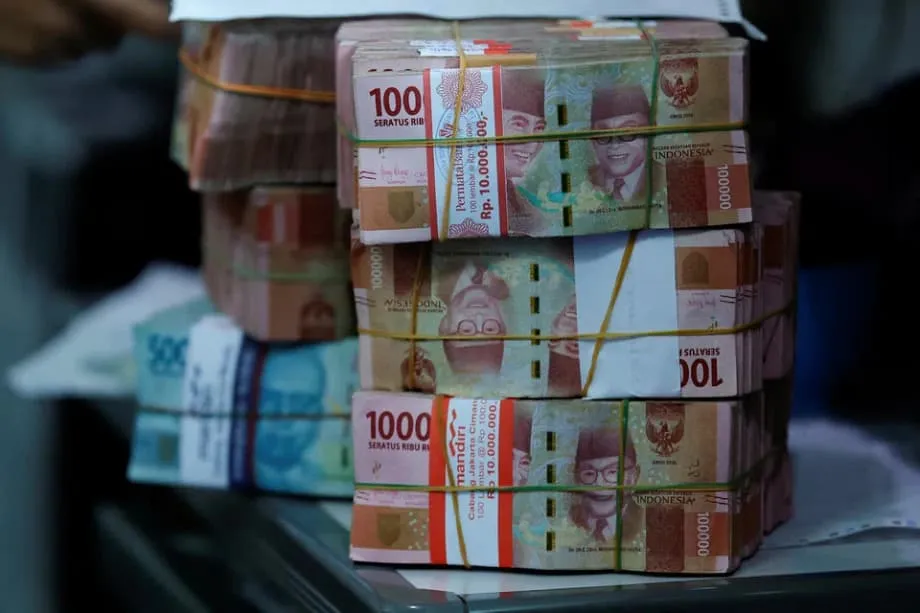
Indonesia's large currency numbers are familiar to residents, but they can make an ordinary receipt look daunting to a visitor. Prices routinely reach hundreds of thousands or millions of rupiah. Customers and cashiers must keep track of long strings of digits, whether paying for a taxi, checking a restaurant bill or comparing holiday expenses.
The government's aim is to simplify those everyday transactions. Fewer digits could make prices easier to compare, reduce mistakes when entering amounts and make the rupiah easier to read both within Indonesia and abroad. The legal work comes first; the physical and digital changeover would take years.
Tourists would eventually encounter smaller numbers on menus, hotel bills and payment screens. Residents would see the same change in salaries, savings and household expenses. Every amount would need to move to the new scale together, so that money keeps the same purchasing power.
How the conversion would preserve the value of money
Redenomination changes the unit used to write monetary values. In everyday language, it changes the scale of the numbers, rather than how much a person can buy. Under a conversion removing three zeros, a bank deposit of 5,000,000 rupiah would become 5,000 in the new unit.
Prices would change by the same ratio as that deposit. A purchase costing 100,000 rupiah would become 100. Salaries, taxes, fines and fees would also be converted consistently. A person would have fewer units recorded in an account, but would need correspondingly fewer units to pay a bill.
Devaluation is different: it involves a loss in a currency's value. The proposed redenomination is intended to preserve buying power while simplifying how amounts are displayed and recorded.
Ramdan Denny Prakoso, who leads Bank Indonesia's communication department, has described the purpose as reducing the number of rupiah digits while modernizing payments and strengthening confidence in the currency. He explained the effect on consumers:
"Redenomination simplifies the way values are written, it does not change what your money can buy," said Ramdan Denny Prakoso.
Public understanding matters because memories of Indonesia's currency reforms in the 1960s could cause concern. Purchasing power fell during those earlier episodes. The current proposal calls for prices, earnings and balances to move together at the same conversion ratio.
What the 2027 target actually covers
The Ministry of Finance's 2027 target concerns completion of the bill and the legal framework. The practical work would follow a staged process, including new currency designs and a rollout lasting several years.
Officials have indicated that the changeover could take seven to ten years from start to finish. That period would include a substantial public education campaign, with conversion tables and answers to common questions, as well as preparation by banks, businesses and government agencies.
The timetable described so far separates the legislative target from the much longer task of changing the currency people use:
- 2025 to 2029: The Ministry of Finance's program includes a draft rupiah redenomination law.
- 2027: The target is to complete the bill and its legal framework.
- Preparation and rollout: New notes and coins, updated payment systems and public education would form part of a process that could take seven to ten years.
New banknotes and coins would need finalized designs. Printers would have to prepare production, distribution would need planning, and machines would require calibration. A period of dual prices and overlapping currency use would give people time to adjust before old notes were retired.
Why Bank Indonesia wants stable conditions first
Bank Indonesia Governor Perry Warjiyo has told lawmakers that redenomination is a major policy requiring careful timing. The central bank is prioritizing currency and price stability while the legal process advances.
Warjiyo described the bank's immediate priorities:
"For now, we are more focused on maintaining stability and driving economic growth," Perry Warjiyo said.
Low and stable inflation would help households follow prices during the conversion. A steady exchange rate and consistent rules would also support confidence. Officials want steady economic growth and a supportive social and political environment before proceeding.
Lawmakers on Commission XI, which oversees financial and banking affairs, support this cautious approach. They want low inflation, solid growth and broad stability in place before the switch.
The experience of other countries has informed Indonesia's preparations. Currency simplifications commonly involve a long preparation phase, public education, dual prices and a final exchange when old notes leave circulation. Successful changes have paired stable inflation with consumer protection, clear conversion rules and enough time for people to learn the new scale.
Countries facing high inflation or weak public trust have had more difficult transitions, with some attempts failing. Surveys of Indonesian citizens have found that many view redenomination as a way to restore the rupiah's credibility. Delivering that benefit would depend on people understanding the conversion and trusting the rules.
How old and new rupiah would circulate together
Shops would display old and new prices side by side for a time. A product priced at 100,000 rupiah under the present system, for example, would also show 100 in the proposed scale removing three zeros. Customers and cashiers could compare the labels while learning the new unit.
Banks and payment networks would update ATM screens, mobile apps and payment menus to show both versions during the transition. Digital wallets and card payments would also display both units, helping customers check the amount before completing a transaction.
ATMs would eventually dispense the new notes. Older notes would remain valid until a formal retirement date, allowing people to exchange or spend them during the overlap. The dual period is intended to reduce mistakes and build confidence.
Public education would have to explain both the conversion of account balances and the use of cash. People need to understand that their savings retain their value and that balances move to the new unit at the agreed ratio. During the overlap, both old and new notes should be accepted, with prices clearly labeled in each version.
What visitors to Bali and other destinations would notice
Bali visitors would see the most obvious change on menus and receipts. The 190,000 rupiah cocktail would read 190 under a conversion removing three zeros, while the spa package costing 1.05 million would read 1,050. The feeling of carrying notes totaling millions of rupiah would fade, even though the money would buy the same goods and services.
Hotel bills, restaurant checks and fares for rides booked through apps would follow the same conversion ratio. A holiday budget would therefore retain its value. Travelers would need to become familiar with a different set of numbers, rather than set aside more money simply because the currency's format had changed.
Markets, ticket counters and taxis could become easier places to check prices mentally. Shorter numbers would also help small shops and busy cashiers spot an incorrectly entered amount more quickly.
The overlap between old and new units would still require attention. A quoted figure needs a clear label so that a traveler knows which version of the rupiah a seller means. Practical precautions during the changeover would include:
- Check both prices on menus, receipts and tickets, and read the unit labels.
- Confirm which unit a vendor is quoting before paying.
- Use currency exchange counters operated by banks or ATMs rather than street kiosks.
- Count cash in front of the cashier.
- Consider cards or mobile payments to reduce cash counting mistakes, especially in the early months.
Residents would face the same need to check labels. Dual prices would provide a reference for familiar purchases, allowing shoppers to compare the converted amount with the price they already know.
Rounding is the main risk at the checkout
A snack costing 9,200 rupiah would convert exactly to 9.2 if three zeros were removed. A merchant might be tempted to round that amount up to 10. The conversion itself preserves the price; rounding upward adds a price increase.
Widespread upward rounding could push the price level higher, especially if small changes occurred across many routine purchases. Regulators plan to monitor unfair rounding, publish guidance and set penalties for abuse.
Clear conversion rules and consumer protection would help people check whether a price has been translated correctly. A long period of dual pricing would make those comparisons easier because the previous figure would remain visible alongside the new one.
Government agencies would need to coordinate price monitoring and communicate complaint hotlines. Retailers would need training as well as updated systems. Public education would also help reduce anxiety and rumors by explaining what happens to savings, wages and everyday bills.
Indonesia's financial authorities have studied experience abroad, where stable inflation, firm consumer safeguards and consistent rules helped make changes smoother. The challenge is to keep the arithmetic simple for consumers while ensuring that the practical transition does not become an opportunity for unjustified increases.
The work facing businesses, banks and investors
Companies would need to update accounting software, cash registers, invoices, vending machines and ATMs. Payment gateways and platforms for online shopping would require revised fields and checks so that amounts are entered, displayed and processed in the correct unit.
Banks would have to coordinate changes across accounts, cash services and digital payments. Businesses would need budgets, testing and sufficient preparation time. Common standards would help different systems use the same conversion rules.
Fewer digits could make routine records easier to manage once the work is complete. Cash registers and accounting systems would handle shorter amounts, while bank staff and customers would have fewer zeros to enter. Reducing those repetitive entries could trim mistakes.
Capital market regulators say monetary figures would be converted without changing the underlying value of investments. Stock prices, bond coupons and index values would move by the same factor. A bond coupon is the interest payment attached to a bond; its displayed amount would change to match the new currency scale.
Eddy Manindo Harahap, a deputy commissioner at the Financial Services Authority (OJK), described the proposal as a technical adjustment to monetary records:
"All monetary values will be adjusted with zeros removed, but nothing else will be affected," Eddy Manindo Harahap said.
Investors would see smaller quoted numbers, while ownership and valuation would remain the same. For companies and financial institutions, the task would be to make that consistent conversion work across every relevant record and payment system.
Exchange rate pressure makes timing sensitive
The rupiah has faced periods of weakness against the dollar, and foreign investors have at times withdrawn money from Indonesian bonds. Currency volatility is part of the backdrop officials must consider when choosing when to proceed.
Analysts have warned that carrying out redenomination during market turbulence could add confusion to pricing and divert attention from policy priorities. A change involving cash, accounts and investment records would require sustained confidence as well as technical preparation.
Officials therefore keep pointing to the same conditions: inflation near its target, a stable exchange rate and strong public confidence. A roadmap would need to explain each stage, from dual prices to the retirement of old notes, so households, businesses and markets can prepare together.
Indonesia's proposal joins a practical ambition with a demanding rollout. Shorter amounts could simplify shopping, tourism and bookkeeping, but achieving that requires coordinated changes to laws, currency production, payment systems and price labels. The stated aim remains consistent throughout: easier numbers with the same buying power.
What to Know
- The Ministry of Finance has included redenomination legislation in its 2025 to 2029 program, targeting completion of the bill by 2027.
- Earlier proposals would remove three zeros; the latest draft has not confirmed the final number.
- Prices, wages, savings, taxes, fines and fees would convert at the same ratio, preserving purchasing power.
- Bank Indonesia wants low inflation, steady growth, a stable exchange rate and supportive social and political conditions.
- The complete changeover could take seven to ten years, including public education and preparation.
- Dual prices and overlapping use of old and new notes would help people adjust.
- Tourists would see smaller figures on bills and menus while their budgets retain the same value.
- Businesses and banks would need to update software, cash registers, payment systems and ATMs.
- Regulators plan to monitor unfair rounding, issue guidance and set penalties for abuse.
- Investment figures would change scale while ownership and valuation remain the same.