Half a million applicants, one tightly scheduled Thursday
South Korea will clear roads, delay the opening of its stock markets and suspend aircraft takeoffs and landings on Thursday as 554,174 applicants prepare to take the College Scholastic Ability Test, known as Suneung. The exam will be held at 1,310 testing sites nationwide, with candidates required to arrive by 8:10 a.m. and the final session ending at 5:45 p.m.
Contents
- Half a million applicants, one tightly scheduled Thursday
- Getting to the school before the gates close
- Why the aircraft pause lasts 35 minutes
- What students will answer and how scores work
- Sealed papers, isolated writers and strict room rules
- University ambitions and the cost of preparation
- The last evening is about sleep, food and routine
- Familiar lunches and personal symbols of support
- After the final bell, the admissions calendar continues
- A common test, and the strain surrounding it
- Key Points
Education officials say the applicant count is the highest in seven years. A demographic bump from the cohort born in the 2007 Golden Pig year has helped increase the number. Third year high school students form the largest group, alongside graduates returning to try again and other eligible candidates.
On November 12, families are approaching the last evening before an exam that brings years of preparation into a single long day. Suneung takes place once a year and is central to university entry. For many students, the result can also shape the opportunities available at the beginning of their working lives.
South Korea's preparations extend far beyond the examination rooms. Police will help students reach their schools, government offices will start later, public transport will add services and aircraft will remain quiet during the English listening test. Each adjustment serves the same practical purpose: helping candidates arrive on time and concentrate without disruption.
Families face a more personal task. They must prepare identification, permitted stationery and a familiar lunch, while trying to ensure that students sleep enough and enter the exam with steady nerves. After months or years of study, the final hours are as much about maintaining a routine as learning anything new.
Getting to the school before the gates close
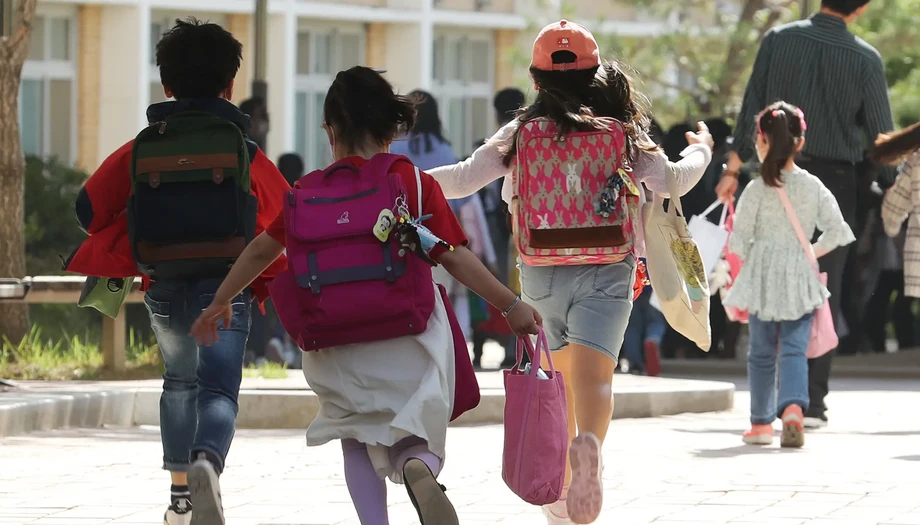
Candidates must reach their assigned testing sites by 8:10 a.m. Students who arrive after that time cannot enter, losing their opportunity to take this year's exam. Many therefore leave home before dawn, allowing extra time for traffic and unexpected delays.
The National Police Agency plans to deploy more than 10,000 officers for traffic control and escorts, with more than 2,000 patrol vehicles positioned near schools. Students who risk arriving late can call 112. Police riders and patrol cars can then help transport them to their assigned sites.
Seoul's subway will run 29 additional trips between 6 a.m. and 10 a.m. The city also has 646 shuttle vehicles ready to carry students who need help reaching the exam. These services concentrate extra capacity around the hours when candidates must travel.
Government offices will shift their starting times to reduce competing commuter traffic. The Kospi, Kosdaq and Konex stock markets will open at 10 a.m., an hour later than usual. The change allows some workers to travel after students have reached their classrooms.
Bus and taxi drivers have been asked to avoid sudden braking and using their horns near schools. Noise around testing centers is discouraged, and heavy equipment will sit idle. Together, the transport and noise measures turn an ordinary working morning into a coordinated effort to protect the exam schedule.
Why the aircraft pause lasts 35 minutes
South Korea's most visible noise restriction comes during the English listening section. From 1:05 p.m. to 1:40 p.m., aircraft takeoffs and landings will pause nationwide. Aircraft already in the air must remain above 3,000 meters.
Authorities are rescheduling dozens of flights, including domestic and international services, to keep the listening period quiet. Drone flights and military drills at low altitude will also pause during that window. The restrictions give students a better chance of hearing the same recorded material without outside noise interfering.
The English listening test explains why the effort reaches beyond streets near schools. Road traffic can be managed locally, while aircraft noise requires changes across the aviation system. For 35 minutes, the needs of candidates inside examination rooms determine when aircraft can depart or arrive.
Quiet is also sought throughout the rest of the day. Restrictions on heavy equipment and requests to avoid honking help maintain conditions in which students can read, calculate and listen without sudden distractions.
What students will answer and how scores work
Suneung measures readiness for university through material drawn from South Korea's national high school curriculum. Its core sections are Korean language, mathematics, English and Korean history. Students also choose subjects from social studies or science, and many add a second foreign language or classical Chinese.
Korean history is compulsory for every candidate. The second foreign language or classical Chinese section is optional, so students do not all take exactly the same combination of tests. Their choices determine the subjects they prepare for and the testing fees they pay.
Most questions have multiple choice answers. Mathematics also includes a small set of questions requiring short answers, and calculators are prohibited. Students must therefore manage both their time and the way they set out calculations without electronic help.
The day contains five sessions across the morning and afternoon. Subject blocks run roughly 80 to 107 minutes, with short breaks and a lunch break around midday. English listening takes place in the early afternoon, linking the classroom timetable directly to the nationwide flight restrictions.
English uses absolute grading, which measures performance against set standards. Most other subjects use standardized scores that place a student's performance on a national curve, comparing it with the results of other candidates. The standard ranking has nine tiers. At the highest levels, small differences in scores can lead to different university prospects.
Sealed papers, isolated writers and strict room rules
University professors and high school teachers write the exam questions under strict isolation for weeks before Suneung. The process keeps the contents confidential while the examination is being prepared.
Test papers travel under seal to local education offices and then reach schools before dawn. A testing room typically holds fewer than 30 candidates, with at least two proctors present. Proctors receive training in examination procedures the day before the test.
Local education offices assign each student's testing site and seat. Those details are revealed only the day before the exam, making the final preparations for travel especially important. Fees vary according to the number of sections a candidate selects.
Students must bring their admission slip, identification, lunch and stationery permitted by the rules. Only analog watches with hour and minute hands are allowed in examination rooms. Mobile phones, smart watches, wireless earphones, Bluetooth devices and other electronics capable of storing data or transmitting signals are banned.
Since 2006, the exam authority has issued an official mechanical pencil to every candidate to reduce the risk of hidden devices. Official pencils and practice sets from previous years nevertheless attract brisk trade in secondhand markets during exam season. For students, even familiar equipment can become part of the preparation routine.
University ambitions and the cost of preparation
Suneung is recognized by all major universities and plays a central role in access to prestigious institutions. Performance can influence scholarships, internships and opportunities over the longer term. Many applicants aim for Seoul National University, Korea University or Yonsei University, commonly grouped under the acronym SKY.
Families invest heavily because they see admission to leading universities as closely connected to future opportunities. High ambitions meet a limited number of places, concentrating pressure on students trying to produce exceptional results during one demanding day each November.
Private cram schools, known as hagwons, provide classes that continue late into the evening. In competitive districts, some students leave high school early, earn a diploma through a qualification examination and spend a year concentrating solely on Suneung.
Programs combining classes, lodging and practice tests can cost tens of millions of won for a full year. Some families consider this concentrated approach more efficient than balancing school grades, activities and entrance exam preparation. The financial commitment and intense routine can also increase stress and deepen concerns about unequal access to preparation.
The education ministry has moved to scale back the hardest questions, often called killer questions, particularly in mathematics and Korean language. Its argument is that questions requiring university level knowledge give an advantage to students with access to additional preparation, rather than assessing what students learn in high school.
Changes to subject choices and integrated studies are also planned over the longer term. These would alter how students prepare. The continuing challenge is to distinguish strong academic performance while keeping the examination manageable and within the high school curriculum.
The last evening is about sleep, food and routine
Doctors and school counselors advise students to change their focus during the final 24 hours. They recommend closing the books early, going to sleep before midnight and aiming for six to eight hours of rest. Waking on the same schedule as Thursday's exam can help keep the morning routine familiar.
Energy drinks and strong caffeine late in the day can interfere with sleep. Guidance also favors simple, balanced meals instead of heavy snacks late at night. A short walk, stretching, deep breathing and brief breaks can help students manage nervousness without placing more demands on their minds.
Late autumn brings a wide difference between daytime highs and evening lows. Students are reminded to dress in layers and take care to avoid colds, especially when leaving home early and spending a long day away.
Pharmacies in areas with many cram schools, particularly southern Seoul, report growing inquiries about methylphenidate. The prescription medicine is used to treat attention deficit hyperactivity disorder, or ADHD. Some anxious students seek it as a way to improve their performance.
Psychiatrists warn that healthy people do not gain reliable cognitive benefits from the drug. Side effects can include insomnia, heart palpitations and anxiety, all of which can damage performance on examination day.
Insurance data show that teenagers have the highest prescription rates for ADHD medicines, followed by people in their twenties. The affluent Seoul districts of Gangnam, Seocho and Songpa lead the district figures. Medical professionals caution that medication cannot replace rest, a steady routine and clear focus during the final stretch.
Familiar lunches and personal symbols of support
School cafeterias are closed on exam day, making a packed lunch both a practical necessity and a source of comfort. Warm, familiar food can help students get through a long schedule without upsetting their stomachs.
Wang Sung jun, an artificial intelligence researcher who took Suneung in 2014 and 2015, recalled why his lunch mattered during the break:
It was really important to bring a warm, comforting lunch when I took the exam, too. My mom packed foods that were easy to digest, such as rice porridge and dried seaweed. It was not about having something special. It was about eating something familiar, so I would not get sick on the important day.
Some students choose sticky rice treats and yeot candy, traditional symbols of persistence and good luck. Others trade photocards of favorite idols, put campus crest stickers on their notebooks or carry small, lighthearted charms.
Kang, a high school senior in Jeju who has prepared a stack of idol cards for exam day, explained the comfort she finds in them:
We take photocards of idols who went to top universities because these are like our versions of talismans. Looking at a favorite card during Suneung and other tests takes the pressure off.
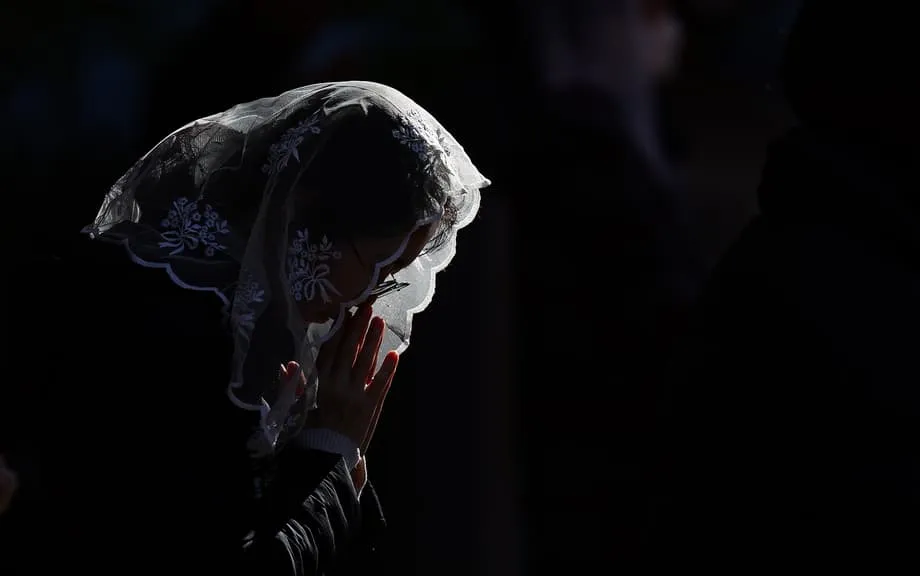
Parents and grandparents often seek reassurance through faith. Temples and churches fill with prayers, sometimes offered daily for 100 days before the examination. At Doseonsa in northern Seoul and Gat Bawi in Daegu, families bow, light candles and whisper their children's names.
These rituals pass from one group of candidates to the next. A packed lunch, a prayer or a familiar photograph gives students and relatives something personal to hold onto during a national event governed by strict rules and precise times.
After the final bell, the admissions calendar continues
The final session ends at 5:45 p.m., when relief begins to replace the quiet around school gates. Younger students, who often have the day off, gather to cheer their seniors. Many candidates then head home to compare their answers.
Test booklets and answer keys are posted in real time after each section. Students who record their choices on the back of their admission slip can use them to estimate standardized scores and percentiles. A percentile describes a candidate's position compared with other test takers.
Cram schools publish predicted score cutoffs for major universities by late evening. Students and families use these estimates to begin consultations and contact institutions in the following days. Official scores are scheduled for release on December 5.
Students following the early admission route, called susi, must submit their test records by December 11. Candidates using the regular admission route, called jungsi, submit their scores by December 31. The exam therefore ends in November, while decisions about applications continue into December.
The main dates and times are:
- November 12: Candidates receive their assigned testing sites and seats and complete their final preparations.
- Thursday, November 13: Candidates must arrive by 8:10 a.m.; aircraft takeoffs and landings pause from 1:05 p.m. to 1:40 p.m.; the final session ends at 5:45 p.m.
- December 5: Official scores are scheduled for release.
- December 11: Students on the susi route must submit their test records.
- December 31: Students on the jungsi route must submit their scores.
During the brief pause after the examination, restaurants, salons and amusement parks offer discounts to candidates who show their admission slips. The small benefits acknowledge the years of effort behind the day's work.
A common test, and the strain surrounding it
Suneung gives universities a common measure for applicants from different schools. Teachers and professors across the country create an assessment tied to the national curriculum, allowing institutions to compare students through the same examination.
The scale of the public preparations makes exam day resemble a state function. Police direct traffic, pilots adjust routes and public servants change their schedules. Reducing noise and clearing roads helps keep attention on students' knowledge rather than the circumstances of their journey or testing room.
Students prepare through mock exams and long study days that build stamina. Competition is especially intense among candidates clustered near the top of the rankings, where a small score change can affect admission prospects. Demand for extra preparation supports a large private education market around the test.
Officials have sought to reduce extreme question difficulty, widen alternative pathways and adjust subject choices. Suneung's central purpose remains a fair assessment based on the curriculum. The national pause also makes visible the strain on families when a few hours can influence years of planning.
Key Points
- 554,174 applicants are registered at 1,310 sites, the highest applicant count in seven years.
- Candidates must arrive by 8:10 a.m. on Thursday, November 13; the final session ends at 5:45 p.m.
- More than 10,000 police officers and more than 2,000 patrol vehicles are planned for traffic control and escorts.
- Seoul will add 29 subway trips between 6 a.m. and 10 a.m. and have 646 shuttle vehicles ready.
- Aircraft takeoffs and landings pause from 1:05 p.m. to 1:40 p.m.; airborne aircraft must stay above 3,000 meters.
- The Kospi, Kosdaq and Konex open at 10 a.m., one hour later than usual.
- Korean history is mandatory, calculators are prohibited and English uses absolute grading.
- Only permitted stationery and analog watches are allowed; phones and other data storing or transmitting electronics are banned.
- Doctors advise adequate sleep, familiar meals and a steady routine, and warn against seeking an exam advantage through ADHD medication.
- Official scores are due December 5, followed by submission deadlines of December 11 for susi and December 31 for jungsi.