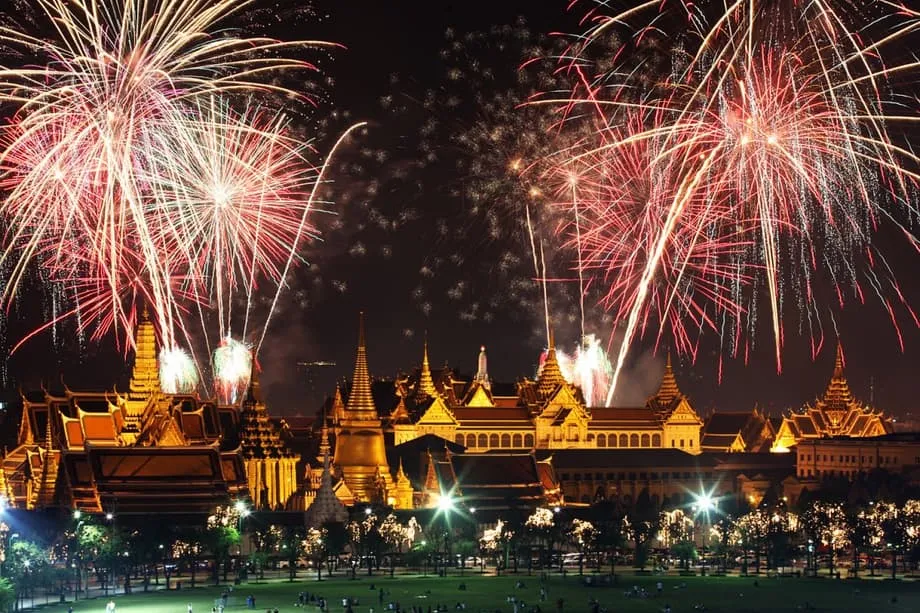
An extra Friday turns New Year into a longer break
Thailand's cabinet has approved Friday, January 2, 2026, as a special public holiday, creating a continuous New Year break from Wednesday, December 31, 2025, through Sunday, January 4, 2026. The five days are intended to encourage domestic travel, fill hotels and guesthouses, and increase spending in cities, towns and rural communities.
Contents
- An extra Friday turns New Year into a longer break
- How the five days fit together
- Why travel spending matters beyond hotels
- Where visitors are likely to go
- A holiday extension within a wider economic push
- Transport will face several busy departure periods
- Bookings, prices and managing crowded attractions
- Bank closures and workplace arrangements
- Tourism businesses and foreign visitors prepare
- What is still awaiting confirmation
- Main Points
January 2 will also be a bank holiday. Government agencies will observe the closure, and financial institutions will close nationwide that Friday. ATMs, mobile banking apps and online banking should remain available. Private companies may make different arrangements, so employees will need to confirm their own holiday and work schedules.
The extra day connects the usual New Year holidays with the weekend. Without that Friday off, the break would be interrupted by a working day. With it, families can plan trips lasting two or three nights, and workers in major cities have more time to return to their home provinces and spend money locally.
Tourism and travel agencies have welcomed the extension. The Tourism Authority of Thailand plans targeted promotions across different regions, while provincial offices are preparing events intended to persuade visitors to stay longer than one or two nights.
Tourism accounts for about 12 percent of Thailand's gross domestic product, or GDP, and close to one fifth of its jobs. GDP measures the value of goods and services produced in an economy. Those figures help explain the government's interest in using the holiday calendar to support travel: even a modest increase in trips can bring extra income to accommodation providers, transport operators and small businesses.
The longer break gives businesses a confirmed window around which to prepare bookings, supplies and staffing. For residents, it offers more time away, although the exact benefit will depend on whether their employer observes the additional holiday.
How the five days fit together
The New Year period combines two days for New Year festivities, the newly approved Friday holiday and the Saturday and Sunday weekend. Government services will observe the break, while transport and public safety operations will prepare for higher demand.
The holiday calendar also builds on two extra days approved for 2025. Monday, June 2, and Monday, August 11, were added to create weekends lasting four days around major royal and national observances. The dates relevant to the latest extension are:
- Monday, June 2, 2025: an additional holiday helping create a break lasting four days.
- Monday, August 11, 2025: another additional holiday linking an observance with a weekend.
- Wednesday, December 31, 2025: the start of the five day New Year period.
- Thursday, January 1, 2026: New Year's Day.
- Friday, January 2, 2026: the approved special public holiday and bank holiday.
- Saturday, January 3, and Sunday, January 4, 2026: the weekend completing the break.
January 2 acts as a bridge holiday, meaning a day off that connects an existing holiday to a weekend. The practical change is simple: people can travel without needing to return to work for the Friday between New Year's Day and Saturday.
Government employees will follow official directives. Private employers may grant paid leave, arrange compensatory time or continue operating with holiday pay where required. The Ministry of Labour advises workers to check arrangements with their human resources teams well in advance.
Why travel spending matters beyond hotels
A family holiday spreads money across several businesses. Accommodation is one part of the bill, alongside transport, food and drinks, entry fees at parks or heritage sites, and spending at seasonal events. Guides, drivers and vendors can also gain work when visitor numbers rise.
Economists call this a multiplier effect: money spent on a trip supports more than the business receiving the first payment. Across many households, holiday spending can lift earnings for small firms and casual workers whose income depends on visitors.
Noodle shops, night markets and craft sellers typically see more customers when a holiday continues through a weekend. Workers returning home can bring spending into provinces outside the main tourist centres, while families taking longer trips have more opportunities to stop at local restaurants and attractions.
Hotels, guesthouses and homestays usually receive more bookings when a break extends beyond three days. Interprovincial buses, passenger trains, low cost airlines and domestic services through the main airport hubs also face stronger demand. Retailers, restaurants and entertainment venues gain an additional Friday of holiday activity.
Public agencies want some of that spending to reach secondary cities and communities. Campaigns are likely to highlight smaller destinations and tourism run by local communities, helping direct income towards places that missed out during earlier travel cycles and easing pressure on crowded attractions.
Where visitors are likely to go
Bangkok is expected to draw crowds for countdown events and shopping campaigns before sending large numbers of residents and visitors towards other destinations on Thursday and Friday. Chiang Mai, Phuket and Pattaya are also likely to attract some of the largest visitor flows.
Events, fireworks and concerts tend to concentrate in those major centres. Malls and entertainment areas may extend their opening hours, while visitors can expect traffic restrictions around large venues on New Year's Eve.
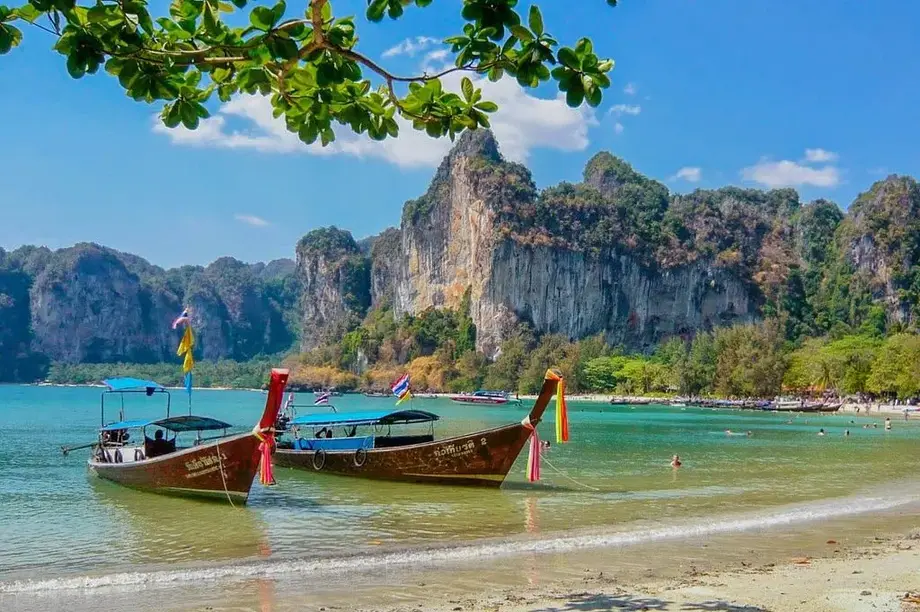
Coastal provinces and islands anticipate strong accommodation demand as families seek a warm beach holiday during the cool season. Northern cities will attract people looking for cooler weather, temples and cultural sites. The northeast is expected to receive workers returning for family gatherings, alongside visitors exploring historical parks and community markets.
Ayutthaya, Sukhothai, Nakhon Ratchasima, Udon Thani and Surat Thani could benefit when travellers add a second stop. An extra day gives visitors more scope to explore farm stays, local craft markets and community tourism beyond a main city.
Provincial events are intended to turn short visits into longer stays. For a small accommodation business or market vendor, another night can mean another meal, another booking or another day of customers, spreading the benefit across the destination.
A holiday extension within a wider economic push
The New Year decision forms part of a broader government effort to encourage growth through travel, events and household activity. The additional holidays in June and August 2025 followed the same approach: create predictable breaks so people can plan trips and businesses can prepare promotions months ahead.
Authorities have also moved on financing at low rates for priority sectors. Measures aimed at property and household credit support spending and investment, which can reinforce the gains from tourism. The connection is that travel generates demand across transport, retail and services, rather than benefiting accommodation alone.
Thailand has positioned 2025 as a year of tourism and sports, seeking to attract events, encourage domestic trips and promote regional routes connecting several provinces in one itinerary. The New Year extension is intended to carry that momentum into early 2026.
Families and workers may use the break for a final holiday before the first full working week of January. A confirmed calendar gives tourism operators time to develop packages and coordinate with local events, while travellers can compare destinations and make arrangements ahead of the busiest period.
Transport will face several busy departure periods
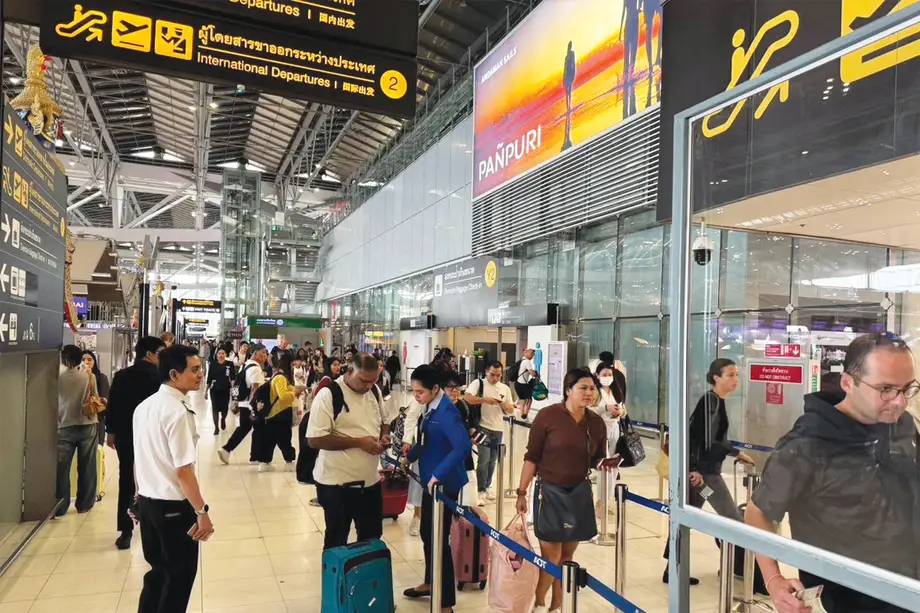
Major roads and large stations are expected to be busy on Wednesday afternoon and Friday morning as people leave for their destinations, and on Sunday as they return. Transport systems will operate with peak schedules, and additional public safety personnel will be deployed along highways and in important tourism areas.
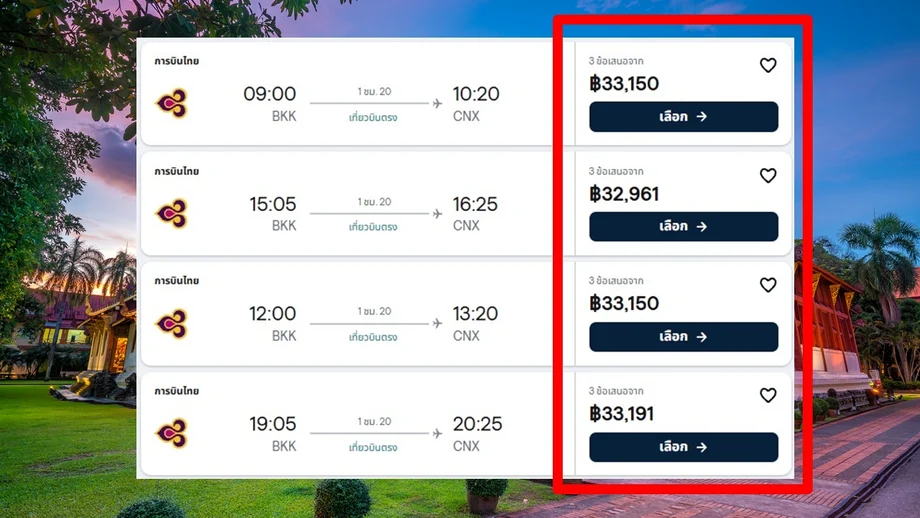
Airlines typically add capacity on popular domestic routes, including Bangkok to Chiang Mai, Phuket and Khon Kaen. Seats at the most popular departure times tend to sell out early. The State Railway of Thailand and interprovincial bus operators usually arrange extra services and offer seats in advance.
Drivers should expect congestion on highways towards Pattaya, Hua Hin, Kanchanaburi and the eastern seaboard, as well as the northern corridor through Ayutthaya and beyond. Travellers making several connections will need to allow for the pressure that a national holiday places on roads, stations and airports.
Most attractions are expected to keep their normal opening hours, with some offering special New Year programmes. The combination of regular visitors, returning residents and event crowds means that transport demand will extend beyond the best known tourist destinations.
Bookings, prices and managing crowded attractions
Accommodation near beaches, in Chiang Mai's historic centre and on popular islands often needs to be booked ahead during a long New Year break. Prices can rise as demand increases, and some properties may require a minimum stay.
Travellers seeking more flexibility can consider secondary cities or community accommodation within a short drive of major destinations. Day trips to national parks, temples and heritage sites can provide alternatives when rooms in the busiest areas are difficult to find.
Authorities typically increase staffing at national parks and beaches during peak periods, with measures to manage litter and protect sensitive places. Visitors can support that work by following posted instructions, taking their rubbish away and staying on designated paths at heritage sites.
Spreading visits across different days and times can reduce crowding during the busiest hours. The same principle supports the push towards secondary destinations: more places can receive visitor income while heavily visited sites face less concentrated demand.
Bank closures and workplace arrangements
Bank branches will close on Friday, January 2. ATMs, online banking and mobile apps remain the main alternatives for payments during the holiday. Digital wallets and QR code payments are widely accepted, including by smaller shops and market traders.
Residents and businesses should complete tasks requiring a branch visit before the break begins. Those include passbook updates and complex transactions that cannot be handled through the usual electronic channels.
Private employers will need to decide how to observe the government holiday and communicate that decision. Many companies may close throughout the period, while others will keep essential functions operating and provide substitute days off later.
The Labour Protection Act guides minimum holiday allowances and compensation for work on holidays. Human resources teams should confirm holiday policies, overtime rates and shift exchanges before December, with work schedules and pay arrangements set out in writing.
Businesses serving customers face a different challenge from offices that close: demand may rise precisely when staff want time off. Employers will need to balance coverage with rest periods and holiday rules, and employees should know which days they are expected to work.
Companies remaining open also need to plan payroll deadlines, supplier deliveries and customer service coverage during the five days. Logistics firms may see heavier volumes of consumer goods in the week before New Year, quieter activity during the holiday and a pickup in the following week. Notices explaining service windows can help clients plan around those changes.
Tourism businesses and foreign visitors prepare
Hotels, tour companies, restaurants and transport providers can use the confirmed dates to time promotions, recruit temporary staff and coordinate with provincial events. Many customers book packages once they know the holiday calendar, giving operators an opportunity to turn interest into confirmed trips.
Packages covering two nights and family discounts can appeal to travellers who want a manageable break. Offers outside the most crowded destinations can also direct visitors towards smaller businesses and communities.
International visitors often plan Thailand trips around New Year. The extended break can make it easier for friends and relatives to travel together, including itineraries pairing Bangkok with Chiang Mai, Phuket or a nearby national park.
Foreign visitors can expect lively public events, shopping areas opening late and full service in tourist districts. Domestic connections are likely to be busier, so extra time between flights or trains will be useful.
People planning regional travel in early 2026 should also review neighbouring countries' public holiday calendars. Long breaks can bring crowded trains, busy border crossings and higher prices. Within Thailand, visitors seeking a quieter stay can choose secondary cities and take day trips into major centres, or explore lesser known islands and provincial capitals with local food, festivals and access to nature.
What is still awaiting confirmation
As of November 7, 2025, the January 2 extension is approved, while Thailand's full public holiday calendar for 2026 is expected to be finalised closer to the end of 2025. Certain Buddhist observances depend on the lunar calendar and are confirmed later. Agencies will update their calendars as the remaining dates are set.
The Tourism Authority of Thailand is expected to announce New Year promotions and regional events well before December. Transport schedules, public safety campaigns and local festival announcements will help travellers and businesses make more detailed plans for the five day period.
The confirmed break gives households and operators a starting point. Employees can check their workplace arrangements, businesses can organise staffing and payment schedules, and travellers can book around the expected peak periods.
Main Points
- Thailand has approved Friday, January 2, 2026, as a special public holiday, creating a break from December 31, 2025, through January 4, 2026.
- January 2 is also a bank holiday. Branches will close, while electronic banking channels should remain available.
- The extension aims to increase domestic trips, accommodation bookings and spending across major destinations, secondary cities and rural communities.
- Tourism accounts for about 12 percent of GDP and close to one fifth of jobs.
- The decision follows additional holidays on June 2 and August 11, 2025, and sits alongside wider efforts to support tourism, spending and investment.
- Private workplace arrangements may vary. Employers need to confirm leave, staffing, pay and service schedules.
- Popular transport routes and accommodation are expected to be busy, with advance booking advisable.
- The remaining 2026 holiday dates and detailed New Year event and transport arrangements await confirmation.