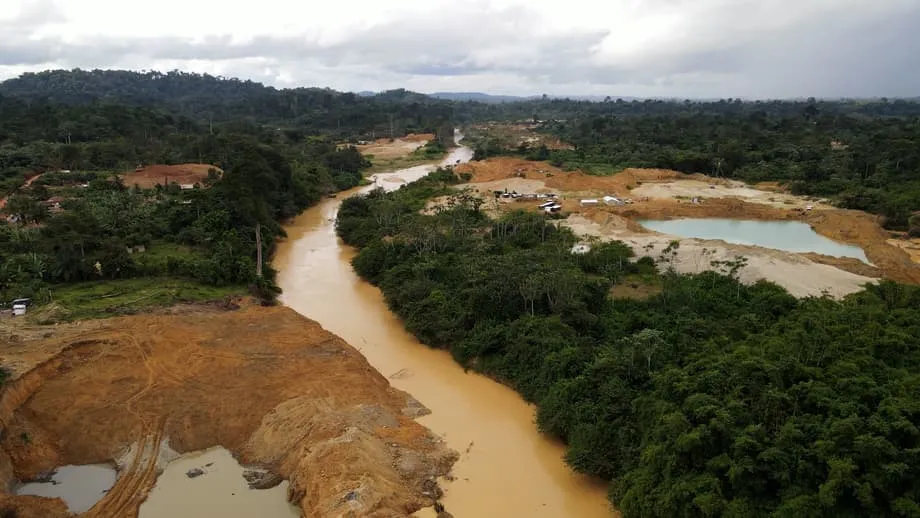
Flashlights and basins fill the river after dark
Dozens of people have returned to the Yanzi River in Kangxian county, Longnan, in China's Gansu province, searching for gold at night despite repeated warnings that the activity is illegal. Footage shared on Chinese social platforms over the weekend showed people standing knee deep in the current at around 1 am, carrying plastic basins and flashlights while the air temperature hovered near 4 degrees Celsius.
Contents
- Flashlights and basins fill the river after dark
- County officials say individual panning is prohibited
- How the gatherings returned through the year
- Why dredging can expose gold particles
- A simple method with a strong financial lure
- Cold water, darkness and disturbed banks create risks
- Repeated panning adds pressure to river life
- Flood protection depends on stable channels
- State ownership and the legal route to mining
- Other gold rushes and the scrutiny of metal supplies
- Patrols and reporting remain the local response
- At a Glance
The videos, which were later removed, captured a narrow ribbon of light across the shallows. Captions and onlookers described a busy river as people scooped gravel, swirled silt and searched for yellow flecks. By November 7, 2025, the gatherings had become another sign of a recurring problem along a river where maintenance work and the prospect of valuable finds were drawing people back into the water.
Residents and shopkeepers along the banks said similar gatherings had appeared intermittently since early in the year. Patrols brought occasional quiet periods, but activity picked up again when workers resumed dredging sections of the riverbed. Several participants said they could see traces of gold in their pans.
A widely shared claim that some people collected more than five grams of gold in a single basin helped attract larger crowds after dark. At recent global prices, a haul of five grams would be worth several hundred dollars. The account gives no independently verified weight for those finds, leaving the size of the reported haul uncertain.
Spot gold has hovered near historic highs for much of the past year, increasing the appeal of informal prospecting in many countries. In Kangxian, where seasonal work and modest business margins leave many households watching every yuan, the prospect of a few valuable flakes has helped sustain interest even as police disperse gatherings.
County officials say individual panning is prohibited
Kangxian county officials say individual gold panning is strictly prohibited under national law. Staff at the county government office said police had received multiple complaints from residents and crews clearing the riverbed. Officers sent to the area have patrolled at night and dispersed people entering the water.
A staff member at the Kangxian county government office described the prohibition and the recent reports to police:
Individual gold panning is strictly prohibited. Police have received several reports in recent days.
The county natural resources bureau issued a public notice in July warning against illegal gold panning and published a hotline for reporting violations. A notice from the Chengguan township government in June had already raised concerns about damage to the river, navigation and flood protection.
The Chengguan township government described the environmental and safety concerns in its June notice:
Unauthorized mining was damaging the river's ecology and threatening waterway safety.
Police patrols continued through the weekend, discouraging people from entering the river at night and asking onlookers to stay off the bank. County staff also urged residents to use the reporting hotline when new gatherings appeared as river works progressed.
How the gatherings returned through the year
Residents describe a pattern of activity slowing when patrols become visible, then returning when fresh sections of the riverbed are disturbed. The main developments span several months:
- Early in 2025: Residents and shopkeepers said nighttime gatherings began appearing intermittently along the Yanzi River.
- June: Chengguan township warned that unauthorized mining was harming river ecology and threatening waterway safety, navigation and flood protection.
- July: Kangxian's natural resources bureau issued a warning against illegal gold panning and published a reporting hotline.
- The weekend before November 7: Videos showed dozens of people panning at around 1 am, while police continued patrols and dispersed gatherings.
River dredging is central to residents' explanation of the latest rush. They said people returned soon after maintenance crews resumed work on parts of the channel, linking renewed interest to freshly exposed sediment.
Why dredging can expose gold particles
Dredging changes the shape of a river channel by removing or shifting material from its bed. When heavy machinery scrapes through sediment, it can expose older pockets of gravel containing fine gold particles that have eroded from rocks upstream.
Those particles are called alluvial gold. The term describes gold carried and deposited by moving water, rather than gold still held inside solid rock. Because gold is heavy, the current can leave particles in drifts, behind stones and in other places where water movement allows them to settle.
Freshly disturbed stretches can temporarily concentrate flakes in shallow eddies, where circulating water collects material that a hand pan may catch. Residents' description of panning resuming after dredging follows a pattern also reported on other rivers, where maintenance work briefly made the search more attractive.
Gansu contains belts of gold, silver, lead and zinc deposits identified through decades of geological surveys. Geological teams have mapped mineralized layers of rock and fault zones across the province. These are areas where minerals occur and where breaks in the rock can help explain the location of deposits.
Modern tools, including hyperspectral imaging, have improved understanding of where ore bodies occur. Hyperspectral imaging records light across many wavelength bands, helping geological teams distinguish materials and study mineral patterns. Such work helps large companies target ore in mountain districts.
The province's geology also explains why small gold flakes can occur in some river reaches that cut through mineral bearing terrain. Floods and dredging move sediment around, sometimes bringing those particles into places where people can find them with little more than a pan and patience.
A simple method with a strong financial lure
Hand panning separates particles by weight. A person scoops gravel and sand into a shallow basin, shakes it with water so heavier material sinks, then gently swirls the mixture to wash away lighter grains.
Gold is denser than quartz and feldspar, two minerals commonly found in sand and gravel. That difference allows gold to remain at the bottom while lighter material moves out of the pan. The method needs no explosives or chemicals, which helps explain why people can try it with basic household equipment.
The claim of more than five grams in one basin offers a much stronger attraction than a few visible specks. Even if most attempts yield very little, the prospect of several hundred dollars from a fortunate find can overshadow a day's wages in service work.
Residents' accounts show how that incentive connects with the spread of videos. Images of people searching, combined with claims of valuable finds, helped draw more participants. Activity also moved to the edges of patrol hours, allowing gatherings to resume when enforcement was less visible.
Officials have tried to reduce that incentive by keeping people out of newly disturbed stretches and reminding residents that gold in the river is not theirs to take. Regular patrols and the hotline are intended to maintain control while dredging continues and until the current disperses the fresh deposits attracting attention.
Cold water, darkness and disturbed banks create risks
The Yanzi River can flow quickly even through shallow stretches. People entering it at night face uneven cobbles, hidden holes and sudden changes in depth. Holding a basin and a flashlight makes it harder to respond if footing gives way.
The nighttime footage placed the air temperature near 4 degrees Celsius. Cold water at that temperature drains body heat rapidly and increases the chance of cramps. A person who loses balance may struggle to regain a secure footing in the current.
Crowds create hazards on the bank as well as in the water. People at the edge may need to step back quickly to avoid deeper flow, while poor visibility and the presence of others increase the chance of trips and falls.
Fresh dredging can leave unstable slopes that slump without warning. Rivers also change course with rain. Keeping people away from working areas reduces the chance of slips near excavators and trucks and gives crews space to shape banks for flood protection.
Mining accidents elsewhere illustrate how quickly extraction can become dangerous when ground conditions fail. In 2022, a mine collapse in Gansu buried workers and vehicles. A separate cave in at a mine in Guizhou killed and injured miners. Those accidents occurred at industrial sites, while the Yanzi River gatherings involve people working in water and along disturbed banks.
Local authorities rely partly on reports from river workers who can spot unsafe behavior from areas used to stage heavy machinery. Dispersing nighttime gatherings serves both enforcement and accident prevention, particularly where panners move close to active construction.
Repeated panning adds pressure to river life
Hand panning disturbs the streambed even without chemicals or explosives. Swirling sediment in basins releases plumes of fine silt that travel downstream, making the water cloudier. This cloudiness, known as turbidity, can affect aquatic life and coat the gravel where fish lay eggs.
Fine sediment can reduce oxygen available to aquatic insects and smother fish eggs. Repeated disturbance becomes more damaging when many people work in the same stretch night after night, continually lifting material from the bed.
Foot traffic also affects plants along the riverbank. Trampling can damage vegetation and break roots that hold soil in place, speeding erosion and contributing to a wider channel. The combined effect of many small disturbances can extend beyond the spot where each person is panning.
China's rivers already face pressure from sand extraction for construction, reservoir operations and flood control works. Research tracking sand mining warns that unchecked digging can lower riverbeds, damage fisheries and alter water tables, the levels at which groundwater sits beneath the surface.
At Kangxian, panning with hand tools takes place alongside dredging that moves much larger volumes of material. The two activities can add to ecological stress if disturbed sections remain bare or clouds of sediment persist during seasons when aquatic life is especially vulnerable.
Flood protection depends on stable channels
Gansu has experienced deadly flash floods and mudslides in recent seasons following heavy rain. Keeping channels clear and banks stable forms part of local safety planning, which helps explain why authorities have linked unauthorized digging to flood protection as well as environmental damage.
Digging into freshly shaped edges can weaken them. Pits can also trap flow or redirect water toward vulnerable points. These changes work against maintenance intended to keep water moving through a stable channel.
Crews need clear access to complete river works. Moving people away from construction areas allows contractors to continue shaping the banks for flood control and reduces interference around equipment and material being moved.
Chengguan township's June warning connected these concerns: river ecology, navigation and waterway safety all depend on how the bed and banks are disturbed. The county's response therefore extends beyond stopping people from taking gold.
State ownership and the legal route to mining
China's Mineral Resources Law states that mineral resources belong to the State. Individuals and organizations need official approvals and permits to explore for or extract minerals. Finding particles in a public river does not give a person permission to remove them.
Unauthorized extraction can bring administrative penalties, confiscation of gains and equipment, and criminal liability in serious cases. Local governments apply the rules through notices, patrols and reporting hotlines that set out the risks for people considering informal prospecting.
Gansu also has legal mines operating under permits away from the Yanzi River. Joint ventures and firms owned by the State explore and extract ore in designated zones, subject to safety rules and inspections.
The formal process involves geological surveys, environmental assessments and engagement with communities. Casual panning along a public waterway falls outside that process, even when the equipment consists of a basin rather than industrial machinery.
China's wider mining landscape has changed over the past decade. Research mapping land used for mines found rapid growth before the middle of the 2010s, followed by slower expansion after 2014 as excess iron production capacity and tighter environmental rules took hold.
Regulators narrowed approvals, tightened standards for restoring land after mining and increasingly used remote sensing to watch mine footprints. Remote sensing allows authorities to observe changes over large areas through images and other measurements taken from a distance. The trend points to greater attention to market swings and environmental risk.
Other gold rushes and the scrutiny of metal supplies
Ghana faced its own problems with illegal mining along rivers as gold prices encouraged extraction. In 2021, the country authorized military operations to move illegal miners away from waterways after increased dredging damaged river habitats and drinking water.
The campaign combined enforcement with education, with mixed results across regions. Ghana's experience shows how protecting river corridors can require sustained patrols and community reporting to keep people and equipment out of active channels.
Labor conditions also draw scrutiny across global metal supply chains. The U.S. Department of Labor lists several goods from China that, according to its assessments, involve forced or child labor, including materials connected with mining and processing.
The department's assessments concern those listed goods; the account of the Yanzi River gatherings gives no allegation of forced or child labor there. Buyers, refiners and brands nevertheless face growing pressure to check where their materials originate and how they were produced.
Patrols and reporting remain the local response
Kangxian's local offices are likely to continue patrols while dredging proceeds and keep the reporting hotline active. Nighttime checks address gatherings in cold conditions and poor visibility, when people are more vulnerable to injury.
Officials are also trying to keep construction stretches clear so contractors can finish flood control work before winter storms raise flows. The effort depends partly on residents and river workers reporting renewed activity.
Community leaders can use village chat groups to explain the legal, safety and ecological concerns before videos encourage another rush. Early and repeated public messages can reach people while interest is building, rather than only after crowds have entered the river.
The attraction may weaken when dredging ends and the current disperses freshly exposed deposits. For now, high gold prices, claims of valuable finds and access to disturbed sediment continue to draw people back, while authorities use patrols and public warnings to keep them out.
At a Glance
- Dozens of people were filmed panning in the Yanzi River in Kangxian, Longnan, at around 1 am, with air temperatures near 4 degrees Celsius.
- Residents said gatherings had appeared intermittently since early 2025 and increased after dredging resumed.
- A widely shared claim of more than five grams in one basin helped draw crowds; that amount would be worth several hundred dollars at recent prices.
- Chengguan township issued a warning in June, followed by a county natural resources bureau notice and reporting hotline in July.
- County officials say individual gold panning is prohibited, and police have patrolled at night and dispersed gatherings.
- China's Mineral Resources Law assigns mineral ownership to the State and requires approvals and permits for exploration and extraction.
- Risks include cold water, swift currents, unstable banks, sediment pollution, erosion and interference with flood protection work.
- Patrols and community reporting remain central to the response while river dredging continues.