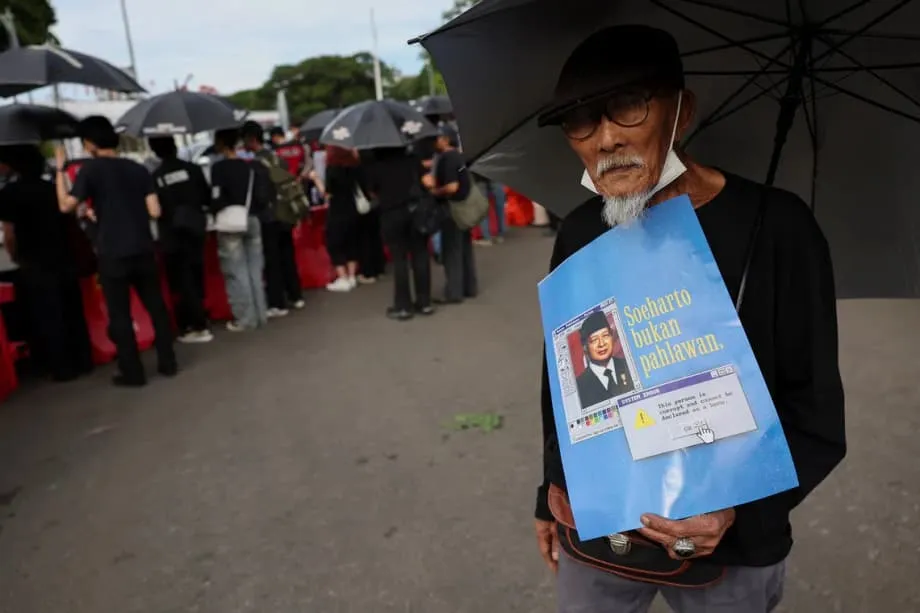
A Heroes Day Decision Stirs Anger in Jakarta
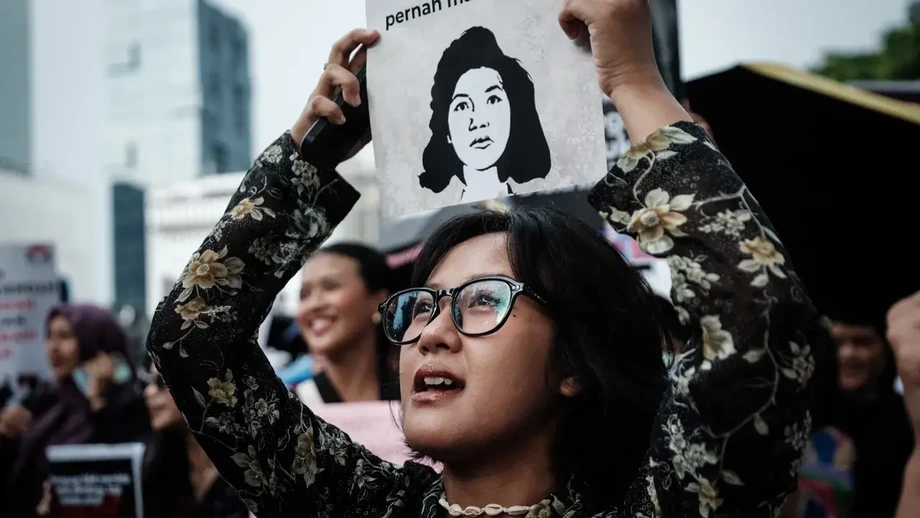
Around 100 activists gathered in central Jakarta near the presidential palace to demand that Indonesia abandon plans to name former president Suharto a national hero. His name is among 49 nominees advanced by the Social Affairs Ministry and the Culture Ministry for recognition in 2025. President Prabowo Subianto is reviewing the list ahead of an announcement on 10 November, Indonesia's Heroes Day.
Contents
- A Heroes Day Decision Stirs Anger in Jakarta
- How the National Hero List Reaches the President
- The Dispute Over the Legal Standard
- The Violence Behind the Opposition
- Families Say Recognition Would Deepen Their Pain
- Supporters Point to Military Service and Growth
- A Public Appeal to Prabowo
- From the New Order to the November Deadline
- What the Honor Would Mean for Historical Memory
- Other Nominees Reflect Different National Values
- What to Know
As of 7 November, the decision remained with Prabowo. The nomination has reopened a dispute over how Indonesia should remember its second president, who ruled for 32 years under the New Order before resigning in May 1998 amid the Asian financial crisis, weeks of demonstrations led by students and deadly riots in Jakarta.
Amnesty International Indonesia and the Commission for the Disappeared and Victims of Violence, known as KontraS, were among the groups opposing the honor. Protesters carried placards reading "Stop the Whitewashing of the General of Butchery" and "Thousands Died But The Country Chose to Forget." They described the nomination as an attempt to rewrite history and argued that a leader associated with severe abuses and vast corruption networks should not become an official model of public service.
How the National Hero List Reaches the President
The title Pahlawan Nasional Indonesia, or national hero, is Indonesia's highest formal recognition for extraordinary service to the state and its people. Most recipients receive it after their deaths. Nominations typically begin with citizens or regional leaders, then pass through the Social Affairs Ministry's research and review team for titles.
The Council for Titles, Decorations, and Honors evaluates the recommendations before the president approves the final list. Culture Minister Fadli Zon chairs the council that submits the shortlist to Prabowo. Officials say the process examines candidates' backgrounds, contributions and historical records through several rounds of academic and community review.
The 2025 list contains 49 names: nine proposed in previous years and 40 new submissions. Officials have placed 24 nominees on a priority list based on the strength of their documentation and national contribution. Some candidates have been proposed repeatedly. The council says submissions come from across Indonesia and that it continues to seek balanced representation.
State Secretary Prasetyo Hadi said Prabowo holds the sole authority to choose the final lineup and will finalize it by 10 November. The shortlist is therefore still a set of recommendations awaiting the president's decision.
The Dispute Over the Legal Standard
Indonesian law requires more than a record of contributions for the national hero title. A recipient must also be regarded as a moral example who embodies social justice and stands with the public. Rights advocates say this ethical requirement is central to their objection to Suharto.
Usman Hamid, executive director of Amnesty International Indonesia, told reporters that the values required by the law conflict with Suharto's record. He described the standard and why he believes the former president fails it:
The law states that a hero must possess moral exemplarity, must have moral integrity, and must embody the qualities of social justice, humanitarian justice, and being on the people's side. Now, if those values are applied to Suharto being given the title of national hero, those values are precisely contradicted.
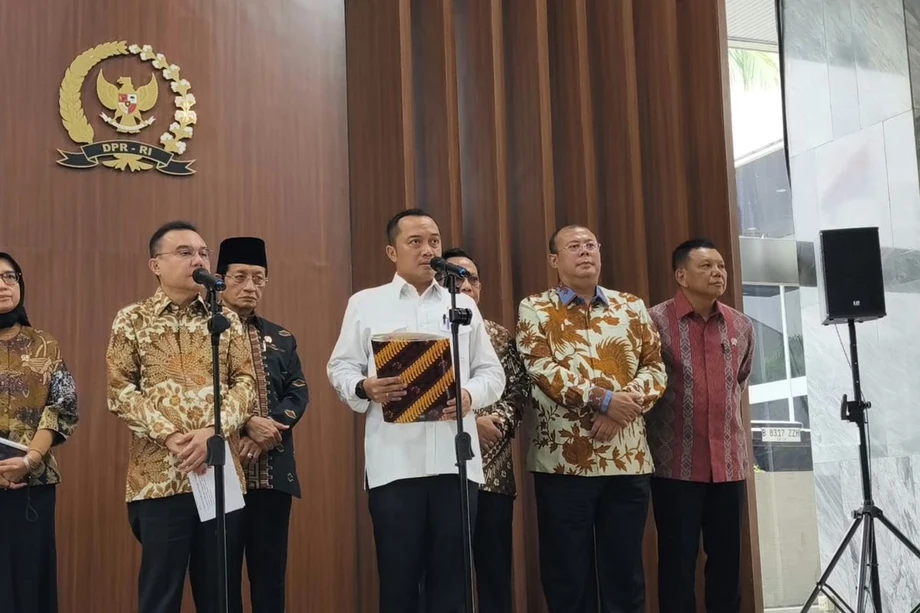
Fadli Zon defended the government's handling of the nominations. He said public views and academic research are considered before the council sends its recommendations to the president, and that candidates have passed the required reviews:
The process includes public input and all candidates meet the requirements.
The disagreement concerns what the honor asks Indonesia to celebrate. Officials point to a completed review process and qualifying contributions. Opponents argue that the moral requirements must be weighed against the treatment of people during Suharto's rise and rule.
The Violence Behind the Opposition
Suharto rose to prominence after a failed coup in late 1965 that was blamed on communists. The army and allied militias then detained and killed hundreds of thousands of people. Historians and rights groups commonly cite at least 500,000 deaths, with some estimates approaching one million. Suharto was a key military commander during that period and soon consolidated control of the state.
The New Order restricted political opposition, maintained a powerful security apparatus and tightly managed the press. The government banned the communist party, curtailed dissent and sent security forces to quell unrest. Civil society groups say an official declaration of heroism risks normalizing the violence associated with that era and burying demands for truth and accountability.
Students led large demonstrations demanding change toward the end of Suharto's rule. In 1998, troops and paramilitaries were accused of violent crackdowns. Families continue to seek answers about abductions and deaths. Critics argue that honoring Suharto would minimize those events and weaken efforts to teach the darker parts of Indonesia's past.
Survivors and their families describe wounds that remain open long after the New Order ended. Their objections concern both the public honor and the unfinished work of securing acknowledgment and justice.
Families Say Recognition Would Deepen Their Pain
Maria Catarina Sumarsih, whose son was killed during a protest in 1998, has been a central figure in weekly Thursday vigils calling for justice for the disappeared. She said celebrating Suharto would add to the pain of families still waiting for truth and accountability. Her response placed honesty at the center of national unity:
National unity should be built on honesty, not lies.
Virdinda La Ode Achmad, a researcher with KontraS, questioned the nomination while memories of repression remain raw. He linked the proposed honor to the circumstances in which Suharto's rule ended:
If he deserves to be a hero, why did he step down and why did the New Order have to be overthrown?
Other survivors and relatives described lasting trauma from imprisonment, disappearances and intimidation during the New Order. Organizers said the nomination sends the wrong signal to victims, survivors and students who learn from official accounts of history.
Families fear that making Suharto a model of service would make acknowledgment of past wrongs harder to obtain. They also worry that future generations would find it more difficult to understand what went wrong. For them, recognition and accountability remain connected: the state would be celebrating the most powerful figure of an era whose victims are still seeking answers.
Supporters Point to Military Service and Growth
Suharto's supporters cite his earlier military record, including his leadership role in the March 1, 1949 General Offensive during the Dutch military campaign. They also point to his involvement in the campaign that led to the integration of West Irian with Indonesia in the 1960s. Their case presents him as a soldier who helped defend the republic before becoming a leader associated with economic expansion.
Supporters highlight stability and growth during the first two decades of his administration. Inflation was brought under control after the 1960s, infrastructure expanded and basic services improved. Critics say those gains came at the cost of civil liberties and independent institutions, while networks of political patronage allowed corruption to flourish.
Some political figures argue that granting the title could advance national reconciliation by acknowledging contributions while recognizing mistakes. Opponents say reconciliation requires an honest accounting of abuses and concrete steps toward justice, rather than an accolade for the leader who held the greatest power.
The two positions give different answers to the same practical decision. Supporters want Suharto's military and economic contributions recognized through the title. Opponents insist that the ethical standard for a national hero must account for repression, corruption and the experiences of victims alongside those contributions.
A Public Appeal to Prabowo
Hundreds of activists, academics and civic leaders signed a public letter urging Prabowo to reject Suharto's nomination. The appeal reached the palace, catalogued abuses under the New Order and warned that granting the honor would harm the strengthening of Indonesia's democracy after authoritarian rule.
The signatories argued that the award would undermine both victims and the reform movement that followed Suharto's departure. Their letter also warned about the message sent to younger Indonesians:
The awarding of the title of national hero to Suharto is not only a betrayal of the victims and democratic values, but also a betrayal of reform and a dangerous distortion of history for the younger generation.
Former attorney general Marzuki Darusman, who signed the letter, focused on the government's responsibility toward people affected by human rights violations. He described the risk of granting Suharto the title:
If Suharto is awarded national hero status, it will be a monumental neglect of and insensitivity toward the human rights violations.
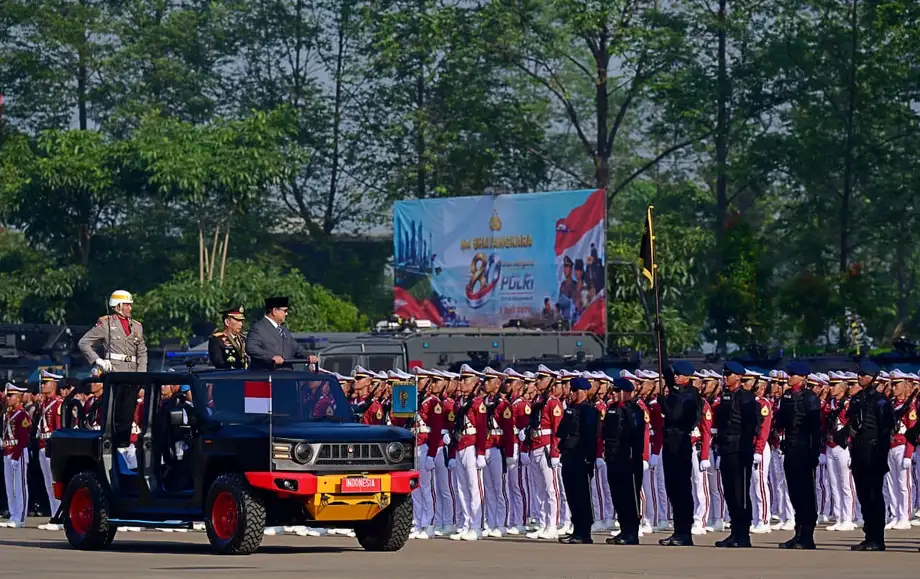
Prabowo was elected in 2024 after a campaign stressing security and economic growth. He is Suharto's former son in law and has spoken approvingly of the New Order. In office, he has relied on senior military figures to carry out parts of his agenda. Those connections form part of the political setting in which he is considering the nomination.
From the New Order to the November Deadline
Indonesia's debate brings together events spread across decades, from Suharto's military service to the collapse of his government and the current nomination. The main dates show why the proposed award reaches far beyond a single annual ceremony:
- March 1, 1949: Suharto played a leadership role in the General Offensive during the Dutch military campaign, an event cited by supporters of recognition.
- The 1960s: Suharto was involved in the campaign that led to West Irian's integration with Indonesia.
- Late 1965: A failed coup blamed on communists was followed by mass detention and killings carried out by the army and allied militias.
- 1993: Marsinah, a factory worker and labor organizer who is also on the 2025 nominee list, was kidnapped and murdered.
- May 1998: Suharto resigned during the Asian financial crisis after weeks of demonstrations led by students and deadly riots in Jakarta.
- 2024: Prabowo won the presidency after campaigning on security and economic growth.
- 7 November 2025: The proposed honor faced protests and appeals while Prabowo reviewed the shortlist.
- 10 November 2025: The president is due to announce the final national hero lineup on Heroes Day.
The dispute has unfolded alongside periodic public protests over living costs and political privilege. The choice will also shape perceptions of how the administration balances its calls for stability with demands for accountability.
What the Honor Would Mean for Historical Memory
Teachers, historians and activists warn that official honors help shape the stories students learn and the figures the public celebrates. Titles and monuments can influence textbooks, films and commemorations. Their concern is that recognition for Suharto would encourage an account that sidelines victims and presents mass violence as an acceptable price for order.
A coalition of domestic and international civic groups said the proposed award would damage Indonesia's standing on human rights and hurt survivors still seeking redress. The coalition set out its objection in these terms:
Granting the title of national hero to a perpetrator of crimes against humanity would be a betrayal for victims and survivors of past human rights violations, many of whom have yet to receive recognition, justice, or reparations.
Supporters sometimes argue that Indonesia needs a more balanced portrayal of its past leaders, recognizing their achievements and failures. Critics respond that such a balance must begin with truth. They want credible investigations completed, abuses acknowledged and commitments made to prevent their recurrence before honors are awarded.
Survivors and their families also fear a deeper culture of impunity, in which people responsible for abuses escape accountability. They argue that honoring Suharto would weaken the promise of reform that followed 1998. Their demand is for historical recognition that includes the people harmed under his rule.
Other Nominees Reflect Different National Values
Former president Abdurrahman Wahid, widely known as Gus Dur, is among the other nominees for 2025. So is Marsinah, the factory worker and labor organizer kidnapped and murdered in 1993. Their inclusion brings pluralism, labor rights and the rule of law into the same decision as Suharto's nomination.
Gus Dur's nomination represents a different strand of Indonesia's history, associated in this debate with inclusion and respect for civil society. Marsinah's story directs attention to the dignity and safety of workers. Both offer a counterpoint to the New Order narrative and the arguments being made for Suharto.
The council says it seeks balanced representation through nominations submitted from across the country. Prabowo's selections will determine which of those different histories receive the state's highest formal recognition this year. Honoring Marsinah would signal a commitment to workers, while honoring Gus Dur would highlight inclusion. Honoring Suharto would send a different message because of the abuses and unresolved demands for justice associated with his rule.
For the activists outside the palace, the immediate request remains specific: remove Suharto from the final list. The government maintains that the nominees have met the requirements, and Prabowo is due to make his choice by Heroes Day. Victims, supporters and other Indonesians now await a decision about whom the state will hold up as examples of service.
What to Know
- Around 100 activists protested near the presidential palace in central Jakarta against Suharto's national hero nomination.
- The 2025 shortlist contains 49 nominees, including 24 priority candidates, nine previously proposed names and 40 new submissions.
- President Prabowo Subianto has the final authority and is due to announce the selections on 10 November, Heroes Day.
- Rights groups say Suharto's record of abuses and corruption conflicts with the title's moral requirements.
- Culture Minister Fadli Zon says public input and academic review are part of the process and all candidates meet the requirements.
- Supporters cite Suharto's military service, stability and economic growth during the earlier decades of his rule.
- Survivors and families continue to seek truth and accountability for imprisonment, disappearances and deaths.
- Other nominees include former president Abdurrahman Wahid and murdered labor organizer Marsinah.