Cheap Clothes, Factory Jobs and a Tougher Crackdown
Indonesia's crackdown on imported used clothing has put 19,391 seized bales, valued at more than 112.3 billion rupiah, or about US$7 million, at the center of a dispute over affordable fashion and industrial survival. Confiscated from warehouses across West Java, the goods illustrate the scale of a trade that authorities want to stop before it reaches market stalls and online shops.
Contents
- Cheap Clothes, Factory Jobs and a Tougher Crackdown
- What Indonesia's Ban Actually Covers
- How Enforcement Reached This Point
- Stopping Supplies Before They Reach Stalls
- Why Buyers Keep Returning to Senen
- Online Selling Extends the Trade
- Factories Want Customers Back
- Warehouses Reveal an Organized Supply Chain
- Health Concerns Meet the Case for Reuse
- What Support for Legal Alternatives Could Include
- A Regional Problem With Local Stakes
- Key Points
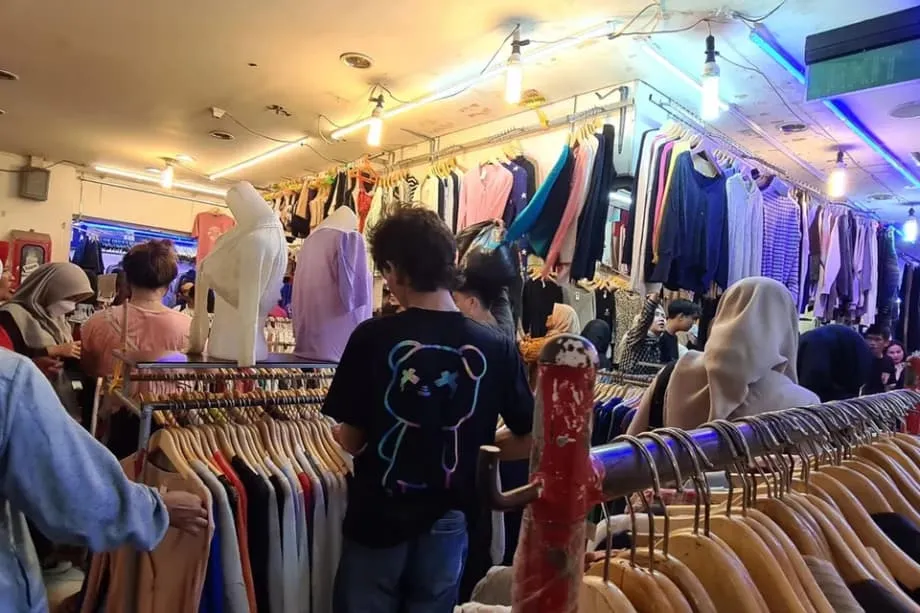
As of November 4, 2025, thrift sellers and shoppers in Jakarta are pushing back against stronger enforcement. At Senen market in Central Jakarta, low prices and unusual designs continue to attract buyers whose budgets are squeezed by inflation. Japanese and Korean streetwear styles are part of the appeal, especially when shoppers cannot find comparable clothes from local brands at prices they can afford.
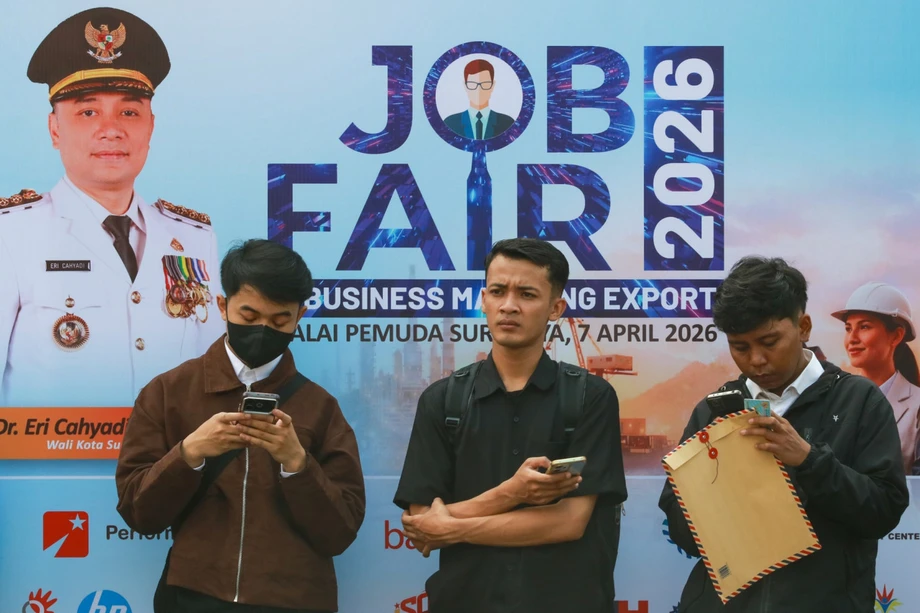
Manufacturers see the same trade differently. Industry figures describe at least 60 textile factory closures between 2022 and 2024 and an estimated quarter million jobs lost during that period. Producers say cheap imports, including used garments entering illegally and often without tax payments, take sales away from Indonesian businesses.
The government has long prohibited imports of used garments and footwear, although enforcement has varied. Over the past two years, authorities have increased raids, tightened port checks and destroyed seized bales. Officials cite consumer health, protection for micro, small and medium enterprises, and competition from unregulated goods as reasons for the campaign.
The dispute reaches beyond whether shoppers enjoy finding a bargain. Small retailers depend on the trade for income, families use it to stretch household budgets, and factories want customers to return to locally made clothing. The government's strategy is to interrupt illegal supplies while encouraging traders and consumers to move toward lawful alternatives.
What Indonesia's Ban Actually Covers
Law No. 7 of 2014 on Trade provides the legal foundation for restrictions on prohibited imports. The Trade Ministry reinforced those restrictions through a prohibition on imported used clothing and footwear in 2015 and Trade Ministerial Regulation No. 40 of 2022, which amended Regulation No. 18 of 2021.
Indonesia bans the import of used apparel, while allowing people to buy and sell used garments sourced within the country. A garment collected from an Indonesian owner for resale belongs to a different supply chain from a compressed bale brought in from abroad. That difference is central to the options available to thrift retailers.
Imported bundles, commonly called balpres, can contain the stock that eventually fills racks in traditional markets. Common source countries include Singapore, Malaysia, Vietnam, Thailand, South Korea, Japan and China. Complex shipping routes and inaccurate declarations about what a shipment contains make the movement of these goods difficult to monitor.
Officials say smuggled used clothing has taken a large share of the apparel market, deprived the state of tax revenue and weakened demand for domestic products. Public health and safety are also stated purposes of the restrictions, alongside support for local businesses and protection against unfair competition.
How Enforcement Reached This Point
Indonesia's current campaign follows years of uneven enforcement. Major seizures were reported in 2023 and 2025, while newer rules and proposed penalties seek to make illegal importing more costly.
- 2014: Law No. 7 on Trade established the legal backbone for restrictions on prohibited imports.
- 2015: The government introduced a prohibition on imported used clothing and footwear. The older ban lacked clear penalties, limiting its deterrent effect.
- 2021 and 2022: Trade Ministerial Regulation No. 18 of 2021 was amended by Regulation No. 40 of 2022 to maintain the restrictions.
- 2023: Authorities reported major seizures of imported used clothing as enforcement intensified.
- 2025: Large seizures exposed distribution networks involving ports, transport routes and warehouses, including storage hubs in West Java.
The Trade Ministry has worked with intelligence and law enforcement agencies to follow goods from entry points to warehouses. Customs officials have increased inspections and interceptions at major ports and along routes commonly used for smuggling.
Stopping Supplies Before They Reach Stalls
Trade Minister Zulkifli Hasan described the campaign as an upstream strategy. In practical terms, that means targeting the beginning of the distribution chain, such as ports and logistics centers, before clothing moves to wholesalers, market traders and online sellers.
Zulkifli said cutting supplies at those points would reduce the need for raids in traditional markets. Explaining how the government intended to disrupt the trade, he said:
If the upstream stops, the retailers will stop too.
Finance Minister Purbaya Yudhi Sadewa has called for tighter oversight and stronger penalties. He said the government plans to blacklist importers involved in illegal used clothing, expand fines alongside the destruction of goods, and pursue imprisonment for severe violations.
Purbaya also said enforcement would focus on ports rather than direct raids on small traders. The proposed blacklist would exclude offending importers, while fines and possible imprisonment would add consequences beyond losing a shipment.
Purbaya argued that the state should not legitimize a supply chain that damages domestic businesses. Explaining his opposition to legalizing the trade, he said:
Why should something illegal be legalized when it harms local industries.
No implementation date was given for the planned blacklist and expanded penalties. For retailers, the emphasis on ports still carries a practical consequence: stopping goods at the border would reduce the inventory available in markets even without an officer visiting every stall.
Why Buyers Keep Returning to Senen
Senen's appeal combines price with choice. Shoppers search racks for distinctive pieces, including Japanese and Korean styles that can be difficult to find in local stores. Some repair or tailor their purchases, extending a garment's useful life while creating a look of their own.
Students and families with low incomes can buy quality pieces at a fraction of the price of new clothing. Uniforms, children's clothes, workwear and seasonal purchases all compete for limited household money. For these customers, thrift shopping is a way to manage everyday expenses as well as an interest in fashion.
Retailers earn their living by sorting, cleaning and repairing garments before selling them at prices that fit local budgets. The search for retro denim or a particular streetwear design also supports small businesses that offer tailoring and mending.
Local brands can be more expensive and may lack the cuts, fabrics, prints or designs customers want. That combination helps explain why the trade remains resilient: a shopper looking for a particular style may find imported used clothing both cheaper and more appealing than the new alternatives available nearby.
When imported supplies disappear, stall owners struggle to replace that variety. Some have turned to clothing collected locally through consignment, where an owner lets a shop sell an item on their behalf, or buyback programs. Many traders say those channels provide less stock and a narrower selection.
Other retailers have tried selling local brands, but matching customer tastes without increasing prices remains difficult. A shift in sourcing therefore involves more than substituting one bale for another. Sellers need enough suitable clothing at prices that allow both their businesses and their customers to manage.
Online Selling Extends the Trade
Instagram, TikTok and marketplace apps have expanded thrift selling beyond individual markets. Sellers advertise new batches of stock, often called drops, and use live streams to model garments and answer questions from potential buyers.
Couriers connect rural customers with urban inventories, allowing clothing to move quickly between cities. A seller's customer base can extend far beyond the people able to visit a stall in Jakarta.
Digital distribution adds another layer to enforcement. Stopping a shipment at a port can affect stock sold through both physical shops and online accounts, while inspecting individual market stalls reaches only part of the retail network.
Proposals for online marketplaces include screening listings for illegal imports and giving greater visibility to verified resellers who obtain used clothing domestically. Clear information about garment origin would also help buyers understand where an item entered the resale chain.
Factories Want Customers Back
Local textile manufacturers say cheap imported used apparel reduces demand for new garments and, in turn, orders for the raw materials and accessories needed to make them. Industry groups describe smuggling as a pressure on factory operations and their ability to keep production running at capacity.
Holiday shopping is a particular concern. Families traditionally buy new clothes before major celebrations, but producers say sales during those periods have thinned as more consumers choose thrift purchases.
Scores of factories have closed since the pandemic. The industry estimate of at least 60 closures and roughly 250,000 lost jobs between 2022 and 2024 shows the scale of the sector's difficulties. Sritex Group, a major manufacturer, entered bankruptcy and laid off thousands of workers.
Business groups support action against illegal imports because they see an opportunity for domestic brands and suppliers to regain sales. They also acknowledge that small thrift retailers need assistance to move toward lawful goods sourced locally.
Officials have discussed tighter import controls on finished textiles alongside incentives to modernize production, improve design variety and lower costs. Supporters of a balanced approach argue that local clothing must appeal to customers on both style and price if buyers are to move away from illegal imported stock.
Those proposals connect the factory debate to the market stall. Manufacturers need orders, retailers need saleable inventory, and customers need affordable clothes they want to wear. Stronger enforcement addresses the incoming supply, while production and design measures address what buyers can purchase instead.
Warehouses Reveal an Organized Supply Chain
Large seizures in 2025 highlighted the organization behind the trade. Authorities traced goods shipped from South Korea, Japan and China through warehouses in West Java, pointing to a network that connects ports, trucking routes, storage facilities and traditional markets.
Textile associations have urged investigators to identify the people who organize shipments, handle payments and control wholesale distribution. Their call is to pursue the organizers behind the network as well as seize clothing stored in warehouses.
Enforcement focuses on entry points including Tanjung Priok Port, routes along the Malacca Strait and routes in Kalimantan. Customs and the Navy have cooperated on seizures at sea and in ports. Officials say many packages originate in Malaysia and pass through smaller ports and warehousing hubs before reaching retailers.
International trade databases still record used clothing transactions under HS Code 630900. An HS code is a category used to classify goods in trade records. Entries for 2024 and the first half of 2025 indicate continuing shipments despite Indonesia's prohibition, suggesting inaccurate declarations or movement through intermediate destinations that can obscure where goods ultimately go.
Blacklists, fines and imprisonment are intended to strengthen deterrence beyond the destruction of seized goods. Monitoring at the border is also meant to reduce the need for disruptive raids in city markets, while investigations into payments and wholesale distribution could reach the people directing the trade.
Health Concerns Meet the Case for Reuse
Officials warn that imported used garments can carry unknown residues and may enter the country without adequate cleaning, disinfection or sanitation controls. Consumer safety is one of the government's stated reasons for drawing the legal boundary at imports.
Domestic sourcing gives authorities a supply chain they can inspect within Indonesia. Businesses can be inspected and licensed, while sellers can explain how clothing was collected and processed. Clear cleaning procedures and traceable origins are part of the proposed approach to lawful resale.
Reuse advocates focus on a different benefit: keeping garments out of landfills and reducing demand for new production, which consumes water and energy. Repairs and alterations can extend the life of clothes already in circulation.
A controversy in 2023 showed how complicated those systems can become. Shoes intended for a recycling program in Singapore appeared in Indonesian used clothing markets after leaks in the supply chain. Companies involved issued apologies.
The episode highlighted the need for oversight of collection, recycling and resale arrangements. For Indonesia, the environmental case for using clothing longer sits alongside government concerns about health, illegal imports and losses suffered by domestic producers.
What Support for Legal Alternatives Could Include
Policy proposals combine stronger action against smuggling with support for legal domestic resale and manufacturing. Border controls, blacklisting repeat offenders and investigations into the financial networks behind shipments form the enforcement side.
Support for small businesses could include sanitation standards for clothing collected inside Indonesia, training to help traders work with local brands, and microfinance for repair and upcycling services. Upcycling means turning an existing garment or material into something with a new use or design.
Local producers would also need to respond to the variety shoppers seek. More flexible production runs, faster design cycles and prices suited to tight budgets could help brands compete with the distinctive selections found in thrift stalls.
Tax incentives for modern machinery are among the suggested ways to help factories make smaller batches. Such production could allow more varied designs without requiring every retailer to stock large quantities of the same item.
Consumer measures discussed include clear labels describing garment origin and cleaning, simple ways to report suspicious listings, and public campaigns explaining health and economic risks associated with illegal imports. Marketplace checks could accompany these efforts.
The aim is to give shoppers reasons to choose legal stock willingly. Affordable, varied domestic clothing and a stronger local resale market would preserve some of the creativity and individuality that make thrifting attractive while supporting lawful businesses.
A Regional Problem With Local Stakes
The Philippines has prohibited commercial imports of used clothing since the 1960s, yet the trade continues there under the name ukay ukay. Across Southeast Asia, governments face a similar tension between access to affordable garments and protection for domestic industry.
Internationally, used fashion is growing with help from social media and resale platforms. Campaigners also warn about textile waste flowing to developing countries and the resulting pressure on waste systems.
Indonesia's response seeks to curb smuggling while building more attractive lawful alternatives. Sustained border enforcement, targeted support for small retailers and stronger local brands are the main elements discussed.
For Senen's traders and their customers, the outcome will be felt in daily transactions: what stock is available, how much it costs and whether selling or buying it still fits a limited budget. For manufacturers and workers, it will be felt in orders, production and jobs. The immediate challenge is to protect health and domestic employment without removing an affordable source of clothing before legal replacements can meet demand.
Key Points
- Indonesia prohibits imported used clothing under the 2014 Trade Law and Trade Ministerial regulations, while allowing resale of clothing sourced domestically.
- Authorities seized 19,391 bales valued at more than 112.3 billion rupiah, about US$7 million, from warehouses across West Java.
- Zulkifli Hasan described a strategy focused on stopping supplies at ports and logistics hubs before they reach retailers.
- Purbaya Yudhi Sadewa proposed importer blacklists, expanded fines and imprisonment for severe violations, with enforcement focused on ports.
- Senen's thrift trade remains popular because of low prices, distinctive styles and pressure on household budgets.
- Industry figures describe at least 60 factory closures and approximately 250,000 lost jobs between 2022 and 2024.
- Authorities and textile associations are targeting distribution networks linking foreign shipments, warehouses, payments and wholesale trade.
- Proposed support includes domestic resale standards, help for small traders, more varied local production and checks on online listings.
- Reuse offers environmental benefits, while officials cite sanitation risks and damage to domestic businesses as reasons for the import ban.