Hiring grows where factories and households need new skills
China's new materials industry recorded a 66.7 percent increase in job postings from July to September 2025 compared with the same period a year earlier, leading all sectors in third quarter recruitment figures from a major hiring platform. Pet care postings rose 43.7 percent, with demand for veterinarians climbing 128.2 percent and openings for groomers increasing 67.3 percent.
Contents
- Hiring grows where factories and households need new skills
- What the third quarter figures tell us
- Why advanced materials need more workers
- From a laboratory result to a dependable production line
- Pets drive spending on treatment, grooming and products
- Older residents need care closer to home
- AI and new energy sustain technical recruitment
- Stable unemployment can coexist with difficult job searches
- Practical experience matters for workers and employers
- The Bottom Line
Those gains stand out in a job market where headline unemployment looks relatively stable but many workers remain uneasy. China's urban unemployment rate was 5.2 percent in September, down from 5.3 percent in August. Surveys and social media discussions continue to reflect concern about layoffs and pay cuts in parts of technology, property and traditional manufacturing.
New materials and care services are growing for different reasons. Manufacturers need engineers, laboratory technicians and production specialists to develop and make advanced batteries, electronics and specialty chemicals. Households are spending on veterinary treatment, grooming and support for older relatives, creating demand for workers whose jobs depend on practical skills and personal trust.
Recruitment in these fields reflects two changes taking place together: industrial upgrading and shifts in household spending. Industrial upgrading means moving toward more valuable products and more advanced ways of making them. Changing consumption is directing money toward health, companionship and entertainment.
As of October 27, 2025, the picture is therefore uneven. Average employment conditions feel subdued, while particular industries are seeking more staff. For job seekers, the useful question is which occupations are expanding and what skills employers need.
What the third quarter figures tell us
The recruitment platform's third quarter figures track demand for workers across manufacturing and modern services. New materials supplies industries including electric vehicles, energy storage, electronics, aerospace and green construction. Employers need people who can turn laboratory developments into reliable products made in large quantities at a manageable cost.
Pet care and elderly services reflect spending on health and daily life. Veterinary clinics and grooming businesses report steady traffic as more urban households treat pets as family members. Services for older people are expanding beyond residential facilities to include help at home, community support, rehabilitation and assisted living.
Digital entertainment is another growing niche. Short dramas made for mobile screens generate work for writers, editors, set designers and distribution managers. Services connected to companionship, health and entertainment include tasks that are difficult to replace with machines.
Job postings measure employers' interest in recruiting. Actual hiring can follow later, and a vacancy may appear more than once or remain open while a business builds a pool of possible candidates. Seasonal recruitment also affects the numbers. Large increases compared with the same quarter a year earlier nevertheless offer a useful indication of hiring intentions, particularly when considered alongside employment and production statistics.
The figures discussed here do not give a total number of vacancies or completed hires for the growing sectors. A percentage increase describes how quickly postings changed from an earlier level; it does not tell a job seeker how many positions are available.
Why advanced materials need more workers
New materials covers a wide range of products: advanced polymers, composites, specialty resins, engineered ceramics, thin films, and metals and alloys designed for demanding uses. Polymers include materials used in plastics and resins. Composites combine materials to achieve properties such as strength with lower weight.
Manufacturers use these materials to solve specific problems. They can make batteries safer and increase the energy stored in them, help electronics control heat, reduce the weight of aircraft parts while keeping them strong, and allow wind turbines to withstand harsh conditions for longer.
The drive to electrify transport and power, bring digital technology into industry and reduce emissions has made materials science a strategic field for manufacturers worldwide. China's policy push toward higher quality growth supports that direction. Official figures for 2024 show strong activity in high technology manufacturing and equipment production, alongside research and development spending that reached a record share of the economy.
Employers consequently need specialists who understand both science and production. Polymer chemists, electrochemists, experts in materials modeling and engineers who design manufacturing lines help take research beyond the laboratory. Electrochemistry, for example, concerns the relationship between chemical reactions and electricity, making it central to battery development.
Global materials suppliers illustrate the variety of work involved. Their adhesives, encapsulants and composite systems go into electric drive units, printed circuit boards, aircraft structures and sports equipment. Encapsulants surround components to protect them. Developing such products brings chemistry together with mechanical and electrical engineering to address heat, strength and durability. Chinese battery, electronics and clean energy companies face similar production challenges.
From a laboratory result to a dependable production line
Materials employers describe a practical combination of skills: strong scientific foundations and experience on the factory floor. A promising formulation must work repeatedly on a production line, where changes in temperature, mixing or processing can affect quality.
Engineers set process windows, the operating ranges within which a product can be made reliably. They also build quality systems to detect problems and keep production consistent. Experience moving from a small pilot line to mass production is valuable because the equipment, volumes and operating demands change.
The skills sought across new materials include:
- Process engineering, including design of experiments, statistical process control and root cause analysis.
- Polymer and resin formulation, rheology and curing chemistry for adhesives and composites.
- Battery materials knowledge, including cathode and electrolyte development, slurry mixing, coating, calendering and formation.
- Thermal management and reliability testing for electronics and power systems.
- Quality systems and certifications, failure analysis and supplier development.
- Experience taking products from pilot production to mass production.
Design of experiments is a structured way to test how different production settings affect results. Statistical process control uses measurements to spot unwanted changes, while root cause analysis seeks the underlying reason for a fault. Rheology concerns how materials flow; curing chemistry concerns how a formulation hardens.
Battery production requires its own practical knowledge. A slurry is a mixture used to coat electrode material, calendering compresses that coating, and formation prepares a cell through initial charging. Workers who understand these steps can help manufacturers control defects and make production more predictable.
Pets drive spending on treatment, grooming and products
Pet care is benefiting from what is often called emotional spending: discretionary purchases that provide comfort, companionship or health benefits. As incomes stabilize, some urban consumers devote part of their spending to those needs, with pets central to the shift.
Veterinary clinics, grooming salons, boarding facilities and specialty retailers are opening in residential districts and shopping centers. Brands are developing food, supplements and accessories tailored to an animal's breed, age and health conditions. That creates work both in shops and clinics and in the businesses supplying them.
Veterinarian postings rose 128.2 percent in the third quarter compared with a year earlier, meaning they more than doubled. Groomer postings increased 67.3 percent. Both occupations grew faster than pet care postings as a whole, which increased 43.7 percent.
Clinics compete for licensed veterinarians and veterinary nurses who can carry out wellness checks, surgery and imaging, as well as communicate with owners. Groomers need technical ability and customer service skills because repeat visits depend on the quality of the work and the customer's trust.
Recruitment extends to veterinary technicians, practice managers, trainers and behavior consultants. General and specialty clinics need clinical and management staff, while service chains and independent businesses need people who can provide consistent care and manage customer relationships.
Ecommerce adds jobs in digital marketing, online consultation, customer support, online pharmacy operations, logistics and supply chain management. Franchise development and location management are also part of expansion into physical premises.
Pet food and supplement businesses are recruiting formulation scientists, regulatory specialists and quality managers. Industry forecasts point to rapid growth in probiotics and functional nutrition for people and animals as research on gut health spreads and consumers seek products with targeted benefits. Probiotics are products containing microorganisms intended to support health. More selective customers and tighter standards increase the need for expertise in product development and compliance.
Older residents need care closer to home
China's population has begun to shrink, and older residents account for a growing share of it. Urbanization and the demands of working families are increasing the need for care available within communities and at home.
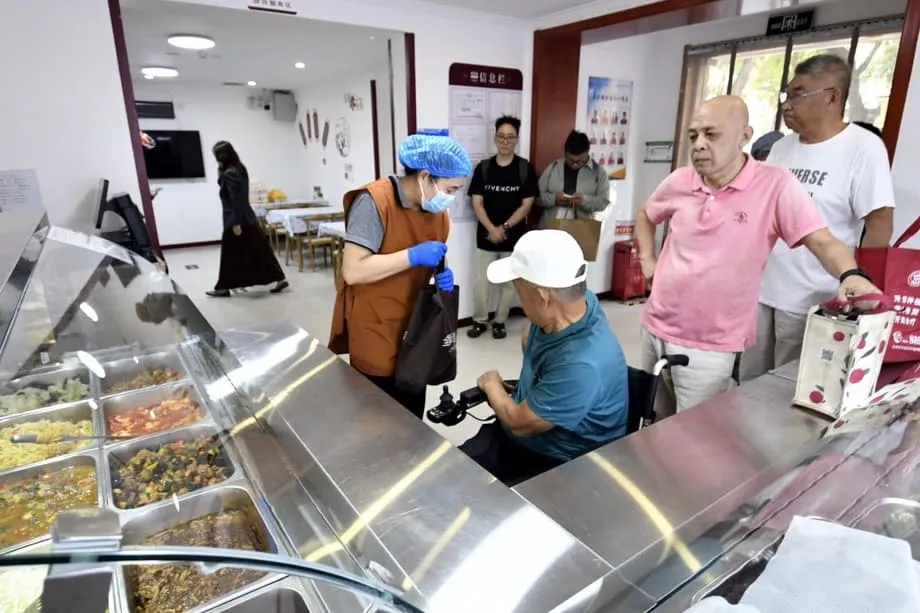
Elderly care is moving beyond a model centered solely on residential facilities. Home visits, community day services, rehabilitation centers, assisted living and services that combine medical treatment with everyday support offer different levels of help.
Local governments and private operators are building networks that bring together professional nursing, chronic disease management and companionship. Chronic disease management means helping people handle continuing health conditions through regular care rather than relying only on treatment when a problem becomes urgent.
Employers need nurses, rehabilitation therapists, care coordinators and managers with both basic clinical knowledge and customer service skills. Coordination matters because an older person may need several kinds of support, from rehabilitation appointments to help keeping track of medication.
Technology is becoming a larger part of these services. Devices can monitor vital signs at home, platforms can organize appointments and medication reminders, and remote consultations can connect patients with care providers. Such tools can reduce pressure on hospitals and families while supporting the staff who provide care.
The gap between demand and certified caregivers remains wide despite expanding training programs. The sector has long struggled to retain workers. Clear career paths, standardized credentials and transparent pay bands can help attract younger people and give them reasons to stay.
Experience in childcare shows the value of increasing standards and service capacity together. Care systems benefit from training based on demonstrated competence, regular renewal of qualifications, transparent pricing and connections with local health providers. Partnerships with vocational schools and hospitals can shorten the time needed to prepare new staff and reduce turnover.
AI and new energy sustain technical recruitment
Artificial intelligence is moving from trial projects into daily operations in factories and offices. Factory algorithms can identify defects, predict equipment failures, adjust process settings and plan the movement of materials. In offices, language models help workers complete routine tasks faster.
These uses create demand for people who can combine knowledge of their industry with an ability to work with data. Job descriptions increasingly include basic scripting, data visualization and familiarity with industrial software. Scripting means writing short programs to carry out tasks; visualization means presenting data in a form that people can understand and use.
Investment in advanced batteries, new energy systems and smart equipment also supports recruitment for technicians, engineers comfortable with data and quality specialists. Their work aims to improve productivity, reduce defects and shorten the time needed to bring products to market.
Battery manufacturers continue to expand new chemistries and production methods. Equipment makers require mechanical engineers, power electronics specialists and control engineers. Hydrogen, materials made from biological sources and new sensors are moving beyond research into pilot production and early commercial use, creating work for technicians and quality staff who can operate unfamiliar lines and measure performance reliably.
Official statistics for 2024 recorded growth in the amount China spent on research and development and in that spending's share of gross domestic product. High technology manufacturing and equipment manufacturing also posted solid gains. These developments help explain continuing recruitment in advanced manufacturing while consumer sentiment remains cautious.
Stable unemployment can coexist with difficult job searches
China created 12.56 million new urban jobs in 2024, according to official figures, while the average urban unemployment rate was near 5 percent. September 2025's reading of 5.2 percent continued a relatively stable headline pattern.
Younger job seekers nevertheless face intense competition for office roles. At the same time, employers report shortages of skilled technicians who can install, operate and maintain advanced equipment. The skills people offer and the skills businesses need do not always match.
University programs are still catching up with the practical software, automation and data abilities needed in modern factories. Companies can also underinvest in structured training because they worry that employees will leave, limiting the development of an experienced technical workforce.
Property market weakness and budget tightening add stress in affected sectors. Growth in new materials and care services stands out because these are areas where customer demand and investment continue, even while other businesses remain cautious.
Pay varies across the market. Technical positions in manufacturing and materials command higher wages as firms compete for scarce skills. Earnings in pet care and elderly services depend more on location, brand and skill level. Large service chains offer clearer promotion routes, and employers with credible training and pay progression find it easier to attract and retain staff.
Practical experience matters for workers and employers
Job seekers entering materials and manufacturing can strengthen their applications through practical internships, certification in statistical process control and documented projects using design of experiments. Employers want evidence that a candidate can apply technical knowledge to real production problems.
Pet care and elderly services place particular weight on credentials, supervised practice, communication and customer trust. Short courses covering data tools, quality methods or health basics can help candidates develop useful supporting skills.
Employers can address shortages by treating training as a continuing investment. Partnerships with vocational colleges, paid apprenticeships and transparent systems that connect pay to skills can reduce recruitment risk and turnover. Clear promotion routes encourage workers to stay and develop their abilities.
Training works best when it matches production lines and service procedures. Standardized credentials can show what a worker knows and connect that knowledge to pay bands. Mentoring and learning from colleagues can help retain experienced staff in the middle of their careers.
Companies that collect and share information on training outcomes can track gains in productivity and reductions in defects and staff departures. Those improvements usually help recover the cost of training. Across both advanced manufacturing and personal services, the common need is for people who combine sound foundations with demonstrated practical ability.
The Bottom Line
- New materials led third quarter job posting growth, rising 66.7 percent from a year earlier.
- Pet care postings increased 43.7 percent, with veterinarian vacancies up 128.2 percent and groomer openings up 67.3 percent.
- Elderly services are expanding into home and community care, rehabilitation and coordinated medical support.
- AI, batteries, new energy systems and advanced equipment continue to generate demand for technical workers.
- Urban unemployment was 5.2 percent in September 2025, down from 5.3 percent in August, while workers in some sectors remained concerned about layoffs and pay cuts.
- China created 12.56 million new urban jobs in 2024, but competition for office work coexists with shortages of skilled technicians.
- Practical training, recognized credentials and clear pay progression are central to filling vacancies and retaining workers.