3.08 million visitors, sharply different verdicts
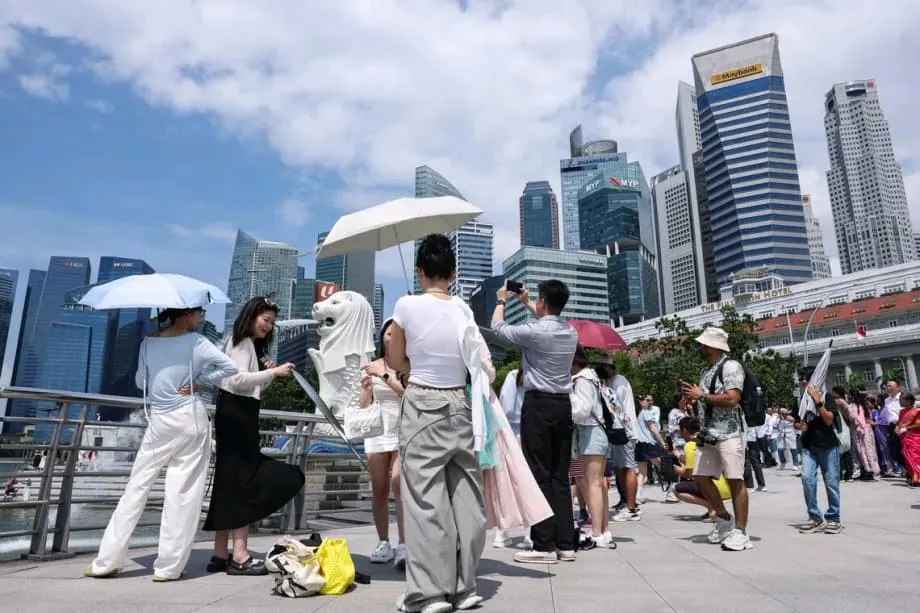
Singapore welcomed about 16.5 million international visitors in 2024, including roughly 3.08 million from mainland China. Chinese travelers were its largest visitor group, accounting for about 18.7 percent of arrivals. Yet the return of so many visitors has brought sharply different judgments about the same destination: safe, convenient and striking to some; hot, expensive and short on things to do to others.
Contents
- 3.08 million visitors, sharply different verdicts
- Safety and familiar sights remain powerful draws
- Visa access changes how people plan
- Families bring education into the itinerary
- Heat can turn a packed schedule into hard work
- Prices and food expectations divide visitors
- A compact city needs more than a familiar checklist
- Xiaohongshu shapes the trip before it begins
- Who visits, where they stay and what they buy
- Singapore's response is depth, nature and clearer value
- Practical choices for a more satisfying visit
- The Bottom Line
On Xiaohongshu, an app combining photo sharing and travel guides that appeals to a young, mobile audience, polished images of Jewel Changi Airport and Marina Bay appear alongside blunt accounts of disappointing holidays. The divide reflects different expectations of a compact city whose famous sights are easy to reach, but whose climate and prices can make an ambitious itinerary tiring or costly.
Mainland Chinese arrivals rose strongly from the previous year, although the recovery remained uneven compared with 2019. Bookings accelerated around Lunar New Year after Singapore and China began mutual visa exemption in February. A major travel platform recorded a 960 percent increase in Singapore bookings around Spring Festival compared with the same period a year earlier.
Singapore's appeal now reaches holidaymakers, business travelers, families considering education options and older visitors. Many Chinese tourists belong to the generations born in the 1980s and 1990s, while younger travelers use social platforms to plan and share their trips. Women make up a majority of Chinese leisure visitors, and seniors are becoming a larger part of the market.
Those visitors do not arrive with identical priorities. A family seeking easy transport and reassuring surroundings may value Singapore differently from a returning traveler looking for unfamiliar sights, or a food enthusiast expecting every widely promoted meal to justify its price.
Safety and familiar sights remain powerful draws
Singapore's order, greenery and skyline are central to its appeal. For many Chinese visitors, it offers an accessible first international trip in Southeast Asia. English is widely used, Chinese is common, transport is straightforward and neighborhoods feel well maintained.
Gardens by the Bay, Marina Bay Sands, the Merlion and Sentosa provide the views that fill travel feeds. Jewel Changi Airport's indoor waterfall gives arriving visitors an early encounter with the city's carefully designed attractions. These places deliver recognizable images that travelers have often seen long before booking.
Safety is another recurring compliment. A Chinese traveler posting on Xiaohongshu described seeing a smartphone left unattended in a crowded fast food outlet. The visitor presented the scene as an example of the security and trust she noticed during her trip:
This is Singapore. The owner of the phone is nowhere in sight, but their phone is still here.
Singapore's low crime rate, strict penalties for theft and extensive CCTV coverage support that sense of reassurance. For families, feeling comfortable moving around a city can matter as much as any individual attraction.
Everyday habits can also surprise newcomers. At hawker centers, where multiple stalls sell meals around shared seating, people sometimes use a tissue packet or wallet to reserve a table. Visitors may see those small acts as part of the same atmosphere of trust that makes the city feel manageable.
The appeal extends beyond individual examples. Travelers who want predictable logistics can find comfort in clear rules and their enforcement. A destination that feels orderly reduces the effort of navigating an unfamiliar place, particularly for families balancing sightseeing with children or older relatives.
Visa access changes how people plan
Since early February, Chinese nationals have been able to visit Singapore without a visa for up to 30 days. Removing the need to arrange a visa makes spontaneous travel easier, and searches and bookings increased after the policy announcement.
The booking pattern shows a mixture of advance preparation and decisions made close to departure. Data from a major online travel agency indicates that many Chinese visitors reserve flights and hotels from several days to a couple of weeks before traveling. More than two thirds of flight bookings are made at least eight days ahead, while many attraction tickets and day tours are bought only one day before use.
A traveler can therefore settle the main parts of a holiday first, then choose daily activities after seeing a post or arriving in Singapore. Packages combining flights and hotels remain popular, offering another way to arrange the essentials together.
The main developments span several periods:
- 2019 provides the comparison point for the recovery in Chinese travel, which has remained uneven.
- Early February brought mutual visa exemption between Singapore and China, allowing Chinese nationals visits of up to 30 days.
- The Lunar New Year and Spring Festival period saw a sharp booking surge, including a platform's reported increase of 960 percent from the previous year.
- Across 2024, mainland China supplied roughly 3.08 million of Singapore's approximately 16.5 million international visitors.
Singapore's transport and payment systems help make relatively short planning periods workable. The MRT, its urban rail network, connects most visitor corridors, while ride hailing fills gaps late at night. Wayfinding is straightforward, cashless payments are increasingly common, and mobile wallets popular in China are accepted by many merchants.
Accommodation ranges from budget hotels to luxury towers. Walking trails, waterfront parks and newer nature and heritage experiences can also be added to a trip without building an itinerary entirely around the headline attractions.
Families bring education into the itinerary
Singapore's universities add another dimension to family travel. Their high rankings in Asia attract Chinese parents interested in education, and families with teenagers often include campus visits alongside sightseeing. Some tour providers take visitors to the city's two flagship universities.
Those visits connect Singapore's educational reputation with its wider appeal as an orderly, polished place to live. For parents, a holiday can become an opportunity to consider a possible study destination while experiencing the city around it.
Students have occasionally complained about disruption from visiting groups. A university remains a place where people attend classes and work, even when its campus has become a stop on a tourist itinerary.
Families planning a visit should check public tour policies, use designated visitor areas and avoid entering classes without permission. Posted visitor rules and tours booked in advance can help tour providers accommodate interest while reducing friction with students.
Heat can turn a packed schedule into hard work
Singapore's position almost on the equator makes heat and humidity a regular part of the visitor experience. Travelers accustomed to the drier seasons of northern China may find the conditions particularly draining.
Long walks through Little India, Kampong Glam and Chinatown, or around Gardens by the Bay and Marina Bay, can become uncomfortable after midday. An itinerary that looks compact on a map may still involve extended periods outside in humid weather.
Visitors who adjust their schedule tend to cope better. Outdoor activities early in the morning or later in the day leave the hottest hours available for museums, malls, aquariums and other indoor attractions. Shaded routes, regular hydration and time to rest make it easier to enjoy the places between the major sights.
Evening activities offer another way to experience the city. Light shows, river cruises and hawker suppers allow travelers to spend time outside after the strongest sun has passed. Planning outdoor visits after 5 pm can help spread sightseeing across the day.
Singapore's tourism providers can respond with practical changes: shaded rest stops, more water refill points and later opening hours at outdoor sites. These measures address a complaint that influences how much visitors can comfortably do, rather than simply how they describe the weather.
Prices and food expectations divide visitors
Hotel prices during peak periods, attraction tickets for several family members and the cumulative cost of meals can all shape whether a trip feels worth the money. Casual meals cost more than in many regional cities, making food a particularly visible part of the value debate.
A Chinese food reviewer on Xiaohongshu attracted widespread attention after sharing photographs of popular local dishes and describing meals at well known establishments and hawker stalls. The content creator's assessment of their flavor and price was blunt:
Expensive and tasted bad.
Other Chinese visitors praise Singapore's hawker culture and its combination of Chinese, Malay, Indian and Peranakan flavors. The disagreement shows how much a food experience can depend on personal expectations, the venue selected and the crowds encountered.
Travelers following only viral restaurant lists may face long queues at tourist favorites and pay peak prices. Local recommendations often point toward neighborhood hawker centers, visits outside the busiest hours and a mixture of famous stalls and less widely known places.
Clearer explanations of signature dishes can help visitors choose meals suited to their tastes. Guidance on hawker center etiquette, introductions to family businesses and attention to a new generation of chefs reviving heritage recipes can give food stops more substance than a photograph and a queue.
Attractions face a similar challenge over value. Bundled tickets, quieter visiting periods and prices designed for families can make a busy itinerary more manageable. Visitors still need to match a pass to the places they actually intend to visit, rather than treating the number of included attractions as the main reason to buy it.
A compact city needs more than a familiar checklist
Many visitors can cover Singapore's best known sights in two or three days. That compactness is convenient on a first trip, but returning tourists who repeat the same itinerary may feel that there is little novelty left.
Joo Chiat's shophouses, the East Coast park network, Pulau Ubin's rustic trails and the Southern Islands offer different ways to spend time. Cycling, walking and short island outings change the pace from a sequence of skyline viewpoints and major attractions.
Heritage walks can explain migrant histories rather than simply lead visitors between attractive buildings. Neighborhood visits in Balestier, Geylang Serai or Tiong Bahru can combine temples, traditional trades and food. The Southern Ridges provide another option for a short nature escape.
These experiences require more planning than a list of highly photographed stops. Their appeal depends on choosing a neighborhood, activity or subject that interests the traveler, then allowing enough time to explore it.
The MRT sometimes becomes another point of disagreement. A Xiaohongshu user who filmed a crowded carriage during a peak festival period contrasted the experience with expectations formed on metro journeys elsewhere:
The MRT is genuinely noisy.
Some Chinese visitors find Singapore's trains more talkative than those in large Chinese cities, particularly when holiday crowds include excited children. Many commuters would regard the same scene as an ordinary busy day. Singapore has reminders to keep voices down, and commuters are generally tolerant.
A holiday week and a weekday morning can feel different. Avoiding peak travel hours may help visitors who dislike crowded, noisy journeys, while gentle reminders during holiday peaks can support both tourists and regular commuters.
Xiaohongshu shapes the trip before it begins
Xiaohongshu functions as a travel search engine for millions of Chinese users. Aspirational images, short captions and practical maps make it easy to assemble an itinerary, but they can also reduce a destination to a small collection of places and camera angles.
Jewel's Rain Vortex, the Merlion, Haji Lane's murals and the arch at Sultan Mosque recur across Singapore travel feeds. Their visibility inspires trips and helps visitors navigate, while also creating expectations of a carefully curated experience.
Repeated lists can concentrate crowds at a few photogenic locations. Less obvious experiences receive less attention, even when they would suit a visitor's interests better. Following versions of the same ten stops can make a return trip feel repetitive.
Searching beyond the first page, including searches in Chinese for specific interests, can bring up neighborhood food courts, parks, galleries and local music venues. Such choices may offer better value and fewer queues than the most heavily promoted routes.
Restaurants and attractions are adapting their marketing to this planning behavior. Local brands publish content on Chinese platforms, work with influential creators and encourage customers to share their experiences before the next group of travelers books.
Campaigns on Xiaohongshu and Meituan Dianping promote signature dishes, limited promotions and locations near popular routes. The aim is to reach Chinese visitors where they already research trips, then direct them toward venues that can deliver the flavor, service and atmosphere they expect.
For businesses, the opportunity comes with a practical responsibility. An appealing post may bring a customer through the door, but the meal, queue, price and service determine the judgment that customer shares afterward.
Who visits, where they stay and what they buy
Chinese visitors in 2024 were concentrated among people born in the 1980s and 1990s, with a rapidly growing group born in the 2000s. Women formed a majority of Chinese leisure travelers. Seniors also grew as a segment, reflecting a broader expansion of retirement travel in China.
Leisure accounted for roughly three quarters of visits, with business travel making up the remainder. Shanghai, Guangdong and Beijing were the largest source regions. The mix helps explain why Singapore attracts both short holidays built around recognizable sights and visits with other purposes.
Hotel demand leaned toward the middle and upper parts of the market. Properties rated four stars recorded particularly strong growth in both room nights and spending by Chinese travelers. A room night measures one hotel room occupied for one night, so it captures accommodation use rather than simply the number of guests arriving.
Spending priorities have also changed from the years before the pandemic. Chinese travelers have become more sensitive to prices for services and excursions, while showing greater willingness to buy goods or small treats.
Retail corridors have benefited from that pattern. Some attractions and paid experiences, meanwhile, face greater pressure to explain their prices and refresh what visitors receive. Clear packages, timed entry, bundles and activities with more detailed content are ways to make the value easier to understand.
Those preferences can coexist with demand for better hotels. Visitors may choose comfortable accommodation while scrutinizing a tour or ticket price more closely. Different parts of the same holiday budget are being judged on different terms.
Singapore's response is depth, nature and clearer value
Singapore's tourism planners describe an ambition for a varied portfolio of experiences that combines quality with sustainability. Newer green spaces, upgraded wildlife parks and neighborhood programs featuring food, art and culture already reflect that direction.
Expanding heritage trails and connected cycling and walking networks can place parks and waterfronts within a broader visit. The aim is to put nature and local history alongside the malls and dramatic views for which Singapore is already known.
The most concrete responses match the complaints: shade and water for heat, clearer pricing for value, and more detailed neighborhood experiences for visitors who have exhausted the familiar checklist. Food guidance and orderly campus visits address two other areas where expectations can meet friction.
No single kind of trip suits every Chinese visitor. Families, business travelers, seniors, younger users of social platforms and returning tourists bring different interests. A wider choice becomes useful when people can easily find experiences that fit those interests.
Practical choices for a more satisfying visit
Travelers can reduce several common frustrations before they arrive. Hotel location, the timing of outdoor activities and the choice of food stops often matter more to daily comfort than fitting every famous attraction into a short stay.
These adjustments keep the city's main draws accessible while making room for less familiar experiences:
- Schedule outdoor activities early or after 5 pm, with museums, malls or aquariums during the hottest hours.
- Check attraction passes, prices for families and discounts during quieter periods against the places you plan to visit.
- Try neighborhood hawker centers outside peak hours and ask stall owners about their signature dishes.
- Use the MRT for most journeys, while allowing for ride hailing at night when connections are sparse.
- Carry a refillable water bottle and use public water points to reduce spending on drinks.
- Check campus tour policies, remain in public areas and seek permission before entering lecture halls.
- Add a heritage walk, a ride along park connectors or a neighborhood cafe visit beyond the major attractions.
- Use mobile payments where accepted, but keep a physical card as a backup at smaller stalls.
- Book hotels early for peak periods and consider a location near an MRT line rather than paying primarily for a view.
Singapore's compact layout can work in a visitor's favor when the itinerary leaves time for meals, rest and exploration. Planning around the climate and looking beyond repeated social media lists can turn a rushed sequence of stops into a more varied holiday.
The Bottom Line
- Mainland China supplied roughly 3.08 million visitors in 2024, about 18.7 percent of Singapore's 16.5 million international arrivals.
- Visits without a visa for up to 30 days helped accelerate bookings after mutual visa exemption began in February.
- Safety, transport, familiar languages, iconic sights and education interests support Singapore's appeal.
- Heat, prices, food expectations and repetitive itineraries explain recurring complaints.
- Xiaohongshu helps travelers plan while concentrating attention on a small number of popular stops.
- Chinese visitors favor hotels in the middle and upper market, while scrutinizing spending on services and excursions.
- Neighborhoods, nature, clearer value and practical planning offer ways to improve the experience.