From a London living room to a three week Korean trip
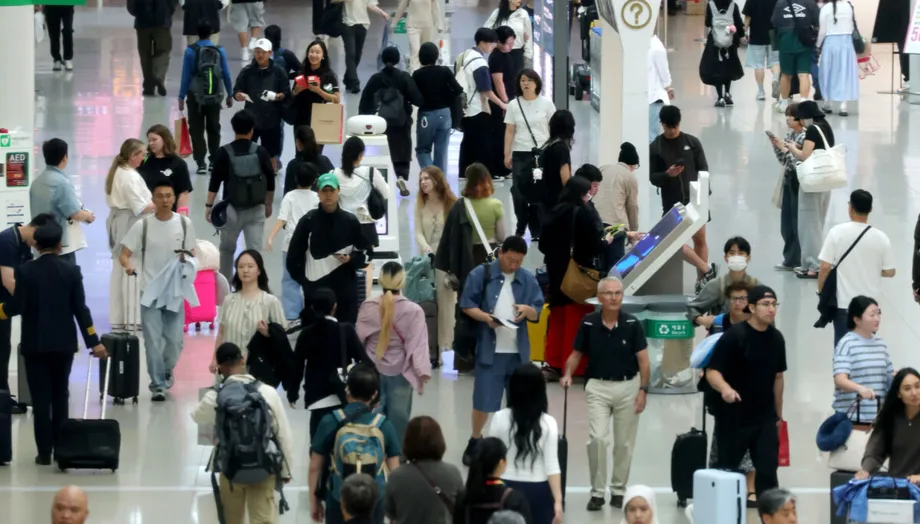
South Korea welcomed more than 16 million foreign visitors in 2024, up nearly half from the previous year. By July 2025, Seoul was recording a new monthly high of 1.36 million international visitors, according to city figures. Behind those numbers is a change in what brings people to the country: television dramas, pop music, beauty products and food are becoming the starting points for entire holidays.
Contents
- From a London living room to a three week Korean trip
- Drama fans follow stories into real streets
- Music tourism reaches beyond the concert stage
- Saunas, clinics and convenience stores join the itinerary
- Busan builds a tourism economy after dark
- Regional destinations gain their own cultural routes
- Officials turn cultural interest into tourism policy
- A timeline of culture and travel growth
- More visitors bring pressure on residential streets
- Who is arriving, and what makes the journey easier?
- Beauty tourism brings spending and social pressures
- What to Know
London author Polly Faber followed that route. During the first lockdown, she stumbled onto Crash Landing on You. Months of late night Korean drama viewing and a growing K pop playlist led to Korean lessons on her phone, participation in fan communities and a kitchen stocked with kimchi and spicy ramen. Two and a half years later, she booked three weeks in South Korea.
Faber backpacked between filming locations, joined food tours and found the places and flavors she had encountered on screen more vivid in person. Her journey captures how Hallyu, the name for South Korea's cultural wave, can turn interest in a story or song into language learning, shopping and eventually travel.
Visitors increasingly arrive with itineraries assembled from dramas, music videos, food clips and social media trends. Traditional package tours still have a place, but operators who once concentrated on bus circuits and shopping stops now report growing demand for experiences that feel personal. Food tours, calligraphy classes, filming location trails, K pop dance sessions and visits behind the scenes at studios sit alongside palaces and markets.
Animated entertainment is part of the same movement. The Netflix hit KPop Demon Hunters has inspired themed experiences and introduced specific Seoul landmarks to global audiences. When a show or soundtrack catches attention, searches for flights and hotels rise, turning cultural enthusiasm into a familiar pattern of travel demand.
Drama fans follow stories into real streets
Sunshine Land in Nonsan shows how a television setting can become a destination. The preserved set from the 2018 period drama Mr Sunshine recreates Seoul in the early twentieth century, with a tram line and buildings designed to resemble the period.
Guides describe visitors reacting emotionally when they recognize a backdrop from a show that helped them through a difficult time or encouraged an interest in Korean history. For those travelers, a set carries memories formed long before they bought a ticket to Korea.
Seoul offers a different kind of viewing trail. Fans of Queen of Tears, Reborn Rich and Vincenzo connect locations across Jongno, the Dongdaemun Design Plaza and palace stone walls. A familiar scene can become the reason to visit a neighborhood that otherwise might have been left off the itinerary.
Jennifer Zelinski, a visitor from the United States who discovered Korean dramas during the pandemic, described wanting to see Seoul in person. Her experience reflects the desire among some fans to connect the feeling of a show with the place itself.
A typical trip mixes those personal destinations with better known attractions. A visitor might begin at a palace or museum, continue to a filming location and finish with food first encountered on screen. Others organize their journey around a concert or an anniversary associated with an idol group.
Music tourism reaches beyond the concert stage
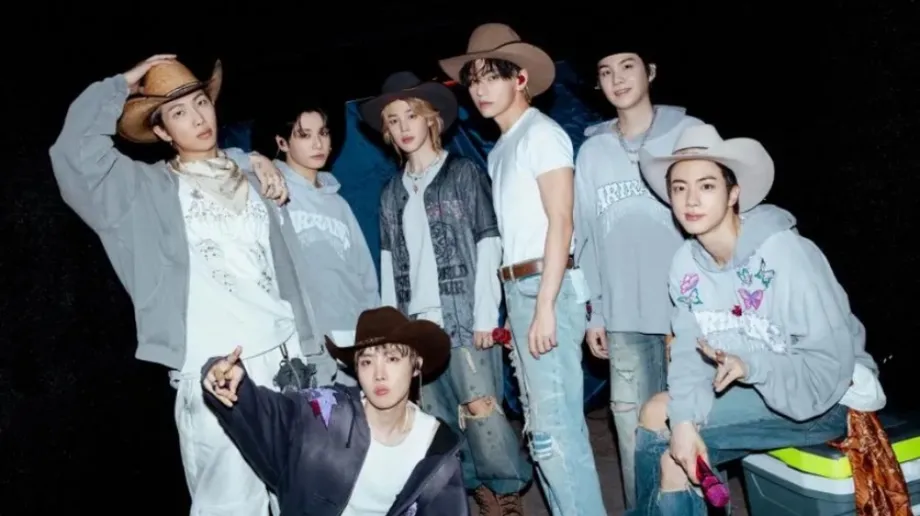
K pop tours take visitors through neighborhoods where performers lived as trainees, as well as studios, murals and cafes featured in fan content. These routes turn the history of a favorite group into a map of places to visit.
One operator reported that its BTS themed day tour in and around Seoul was booked out months ahead. Routes for fans of Seventeen and NCT 127 were also being developed, showing how operators are adapting experiences to different fan communities.
Concert travel spreads spending beyond a venue. Visitors need hotel rooms, meals and transport, and Seoul is investing in infrastructure intended to support a larger live music calendar. Seoul Arena, under construction in the northeast of the city, is planned as the country's largest dedicated K pop venue when it opens.
After visiting the construction site, Seoul Mayor Oh Se hoon described his expectations for the venue and its annual audience:
In a year and a half, Seoul Arena will transform into a world class concert destination that attracts top international artists. By providing world class infrastructure, we aim to draw 2.7 million visitors annually and serve as a major driver for the growth of K pop and Korea's pop culture industry.
The mayor's statement gives a relative opening horizon of a year and a half, rather than a calendar opening date. The annual figure of 2.7 million visitors is the city's ambition for the completed venue.
Saunas, clinics and convenience stores join the itinerary
Jjimjilbang saunas have become destinations for travelers interested in everyday Korean routines. Videos show visitors sleeping on heated floors, trying a full body scrub, cracking roasted eggs and drinking sweet rice punch. At busy saunas operating 24 hours a day in Seoul, staff report that foreign guests can account for a large share of weekend traffic.
Herbal medicine clinics are also receiving more international visitors for experiences such as acupuncture and cupping, sometimes after those treatments appear in dramas or animation. Alongside music and filming locations, wellness services are becoming a recognizable part of the tourism economy.
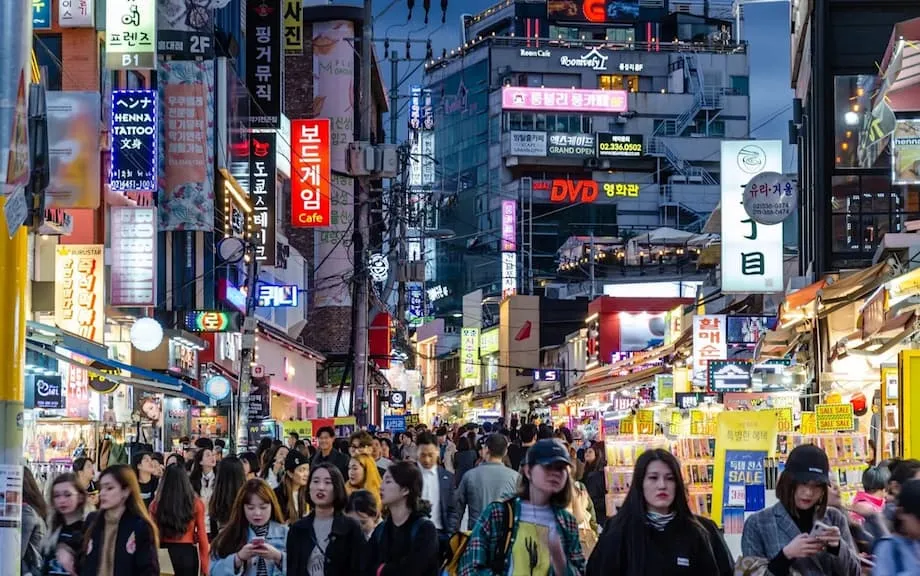
Convenience stores offer another accessible connection with life seen online. CU, GS25 and 7 Eleven attract visitors looking for quick meals, unusual snacks and K pop album displays. Shopping for ramen or a drink can become a planned activity rather than a stop between attractions.
Foreign spending at major convenience store chains rose more than 40 percent in early 2025. Stores in areas such as Myeong dong and Hongdae have stocked albums and limited edition snacks while adding services for travelers, including translation kiosks and currency exchange available around the clock.
TikTok and Instagram trends can quickly become visible on store shelves. Products featured in popular videos may sell out when fans arrive looking for them. The same connection between viewing and buying that brings tourists to Korea also influences what they purchase after arrival.
Beauty treatments, saunas and other wellness services are drawing more travel spending too. Activities once treated as optional extras now help shape the holiday itself, alongside concerts, food and sightseeing.
Busan builds a tourism economy after dark
Busan welcomed close to three million international visitors in 2024. The port city on South Korea's southeast coast is using culture, food and evening entertainment to give travelers reasons to stay beyond a brief daytime visit.
Gwangalli and Haeundae beaches host regular drone light shows and acoustic concerts, while a large fireworks festival draws massive crowds. These events form part of a wider night tourism program that connects the waterfront with places to eat, shop and spend an evening.
Millac The Market, a cultural complex near the waterfront, stays open late with food halls, music and design shops. Other attractions include the Blueline Park Sky Capsules along the coast and hillside photo locations in Gamcheon Culture Village.
A new Michelin Guide for Busan has widened attention to the city's food. Its culinary appeal ranges from dwaeji gukbap, a pork and rice soup, to fish cake, hotteok and a growing collection of bakery cafes. Late night color analysis studios add another connection with Korea's beauty culture.
The Visit Busan Pass combines admission and discounts at dozens of venues. By packaging several attractions together, the pass encourages visitors to explore beyond the central districts and make use of activities at different hours.
Regional destinations gain their own cultural routes
Pohang, better known for steel, has attracted fans of When the Camellia Blooms. Nonsan anchors trips linked to Mr Sunshine. Their appeal shows how a particular production can give a regional city a place on an international visitor's route.
Other destinations offer different combinations of history, scenery and food. Gyeongju draws travelers to tombs and temple sites. Jeonju combines hanbok rentals with traditional hanok houses and markets, allowing visitors to wear Korean traditional clothing while exploring the area.
Jeju Island remains popular for volcanic hikes, coastal drives and sashimi at fish markets. Together, these places offer reasons to build a journey around several cities rather than spend the entire visit in Seoul.
High speed trains, intercity buses and extensive subway networks make that possible. Rail connects Seoul with cities such as Busan, Daegu and Gyeongju, while also filling gaps where domestic flight options are limited. A traveler can combine a concert in the capital with regional food, filming locations or historical sites during the same trip.
Officials turn cultural interest into tourism policy
Seoul has installed 30 Seoul Spots guideboards at popular filming locations and design landmarks. Visitors scan a QR code to hear audio tours in several languages, adding context to a walk through places they may already recognize from a drama.
The stops include the Korea Stone Art Museum, featured in Queen of Tears, and the stone wall path at Deoksu Palace, seen in Reborn Rich. The guideboards connect entertainment with information about the places themselves.
Kwak Jae yeon, who leads the Hallyu content team at the Korea Tourism Organization, described the connection between cultural influence and tourism:
The rise of South Korea as a global cultural powerhouse has contributed to the appeal of Korean tourism.
At the national level, the government has launched a K tourism innovation task force bringing together ministries, transport operators, the tourism board, academics and private sector leaders. The group meets regularly to coordinate policy, improve visitor infrastructure, develop reasons to visit regional cities and encourage longer stays.
Experts involved in the work identify two priorities: more contemporary cultural content outside Seoul that appeals to younger travelers, and better connections between regions. The transport goal is straightforward: visitors should be able to arrive in Korea and continue easily by plane or train to several cities.
Policy designers connect those changes with an ambition to attract 30 million inbound visitors while reducing pressure on a few crowded neighborhoods. The practical challenge is to make regional travel appealing and convenient enough that visitors choose it as part of their main trip.
A timeline of culture and travel growth
The tourism shift has developed through productions, personal discoveries and a recovery in international arrivals. Several dates show how those strands have come together:
- 2018: Mr Sunshine introduced the period setting preserved at Sunshine Land in Nonsan.
- During the first lockdown: Polly Faber discovered Crash Landing on You, beginning an interest that led to a three week Korean trip two and a half years later.
- 2024: South Korea welcomed more than 16 million foreign visitors, Busan received close to three million, and Australian arrivals reached a record.
- Early 2025: Foreign spending rose more than 40 percent at major convenience store chains.
- July 2025: Seoul recorded a monthly high of 1.36 million foreign visitors.
South Korea's 2024 visitor total was nearly half higher than the previous year's figure. The increase shows the speed of growth, while the experiences attracting travelers show how the reasons for visiting are changing.
More visitors bring pressure on residential streets
Bukchon Hanok Village illustrates the tension between a popular destination and a living neighborhood. The community of traditional houses lies in the hills above Seoul's palace district, where narrow lanes attract visitors but also carry the sounds of tour groups close to homes.
Residents complained about noise and large groups arriving late at night. Seoul restricted tourist access during evening and early morning hours and introduced fines to protect residents' sleep.
Museums and palace grounds have adjusted opening hours and directed visitor movement to reduce bottlenecks. Event organizers are promoting reservations and attendance caps to manage demand at popular experiences.
Those measures affect how travelers plan their days. A neighborhood visit may need to take place within permitted hours, and a popular event may require a reservation. For residents, the aim is to preserve daily life in places whose streets and buildings have become attractions.
Who is arriving, and what makes the journey easier?
China was Seoul's largest source of foreign visitors in July 2025, followed by Japan, Taiwan and the United States, according to city figures. Airlines and travel agents also report that younger travelers account for a larger share of visitors than before the pandemic.
Australian arrivals reached a record in 2024 as more people in their twenties and thirties made Korea a priority trip. Transit passengers passing through Incheon are another audience, using stopover packages to add a day or two in Seoul and nearby cities.
Airlines have restored capacity into Seoul and added nonstop routes from key North American and Asian cities. Direct services into Busan have expanded as well, with Singapore to Busan identified as a growing corridor.
Incheon International Airport promotes stopover packages combining hotel rooms, transit passes and lounge access. These arrangements allow passengers traveling onward to fit a short Korean visit into a longer journey.
On the ground, clean and punctual trains and subways, transit cards that passengers tap to pay, and clear signs help visitors move around. High speed rail makes several regional cities accessible even during a trip centered on a short stay in Seoul.
Digital services extend that convenience. Multilingual guideboards, QR codes for museum and attraction audio guides, and tours bookable on a phone help visitors arrange dance lessons, studio sessions and filming location trails. Transport and booking tools turn a list of interests into a workable itinerary.
Beauty tourism brings spending and social pressures
South Korea's cosmetics exports surpassed $10 billion in 2024. K beauty has become one of the country's most visible cultural signals, bringing visitors to shops in Myeong dong and to services such as color analysis in Busan.
Medical tourism involving dermatology and cosmetic procedures has grown alongside that interest. Beauty shopping and treatment now sit within the same broader travel economy as food tours, music experiences and wellness services.
At home, beauty spending also forms part of a debate about opportunity and inequality. Appearance plays a strong role in hiring in Korea, and money spent on beauty can function like career capital: an investment people make because they believe it may help their working lives.
Analysts studying the social effects warn that these pressures can deepen inequality because people with more money are better placed to pay for treatments and products. Mental health professionals also point to costs for young people pursuing an ideal appearance.
The tourism sector is responding to that conversation by promoting wellness and craft in ways intended to highlight culture without increasing unhealthy pressure. Korea's appeal now reaches from a song or television scene to personal services and residential streets, making the management of tourism as important to local life as attracting visitors.
What to Know
- South Korea welcomed more than 16 million foreign visitors in 2024, nearly half more than the previous year.
- Seoul recorded 1.36 million international visitors in July 2025, led by China, Japan, Taiwan and the United States.
- Dramas, K pop, animation, food and beauty are shaping bookings, shopping and travel routes.
- Busan received close to three million international visitors in 2024 and is expanding its appeal through evening entertainment, food and coastal attractions.
- Seoul Arena is under construction, with a city ambition to attract 2.7 million visitors annually after completion.
- A national tourism task force is working on regional attractions, transport connections and longer stays as Korea pursues 30 million inbound visitors.
- Bukchon tourist access restrictions, reservations and attendance caps are among the measures being used to manage visitor pressure.
- More flights, strong rail links, stopover packages and digital services make it easier to combine Seoul with regional destinations.