Factory assignments bring Japanese life to rural Gujarat
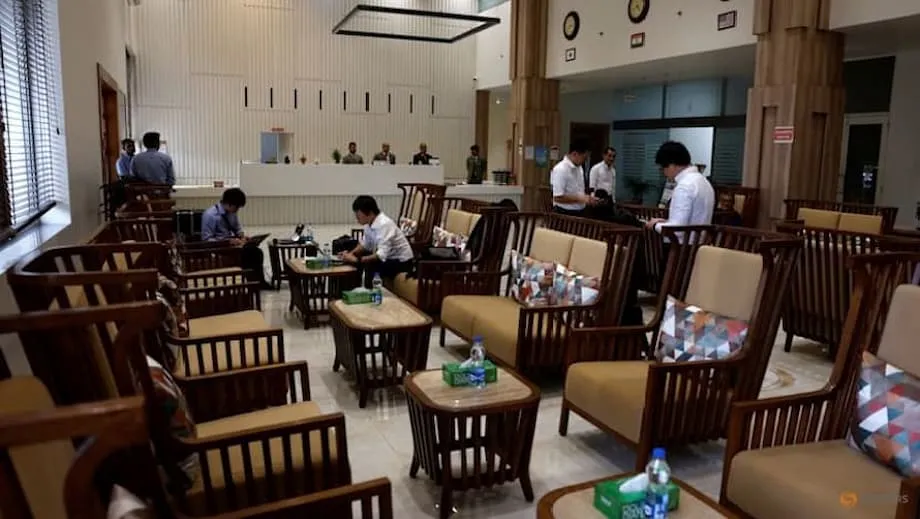
At the 110 room AJU Imperial in Vithalapur, Japanese signs, sushi and bento meals, and Toto washlet toilets serve engineers and plant managers working far from home. Fish sometimes arrives from Australia. Outside, a dusty industrial settlement 75 km east of Gandhinagar is acquiring hotels, shops and services shaped by Japan's growing presence in Indian manufacturing.
Contents
- Factory assignments bring Japanese life to rural Gujarat
- Why manufacturers settled around Vithalapur
- Electric cars expand the industrial role
- Hotels build a familiar daily routine
- Prohibition complicates an evening drink
- Japanese menus meet vegetarian customs
- Villages gain shops, jobs and new businesses
- Language and community extend beyond the workplace
- Expansion links hotel demand to factory plans
- What to Know
Vithalapur's transformation, visible by October 2, 2025, reaches beyond factory gates. Hotels with names such as Osaka Palace, Mizuki Ryokan and Midori serve ramen and tempura to Japanese professionals staying on assignments lasting several years. Along the highway, accommodation providers offer Japanese television channels, familiar bathroom fittings and set meals designed to make an extended posting easier.
Honda began assembling motorcycles here nearly a decade ago. Suzuki's car plant, operating for eight years, began producing its first electric cars in August. Auto parts manufacturers and other industrial suppliers have followed, connecting land once used for farming to international production networks.
Japan's direct investment in India reached about $2.5 billion in the financial year ended March 31, an increase of 27 percent from four years earlier. Much of that investment went into automobiles and electronics. The expansion supports Prime Minister Narendra Modi's effort to increase manufacturing jobs and exports, while creating a more immediate local need for accommodation, meals and transport.
Hyatt is preparing a hotel with 108 rooms near the factories. Smaller Japanese style properties already accommodate professionals who need both a short commute and a predictable daily routine. Their growth also brings cultural adjustments in a state where alcohol is tightly restricted and many residents avoid meat and seafood.
Why manufacturers settled around Vithalapur
Gujarat's appeal to manufacturers combines available industrial land, transport connections and a reputation for predictable rules. Vithalapur lies within an industrial arc linking Sanand, near Ahmedabad, with Becharaji and Mandal. The area has access to Arabian Sea ports and railway connections to the Delhi Mumbai corridor.
Factories using just in time production depend on components arriving when they are needed, instead of keeping large quantities in storage. Reliable roads and quicker customs clearance therefore matter alongside wage costs. A delay affecting a small component can disrupt work at an assembly plant.
Japan has also partnered with India on major infrastructure serving Gujarat's industrial towns. The Western Dedicated Freight Corridor, financed with Japanese loans, is designed to move containers faster between Gujarat's ports and inland markets. Industrial parks and supplier zones around Vithalapur allow component manufacturers to operate close to final assembly plants.
Nearby suppliers reduce transport time and allow engineers to address production problems in person. Gujarat's flexible land allotments and streamlined permits for large projects have also reduced delays in getting operations started. These conditions helped Honda and Suzuki establish production and attract Japanese, Indian and other international suppliers.
Wiring harnesses, castings, logistics and tooling are among the activities supporting the factories. Together, these businesses reduce transport risks and make the region more attractive for future vehicle launches. The same network brings visiting specialists who need reliable places to stay while reviewing suppliers, installing equipment or resolving problems.
Electric cars expand the industrial role
Suzuki's Gujarat unit began series production of its first battery electric model in August. Series production means making vehicles through a regular manufacturing process, rather than building a small number for development or testing. The model is intended for India and export markets in Europe, and will also be shipped to Japan.
Suzuki has outlined plans to spend about 350 billion rupees on a second car plant in Gujarat and another production line at its existing facility. The expansion would bring annual capacity in the state to roughly 2 million vehicles within the next few years. Its longer term target is annual production capacity of 4 million vehicles across India by 2031.
Gujarat's planned capacity would therefore equal about half of Suzuki's stated India target. Capacity describes how many vehicles factories can produce in a year, while actual output depends on how much production takes place.
Electric vehicle manufacturing creates more specialized work around the plants. Battery pack logistics, temperature control systems, lighter materials and training for work with high voltage equipment require suppliers and engineers with particular skills. More training sessions, production line upgrades and supplier inspections mean continued demand for accommodation and meals.
The industrial and hospitality changes have developed over several stages:
- Nearly a decade before October 2025, Honda began assembling motorcycles in the area.
- By October 2025, Suzuki's Gujarat car plant had been operating for eight years.
- In the financial year ended March 31, Japanese direct investment in India reached about $2.5 billion, up 27 percent from four years earlier.
- In August 2025, Suzuki began series production of its first battery electric model in Gujarat.
- Over the next few years, Suzuki's planned Gujarat expansion would raise annual capacity to roughly 2 million vehicles, within an India target of 4 million by 2031.
Hotels build a familiar daily routine
AJU Imperial takes its name from All Japanese Utility. Its approach extends from Japanese signage to cooks trained to prepare sushi and bento sets. Toto washlet toilets are an expensive addition by local standards, while imported fish provides meals that would otherwise be difficult to find in the surrounding market.
Japanese professionals on contracts lasting several years help drive occupancy. For these guests, familiar food and a manageable journey to work are regular needs. Other hotels along the highway serve Japanese curry rice alongside dal and roti, and provide low tables where guests can sit as they would at home.
Prakash Yadav, founder and managing director of AJU Imperial, described the purpose of adapting the property around its guests:
We wanted to give people the comfort of place and food so they can focus on work.
Hotel kitchens have developed refrigerated storage and supply arrangements for imported ingredients. Maintenance routines reflect the fittings guests expect, while staff training includes Japanese greetings and guidance on removing shoes at room doors. Cooks also learn how to adapt meals for visitors who have never eaten a Gujarati thali.
Hyatt's planned 108 room property adds an international chain to a market served by smaller Japanese focused operators. Its arrival signals expectations of sustained demand and increases pressure on independent hotels to maintain food quality and cleanliness. For visiting workers, this growing accommodation network has made Vithalapur a practical base for an extended assignment.
Prohibition complicates an evening drink
Gujarat is one of a handful of Indian states with prohibition. Alcohol is restricted, with narrow exceptions for foreign nationals. Foreign visitors can drink legally with a personal permit or inside a hotel holding a liquor licence. Permit paperwork, frequent renewal and limits on monthly purchases make access a matter of planning.
Some hotels are still awaiting permission to operate a bar. At properties without a licence, guests often travel to Ahmedabad to buy their allotted stock, making a round trip lasting three hours. For people finishing late on a factory floor, the journey adds another task to an already demanding routine.
Yadav said delays in approval had frustrated managers and visitors and affected how hotel dining spaces were planned. He described the journey required while his property awaited a licence:
Until we get a license, guests have to drive three hours to Ahmedabad city to buy their monthly stock.
The restrictions shape weekend plans as well as hotel operations. Guests must arrange purchases around their permits and allowances, while accommodation providers must account for the rules when deciding which services they can offer.
Japanese menus meet vegetarian customs
Many Gujarati families follow Jain or Hindu customs that favour vegetarian food. In large parts of the state, eating meat or seafood is viewed negatively. Japanese guests arriving from Hamamatsu or Aichi may instead expect grilled fish and meat as ordinary parts of their diet.
Hotels accommodate both sets of preferences by keeping separate preparation spaces for vegetarian meals and meals containing meat or seafood. Ingredients scarce in local markets are brought in from elsewhere. For cooks and vendors around Vithalapur, preparing and supplying these dishes is a substantial change, particularly where eating fish carries social stigma.
AJU Imperial's fish imports from as far away as Australia illustrate the distance between local supply and guest expectations. Cold storage, ingredient sourcing and kitchen routines are part of the work needed to serve familiar dishes consistently. The changes reach behind the dining room into purchasing, staff training and maintenance.
Hotels also combine the two food traditions rather than replacing one with the other. Curry rice, dal, roti, sushi and bento meals serve different guests and preferences. The practical aim is a dependable meal after work, whether the diner wants familiar Japanese food or a local dish.
Villages gain shops, jobs and new businesses
Vithalapur, Becharaji, Jhalishana and Detroj have changed since Suzuki Motor Gujarat and Honda established operations nearby. Small malls, salons, Japanese style grocery shops and gaming rooms now serve families and a steady flow of visitors. Residents often call the area Little Tokyo as storefronts and menus change around them.
Property values have risen. Farmers who sold or leased their land have opened guesthouses, shops and travel agencies, moving into businesses connected to the industrial economy. The conversion of agricultural land has therefore changed both the appearance of the area and how some residents earn a living.
Employment extends beyond vehicle assembly and component production. Construction crews, bus operators, electricians, translators and security firms have found work. Local colleges have added short courses covering basic Japanese phrases and industrial safety, linking training to the needs of factories and the services around them.
Hotels also create regular orders for vegetables, dairy products and bakery goods. Operators describe a steep learning process, with steady bookings and new supply contracts among the visible benefits. Catering and transport businesses gain work from company gatherings and community events as well as daily operations.
Municipal services face additional demands. Water supply and waste management need greater capacity to support several thousand extra meals each day and constant washing of hotel linen. The accommodation boom therefore requires improvements outside individual properties, including services shared by surrounding communities.
Language and community extend beyond the workplace
Weekend baseball games, Japanese language classes for children and holiday events have become part of life in the industrial cluster. Companies organize safety days and gatherings with cherry blossom themes on factory lawns during spring. Local residents attend out of curiosity, while catering and transport providers benefit from the activity.
Language remains a daily obstacle for many engineers arriving in India for the first time. Hotels use bilingual signs and concierge staff who can help with local paperwork. Some companies pair newcomers with Indian managers familiar with the area, making visits to banks and mobile phone shops easier.
Familiar toiletries, a quiet place for tea and space for calls home can make an extended stay more manageable. These small arrangements sit alongside larger hotel investments, addressing needs that continue long after a visitor has checked in.
Residents still identify gaps in services needed for a more settled international community. They include international schools, hospitals equipped to work with expatriate insurance arrangements, and recreation facilities such as golf ranges or indoor sports venues. Hotels can meet many daily needs, but schooling, healthcare and leisure require a broader local network.
Expansion links hotel demand to factory plans
Suzuki's proposed second Gujarat plant, added production line and electric vehicle exports point to continued industrial activity around Vithalapur. Production for India, Europe and Japan brings requirements for training, quality checks and coordination among suppliers. Those tasks create recurring visits by specialists as well as longer assignments for managers and engineers.
Hospitality businesses are preparing for that demand in different ways. International chains bring their own standards for water filtration, safety and housekeeping. Independent hotels focused on Japanese guests continue to rely on familiar menus, cultural details and services tailored to extended stays.
No opening date was given for Hyatt's planned property, and the Gujarat capacity expansion was described as taking place within the next few years. The immediate picture is an industrial cluster still building the services needed to support its ambitions.
Better permit processes, more education and healthcare options, and additional leisure facilities could make longer family stays easier. For now, Vithalapur combines factories connected to global markets with hotels working through the everyday demands of food, language, transport and local rules. The transformation is visible in both production plans and the businesses serving the people who carry them out.
What to Know
- Vithalapur, 75 km east of Gandhinagar, has become a base for Japanese automotive engineers and plant managers.
- Japan's direct investment in India reached about $2.5 billion in the financial year ended March 31, up 27 percent from four years earlier, with much going to automobiles and electronics.
- Suzuki began producing its first battery electric model in Gujarat in August, for India and exports to Europe and Japan.
- Suzuki plans about 350 billion rupees of investment in a second Gujarat plant and another production line, taking planned state capacity to roughly 2 million vehicles annually.
- AJU Imperial has 110 rooms, while Hyatt is preparing a property with 108 rooms near the factories.
- Japanese focused hotels provide familiar meals, television channels, signage and bathroom fittings while adapting to local vegetarian customs and alcohol restrictions.
- Nearby villages have gained businesses and jobs, alongside greater demand for water, waste services, schools, healthcare and recreation.