Two arrests and at least eight suspected cases
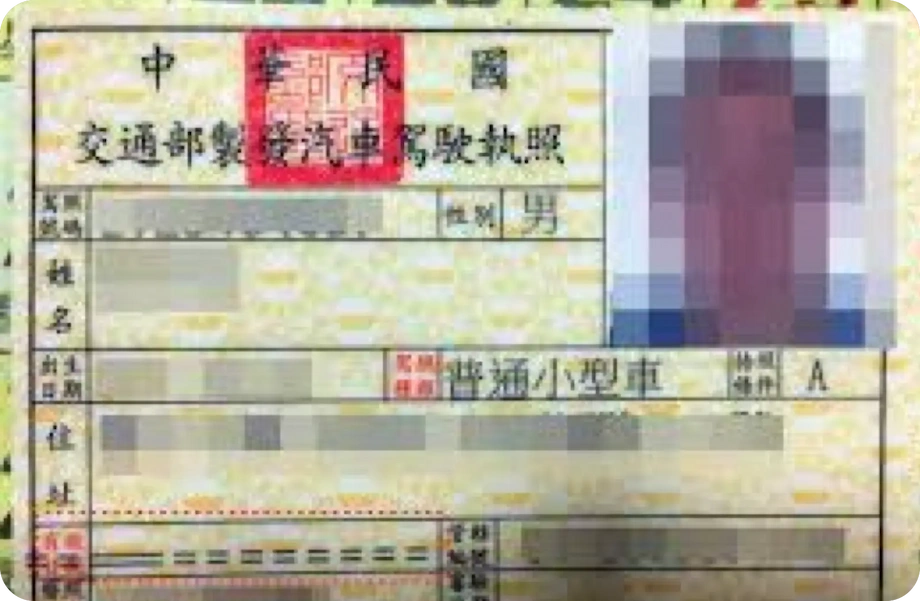
Tokyo police have arrested two Chinese nationals suspected of using counterfeit Taiwanese driver licenses to obtain official Japanese translations, with investigators identifying at least eight cases involving similar applications. The documents allegedly cost about 160,000 yen per buyer through an online shopping site. At least one suspect is believed to have used the translation to rent and drive a car without a valid license.
Contents
- Two arrests and at least eight suspected cases
- How the online package allegedly worked
- Why the issuing country matters
- What a translation does
- October changes target the conversion process
- The sequence so far
- Rental counters face a difficult check
- A business reaching across borders
- What travelers need to arrange
- What the investigation changes
- What to Know
The suspects, a man and a woman in their thirties and forties, deny knowing the licenses were counterfeit. Police say they applied for the translations in November 2024 and describe the arrests as the first involving illegal applications made with forged Taiwanese licenses.
Investigators are also seeking a Chinese national aged 37 who allegedly advertised the documents and organized sales and paperwork. Authorities plan to seek international cooperation and an international wanted notice to locate the suspected organizer, who is believed to be outside Japan.
The investigation exposes a weakness in a process used by legitimate visitors. Japan accepts valid Taiwanese licenses accompanied by authorized Japanese translations for driving during a visit. Chinese licenses do not qualify for that route. Their holders must instead convert their licenses into Japanese ones, including passing knowledge and road tests.
As of September 30, 2025, tighter conversion rules are due to begin in October. Applicants will need proof of registered residence in Japan, and the knowledge test will expand from 10 questions to 50, with a passing score of at least 90 percent. The arrests bring together two concerns: the use of forged documents to reach rental counters and criticism that the conversion process has been too accessible to temporary visitors.
How the online package allegedly worked
The online offer allegedly bundled a counterfeit Taiwanese license with help obtaining its Japanese translation for about 160,000 yen. Police believe the package targeted tourists seeking a quick way to drive in Japan without completing the tests required for conversion of a Chinese license.
Investigators say the seller advertised a Taiwanese license as a document that would allow the buyer to drive in Japan. Including assistance with the translation application made the offer appear to cover the paperwork needed for a rental booking. Police suspect an organized business reaching multiple travelers, rather than isolated purchases by individual visitors.
A man in his twenties living in Saitama Prefecture told police that he submitted applications as an agent for buyers. He said he received a small fee for each application and used the work to earn extra money. His account describes how someone already in Japan could handle the local application stage for a customer.
Japan's online translation application system can be used by a person inside the country acting on an applicant's behalf. That arrangement helps legitimate travelers obtain documents, but investigators say it also created an opening for intermediaries working with the alleged seller.
Police are examining applications and rental transactions from the same period to trace the operation and identify further cases. The inquiry remains ongoing, and investigators anticipate that more applications involving forged documents may emerge.
Why the issuing country matters
Japan's rules depend on the country or region that issued a driver's license and whether Japan recognizes its licensing system or the relevant international permit. The accepted document determines which route a visitor can use.
Taiwan, Switzerland, Germany, France, Belgium and Monaco are in the group whose valid licenses can be used alongside an authorized Japanese translation. Drivers must carry both the original license and the translation. The translation allows Japanese officials and rental staff to read the license's information.
Visitors from many other countries can drive using an International Driving Permit together with their home license. Japan recognizes permits issued under a particular treaty framework, and travelers must obtain the permit before arriving. A permit is valid only for a limited period after entry.
Rental companies typically ask for a passport, the home license and the permit before handing over a vehicle. Requirements vary by company and prefecture, so a traveler needs to establish which documents will be accepted before collecting a car.
Chinese licenses fall outside both the translation route and the standard International Driving Permit route recognized by Japan. A holder who wants to drive must convert the Chinese license into a Japanese license at a driver license center, passing a knowledge test and a road test.
Japan bases these differences on reciprocal recognition, treaty participation and the structure of the issuing jurisdiction's licensing system. Some systems have training and testing standards that Japan considers comparable, allowing their license holders to drive for a limited visit with a translation. Other systems require conversion to confirm driving skills under Japanese rules. The difference concerns the documents and licensing systems Japan accepts.
What a translation does
An authorized Japanese translation explains the information on a foreign license, including the categories of vehicles its holder may drive and the license's validity. Rental agencies and police use it to understand a document written in another language.
Translations are prepared through designated channels, including the Japan Automobile Federation or the Foreign Ministry. Applications can be submitted online, and a proxy can obtain the translation on behalf of the license holder.
The underlying license must still be genuine and valid. A translation explains what the document says; authentication checks whether the document was actually issued by the proper authority. The translation itself is not a certificate of authenticity.
Police believe the alleged operation exploited that gap. An authentic translation presented with a convincing counterfeit license could appear acceptable at a rental counter, especially when staff lack tools to check the original document immediately.
The bundle allegedly moved a forged document through an official administrative step. For the buyer, it offered a license and readable paperwork together. For a clerk, the pair could resemble the documents routinely presented by legitimate visitors from Taiwan.
October changes target the conversion process
Japan's National Police Agency is introducing tighter controls on foreign license conversions beginning in October. Tourists without a resident record will be excluded from eligibility, and applicants will need to show proof of registered residence in Japan.
The knowledge test will grow from 10 questions to 50, five times its previous length. Applicants will need a score of at least 90 percent to pass, equivalent to 45 correct answers out of 50. A road test also forms part of the conversion process for holders of Chinese licenses.
The changes follow criticism that the previous knowledge test was too short and that temporary addresses, including hotels, were being used in applications. Requiring a resident record is intended to confirm that an applicant is not simply visiting for a short stay.
Authorities want conversion to establish both the ability to drive safely under Japanese rules and a sufficient connection to the country for accountability. For someone holding a Chinese license, the residence requirement will make the process a route for qualifying residents rather than tourists seeking temporary driving access.
Officials expect the revised process to reduce abuse, including incentives to misuse translation services or buy counterfeit documents. The Tokyo investigation also points to a separate practical need: checking the genuine license behind a translation when a vehicle is rented.
The sequence so far
The alleged applications preceded the arrests and the planned tightening of conversion rules. The main dates and developments are:
- November 2024: The two suspects allegedly applied for Japanese translations using counterfeit Taiwanese licenses purchased online.
- By September 30, 2025: Tokyo police had arrested the pair, identified at least eight cases involving forged Taiwanese licenses and begun pursuing the suspected organizer.
- October 2025: The revised conversion process is due to require registered residence and a knowledge test of 50 questions with a passing score of at least 90 percent.
Police plan to request an international wanted notice for the suspected organizer. No date has been given for that step. Investigators are continuing to examine the applications, the people who handled them and the rental transactions connected with the alleged scheme.
Rental counters face a difficult check
Japan's rental companies regularly serve visitors unfamiliar with local traffic laws, road signs and driving on the left. Their staff must check the required credentials while processing bookings and handing over vehicles.
A clerk can read an authorized translation without having the specialist skills needed to examine a foreign license for forgery. A polished counterfeit accompanied by a genuine translation can therefore be difficult to spot within the limited time available at a busy counter.
The Tokyo case places pressure on rental companies to update their checks and on authorities to scrutinize applications. Possible steps include confirming that translations correspond to valid licenses and identifying repeated patterns in applications that may point to an organized operation.
Driving without a valid license can lead to criminal penalties. It also creates insurance risks: coverage that would otherwise protect against claims can be voided when the person driving lacks a valid license.
An accident involving such a driver can leave victims and rental companies facing difficult financial and legal consequences. Verifying a customer's entitlement to drive therefore affects more than the rental booking itself.
Police also conduct traffic safety campaigns in tourist destinations, explaining speed limits, alcohol rules and important road signs. Those efforts depend on properly licensed drivers reaching the road. Forged credentials can allow someone to bypass that safeguard, at least temporarily.
A business reaching across borders
Online marketplaces allow sellers of counterfeit documents to advertise across borders, take payments and arrange delivery. Professional presentation can make an illegal offer look like a routine service for travelers.
In this case, police say the sales pitch promised access to driving in Japan through a Taiwanese license. Translation assistance was part of the package, giving buyers a seemingly complete set of documents rather than a license alone.
The price of about 160,000 yen could appeal to tourists who regarded it as cheaper than taking lessons or booking tours without driving. Investigators believe the business targeted visitors wanting to avoid tests and the time needed to learn local rules.
The suspected organizer's location outside Japan adds another stage to the inquiry. Police are trying to map the supply chain, including advertising, sales, paperwork and the role of agents who submitted applications.
International cooperation would help authorities locate and question the individual they are seeking. Within Japan, examining applications and rental records may help connect buyers and intermediaries to the same operation.
The case also illustrates why a service designed to make a legitimate license understandable can become a target for fraud when the translation process is separate from checking authenticity. Closer scrutiny of applications and the planned conversion changes are intended to make abuse harder.
What travelers need to arrange
Visitors planning to drive should establish their eligibility before traveling. The correct route depends on the license they actually hold: a recognized license with a translation, a qualifying International Driving Permit with the home license, or conversion to a Japanese license.
A genuine license must come from the issuing authority in the driver's country or region. Buying a purported driver license online can lead to arrest, fines and deportation. A translation application service cannot turn a counterfeit license into a valid driving credential.
- Check which driving route Japan accepts for the country or region that issued your license.
- Never buy a driver license online or use a document that was not issued legitimately.
- For the translation route, use an official channel and carry the valid original license and its authorized Japanese translation.
- For the International Driving Permit route, obtain the recognized permit before departure and carry it with the original license and passport.
- For conversion of a Chinese license, prepare for knowledge and road tests at a driver license center. From October, registered residence will also be required.
- Confirm the rental company's document requirements before booking or collecting a vehicle.
- Reject suspicious document offers. Public transport or a hired driver provides an alternative when eligibility is uncertain.
Chinese license holders planning to work or live in Japan for a longer period need to allow time for conversion. Tourists need to account for the October residence requirement when deciding how they will travel.
What the investigation changes
The two arrests bring attention to how a counterfeit foreign license can be paired with official paperwork and used to obtain a rental car. At least eight identified cases give police reason to examine a broader operation involving sellers, buyers and application agents.
The suspects' denial that they knew the documents were fake remains part of the case. Investigators are pursuing the alleged organizer and checking transactions to determine how the operation worked and who participated.
October's changes will tighten the conversion route through a resident record requirement and a longer knowledge test. Rental companies and translation services also face the practical task highlighted by the arrests: making sure that documents presented through legitimate procedures rest on genuine licenses.
What to Know
- Tokyo police arrested two Chinese nationals suspected of using forged Taiwanese licenses to obtain Japanese translations.
- The suspects deny knowing the documents were counterfeit. Police have identified at least eight cases.
- The alleged online package cost about 160,000 yen and included translation application assistance.
- Investigators are seeking a Chinese national aged 37 and plan to request an international wanted notice.
- Valid Taiwanese licenses can be used in Japan with authorized Japanese translations. Chinese licenses require conversion into Japanese licenses.
- From October 2025, conversion applicants will need registered residence and a score of at least 90 percent on a knowledge test of 50 questions.
- Driving without a valid license carries criminal and insurance risks.