JR East prepares to put more tourist rail journeys on one phone
International visitors using an iPhone or Apple Watch will be able to reserve seats and ride selected Shinkansen and limited express trains through Welcome Suica Mobile after an update planned for October 2025. JR East is connecting the app to its online reservation service, bringing longer rail journeys into a mobile wallet already used for local transport and shopping.
Contents
- JR East prepares to put more tourist rail journeys on one phone
- What the October update will change
- Which trains visitors will be able to book
- Why Tokyo to Osaka still needs another booking service
- How booking and boarding will work
- Who can use the app and when to set it up
- How long the balance lasts and how to add money
- What the change means for airport arrivals and side trips
- Alternatives and a first journey checklist
- JR East plans further ticketless features
- What to Know
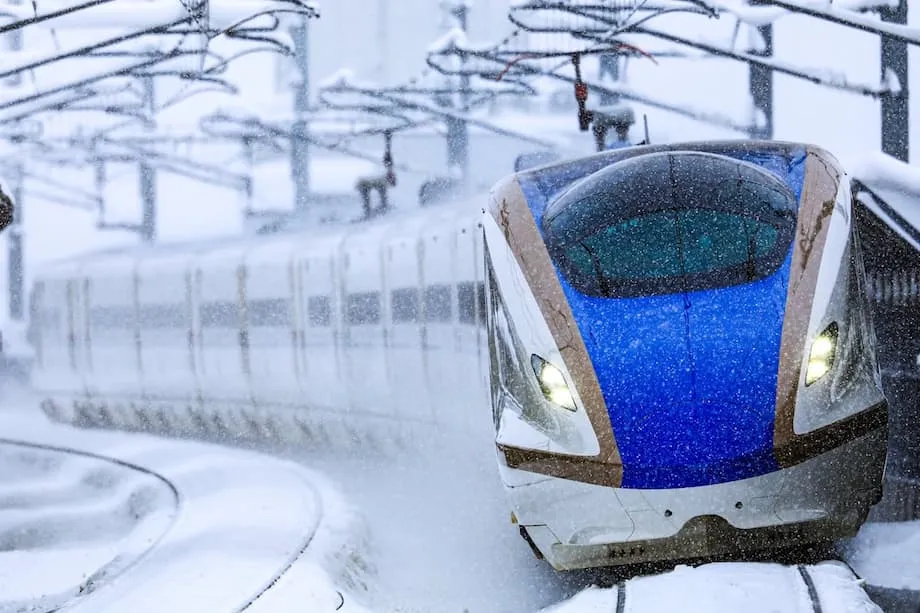
As of September 25, the October update is still ahead. The planned connection will cover the Tohoku, Hokkaido, Akita, Yamagata, Joetsu and Hokuriku Shinkansen lines, together with limited express services such as Narita Express and Fuji Excursion. The Tokaido Shinkansen between Tokyo and Shin Osaka will remain outside the service.
Travelers will be able to choose a train, pay for a reservation and use the linked device at the ticket gate without collecting a paper ticket. For visitors passing through busy stations such as Tokyo, Ueno or Omiya, that removes a trip to a ticket machine or counter before boarding.
Welcome Suica began in 2019 as an IC transit card designed for visitors and valid for a limited period. An IC card stores information electronically and communicates with a reader when held close to it. Welcome Suica works on most trains and buses in eastern Japan and can pay for purchases at millions of stores nationwide where Suica is accepted.
JR East released Welcome Suica Mobile for iPhone and Apple Watch in March 2025. Users can issue the digital card and add money through the app. The October reservation connection will extend that role from everyday fares and purchases to selected journeys with reserved seats.
JR East's development team describes the service concept as a single companion for travel and payment during a visit to Japan:
Travel Japan with a single app.
What the October update will change
Welcome Suica Mobile will connect to JR East's reservation platform, long known to travelers as Eki net. The link will provide ticketless bookings for designated Shinkansen seat reservations and a range of limited express trains managed through JR East's service.
A confirmed reservation will be associated with the traveler's Welcome Suica. At the station, the iPhone or Apple Watch will serve as the ticket used to enter through the gate. The passenger can then board the booked train and take the seat shown in the reservation.
JR East's plan brings together two different functions. Money stored on Suica pays for local journeys and purchases. A linked reservation records the right to travel on a particular longer distance train. Travelers can therefore use the same device for both tasks while paying for the reserved journey separately.
The development has three main stages:
- 2019: Welcome Suica launched as a physical transit card for international visitors.
- March 2025: JR East released Welcome Suica Mobile for iPhone and Apple Watch.
- October 2025: A planned update will connect the mobile app to JR East reservations for selected ticketless Shinkansen and limited express journeys.
Which trains visitors will be able to book
The planned Shinkansen coverage reaches much of eastern and northern Japan. It includes the main route north from Tokyo, branches serving Akita and Yamagata, the line to Niigata and the Hokuriku corridor along the Sea of Japan side.
The lines named for the reservation connection are:
- Tohoku Shinkansen, connecting Tokyo with Shin Aomori.
- Hokkaido Shinkansen, connecting Shin Aomori with Shin Hakodate Hokuto, with through services from the northern network.
- Akita Shinkansen.
- Yamagata Shinkansen.
- Joetsu Shinkansen, serving Niigata.
- Hokuriku Shinkansen, with the coverage described for JR East's section.
Limited express options will include Narita Express, which connects Narita Airport with central Tokyo, and Fuji Excursion to Kawaguchiko in Yamanashi. Kawaguchiko is a gateway for Mount Fuji views and the Fuji Five Lakes area.
For an arriving visitor, Narita Express brings the booking feature into the first journey from the airport. Fuji Excursion extends it to a popular trip beyond Tokyo, where choosing a departure and securing a seat in advance can make planning easier.
Why Tokyo to Osaka still needs another booking service
The Tokaido Shinkansen between Tokyo and Shin Osaka is outside JR East's reservation system. Visitors traveling toward Kyoto or Osaka will need another booking channel for that part of their itinerary. The app's planned reservation coverage also excludes JR West's Sanyo Shinkansen, used for journeys to Hiroshima and beyond.
Smart EX, the service run by JR Central, is a common online choice for the Tokaido and Sanyo Shinkansen. Travelers can also buy tickets at station machines or ticket counters. A trip that combines northern Japan with Kyoto, Osaka or Hiroshima may therefore require bookings through more than one service.
Welcome Suica will still be useful for local transport and shopping in those regions wherever it is accepted. Its payment function can travel with the visitor even where its JR East reservation connection does not handle the bullet train journey.
Japan Rail Pass holders can likewise use Welcome Suica for local rides and purchases, then use their pass to reserve seats at JR counters or machines for the routes covered by the pass. The appropriate booking method depends on the train and the ticket or pass being used.
How booking and boarding will work
Travelers will start with an active mobile Welcome Suica, open the app and follow its connection to JR East's reservation service. The booking process will ask for an origin, destination, travel date and train, followed by the class of travel and a seat selection.
Payment will use a card registered in Apple Pay on the device. Once the booking is confirmed, the reservation will be tied to the Welcome Suica that the gate checks. Train and seat details will appear in the reservation view.
Passengers whose plans change will use the same reservation route to modify or cancel a booking, subject to the conditions shown when buying it. Those conditions matter because the right to change a journey depends on the ticket purchased.
On the travel day, passengers will hold their iPhone or Apple Watch to the ticket reader. The gate will verify the valid Welcome Suica and its linked Shinkansen reservation. The gate screen may also display the train being boarded.
Apple Pay's Express Transit feature allows a traveler to pass a gate without unlocking the device. Users should turn it on for their Suica in Apple Wallet so that the device is ready for the journey.
Passengers should keep their device available after boarding. Some crews may check seats between stops, and the reservation details in the app provide proof of purchase.
Seat arrangements vary by service. Many Tohoku and Hokkaido trains have fully reserved seating, while other trains offer cars without reserved seats. The booking process will show the choices available for the selected train, including Green Car seats where offered. Green Car is the first class option, with more space.
Groups hoping to sit together should select neighboring seats during booking. Each traveler needs their own Suica for the gates and seat checks, so a group should plan for individual travel cards as well as the seats it wants to reserve.
Who can use the app and when to set it up
Welcome Suica Mobile works on iPhone and Apple Watch and is available in English. Users must be at least 13 years old. Android support is not offered for devices sold overseas, which limits the app's usefulness for visitors traveling with those phones.
Suica uses FeliCa, a standard for fast contactless transactions. Modern iPhones support it without additional equipment. Android phones sold outside Japan often lack the chip needed for this function, which is why JR East built the tourist app for iPhone and Apple Watch.
JR East says laws in some countries can restrict issuing a Welcome Suica or adding money before arriving in Japan. Visitors can install and prepare the app before flying where permitted, but may need to complete issuance or add value after arrival. Location services must be enabled for functions that determine whether money can be added.
Families need to account for the age requirement. Children younger than 13 cannot use the mobile app, so physical cards may be needed for them. Every traveler should have a suitable card or device ready before approaching the gates.
JR East's Welcome Suica Mobile page provides English information on compatibility, features, limitations and device requirements. Checking those details before departure can help travelers decide whether to use the app or arrange another way to pay and book.
How long the balance lasts and how to add money
Mobile Welcome Suica expires 180 days after issuance. Any money left on it expires at the same time and cannot be refunded. Visitors should add an amount they expect to spend during their stay.
The physical Welcome Suica has a shorter period of use: 28 days after first use. The mobile version's 180 days provide a much longer window for an extended visit, although the two validity periods start at different points. A regular green Suica intended for residents lasts for years.
Users can add value in the app with a card registered in Apple Pay. If a bank card does not work for that payment, cash can be added at JR ticket machines that accept Suica top ups or at some convenience store counters.
A practical approach is to keep a small balance for local train and bus journeys and store purchases, then pay separately when making a Shinkansen reservation. The stored balance and the reserved train payment perform different jobs, even though the same device is used during travel.
Visitors should test their intended Apple Pay card and have a cash option available if it is declined. Watching the balance near the end of a stay is also useful because the expiry rule leaves no refund for unused money.
What the change means for airport arrivals and side trips
Narita arrivals often continue to central Tokyo or transfer to a bullet train. The planned connection will let a visitor reserve the airport train, use the same wallet to buy food and then board a booked Shinkansen without queuing for paper tickets.
Tokyo, Ueno and Omiya can be busy transfer points. Removing the ticket collection step can save time there, particularly on weekends and holidays, when passengers may already be managing luggage and an unfamiliar station layout.
Fuji Excursion reservations will also support trips to Kawaguchiko during popular periods such as autumn foliage and spring cherry blossom seasons. Booking ahead helps travelers secure a seat before setting out.
Niigata and Akita are among the destinations where visitors may plan winter journeys for snow and hot springs. The reservation connection will allow them to arrange the longer train journey through the app and then use their phone at the gate.
Seat availability still depends on the chosen service and departure. Travelers should reserve early for busy weekends, holidays, Obon, New Year and Golden Week, and check whether their train has only reserved seating or also offers cars without reservations.
The practical benefit is a simpler sequence of tasks: arrange the train, confirm the seat, travel to the station and use the linked device to board. A confirmed seat reservation also gives visitors a specific place to sit rather than leaving that decision until departure.
Alternatives and a first journey checklist
Travelers who cannot use Welcome Suica Mobile can turn to JR East's online reservation site, which handles the same train network in English. For the Tokyo to Osaka corridor, Smart EX offers online booking in English for the Tokaido Shinkansen.
Station ticket machines across Japan also provide seat reservations with multilingual prompts. Ticket counters remain another option, while travel agencies and hotel concierges can assist visitors who prefer help in person or need a different arrangement before arrival.
A few preparations can make the first journey easier:
- Install Welcome Suica Mobile before flying where local rules allow it, or complete setup after arriving in Japan.
- Enable Apple Pay and register a payment card that works in Japan. Keep cash available for a top up if the card is declined.
- Enable Express Transit for Suica in Apple Wallet.
- Book longer journeys ahead during busy travel periods and check the available seat classes.
- Select adjacent seats when traveling together, and arrange a separate Suica for every passenger.
- Keep a modest balance for local journeys and purchases, remembering that the reserved train fare is paid separately.
- Arrange physical cards where needed for children younger than 13.
- Track the 180 day validity period and avoid leaving money that will expire without a refund.
Visitors planning a route across several rail company areas should check each longer journey before booking. Welcome Suica's local payment acceptance is broad, while its new reservation feature is tied to the specified JR East services.
JR East plans further ticketless features
JR East says it intends to keep adding functions to Welcome Suica Mobile. Its stated plans include expanding ticketless options connected to its reservation platform and widening the seat choices available to purchase through the app.
The company has also indicated a future feature for buying Green Car seats on certain local trains. No launch date is given for that addition, so the next dated change for visitors is the reservation update planned for October 2025.
The app connection fits JR East's longer plan to expand Suica beyond transport into a broader payment and access service. That work includes experiments with ticketing that allows passengers to walk through and future features intended to make passing gates easier.
JR groups across Japan are also expanding IC card acceptance and automating stations. For international visitors, the immediate change will be more concrete: selected airport, sightseeing and bullet train journeys will become bookable through the same mobile companion used for everyday travel and shopping.
What to Know
- As of September 25, 2025, JR East's Welcome Suica Mobile reservation update is planned for October.
- The connection will support ticketless reservations on the Tohoku, Hokkaido, Akita, Yamagata, Joetsu and Hokuriku Shinkansen lines within the stated coverage.
- Limited express options will include Narita Express and Fuji Excursion.
- The Tokaido and Sanyo Shinkansen require another booking channel, such as Smart EX or station ticket services.
- The app works on iPhone and Apple Watch, is available in English and requires users to be at least 13.
- Mobile Welcome Suica expires 180 days after issuance, and unused money cannot be refunded.
- Some countries restrict issuance or adding value before arrival in Japan.
- Users can add money through Apple Pay or with cash at compatible machines and some convenience store counters.
- Each traveler needs their own Suica, and families may need physical cards for children younger than 13.
- Further ticketless options and Green Car purchases on certain local trains are planned.