Fewer visitors and less spending power
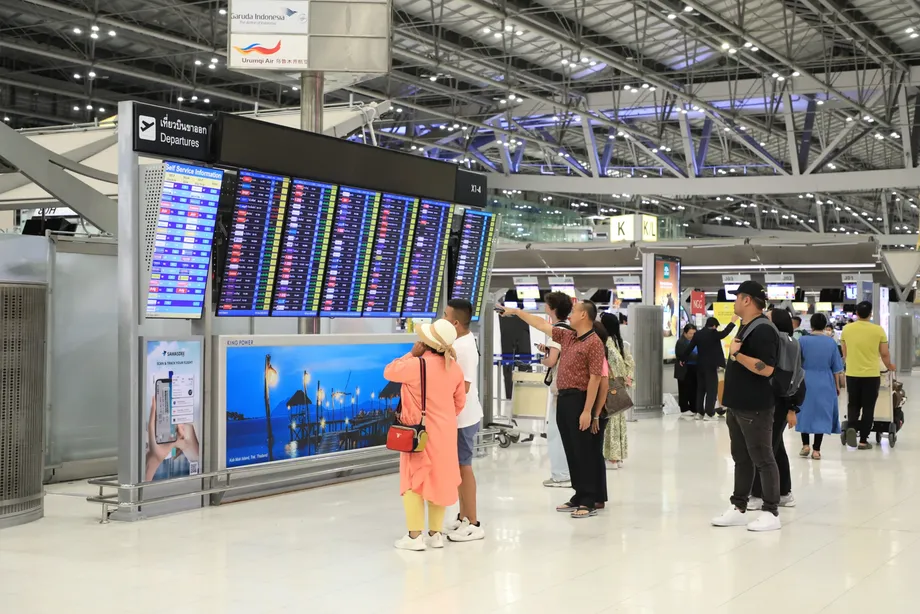
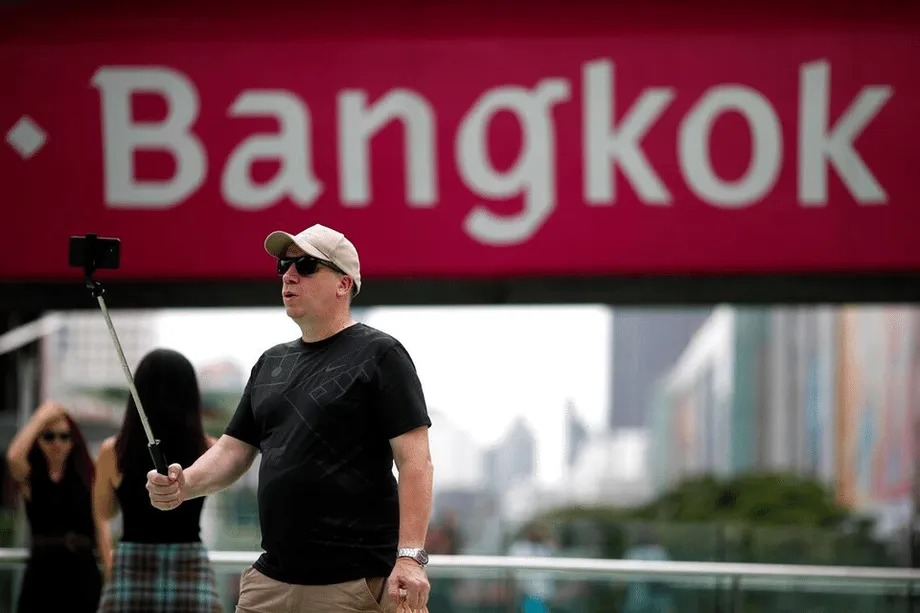
Thailand recorded about 23.45 million foreign visitors from January 1 to September 21, 2025, down 7.44 percent from the same period a year earlier, as a stronger baht put pressure on holiday budgets. The Tourism Authority of Thailand (TAT) warns that tourism revenue could fall 15 to 17 percent short of earlier expectations as visitors spend less or choose competing destinations.
Contents
- Fewer visitors and less spending power
- What the exchange rate means for a family holiday
- Why Japan and Vietnam are gaining appeal
- American arrivals weaken while Europe holds up
- How the year has unfolded
- Hotels worry about a prolonged squeeze
- Gold, investment flows and a weaker dollar
- Beach resorts hold rates while smaller hotels struggle
- Exporters face the same currency arithmetic
- What the central bank and government can do
- Packages and easier travel could protect demand
- What to Know
By September 23, the currency had appreciated about 7.24 percent since January, moving from around 34.23 baht per US dollar to about 31.75. It ranked among the strongest major currencies against the dollar over that period, trailing only the Swiss franc. For foreign travelers, the result is straightforward: exchanging the same amount of money buys fewer baht for hotels, meals, transport and sightseeing.
Japan and Vietnam are becoming more attractive alternatives as travelers compare the cost of a holiday. Thai tourism officials say the stronger currency is affecting those choices, while business groups warn that Thailand is becoming more expensive than its competitors. Some Thai travelers with greater purchasing power are also heading abroad, particularly to Japan, Vietnam and China, where softer currencies stretch their budgets.
The pressure reaches beyond visitor numbers. A traveler who still comes to Thailand may choose a cheaper room, skip a spa appointment or buy fewer excursions. Hotels and other businesses can therefore feel the currency squeeze even when a booking goes ahead. Exporters face a similar problem because earnings in dollars convert into fewer baht, while their wages and other domestic bills remain payable in Thai currency.
What the exchange rate means for a family holiday
A family exchanging US$1,000 would have received roughly 34,230 baht at the beginning of the year. At September's rate of about 31.75 baht per dollar, the same budget yields around 31,750 baht. The difference is approximately 2,480 baht, enough for a night in a hotel in the middle price range in many Thai cities, or several days of meals for two.
Across a week, or across a large tour group, that lost purchasing power affects spending decisions. Travelers can cut room upgrades, reduce restaurant spending or leave optional activities out of their plans. Businesses may keep their advertised prices unchanged and still appear more expensive to a customer paying with a weaker foreign currency.
Tourism revenue depends on both how many people arrive and how much each person spends. A stronger baht can put pressure on both: some visitors choose another country, while others come with a smaller budget in local currency. TAT's warning of a possible revenue shortfall of 15 to 17 percent concerns the gap against earlier expectations, while the 7.44 percent fall in arrivals compares visitor numbers with the same period in 2024.
Why Japan and Vietnam are gaining appeal
Japan's tourism boom this year has benefited from exchange rates that are attractive to many foreign visitors, together with expanded flight capacity. Vietnam has improved flight connections and simplified visa rules, making it easier for travelers to compare a Vietnamese holiday with one in Thailand on both price and convenience.
TAT governor Thapanee Kiatphaibool described how the currency is influencing foreign visitors:
The stronger baht has influenced travel decisions, particularly among foreign tourists, because it raises the overall cost of visiting Thailand.
Travel operators report more comparisons with Japan and Vietnam shortly before booking, as customers discover that their money will buy less in Thailand than expected. The effect is especially visible among travelers whose destination choice depends heavily on price. Even a few percentage points in exchange rates can change a family's decision when attractions and travel convenience seem comparable.
TAT is reassessing promotions for the shoulder season and high season, and encouraging packages for markets where currency movements have been less troublesome. Its campaigns are also placing greater weight on quality, so travelers see a Thai holiday as worth its price. Targeted promotions, assurances about safety and service, and packages combining airlines and tour operators are part of that response.
American arrivals weaken while Europe holds up
Visitors from the United States have shown one of the clearest changes. American arrivals were increasing through April, then fell about 2 percent from May through August compared with a year earlier. Between September 1 and September 19, immigration data recorded around 33,400 American tourists, down about 5 percent from the same period in 2024.
American travelers face expensive flights and long journeys before reaching Thailand. A weaker dollar then reduces what they can spend after arrival. Uncertainty surrounding US tariffs has also discouraged some households from committing to expensive international trips.
European markets have been more resilient. Since April, arrivals from the United Kingdom, France, Switzerland, Germany, Russia, and parts of Eastern and Southern Europe have held up, with some segments recording monthly growth in double digits. Many visitors booked their holidays and secured airfares months ahead.
Airlines have added seats from Europe, and competition has lowered fares on several routes. A cheaper flight can cover some of the extra expense caused by a stronger baht. Travelers who booked early or found a flight bargain therefore face a different total holiday bill from those buying expensive tickets close to departure.
How the year has unfolded
Malaysia remained Thailand's largest source market through September 21, with around 3.38 million visitors, followed by China at about 3.3 million. Thailand's total arrivals still represented a partial recovery from peaks before the pandemic, while the mix of visitors was changing.
Travelers coming from farther away who secured affordable flights and packages early have been more inclined to retain their plans. Nearby markets where price strongly influences decisions have been quicker to consider alternatives. Chinese arrivals are weaker than last year according to industry estimates, with many travelers choosing Japan for the value offered by the yen's earlier weakness and expanded flight options.
The main developments through September were:
- January: The exchange rate stood at around 34.23 baht per US dollar.
- April: Reciprocal US tariff announcements added to policy uncertainty as dollar weakness helped push the baht higher.
- May through August: American arrivals fell about 2 percent from a year earlier after growing through April.
- September 1 to September 19: About 33,400 American tourists arrived, down around 5 percent.
- January 1 to September 21: Total foreign arrivals reached about 23.45 million, down 7.44 percent.
- September: The exchange rate reached about 31.75 baht per dollar, with the baht's appreciation since January put at about 7.24 percent.
Hotels worry about a prolonged squeeze
Hotel operators and travel agencies are seeing tighter visitor budgets and some softness in bookings for the coming season. Some hotel leaders say the currency's rise has yet to produce mass cancellations. Their greater concern is that sustained strength will influence the next round of holiday decisions and extend into the following travel season.
Theinprasit Chaiyapatranun, president of the Thai Hotels Association, described the risk of the baht staying strong:
If the baht remains strong for an extended period, such as continuing into next year, there will likely be an impact.
The Federation of Thai Industries (FTI) has warned that a more expensive Thailand could discourage tourists and slow investment in hotels and attractions. Businesses want an exchange rate that reflects domestic economic conditions and is stable enough to support decisions about prices, staffing and expansion.
FTI chairman Kriengkrai Thiennukul has urged authorities to keep the baht within a range that supports tourism and exports. He has also pointed to Vietnam's increased direct flights and easier visas, arguing that Thailand needs to address both currency pressure and the practical reasons travelers choose one destination over another.
Gold, investment flows and a weaker dollar
The dollar's decline is one part of the baht's rise. Investors have been responding to the US tariff cycle, changing expectations for American interest rates and softer data in parts of the US economy. When the dollar weakens, many Asian currencies gain against it, although the baht has risen more strongly than many of its peers.
Investment flows also affect the exchange rate. When global investors adjust holdings of Thai government bonds and regional shares, the movement of money can create substantial currency swings. Capital flowing into Thailand can increase demand for baht and push its value higher.
Rising global gold prices matter because Thailand has an active gold market. Gold related flows, investment inflows and lower US yields, or expectations of US interest rate cuts, can combine to strengthen the baht quickly. Tourism receipts also support the country's balance of payments, the record of money moving between Thailand and the rest of the world, with that contribution becoming more visible during peak travel season.
Regional currencies have moved differently according to domestic policies and investor sentiment. Those differences help explain why Thailand can become relatively more expensive than destinations whose currencies have risen less, especially when competitors are also introducing measures to attract visitors.
Beach resorts hold rates while smaller hotels struggle
Airlines and hotels are absorbing some of the pressure. Expanded flight capacity, particularly from Europe, and competition on fares can make a Thai holiday more affordable before a traveler reaches the country. Hotels have generally limited room price increases, with only modest rises expected in popular beach destinations during the high season.
Operators in Hua Hin and Cha Am expect occupancy of around 70 to 80 percent during peak months. They are keeping rates at levels intended to protect Thailand's reputation for value. Those expectations suggest that a stronger currency can coexist with healthy demand in particular destinations and periods, even as national arrivals decline.
Pattaya presents a more uneven picture. Weekends and holidays have been relatively strong, while weekdays have been softer. Smaller and medium sized businesses report stretched cash flow, making any further currency appreciation difficult to absorb when their customers are choosing on price or deciding whether to return.
A domestic subsidy under which the government shares travel costs has helped fill rooms during some periods. Administrative delays and limited support for digital payments, however, have made it harder for smaller hotels to benefit as quickly as larger properties. The scheme offers some support from Thai travelers while foreign visitor spending remains under pressure.
Exporters face the same currency arithmetic
Thai exporters receive fewer baht when they convert dollar sales, and a stronger currency can also make their products more expensive compared with competing goods. Electronic components and automotive supply chains, both important parts of Thailand's role as a regional manufacturing hub, face narrow margins and intense global price competition.
Kobsidthi Silpachai, head of capital markets research at a leading Thai bank, described the two ways a strong currency affects earnings:
A strong baht reduces export and tourist revenue via both pricing and volume effects.
Pricing affects the value of each sale, while volume means the number of goods sold or tourists served. Business groups warn that prolonged baht strength could reduce export volumes and delay hiring plans, alongside the pressure already felt by tourism businesses.
Importers can benefit because foreign goods and production inputs become cheaper in baht. Thai households traveling overseas or paying for children to study abroad also gain purchasing power. Larger firms and households with higher incomes often receive those benefits, while smaller exporters and tourism operators feel the squeeze more directly. That uneven effect helps explain calls from trade groups, chambers of commerce and travel associations for predictable currency management.
What the central bank and government can do
Thailand's central bank has signaled that it is watching the baht closely. Its outgoing leadership said discussions were underway on measures to smooth volatility and counter excessive strength. Government leaders have also spoken about coordinating policy, while businesses want cooperation that respects the central bank's independence and avoids unexpected decisions that unsettle markets.
Currency intervention is one available tool. The central bank can act in the foreign exchange market to reduce sharp movements and discourage investors from assuming the baht will move in only one direction. Discussions with the finance ministry and guidance about policy can also help businesses make plans with fewer surprises.
The aim described is steadier expectations rather than a fixed exchange rate. Tourism businesses need enough predictability to set seasonal prices and staffing levels, while exporters need to estimate how much their foreign sales will be worth in baht. No specific implementation date was given for the measures under discussion.
Packages and easier travel could protect demand
Airlines and hotels have options alongside government policy. Discounts for customers who book ahead and packages with fixed prices can soften the effect of exchange rate changes. Travel sellers can also quote bundled prices in a customer's home currency, making the total cost easier to understand before booking.
Faster visa processing, longer visa exemption periods for priority countries and new air connections to secondary Thai cities are possible ways to compete on convenience. Vietnam is already expanding direct flights and visa access. Japan's tourism marketing is drawing on perceptions of value while airlines keep seats affordable.
Thai destinations are also investing in safety, cleanliness and service improvements to appeal to travelers in the middle and premium price ranges. Visitors who stay longer and spend more each day can help support revenue when arrival numbers are uneven. Thailand's established attractions include warm service, varied experiences and accommodation across a wide range of budgets.
TAT's focus on quality and targeted promotions therefore sits alongside the industry's calls for currency stability. Affordable flights, restrained hotel rates and convenient travel arrangements can reduce the effect on a visitor's final bill. Sustained baht strength would leave tourism operators and exporters facing continued pressure, with the next travel season an important test for bookings, spending and business plans.
What to Know
- The baht strengthened about 7.24 percent from January to September, moving from roughly 34.23 to 31.75 per US dollar.
- TAT warns tourism revenue could fall 15 to 17 percent short of earlier expectations.
- Foreign arrivals reached about 23.45 million through September 21, down 7.44 percent from a year earlier. Malaysia and China were the largest source markets.
- American arrivals weakened after April, while several European markets held up with support from cheaper flights and advance bookings.
- Japan and Vietnam are competing on price and travel convenience, while Thai hotels are limiting rate increases.
- Exporters lose baht income from foreign sales, while importers and Thai travelers abroad gain purchasing power.
- The central bank is discussing measures to smooth currency movements as businesses seek stability for pricing, staffing and investment.