What travellers can legally book across the border
A licensed taxi from Singapore's Ban San Street Terminal to Larkin Sentral in Johor Bahru costs S$60 per car. A Shuttle Tebrau train ticket into Malaysia costs S$5, while Singapore public bus fares across the Causeway start at about S$1.81. Travellers have several legal ways to make the journey, but an ordinary ride hailing booking for a trip from door to door across the border is not among them.
Contents
- What travellers can legally book across the border
- Buses offer frequent crossings at the lowest fares
- Licensed taxis have fixed destinations and fares
- ComfortDelGro bookings begin on September 25
- Private cars need permits, insurance and toll payment
- The five minute train ride and the coming RTS Link
- Walking and cycling require care beside traffic
- Passports, arrival cards and QR clearance
- Choose departure times with room for delays
- Dates that affect travel plans
- At a Glance
As of September 23, 2025, Singapore and Malaysia restrict who can collect passengers, where licensed vehicles can take them, and what insurance covers travel across the border. Private hire vehicles and app rides are not allowed to provide the journey between the two cities. A driver offering a convenient pickup and a direct ride to a hotel or shopping centre may therefore be operating illegally.
Authorities in both countries have stepped up enforcement after illegal operators targeted travellers outside checkpoints and shopping areas. Vehicles used for unlicensed services have been stopped and seized. Drivers face fines and possible impoundment, while passengers risk having their journey interrupted and usually lack proper insurance coverage if an accident occurs.
Public buses, licensed coaches, taxis operating under the Cross Border Taxi Scheme, private cars, eligible rentals and the Shuttle Tebrau train remain legal options. Travellers can also walk or cycle across the Causeway. The right choice depends on the fare, the number of people travelling, luggage and how much flexibility the journey requires.
Officials from both countries are reviewing better access to licensed taxis and more bus capacity. There are no plans at this stage to fully permit app based ride hailing across the border. Until the rules change, travellers should book only licensed transport services.
Buses offer frequent crossings at the lowest fares
SBS Transit services 160, 170 and 170X, together with SMRT service 950, run between Singapore and Johor Bahru through Woodlands. These public buses operate throughout the day, with fares of about S$1.81 to S$2.41.
Causeway Link also operates buses, while licensed tour coaches provide other services across the border. Fares on Causeway Link and similar operators typically range from S$2.60 to S$6, depending on the route and operator.
Bus passengers must get off twice for border checks. At the Singapore checkpoint, they alight to clear departure immigration. After that, they board the next bus on the same route. At the Malaysian checkpoint, they get off again for entry immigration and customs before continuing into Johor Bahru.
The bus journey therefore involves more than choosing a departure time. Travellers need to allow for immigration queues and the wait to board another service after clearance, particularly during busy periods.
Singapore bus services accept stored value cards or exact cash. Travellers planning to pay cash on the Malaysian side should carry small notes. Preparing the fare before boarding makes the transfers easier when queues are long.
Licensed coaches are useful for journeys to attractions or destinations farther into Malaysia, including Legoland, Desaru and Malacca. Coaches use the bus lanes at checkpoints, and passengers may need to have their luggage screened. Departure points and schedules should be checked in advance because tickets can sell out on busy weekends.
Licensed taxis have fixed destinations and fares
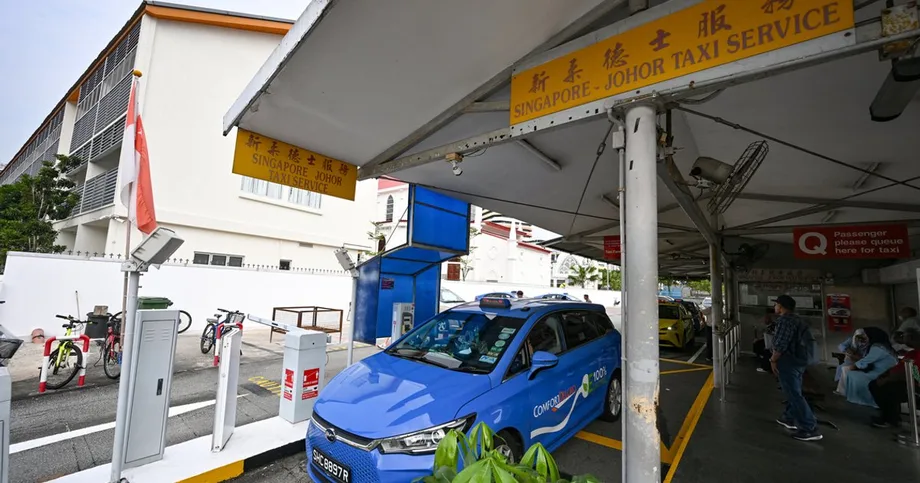
The Cross Border Taxi Scheme is the only legal point to point car service between Singapore and Johor Bahru. Up to 200 taxis from each side hold licences for the route. Their permission to cross the border comes with limits on where passengers can be picked up and dropped off.
Singapore taxis may collect passengers anywhere in Singapore, but they can only drop them off at Larkin Sentral in Johor Bahru. Malaysian taxis may collect passengers in Malaysia and bring them into Singapore, but their Singapore drop off point is Ban San Street Terminal in Rochor.
A licensed taxi can therefore provide a pickup from a Singapore home or hotel, followed by a ride to Larkin Sentral. Travellers going somewhere else in Johor Bahru need to plan the next part of their journey from that terminal.
Fares are regulated and charged per taxi, rather than per passenger. A trip from Ban San Street Terminal to Larkin Sentral costs S$60. A pickup from a home or hotel in Singapore costs S$80, and an airport pickup costs S$120. Taxis typically carry up to four passengers with hand luggage.
Four travellers sharing the S$60 terminal fare would each pay S$15. Sharing an S$80 pickup would bring the cost to S$20 each, while an S$120 airport trip would work out at S$30 each. These amounts use the full taxi fare divided equally among four people.
Travellers can look for official decals and use the designated taxi queues at Larkin Sentral and Ban San Street Terminal. Sharing a taxi with fellow travellers at the terminal can reduce the cost per person. Keep cash ready and confirm the fixed fare before boarding.
ComfortDelGro bookings begin on September 25
ComfortDelGro, Singapore's largest taxi operator, plans to launch bookings for journeys across the border on September 25. The company intends to deploy 90 cabbies with valid licences for the service.
Bookings will be accepted up to 24 hours in advance through the hotline at 6552 1111. The fixed fare will be S$80 from most pickup points in Singapore to Larkin Sentral, S$60 from the Ban San Street taxi stand and S$120 from the airport.
The new booking option makes a licensed taxi easier to arrange before departure. The destination restriction remains: passengers travelling from Singapore will be taken to Larkin Sentral, rather than directly to another address in Johor Bahru.
Officials are also studying whether licensed taxis can be booked through apps and whether boarding and alighting points can be widened. Any changes require agreement between both governments and will take time. For now, the designated terminals remain the drop off points on the other side of the border.
Travellers should ignore touts offering rides from door to door across the border. Malaysian officers have seized Singapore registered vehicles found operating without permits in Johor Bahru. An unlicensed ride can end abruptly if the vehicle is detained at a checkpoint, as well as leaving passengers without proper accident insurance.
Private cars need permits, insurance and toll payment
Driving a private car into Malaysia is allowed, including travelling in a car driven by someone you know. A rental driven by the traveller is also an option, but the vehicle's documents, insurance and any rental surcharge need to be checked before departure. Private hire vehicles are not permitted to provide transport services across the border.
Malaysia requires a Vehicle Entry Permit, or VEP, for vehicles registered abroad. From July 2025, VEP registration and an RFID tag are compulsory for entry. RFID is the tag system associated with the vehicle's registration and can also be linked to a wallet for payments.
Drivers can register through the official Vehicle Entry Permit portal, then follow the instructions to collect or install the tag. Keep the registration confirmation with the other documents needed for the journey.
A driving licence, vehicle documents and insurance covering travel in Malaysia should be ready before setting off. Drivers must also have a way to pay tolls and checkpoint charges, such as a Touch n Go card or a wallet linked to RFID for Malaysian highways.
- Register for the VEP and keep the confirmation.
- Follow the instructions for collecting or installing the RFID tag.
- Bring a driving licence and vehicle documents, and check insurance coverage for Malaysia.
- Top up a Touch n Go card or arrange RFID payment for tolls.
- Save the route in a map app and check live traffic before leaving.
A private car offers flexibility for families and groups, but the cost varies with distance, tolls and parking. Travellers should also account for VEP related fees and any surcharge attached to taking a rental into Malaysia.
The five minute train ride and the coming RTS Link
KTM's Shuttle Tebrau is the only rail option between Singapore and Johor Bahru until the Rapid Transit System Link opens. It runs between Woodlands Train Checkpoint and JB Sentral, with a journey time of about five minutes.
A ticket into Malaysia costs S$5, while a ticket into Singapore costs RM5. Seats are limited, and services during peak hours sell out quickly. KTM releases tickets in advance, so travellers should book through the KTM booking website before planning around a particular departure.
The train is the fastest option when seats are secured in advance. Its short ride makes it attractive for a fixed schedule, although travellers still need to leave time for checkpoint procedures.
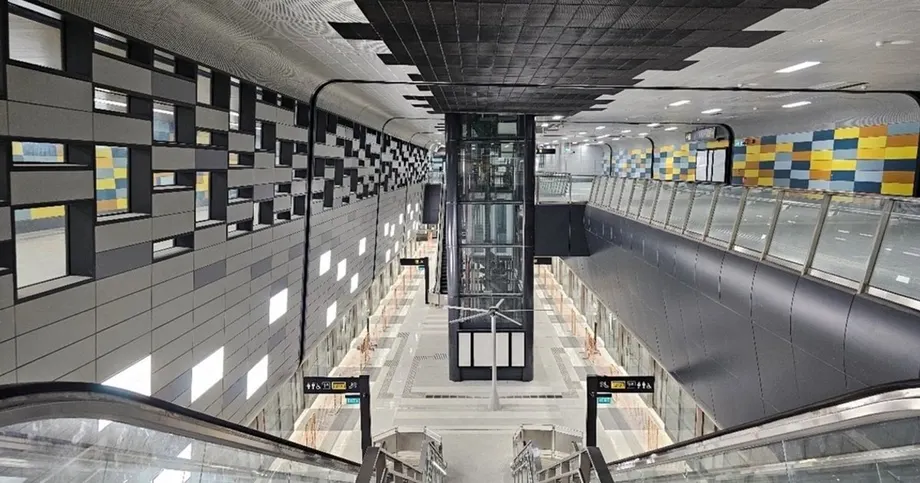
The RTS Link is scheduled to begin operations at the end of 2026. It will connect Bukit Chagar in Johor Bahru with Woodlands North in Singapore, with high capacity designed for busy commuter periods. Officials have not announced its fares.
The new link is expected to reduce pressure on the Causeway by moving many daily journeys to rail. Shuttle Tebrau services will cease within six months after the RTS Link begins operating.
Walking and cycling require care beside traffic
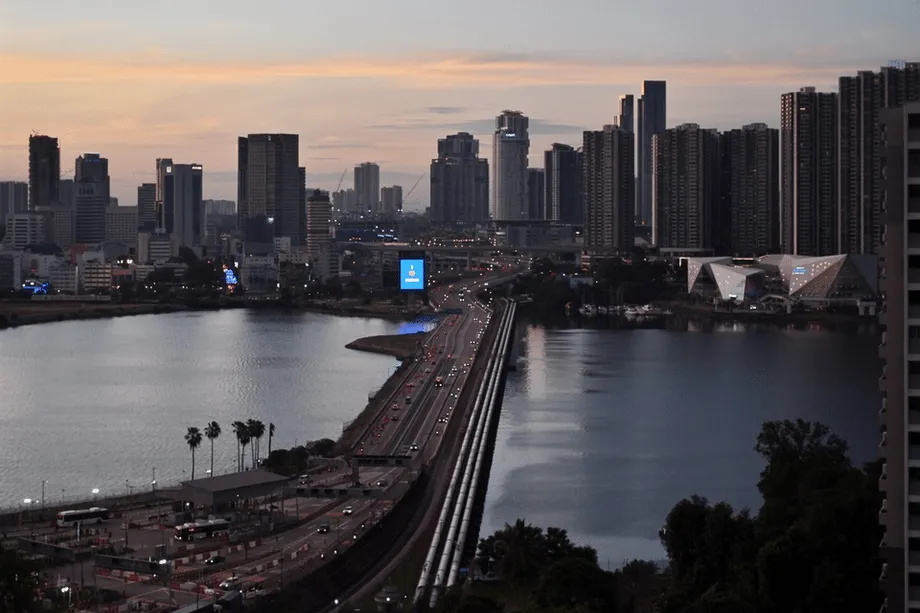
Pedestrians can walk across the Causeway. After immigration clearance, a dedicated walkway on the Malaysian side leads across the straits. The distance is modest, but the surroundings can be hot and noisy.
People choosing to walk should carry water, wear comfortable shoes and keep watch over their belongings near traffic. Walking avoids buying a bus or train ticket for the crossing, but travellers still need to complete immigration procedures.
Cyclists clear immigration alongside motorcyclists, then ride across the Causeway following the same general traffic flow. Lights and helmets are recommended. Wet weather and darkness require extra care.
Passports, arrival cards and QR clearance
Travellers should bring a passport with at least six months of validity. Many visitors to Malaysia must submit the Malaysia Digital Arrival Card up to three days before entry. Check the current requirements and complete the form, where required, through the official Malaysia Digital Arrival Card portal.
Tourists heading back to Singapore should submit the SG Arrival Card within three days before arrival. The official Singapore immigration website provides access to the relevant information and submission arrangements.
Malaysia is trialling immigration clearance using QR codes at Johor Bahru checkpoints until February 28, 2026. Families and groups can generate a single group QR code summarising the travellers' details for faster processing. Every person must still carry a passport.
Singapore also supports QR clearance for car passengers at its land checkpoints. The MyICA mobile app can generate a group QR code for inspection at car counters. Travellers using it should have their passports available for the journey.
Many Singapore passport holders can use electronic gates in Johor Bahru after a single manual verification. These gates can help travellers get through queues during busy periods. Keep documents ready and avoid using mobile phones in clearance zones unless an officer instructs you to do so.
Choose departure times with room for delays
Weekday mornings before 10 am and afternoons before 4 pm are usually smoother periods for crossing. Friday evenings, the eve of public holidays and long weekends often bring very long queues.
Traffic cameras and transport operator updates are worth checking before departure. Travellers with a flight, a fixed reservation or another appointment should build in extra time, whichever mode they choose.
A bus offers the lowest typical fare, but passengers must get off at both checkpoints and wait for another service after clearance. A licensed taxi provides a pickup from a home or hotel at a fixed fare, followed by a drop off at the designated terminal. Driving gives families and groups more flexibility, with permit requirements and toll payments to organise.
Shuttle Tebrau offers the fastest ride when advance tickets are available. Walking and cycling provide further legal options, with heat, weather and nearby traffic affecting the journey.
- Singapore public buses: about S$1.81 to S$2.41.
- Causeway Link and similar operators: typically S$2.60 to S$6, depending on the service.
- Licensed taxis to Larkin Sentral: S$60 from Ban San Street Terminal, S$80 from most Singapore pickup points and S$120 from the airport, per taxi for up to four passengers.
- Shuttle Tebrau: S$5 into Malaysia and RM5 into Singapore.
- Private cars: variable costs for distance, tolls, parking, VEP related fees and any rental surcharge.
Dates that affect travel plans
Several changes are already in place or scheduled. The VEP requirement applies now, while ComfortDelGro's new booking service is due to start two days after September 23.
- July 2025: VEP registration and an RFID tag become compulsory for foreign registered vehicles entering Malaysia.
- September 23, 2025: ordinary app rides across the border remain illegal, and the existing licensed transport options continue.
- September 25, 2025: ComfortDelGro plans to begin bookings for licensed taxi journeys to Larkin Sentral.
- February 28, 2026: the scheduled end of Malaysia's QR immigration clearance trial at Johor Bahru checkpoints.
- End of 2026: the planned start of RTS Link operations between Bukit Chagar and Woodlands North.
- Within six months of the RTS Link opening: Shuttle Tebrau will cease operating.
Travellers making plans for the current crossing should use the services and designated terminals already permitted. Proposed app bookings for licensed taxis and wider boarding or alighting arrangements still require agreement between the two governments.
At a Glance
- Ordinary ride hailing services across the border are illegal. Enforcement includes fines and vehicle seizure, and passengers usually lack proper insurance coverage.
- Legal choices include public buses, licensed coaches and taxis, private cars and eligible rentals driven by travellers, Shuttle Tebrau, walking and cycling.
- SBS Transit routes 160, 170 and 170X and SMRT route 950 cross through Woodlands.
- Licensed Singapore taxis drop passengers at Larkin Sentral. Licensed Malaysian taxis entering Singapore drop passengers at Ban San Street Terminal.
- Taxi fares are S$60 from Ban San Street, S$80 from most Singapore pickup points and S$120 from the airport, charged per taxi.
- ComfortDelGro plans to start bookings on September 25 with 90 licensed cabbies, through 6552 1111.
- Foreign registered vehicles need VEP registration and an RFID tag from July 2025.
- Shuttle Tebrau takes about five minutes and costs S$5 into Malaysia or RM5 into Singapore.
- Malaysia's QR clearance trial runs until February 28, 2026. Singapore car passengers can use group QR codes through MyICA.
- The RTS Link is scheduled to open at the end of 2026. Shuttle Tebrau will cease within six months of its opening.
- Weekday mornings before 10 am and afternoons before 4 pm are usually smoother. Friday evenings and holiday periods often bring long queues.