A surprise winner among 46 Expo mascots
Germany's Circular won a mascot popularity poll at Expo 2025 Osaka Kansai, taking the spotlight ahead of the event's familiar official character, Myaku Myaku, as the exhibition entered its final weeks. The result crowned a relatively rare presence on the grounds: there is only one Circular costume at the site.
Contents
- A surprise winner among 46 Expo mascots
- How Circular turns an economic idea into a character
- Myaku Myaku remains the Expo's familiar face
- A stage celebration brings the characters together
- Why a rare encounter can attract attention
- An exhibition built around life and connection
- Tickets, queues and the rhythm of a visit
- Czechia's René shows another way to tell a national story
- The final weeks and the memories that follow
- Key Points
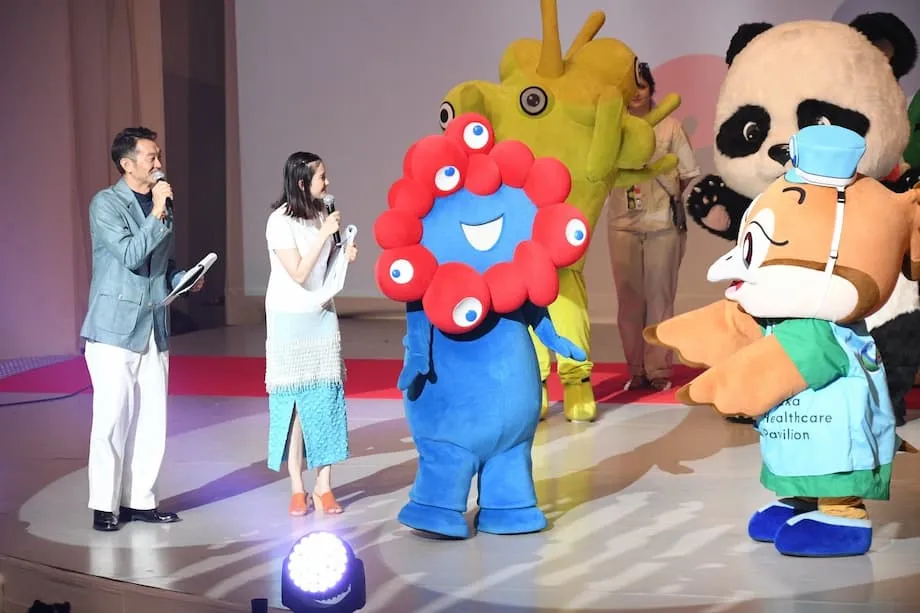
The announcement came during a celebration featuring 46 costumed mascots, a parade, a multicultural fashion show and a brass band performance. Characters ranging from animals to fantasy creatures marched, posed and danced. DJ Hello Kitty also made a cameo, bringing a burst of pop culture to a gathering that drew cheers from the crowd.
Many had expected Myaku Myaku to win after months of visibility across the venue and on merchandise. Circular's victory surprised onlookers and delighted fans of the less familiar character. Organizers announced the winner without releasing the full ranking, so Myaku Myaku's exact position was not disclosed.
Circular is a cherub with a shape resembling bubbles. Its name and rounded design connect to the German Pavilion's central idea: a circular economy, in which products and materials remain useful through repair, reuse and recycling instead of quickly becoming waste.
Visitors could also design a digital Circular on the German Pavilion website, giving them a personal connection to the character beyond a photograph with the costume. Reactions on social platforms were positive, with many fans describing the mascot as cute and disarming.
As of September 20, the Expo still had several weeks to run before its October 13 closing date. Circular's win added a new focal point to an event where mascots had already become part of visitors' daily photographs, souvenir purchases and memories.
How Circular turns an economic idea into a character
Circular's soft spheres and friendly proportions give a complicated subject an approachable face. The simple outline is easy to recognize in a crowded photograph, while the character's appearance appeals to children. Its name points directly to the message Germany wants visitors to take from its pavilion.
A circular economy keeps products, components and materials in use at their highest value for as long as possible. Repairing an item or using it again can preserve more of its value than breaking it down into raw materials. Recycling comes later, when those other uses have been exhausted.
Germany's mascot translates that approach into a playful form. Instead of asking every visitor to absorb a lengthy explanation, the pavilion offers a character associated with loops, reuse and keeping materials in circulation. The broader message is to move away from a straight sequence of making something, using it and throwing it away.
The digital activity extends that connection. Guests invited to customize their own Circular could give the mascot a personal appearance and carry a piece of the pavilion's story back to their hotel or home. The experience therefore reaches beyond the brief moment of meeting a performer in costume.
The single physical costume also made appearances feel special. Visitors shared sightings online, giving the search for Circular something of a treasure hunt quality. The mascot could gain attention through those encounters while remaining less common than the Expo's official character.
Myaku Myaku remains the Expo's familiar face
Myaku Myaku has been the public face of the Expo since its gates opened. Visitors encounter the character in souvenir shops, on signs and at photo spots throughout the grounds, whose layout is defined by a large circular structure. Plush toys, stationery and other merchandise have been reliable hits with guests.
The character's unusual appearance grew out of the Expo's visual identity. Several years before the event, its bold, asymmetrical logo prompted reactions ranging from surprise to fan art. The logo's flowing, cellular style carried into Myaku Myaku, helping turn an initial conversation starter into a familiar figure on bags and in parades.
The Bureau International des Expositions, the intergovernmental body that oversees World Expos, describes the character in its official materials:
The official mascot, Myaku Myaku, is inspired by the Expo logo and water, symbolizing fluidity and continuity.
Life and connection are central to the Expo's theme, and Myaku Myaku gives those ideas a recognizable form. Its presence across the site also provides a consistent identity for an event containing many different national and corporate pavilions.
Familiarity can have a different effect in a single popularity vote. A character seen on almost every shelf and sign offers less novelty than one visitors still regard as a discovery. Circular's success captured that burst of affection, while Myaku Myaku continued to serve as the Expo's main symbol.
A stage celebration brings the characters together
The celebration offered a concentrated view of the activities visitors had encountered since April. A multicultural fashion show presented traditional attire alongside contemporary design, while the Osaka Toin High School Brass Band delivered an upbeat performance that drew applause from families and school groups.
City and prefectural leaders took the stage to thank staff, volunteers, international participants and the thousands of attendants helping pavilions operate smoothly. Their remarks placed the mascot festivities within a wider recognition of the people keeping the exhibition running.
The 46 costumed characters entered from different directions and gathered for photographs. They represented national themes, corporate pavilions and partner groups, creating a moving display of the different ways Expo participants had chosen to introduce themselves.
DJ Hello Kitty's energetic appearance had people waving and filming. The popularity poll announcement capped the sequence. Circular raised a hand to the crowd, Myaku Myaku posed nearby and visitors continued taking pictures.
Keeping the announcement focused on the winner maintained the celebration's friendly tone. Without a complete list of places, the event centered on Circular's success rather than an extended comparison of every mascot taking part.
Why a rare encounter can attract attention
Circular combined three features that help explain its appeal: a scarce costume appearance, a clear story and a design that photographs easily. Each feature supported the others. A visitor could recognize the character quickly, connect it to Germany's sustainability message and share the encounter with people who had not yet seen it.
Many guests did not expect to find Circular before discovering its friendly shape and straightforward theme. In group photographs, a simple silhouette can stand out among more complicated designs. Images shared during a live event can then bring a character to the attention of the next wave of visitors.
Myaku Myaku occupied a different position. Its broad visibility was valuable for the Expo's identity and merchandise, but a casual vote could favor a mascot that still felt like a find. The large and varied field gave visitors plenty of alternatives to the best known character.
By the later months of the Expo, photographs and short videos had helped visitors build their own lists of characters to seek out. Circular became one of those targets. New sightings supplied more images, which in turn encouraged further interest.
Germany's message also required little wordplay to understand. The name Circular connects directly to the subject, and its rounded outline is recognizable from a distance and in different lighting. A child approaching for a photograph can engage with the character before reading the pavilion's signs.
An exhibition built around life and connection
Expo 2025 Osaka Kansai opened on April 13 and is scheduled to close on October 13. More than 150 countries and international organizations are participating. Its theme, Designing Future Society for Our Lives, is organized around three supporting themes concerning health, empowerment and connection.
The exhibition occupies Yumeshima, an artificial island in Osaka. Its defining structure is the Grand Ring, a circular roof that links different zones and provides shade. Pavilions present technology, culture and ideas for more sustainable ways of living.
The Bureau International des Expositions sets out the event's purpose in its official overview:
The Expo provides a platform for people worldwide to explore the theme of life, fostering interaction among diverse values and resulting in new networks and creative endeavors.
Mascots fit into that exchange by giving visitors an immediate point of contact with a pavilion's subject. A country can express an idea through a character even when a passing guest cannot read its language or has only a short time to stop.
The exhibition's main dates provide a simple timeline:
- April 13, 2025: Expo 2025 Osaka Kansai opened on Yumeshima.
- Summer 2025: Ticket sales passed the level needed to cover operating costs.
- September 20, 2025: The Expo was in its final stretch, with Circular's mascot poll victory adding to visitor interest.
- October 13, 2025: The Expo is scheduled to close.
Tickets, queues and the rhythm of a visit
Ticket sales passing the operating cost threshold during the summer marked a milestone after earlier concerns about construction schedules and advance sales. The event was expected to attract many millions of visits before closing, making visitor management a continuing priority.
A reservation and lottery system helps distribute entry to popular pavilions. Lines form early for the most discussed exhibits, and families often organize blocks of their day around those visits. The system helps pace access where demand exceeds the number of people an exhibit can accommodate at once.
The Grand Ring, food choices and frequent live performances offer other places to spend time, spreading movement around the site throughout the day. The Expo arena hosts occasional live events that also give large groups somewhere to pause.
Many guests collect pavilion stamps in booklets. Mascot meetings provide another set of small goals between larger attractions, creating moments for photographs and brief encounters across the grounds.
Those pauses are part of the visitor experience as well as the event's identity. A family moving between scheduled pavilion entries can stop for a character photograph, while the resulting image may introduce someone else to a pavilion they had not considered visiting.
Czechia's René shows another way to tell a national story
Czechia's René illustrates how a pavilion mascot can connect a country's cultural traditions with the tastes of its host audience. The character reflects Czechia's legacy in glass art while also drawing on Japanese pop aesthetics.
Organizers describe René as a friend of Myaku Myaku, presenting the relationship as part of the friendly ties countries can build at the Expo. They explain the character's identity in these words:
René is a crystalline being, as friendly and playful as glass itself, originating from the Czech Republic galaxy.
René appears on staff uniforms and a special postage stamp. Those uses carry the character beyond an encounter with a costume, extending the pavilion's identity through design, music and merchandise.
Other Expo mascots use national animals or familiar symbols. Some rely on invented creatures intended to catch a visitor's attention during a brief walk past a pavilion. Together, the characters form a lively gallery of national and organizational choices.
European pavilions have maintained a visible presence across the grounds, with visitor interest in several remaining strong in recent months and long lines forming at peak times. Germany's Circular and Czechia's René show two different approaches within that presence: one built around an economic idea, the other around an artistic tradition.
The final weeks and the memories that follow
October 13 leaves late visitors a shrinking window to see the Expo. Demand is expected to become concentrated into fewer days, with longer weekend lines. Characters will continue appearing across stages and plazas, giving guests further opportunities to take the photographs they had hoped to collect.
Circular and Myaku Myaku could both feature in closing sequences, reflecting different parts of the story told at the site. Circular now carries the distinction of winning the mascot poll, while Myaku Myaku remains the exhibition's central character and is likely to retain that association after the fair ends.
Discussions about the Expo's legacy include preserving parts of the Grand Ring. Mascots will also survive through merchandise, museum displays and the pictures stored on millions of phones.
Germany's victory brought attention to a compact message: reduce waste and keep materials useful. Across the grounds, characters turned similarly broad themes into brief, personal encounters. For visitors, a photograph with a mascot could become both a souvenir and a reminder of the idea behind a pavilion.
Key Points
- Germany's Circular won the Expo 2025 Osaka Kansai mascot popularity poll; organizers did not release the full ranking.
- The celebration featured 46 mascots, a parade, a multicultural fashion show, the Osaka Toin High School Brass Band and DJ Hello Kitty.
- Only one Circular costume is present at the site, and visitors could customize a digital version through the German Pavilion website.
- Circular represents a circular economy, keeping products and materials useful through repair, reuse and recycling.
- Myaku Myaku remains the Expo's official mascot, with a design inspired by the event's logo and water and popular merchandise across the venue.
- Czechia's René connects glass art with Japanese pop aesthetics and appears on staff uniforms and a special postage stamp.
- The Expo opened on April 13 and closes on October 13, with more than 150 countries and international organizations participating.
- Ticket sales passed the level needed to cover operating costs during the summer, while reservations and lotteries help manage popular pavilion entries.