Four days without tolls anchor a longer holiday
South Korea will waive tolls on all expressways from October 4 to October 7 as part of a Chuseok travel package that includes half price rail packages, free admission to public attractions and 150,000 lodging coupons for stays in 31 designated disaster relief areas. The measures seek to reduce household travel costs and bring visitor spending to communities across the country.
Contents
- Four days without tolls anchor a longer holiday
- Which attractions will be free, and when?
- Lodging coupons target disaster relief areas
- Food support and autumn discounts widen the package
- Korail reservations come with several deadlines
- How travelers can improve their booking chances
- Free roads still require time and preparation
- Seoul sightseeing and trips into nature
- Finding medical care and an open pharmacy
- At a Glance
The calendar gives many families room for an extended break. National Foundation Day falls on October 3 and Hangeul Day on October 9, with Chuseok between them. Travelers able to arrange their time off could stretch the holiday to as long as 10 days. That opportunity also means strong competition for train seats and space on the roads.
Free admission will operate on different dates for heritage sites, museums, the Korea National Arboretum and national recreational forests. Rail packages serving regions with declining populations will be discounted by 50 percent from October 2 to October 12. The staggered schedule aims to spread visits across the holiday and give local attractions a steadier flow of customers.
The holiday measures sit alongside food price support and a broader Autumn for Travel campaign running through November. Together, they form one of the most generous seasonal benefit packages in recent memory. For families, the practical task is matching each discount to the right date, destination and booking conditions, while keeping track of rail payment deadlines that begin falling before September ends.
Which attractions will be free, and when?
All expressways nationwide will be free of tolls from October 4 through October 7. Drivers can pass through tollgates without paying, lowering the cost of family visits and regional trips. Heavier traffic is expected on the first and last days of the waiver, making flexible departure times useful.
Public attractions will have several separate admission windows. National heritage sites and the Korea National Arboretum will offer free entry from October 3 to October 9. National museums follow from October 5 to October 8, while national recreational forests will be free from October 6 to October 9.
Naver Map and Kakao Map listings can help travelers check participating venues and opening hours. The dates matter when combining several stops: a forest visit and a museum visit may qualify for free entry on different parts of the same trip.
Tourist rail packages to regions with shrinking populations will be available at half price from October 2 to October 12. The offer applies to designated packages, with limited availability. Its purpose is to direct more holiday spending toward towns that would benefit from additional visitors.
Lodging coupons target disaster relief areas
The government will issue 150,000 lodging coupons for accommodation in 31 designated disaster relief areas. Coupons will be worth 50,000 won for rooms priced above 70,000 won and 30,000 won for cheaper rooms.
Accommodation must be within the designated areas, and the supply of coupons is finite. Travelers should check the exact price conditions and other terms when booking, since coupons can run out quickly during popular travel weeks.
Gangwon Province is also promoting accommodation that accepts pets during the peak October travel season, including Chuseok. Its coupons will be issued daily in order of application and will apply only to participating properties within the province.
The Gangwon coupons cannot be combined with other discounts, and the campaign may end early if its funding is exhausted. The province is highlighting nature and outdoor leisure as attractions for families traveling with pets, reflecting the wider growth of road trips and stays that include them.
Food support and autumn discounts widen the package
Holiday costs extend beyond tickets and hotel rooms. To help stabilize food prices, the government is releasing 172,000 tons of major food items and expanding discount programs worth 90 billion won. About 2,700 markets selling directly to consumers will operate nationwide.
Popular gift sets, including fruit baskets and premium hanwoo beef, will receive discounts of up to 50 percent. The measures aim to ease the cost of preparing holiday meals and sending presents, two major parts of Chuseok household spending.
The Autumn for Travel campaign brings together multiple ministries and economic groups to coordinate transport, accommodation and travel product discounts through November. Its benefits include a 50 percent reduction on tourist trains, 10,000 won off the Tomorrow Pass for rail travel and a 20,000 won discount on local airline routes.
Express and intercity bus travel to areas with declining populations will be discounted by 30 percent. Onnuri gift certificates will also be used as rewards in environmentally friendly driving programs. The wider aim is to make travel more affordable, attract visitors to places that receive less attention and distribute spending beyond the largest cities.
Small businesses and rural producers are part of the effort. Early payments to small suppliers are intended to ease pressure on their cash before the holiday. Campaigns encouraging purchases of Korean agricultural gift sets seek to direct more spending toward farms and local markets.
Regional tourism promotion will feature new attractions and places that visitors may have overlooked, including renovated coastal observatories and forest healing centers. These destinations are intended to give people reasons to return to regional areas.
Korail reservations come with several deadlines
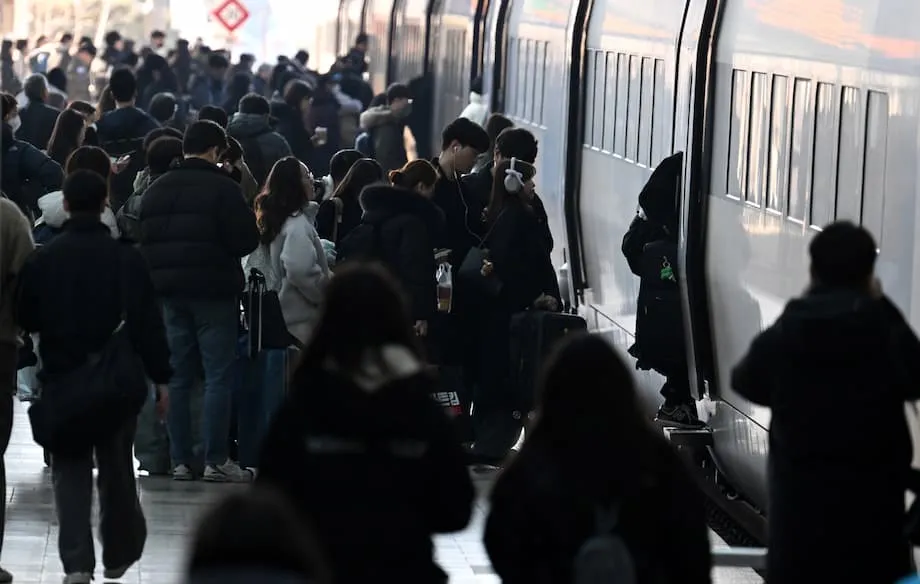
Korail opened priority reservations on September 15 and 16 for seniors over 65, registered passengers with disabilities and veterans. General online reservations take place on September 17 and 18. The timetable was adjusted following track safety changes in August, when a rail accident prompted a review.
The booking rush has already put pressure on the system. Reservation traffic rose to several times its normal level when sales opened. Korail acknowledged service interruptions and extended reservation hours while working to restore normal operations.
Police authorities have also said they will crack down on macro programs used to buy tickets in bulk for resale. These programs automate purchases, increasing frustration for ordinary passengers competing for seats.
Travelers have several dates to watch, including the release of unsold seats and separate payment deadlines for general and priority reservations:
- September 15 to 16: Priority reservations for seniors over 65, registered passengers with disabilities and veterans.
- September 17 to 18: General online reservations.
- September 18 at 3 p.m.: Unsold seats become available through KorailTalk, the official website and station counters.
- September 21: Payment deadline for general reservations.
- September 24: Payment deadline for priority reservations.
Unpaid reservations are canceled automatically and offered to passengers on the waiting list. Holding a reservation is therefore only one step: payment must be completed by the relevant deadline.
The Korail reservation website lists sales windows, payment cutoffs and travel notices. KorailTalk and the website also handle tickets returned through cancellations and seats offered through the waiting service.
How travelers can improve their booking chances
Passengers can save time by signing in to their Korail account before sales begin and writing down their preferred train number, route, travel date and departure time. Backup choices help when the first option sells out.
Sales can open by railway line, including Gyeongbu or Honam, so passengers should check that they are using the correct booking page. Keeping the app open on a phone and the website on a computer provides two ways to access the service when demand is heavy.
Payment should be completed promptly. Travelers should also watch for cancellations, especially around the payment deadlines, when unpaid bookings return to the system. The waiting service allows passengers to register for particular trains and receive an alert when a seat becomes available.
Flexibility can widen the choices. Seats facing backward may be easier to find, while standing tickets provide another way to travel when seats have sold out. Early morning and late evening departures generally face less competition than the most popular services.
Connecting journeys may help when a direct route is full. Options include using a slower railway line for part of the trip or combining rail travel with a regional bus. Express and intercity buses often add holiday capacity, and the autumn campaign includes discounts on routes serving regional areas.
Free roads still require time and preparation
The toll waiver reduces driving costs while also attracting more cars. Outbound traffic usually peaks on the first full day of the Chuseok break, with the heaviest return traffic typically arriving on the final day of the journey home.
Drivers whose schedules allow it can consider leaving a day earlier or later. Extra time is also useful for rest areas, where queues can grow around mealtimes. Navigation apps offer changing route suggestions and often display congestion at rest areas and fuel prices.
Vehicle checks before departure should include tires, fluids and a basic roadside kit. Drivers can also check whether their city or province offers Onnuri gift certificates for meeting environmentally friendly driving goals or using park and ride facilities.
Express and intercity bus apps can help passengers compare alternatives by showing additional holiday capacity and prices associated with the autumn campaign. A journey that combines public transport with a local bus can also avoid the problem of finding parking at a busy destination.
Seoul sightseeing and trips into nature
Seoul and other large cities can become pleasant places to explore as residents leave to visit family elsewhere. Major attractions tend to remain open, although smaller restaurants and shops may close for a day or two. Convenience stores continue operating, and many museums and heritage venues plan special holiday activities.
Palaces and heritage grounds offer opportunities to use the free admission windows. Wearing a hanbok remains a popular activity for photographs at places such as Gyeongbokgung and Jongmyo. Namsangol Hanok Village and the Korean Folk Village stage performances, traditional games and craft activities for the holiday.
Visitors seeking city views can consider Seoul Sky Observatory at Lotte World Tower or N Seoul Tower on Namsan. Crisp autumn air adds to the appeal of these viewing spots.
Outside the city, Nami Island, the Garden of Morning Calm and the Gangchon rail bike are established options for day trips from the capital. Fall colors begin appearing in October, adding another reason to plan time outdoors.
Hikers can look to Bukhansan, Gwanaksan and other mountains around the capital for quieter trails. Travelers with more time can consider Seoraksan or Jirisan for higher peaks and broader views. Routes reached by subway or regional bus can reduce the strain of parking and holiday road traffic.
Opening hours still matter when combining sightseeing with family visits. Naver Map and Kakao Map identify participating museums, heritage sites and arboretums and their free admission periods, helping travelers match a destination to the right day.
Finding medical care and an open pharmacy
Clinic closures can make it harder to find care during Chuseok, but several telephone services and online tools provide help. Calling ahead is useful to confirm that a hospital, clinic or pharmacy is operating before setting out.
The Health and Welfare Counseling Center is available on 129. It provides urgent care guidance and counseling for emergencies, abuse and mental health around the clock. For urgent situations requiring emergency responders, call 119. Local government call centers on 120 can help locate nearby hospitals or clinics that are open.
The E Gen medical portal lists emergency rooms, hospitals and pharmacies on maps showing their operating status. Travelers can also check expected waiting times and directions before going.
For children, Dalbit Children Hospitals provide pediatric services outside normal hours, without the typical delays and costs associated with emergency rooms. As of September, 46 clinics operate nationwide, including locations in Seoul, Busan, Daegu and Gyeonggi Province.
Holiday Keeper Pharmacies provide access to medicine when most neighborhood pharmacies are closed. The Pharm 114 website lists pharmacies open on holidays, overnight or throughout the day. It also provides guidance on common medicines available without a prescription and their proper use.
Basic fever reducers, digestive medicines and bandages can help families avoid a long journey for mild symptoms. Saving medical and pharmacy links on a phone before the break makes them easier to find when needed.
At a Glance
- All South Korean expressways will waive tolls from October 4 to October 7.
- National heritage sites and the Korea National Arboretum will offer free entry from October 3 to October 9.
- National museums will be free from October 5 to October 8, and national recreational forests from October 6 to October 9.
- Designated rail packages to regions with declining populations will be discounted by 50 percent from October 2 to October 12.
- The government will issue 150,000 lodging coupons for 31 disaster relief areas, worth 50,000 won or 30,000 won according to room price.
- Food support includes 172,000 tons of supplies, 90 billion won in discount programs and about 2,700 markets selling directly to consumers.
- The autumn campaign adds discounts on tourist trains, the Tomorrow Pass, local airline routes and selected express and intercity buses.
- Korail general reservations run September 17 to 18. Unsold tickets are released September 18 at 3 p.m.; payment deadlines are September 21 for general bookings and September 24 for priority bookings.
- Gangwon coupons apply to participating accommodation that accepts pets, cannot be combined with other discounts and may end when funding runs out.
- Call 119 for emergencies, 129 for health and welfare guidance, or 120 for local government help. Check E Gen and Pharm 114 for medical services and confirm opening hours.