A lifetime of bringing Malaysians together
For S Vegiyathuman, the measure of a successful sporting event was never confined to the podium. It was also in the thousands of people who turned up, the newcomers who felt welcome and the strangers who found themselves moving through a city together. Over half a century, the organiser widely celebrated as the King of Walks and Runs helped make Malaysian streets places for both sporting ambition and shared national pride.
Contents
- A lifetime of bringing Malaysians together
- From a school runner to a city organiser
- How the Biggie became a shared ritual
- A longer challenge for everyday runners
- The planning behind a smooth start
- When office athletics fed national teams
- International duties and decades at FTAA
- The milestones of a long sporting career
- Pride in the next generation, and missing friends
- What a shared stretch of road can mean
- Key Points
On Malaysia Day, September 16, 2025, his contribution reaches across generations: from the Malay Mail Big Walk to the development of city running, from athletics meetings for bank employees to international officiating. His work connected the practical business of staging a race with a larger purpose, giving Malaysians of different backgrounds somewhere to belong.
Vegiyathuman, now 84, approached mass participation as a national project. Ordinary weekends became occasions when people trained, cheered and laughed together. Elite medals mattered, but so did the experience of walking alongside someone whose life might otherwise never have crossed their own.
Vegiyathuman described that understanding of patriotism through the shared movement of people on the road:
It was also about walking shoulder to shoulder with strangers, moving forward in unison, celebrating the shared rhythm of being Malaysian.
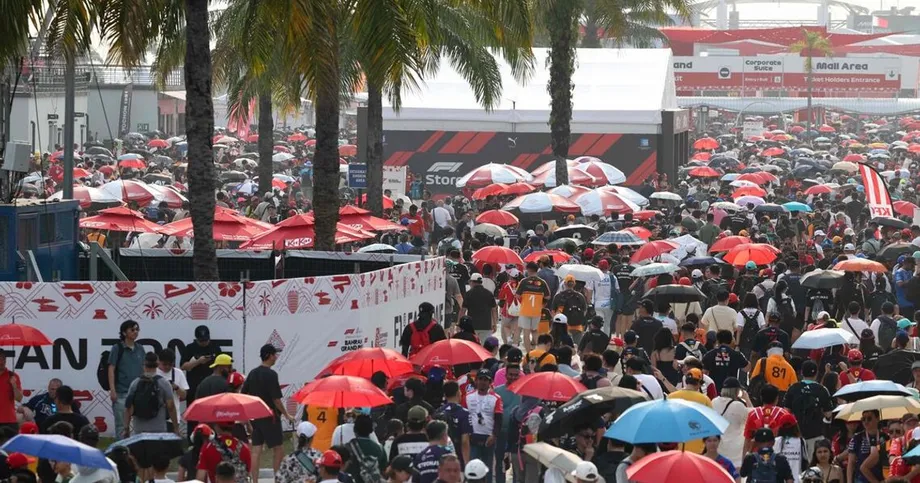
Kuala Lumpur and other Malaysian cities provided the setting for that idea. A crowded starting line could hold experienced competitors, office teams, families and people simply hoping to finish. His attention went beyond who won to who participated, how they were treated and whether the experience encouraged them to return. The rhythm and tempo of a long morning walk could turn unfamiliar faces into neighbours.
From a school runner to a city organiser
Born in 1941 in Bukit Mertajam, Vegiyathuman began as a promising runner. Representing Bukit Mertajam High School, he won cross country titles in Penang in the late 1950s. His coach, KS Nijhar, later entered national politics. Training taught the young athlete discipline while introducing him to the community that could form around sport.
Former athletics administrator A Vaithilingam helped shape his development as an organiser. Vegiyathuman learned the technical work behind an event: laying out a course, applying rules, arranging timing systems and briefing volunteers. Those lessons supplied the foundations for decades of larger gatherings.
By the 1960s, he was working as a police fingerprint examiner at Bukit Aman. The job provided steady employment, while his interest remained firmly on the track and the streets.
In the 1980s, Kuala Lumpur mayor Elyas Omar asked him to organise Sunday runs in city parks to encourage fitness. Thousands responded. Their participation gave Vegiyathuman the confidence to attempt bigger events, including road runs that brought a festival atmosphere to central Kuala Lumpur.
How the Biggie became a shared ritual
The Malay Mail Big Walk, affectionately known as the Biggie, became one of the clearest expressions of his approach. It began in 1960 with fewer than 3,000 walkers. Under his stewardship, participation grew to tens of thousands in its peak years.
Offices assembled teams, families arranged weekends around the event and neighbourhoods came out to watch. What started as a walk became a carnival, with room for people whose ambitions ranged from serious competition to a memorable morning together.
The Biggie also supported race walking, a technical athletics discipline. One foot must always appear to remain in contact with the ground. The advancing leg must be straight from its first contact with the ground until it passes beneath the body. Learning the movement takes years of practice, careful coaching and officials able to judge it accurately.
K Thirumal, whom Vegiyathuman called Malaysia's father of race walking, was among the talents who came through. Others included V Subramaniam, Khoo Chong Beng, G Saravanan, Anastasia Karen Raj and Yuan Yufang.
Their development connected a public event with sporting excellence. Athletes trained where ordinary citizens could see them, showing how an opportunity on a city street could become the beginning of a competitive career.
A longer challenge for everyday runners
In 1989, Vegiyathuman organised what is regarded as Malaysia's first half marathon over 21 kilometres. His purpose was to give everyday participants a challenge requiring preparation, patience and the confidence to keep going, rather than to pursue headlines.
The distance offered a substantial goal that could feel reachable with a few months of consistent training. Completing it gave runners something beyond a finishing time: evidence that regular effort could carry them farther than they had first expected.
Vegiyathuman also founded the Kuala Lumpur International Marathon, which helped prepare the ground for what became the Standard Chartered KL Marathon. By 2013, the event attracted tens of thousands of participants and offered one of the largest prize purses in Malaysia at the time.
Starts and finishes at Dataran Merdeka connected the race with the city's heritage. Beginners, families, corporate teams and elite athletes all had a place in the event. Charity partners benefited as participants raised money while training.
Such gatherings depended on work that spectators might barely notice: permits, medical cover, traffic coordination, timing systems, hydration stations and thousands of volunteers. Vegiyathuman treated those details, particularly safety, as central responsibilities.
The planning behind a smooth start
Colleagues remembered an organiser who checked course layouts at dawn, rehearsed emergency procedures and prepared teams for the exact timing of road closures and race starts. A successful event depended on people understanding their tasks before crowds arrived.
Former national hurdler Anto Keney Martin worked with the team at the RHB Centennial Run in 2013. He recalled how Vegiyathuman maintained that standard even when rain before dawn threatened the schedule:
He was precise in every aspect of safety and security. There was no room for mistakes. Even when rain poured before dawn, he was the first at the venue, ensuring the flag off would be smooth. His wealth of knowledge guided us all.
That consistency helped build public confidence over decades. Participants could trust the arrangements, city agencies could work from realistic and clearly communicated plans, and sponsors could associate their names with events organised carefully.
The less visible work continued through long nights, calls to vendors, final checks of hydration points and encouragement for nervous first timers. People who worked alongside him remembered a presence that steadied teams and raised expectations across the walking and running calendar.
When office athletics fed national teams
Vegiyathuman saw community participation and high performance as connected parts of the same effort. His interbank athletics circuit gave office employees regular competition, access to coaches and a reason to build weekly training into their working lives.
The meetings also supplied athletes to national squads. Describing the circuit at its strongest, Vegiyathuman said:
At their peak, these meetings produced most of the national team. These bank employees could still train and shine for Malaysia.
The arrangement created a practical route between employment and international competition. Employees could keep their jobs while developing the discipline and ability needed to represent Malaysia.
Grassroots advocate Dina Rizal credits Vegiyathuman with laying the foundations for stronger youth work within the Federal Territory Athletics Association (FTAA). Programmes, mentoring and persistent outreach helped establish a culture that continued to draw young people into track and road events. As those teenagers gained confidence, the wider athletics system benefited.
International duties and decades at FTAA
Vegiyathuman's responsibilities extended beyond Malaysia. He served as a walks judge at the World Athletics Championships in Seville in 1999 and at the Athens Olympics in 2004. He also officiated at the Paralympic Games.
Judging at that level required technical knowledge, composure and decisions capable of standing up to close scrutiny. Those appointments reflected the confidence placed in him by the international athletics community.
Across Asia, he conducted courses and clinics for younger officials and organisers. The sessions covered safety planning, marshal training, route design, athlete services and the resolution of disputes on race day. Many people who later organised events around the region learned those practical foundations from him.
At home, Vegiyathuman served as FTAA general secretary from 1985 to 2016. He became president in 2017 and stepped down in 2020, after helping shape an association that supported grassroots races alongside elite competition.
Many involved in the sport described FTAA as a family, looking after established members while giving newcomers a warm welcome. That sense of belonging echoed the approach he brought to public walks and runs.
The milestones of a long sporting career
Vegiyathuman received a datukship during Federal Territories Day in 2014. In 2024, he entered the Olympic Council of Malaysia Hall of Fame, joining other athletes and officials recognised for building the country's sporting record.
The honours acknowledged a career combining technical knowledge with public service. Its main milestones trace a progression from school competition to national organisation and international responsibility:
- 1941: Born in Bukit Mertajam.
- Late 1950s: Won cross country titles in Penang while representing Bukit Mertajam High School.
- 1960: The Malay Mail Big Walk began with fewer than 3,000 participants and later grew under his stewardship.
- 1960s: Worked as a police fingerprint examiner at Bukit Aman.
- 1980s: Organised Sunday park runs at the request of Kuala Lumpur mayor Elyas Omar.
- 1985 to 2016: Served as FTAA general secretary.
- 1989: Organised what is regarded as Malaysia's first half marathon over 21 kilometres.
- 1999 and 2004: Served as a walks judge at the Seville World Athletics Championships and Athens Olympics.
- 2014: Received a datukship during Federal Territories Day.
- 2017 to 2020: Served as FTAA president.
- 2024: Inducted into the Olympic Council of Malaysia Hall of Fame.
The dates record formal achievements. His colleagues also remember the routine work between them: checking arrangements, guiding volunteers and helping people feel ready for their first event.
Pride in the next generation, and missing friends
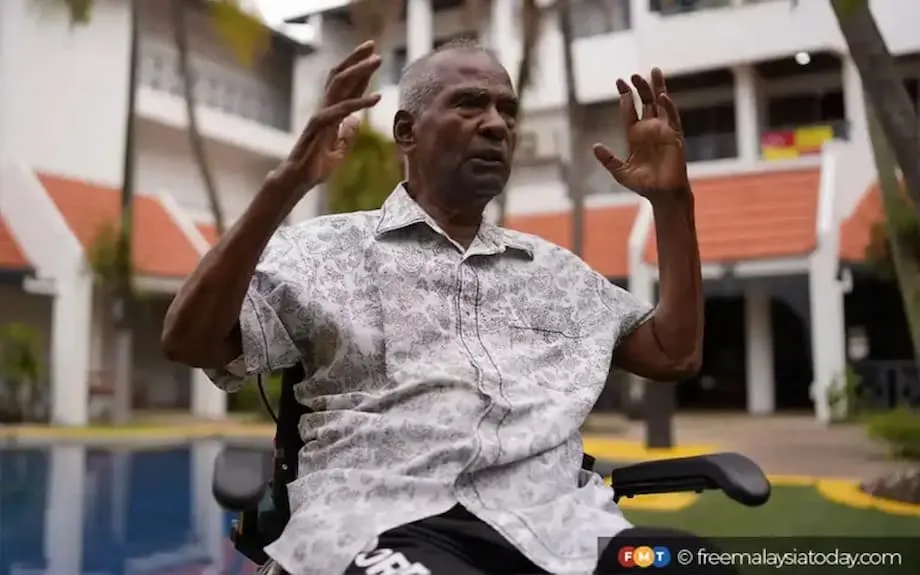
At 84, Vegiyathuman uses a wheelchair following a spinal cord injury. He has lived in an assisted living facility since 2020. His pace of life has slowed, but programmes run by FTAA and its partners continue to give him pride.
Vegiyathuman described seeing younger administrators carry on the work of discovering and supporting athletes:
When I see the grassroots programmes in FT today, and the way young people are being discovered and nurtured, my efforts were not in vain. The new generation of administrators are doing well, and I am proud of what is being carried on.
For the veteran organiser, the purpose remained the same whether a participant was pursuing a national place or entering a first walk. Explaining his motivation, he said:
For me, it was never about personal glory. It was about giving Malaysians a chance to be part of something bigger. Whether you were a future champion or just someone who wanted to finish a walk, you belonged.
Life away from the daily activity of athletics has also brought loneliness. Friends from the sport once filled his days, and Vegiyathuman spoke plainly about missing that company:
I feel lonely here at times. I miss my friends in the athletics fraternity.
FTAA president V Pulanthiran described his mentor as someone whose influence reached officials, athletes and friends throughout the sport:
He inspired many officials and athletes, acted as a mentor to them, and was a friend to everyone he met. For four decades, Vegiyathuman was the livewire of Malaysian athletics. He was the invisible hand that kept the heartbeat of community sport alive.
What a shared stretch of road can mean
Events such as the Biggie and Kuala Lumpur's marathons made streets common ground. A runner from Shah Alam could find a pace alongside a walker from Batu Caves. Volunteers handed cups from the same tables to participants wearing different colours and crests. Repeated over years, those ordinary encounters helped build respect and a sense of shared space.
Training encouraged healthier daily habits, while groups formed around weekly walks and runs gave people reasons to keep returning. Participants met across differences of age, language and profession. Walking's low cost and accessibility reduced barriers that could otherwise keep people away from sport.
Families could take part together when events felt safe and welcoming. Children saw adults practise effort and patience, learning that finishing could matter as much as winning. Young volunteers gained experience in logistics and public responsibility.
City agencies also gained practice in managing crowds calmly and precisely, skills useful during emergencies and national events. The benefits extended beyond a single morning because participants, volunteers and officials carried that experience into later responsibilities.
Vegiyathuman's approach made a well organised walk or run a practical lesson in citizenship: arrive on time, respect the rules, support others and take pride in shared achievement. Those habits sat alongside more personal memories, including a first medal, a first finish at Dataran Merdeka, or the relief of arriving nervous and leaving as part of a team.
For many Malaysians, such memories became reasons to return and bring friends. That connection between careful organisation, sporting opportunity and belonging runs through his career, from a school runner in Penang to an administrator who helped thousands find their place on the same road.
Key Points
- S Vegiyathuman used mass walks and runs to bring Malaysians from different backgrounds together.
- The Malay Mail Big Walk began with fewer than 3,000 walkers in 1960 and grew to tens of thousands under his stewardship.
- He organised what is regarded as Malaysia's first half marathon over 21 kilometres in 1989 and founded the Kuala Lumpur International Marathon.
- His events combined opportunities for beginners and families with routes into competitive athletics.
- Safety planning, precise organisation and volunteer preparation were central to his work.
- His interbank athletics circuit helped employees develop into national athletes.
- He judged at the 1999 World Athletics Championships and 2004 Olympics, and also officiated at the Paralympic Games.
- He served as FTAA general secretary from 1985 to 2016 and president from 2017 to 2020.
- He received a datukship in 2014 and entered the Olympic Council of Malaysia Hall of Fame in 2024.
- As of September 16, 2025, he is 84, uses a wheelchair after a spinal cord injury and takes pride in the next generation of athletics administrators.