A commercial reactor built around a different fuel cycle
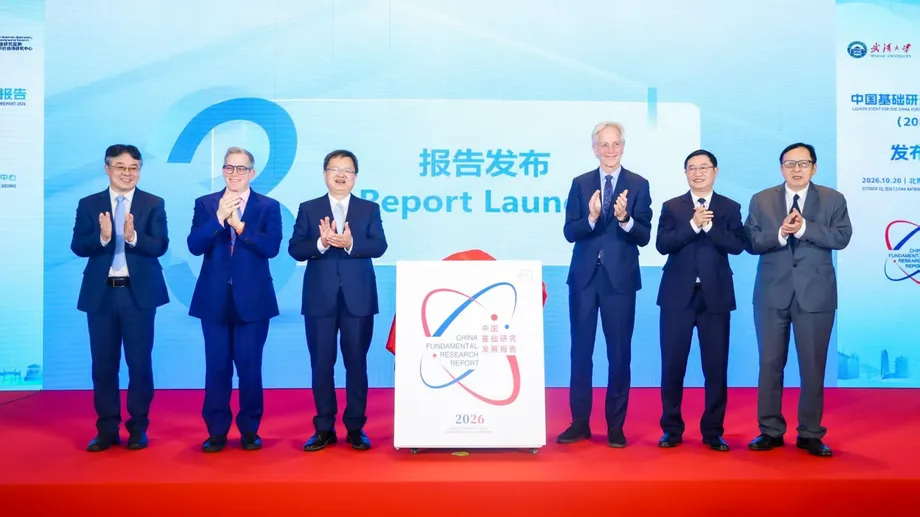
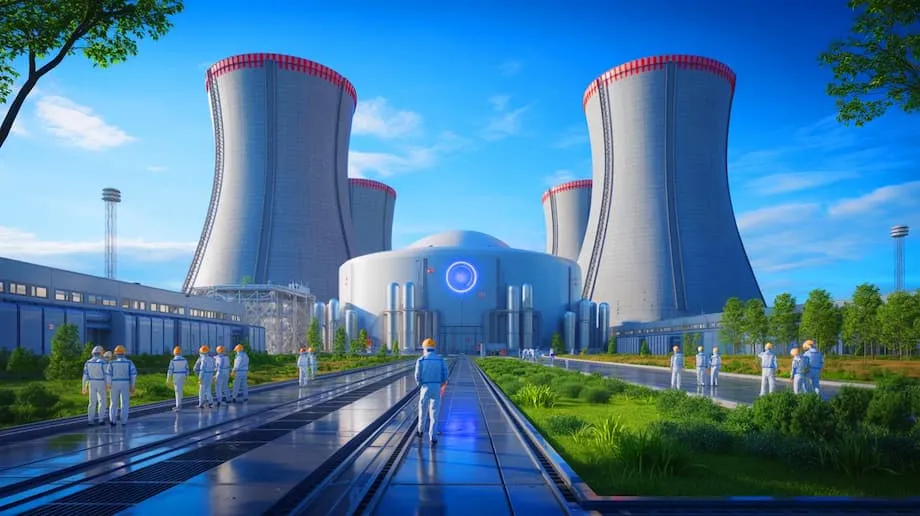
China National Nuclear Corporation has presented the CFR 1000, a fast neutron reactor designed to generate up to 1.2 gigawatts of electricity, with operation targeted for the early 2030s. The widely cited planning date is 2034, subject to safety approvals. Its proposed output, described as enough for around one million homes, would place it among the largest advanced reactors under development.
Contents
- A commercial reactor built around a different fuel cycle
- What changes when neutrons stay fast?
- Why the design uses liquid sodium
- The safety tests facing regulators
- China's route from experiments to a commercial plant
- Fuel manufacturing is as important as the reactor
- Plutonium brings security and safeguards questions
- A global field with different reactor sizes
- Costs, electricity demand and the choice of site
- What must happen before electricity production
- Key Points
CNNC presented the design at a symposium on advanced nuclear energy in Fuzhou, Fujian Province, attended by energy authorities. The company says preliminary design work is complete and the project has entered the licensing phase. A final site and construction cost have not been disclosed.
The CFR 1000 is intended to turn decades of research into a commercial power plant. China's progression runs from the small China Experimental Fast Reactor near Beijing to two CFR 600 demonstration units under construction in Fujian, then to the larger commercial design.
Its central difference from most operating nuclear plants is how it uses neutrons, the particles that sustain a nuclear chain reaction. Conventional pressurized water reactors slow those particles down. The CFR 1000 keeps them moving at higher energies and uses liquid sodium instead of water to carry heat away from its core.
CNNC places the project within the fourth generation of nuclear systems, a group intended to improve fuel use, reduce waste and provide strong safety features. Achieving those goals requires more than a reactor: it also requires facilities that recover usable material from spent fuel and turn it into new fuel.
The project therefore reaches beyond electricity production. Its progress will affect discussions about uranium supplies, climate goals, fuel recycling, plutonium management and international trade in nuclear materials. Chinese regulators will determine the pace, while other countries pursuing fast reactors watch its performance.
What changes when neutrons stay fast?
A conventional nuclear reactor produces heat when neutrons split atoms in its fuel. In a pressurized water reactor, water cools the fuel, carries heat to steam generators and acts as a moderator. A moderator slows neutrons so they are more likely to split uranium 235.
A fast reactor removes that moderating role. Its neutrons retain more energy and can split a wider range of nuclei, including plutonium isotopes formed inside the fuel. This allows the reactor to draw more energy from nuclear material before it becomes spent fuel.
Uranium 238 is central to the proposed fuel cycle. When it captures a neutron, a sequence of radioactive decays can turn it into plutonium 239, which can sustain a chain reaction. Producing new fissile material this way is called breeding. Fissile material is material whose atoms can split and keep the reaction going.
Designers can place blankets of fertile material around a reactor core to produce additional fuel. The breeding ratio measures how much new fissile material is created compared with how much is consumed. A suitable configuration can produce enough to replace the material used by the core.
Recovering that material requires reprocessing, which separates usable substances from spent fuel. Recycling them into new fuel creates what the industry calls a closed fuel cycle. Material can then pass through successive rounds of power generation instead of being set aside after one use.
Fast reactors can also consume some radioactive substances that remain hazardous for a long time in waste from conventional plants. Reducing the eventual disposal burden depends on deploying the full system at industrial scale, including separation facilities and fuel manufacturing.
Why the design uses liquid sodium
Liquid sodium transfers heat effectively without substantially slowing neutrons. It remains liquid across a wide temperature range and boils at a high temperature, allowing a reactor to operate at higher temperatures and near atmospheric pressure.
Low pressure reduces stress on vessels and pipes. It also reduces some accident mechanisms associated with pressurized water systems, including the risk of large steam explosions. Higher operating temperatures can improve the efficiency with which heat is converted into electricity.
Public descriptions of Chinese projects in this reactor line point to a pool layout for the CFR 1000. The core, pumps and heat exchangers sit inside a large vessel containing sodium. Heat passes from the primary sodium circuit to a secondary sodium circuit, then to equipment using water or supercritical carbon dioxide to drive turbines.
Supercritical carbon dioxide is carbon dioxide held under conditions in which it can serve as a working fluid for power generation. The proposed sequence of heat transfers separates the radioactive primary circuit from the equipment that produces power, keeping potential steam leaks away from the core's coolant.
Sodium's chemical behavior creates a different set of engineering demands. It reacts with water and oxygen, so designers use sealed environments, leak detection and multiple heat transfer circuits to keep the metal apart from steam and air.
Typical protections include argon cover gas, enclosures kept free of air and strict control of oxygen in the sodium to limit corrosion. Steam generators require resistant materials and monitoring capable of detecting small transfers of hydrogen that can signal a leak before a tube breaks.
Operators must also prepare for sodium spills that can smoke or burn on contact with air. Rooms containing inert gas, drip trays and special extinguishing agents are established practices drawn from plants in Russia, France, Japan and the United States. Experience with incidents at earlier plants feeds into modern layouts and operating procedures.
The safety tests facing regulators
CNNC says the technology meets fourth generation goals for safety, waste and economics. China's nuclear regulator will examine those claims through a formal licensing review, including how the reactor behaves when normal cooling is interrupted.
Fast reactor physics make coolant boiling and loss of coolant flow important questions. Designers seek a strong negative reactivity response, meaning that a rise in temperature causes the chain reaction to slow. The safety review must examine how the proposed core responds under upset conditions.
Decay heat is another priority. Radioactive material continues producing heat after the chain reaction stops, so cooling must remain available. Modern fast reactor designs include passive systems that use natural convection and heat exchangers immersed in the coolant, aiming to remove heat for many days without operator action.
A steam generator leak presents a separate challenge. Water entering hot sodium produces heat and hydrogen. Small tubes, valves that isolate equipment quickly and tanks capable of draining sodium from a generator within seconds are intended to reduce the likelihood of tube failure and limit its consequences.
China's review will cover the design's safety basis, management of severe accidents, environmental effects and quality assurance throughout the supply chain. Core physics, coolant behavior and dependable decay heat removal will receive particular attention.
Operating experience from the 20 megawatt electric China Experimental Fast Reactor and data from the CFR 600 demonstration units will contribute to the larger plant's safety case. Engineers abroad will compare the process and results with their own standards.
China's route from experiments to a commercial plant
China's fast reactor work began in the 1960s. The China Experimental Fast Reactor reached first criticality, the start of a sustained chain reaction, in 2010. Subsequent testing included sustained operation at full power. The facility serves research purposes and connects to the electricity grid at times.
The next stage consists of two CFR 600 demonstration units in Xiapu County, Fujian Province. Cooperation with Russian companies has included equipment and fuel supplies. Their operation is intended to provide experience with fuel behavior, materials and procedures before China advances to the larger commercial reactor.
The program's principal milestones and planning targets are:
- 1960s: China began work on fast reactor technology.
- 2010: The China Experimental Fast Reactor achieved first criticality.
- Following years: The experimental reactor conducted further power tests, including sustained full power operation.
- September 2025: The CFR 1000 preliminary design was complete, according to CNNC, with licensing under way and two CFR 600 demonstration units under construction.
- Before the end of the 2020s: Construction of the commercial reactor could begin under planning described in World Nuclear Association material.
- Around 2034: The CFR 1000 could begin producing electricity if approvals and project milestones are met.
CNNC says it has established a domestic supply chain for large fast reactors, including design codes, safety analysis tools, equipment manufacturing, fuel fabrication and project management. Those capabilities are intended to support the move from individual research facilities to commercial construction.
Chinese officials describe a strategy with three stages. Thermal reactors, principally pressurized water units, first deliver large amounts of generating capacity. Fast reactors then improve fuel efficiency and support recycling. Fusion is intended to join the energy mix over a longer period.
The fast reactor stage also includes ambitions for industrial heat and isotope production. Its resource goal is to extract more energy from uranium, while reducing the burden placed on waste repositories.
Fuel manufacturing is as important as the reactor
China has pilot and demonstration reprocessing efforts and has explored larger industrial projects with international partners. A commercial closed cycle would need sufficient capacity to separate usable material and manufacture replacement fuel reliably.
Mixed oxide fuel, known as MOX, combines plutonium and uranium. It has been used in fast reactors and some conventional plants, and China already fabricates it. CNNC has also identified metal fuel for later stages of the program, with development intended to match future fast reactor cores.
The commercial stage's program material gives a target burnup of roughly 120 to 150 gigawatt days per ton for metal fuel. Burnup measures how much energy is extracted from a quantity of fuel. The cited range is above typical values in thermal reactors.
Higher burnup can reduce refueling frequency and the mass of spent fuel produced for each unit of electricity. It also supports the aim of using uranium resources more fully. Fuel choices still involve tradeoffs in performance, handling requirements and the complexity of recycling.
Reprocessing separates plutonium and remaining uranium from spent fuel. Returning radioactive elements known as long lived actinides to a fast reactor can reduce the volume and radiotoxicity of material sent for deep disposal. Radiotoxicity describes the potential harm caused by radioactive material entering the body.
Achieving that reduction requires industrial separation plants and fuel fabrication lines able to handle changing mixtures and higher radiation fields. The recycling infrastructure is therefore part of the commercial challenge, alongside the power station itself.
Plutonium brings security and safeguards questions
Fast reactors can produce plutonium 239 of a quality that draws close attention in nonproliferation discussions. A growing recycling program requires strong accounting for nuclear material, physical protection and a clear policy framework.
The fuel cycle described for China's program includes safeguards under the Nuclear Non Proliferation Treaty, with inspectors accounting for special nuclear material and verifying its use for energy rather than weapons. Plutonium separation and subsequent fuel manufacturing make material tracking particularly important.
China's agreements with Russian partners for enriched fuel and technology have attracted scrutiny abroad amid wider geopolitical tensions. Transparent reporting and engagement with international bodies will be part of plans to expand the fleet.
Fuel security and waste management are closely connected here. Recovering uranium and plutonium can extend the usefulness of the original fuel supply, while creating additional responsibilities for storing, transporting, processing and protecting those materials.
A global field with different reactor sizes
Russia operates the BN 800 at Beloyarsk and is developing the larger BN 1200, with an output target similar to the CFR 1000's 1.2 gigawatts. India has pursued a fast breeder reactor of 500 megawatts at Kalpakkam within a strategy that later uses thorium.
France and Japan built fast reactors and subsequently closed several plants following technical setbacks and cost pressure. The United States ended its Integral Fast Reactor program in the 1990s and does not currently operate a fast reactor producing power.
New American development includes the sodium reactor being built in Wyoming by TerraPower and GE Hitachi. Its nuclear unit is rated at 345 megawatts and is paired with molten salt energy storage to provide flexible electricity output.
Private companies in Europe, Japan and North America are also pursuing designs using liquid lead, supercritical carbon dioxide turbines and other approaches. Many target small modular reactors, while China and Russia are pursuing plants at the gigawatt scale.
The contrast reflects different commercial priorities. Smaller designs seek lower costs and simpler construction. Larger plants aim to replace substantial coal generating units and supply heavy industry. Safety performance, cost control and the ability to move from initial projects to repeated construction will determine how these approaches develop.
The Generation IV International Forum, an alliance of governments and laboratories, lists fast reactors cooled by sodium, lead and gas among its priorities for long term research and development.
Costs, electricity demand and the choice of site
A plant rated at 1.2 gigawatts requires substantial investment. Construction costs, financing terms and the expense of associated fuel cycle facilities will determine how the CFR 1000 competes with advanced pressurized water reactors, coal generation using carbon capture, and large renewable energy systems paired with storage.
Supporters argue that closing the fuel cycle can lower fuel costs and improve supply security because much of the energy would come from abundant uranium 238. Those potential savings must be weighed against the facilities and processes required to recover and reuse the material.
China's large electricity system includes coastal industrial centers and rapidly growing inland cities. High output nuclear plants can supply heavy industry and hydrogen production. Higher reactor temperatures can improve electricity generation efficiency and create opportunities to supply heat directly to industrial users.
Locating a fast reactor alongside existing pressurized water reactors could allow shared infrastructure and provide a stream of spent fuel for recycling. The location would also affect cooling, transport and the environmental review.
A coastal site would ease heat rejection and delivery of heavy components. An inland site would bring water management constraints and seismic considerations. Emergency planning and environmental assessments would need to address the particular risks associated with sodium handling.
What must happen before electricity production
CNNC's completed preliminary design moves the CFR 1000 into regulatory scrutiny, while construction remains dependent on approval. Schedule indications point to a construction decision late in this decade and electricity production around 2034.
The CFR 600 demonstration units are expected to provide evidence on fuel, materials and operating practices. Cooperation with Russian partners has already supported the demonstration stage through fuel and equipment, and international collaboration can help shorten the learning process.
Public communication will also matter. Plans for sodium safety, waste streams and safeguards will shape domestic acceptance and international confidence. Regulatory approval would be followed by construction, commissioning and initial operation, each providing evidence about whether the design can meet its technical and commercial goals.
For engineers and investors considering advanced nuclear projects, the decisive results will be practical: safe operation, dependable electricity, manageable costs and a fuel cycle that works at the required scale. The CFR 1000's proposed capacity makes those tests consequential for China's wider nuclear plans.
Key Points
- CNNC has presented the CFR 1000, targeting up to 1.2 gigawatts and operation around 2034, subject to approvals.
- The design uses fast neutrons and liquid sodium to support higher temperatures, low pressure and fuller use of nuclear fuel.
- China's program progresses from the experimental CEFR through two CFR 600 demonstration units to commercial development.
- Fuel recycling could reduce the disposal burden, but requires reprocessing and fuel manufacturing at industrial scale.
- Regulators will examine coolant behavior, decay heat removal, sodium reactions and accident management.
- Plutonium production and recycling require material accounting, physical protection and safeguards.
- Russia, India and companies in the United States are pursuing related technologies with different scales and priorities.
- Construction costs, financing, licensing and demonstration experience will shape whether the commercial plan succeeds.