Games, manga and virtual worlds give passengers new reasons to travel
Japan recorded about 22.6 billion train passengers in fiscal 2023, below the 25.2 billion recorded in 2018. Railway companies are responding by turning stations into attractions, using film mysteries, manga artwork and virtual experiences to encourage journeys that no longer happen automatically as part of the working week.
Contents
- Games, manga and virtual worlds give passengers new reasons to travel
- A recovery still short of earlier passenger levels
- Tokyo and Osaka turn a film into a station game
- Captain Tsubasa gives a neighborhood stop a wider audience
- Virtual Osaka Station connects online visits with real journeys
- Recovery also depends on who can make the journey
- Tsugaru Railway makes the seasons part of the ride
- A zombie experience takes the attraction onto a shinkansen
- Station businesses gain a bigger role
- Key Points
In Tokyo, a game linked to the suspense film 8 ban Deguchi (Exit 8) sends participants between stations to find clues. At Osaka Station, West Japan Railway (JR West) connects an online version of its hub with merchandise and activities at the physical station. At Yotsugi Station on Tokyo's Keisei line, Captain Tsubasa illustrations have made a neighborhood stop a destination for fans taking photographs.
Each project follows the same commercial logic: give people a reason to visit, turn that interest into a train journey, and encourage spending in station shops and nearby businesses. Stations become places to explore rather than simply places to board a train.
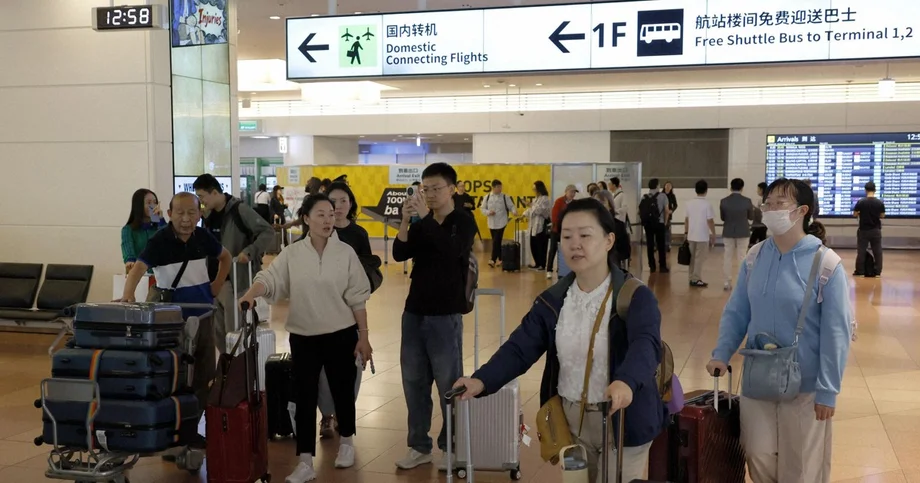
As of September 14, 2025, the challenge extends beyond recovering from the pandemic. Telework and video meetings have changed office routines, while Japan's aging and shrinking population makes future commuter growth uncertain. Operators are seeking more weekend trips, tourist visits and family outings to help fill that gap.
A recovery still short of earlier passenger levels
Japan's fiscal 2023 passenger total was about 2.6 billion below the 2018 figure, a shortfall of roughly 10%. Ridership is rising, but the figures show how much travel remains missing compared with the period before 2020.
Weekday peaks are flatter because fewer workers need to travel to an office every working day. Remote work has endured, business travel has become less frequent, and video meetings have replaced some journeys. The routine commute five days a week no longer dominates demand in the same way.
A review of earlier disruptions, including epidemics and terror attacks, found that declines lasting more than a year were unusual. The COVID period followed a different course because changes in working habits continued after the immediate disruption.
Japan's population trend adds another pressure. An aging and shrinking population means fewer potential commuters in the years ahead. City centers still attract people for meals and entertainment, but operators must pay closer attention to who travels, when they travel and what makes a journey worthwhile.
Tokyo and Osaka turn a film into a station game
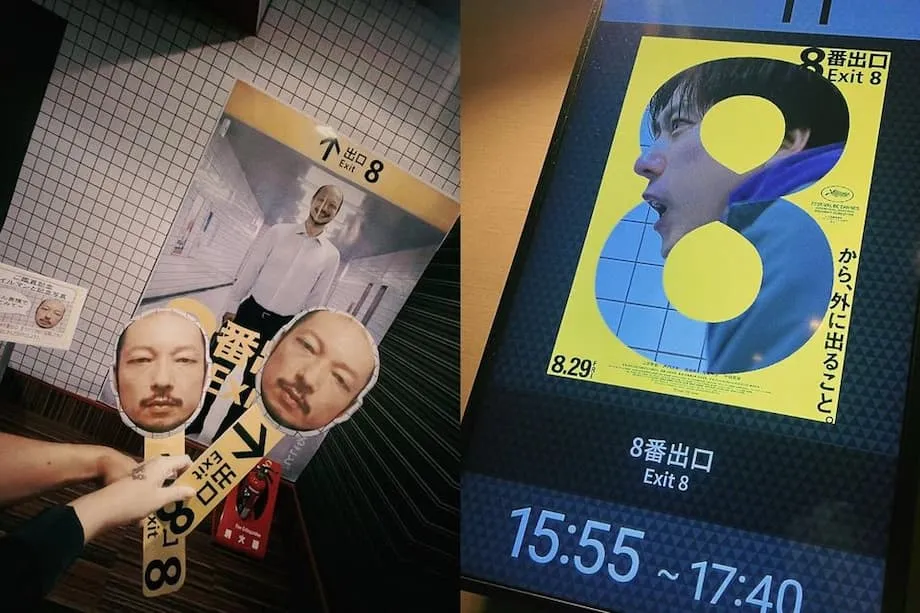
Tokyo Metro's collaboration with Exit 8 gives passengers a specific mission. Participants visit designated stations and search for mysterious anomalies and hidden objects inspired by scenes in the film. An anomaly is something that looks unusual or out of place, making the station itself part of the puzzle.
The activity combines the suspense of a thriller with exploring the city. Teams move between stations, study maps and look for staged details. An ordinary interchange or passageway becomes somewhere to investigate rather than hurry through.
Osaka Metro has launched a similar game. Both programs create reasons to use unfamiliar routes and make journeys outside the busiest commuting hours. They also suit visitors looking for a themed activity that can fit around shopping or sightseeing.
Railway companies hope that attention continues beyond the game. Groups moving through station buildings can stop at cafes and stores, while photographs and discussion on social media can introduce the experience to more potential visitors. The attraction supports both transport use and the businesses around it.
Captain Tsubasa gives a neighborhood stop a wider audience
Yotsugi Station uses a different kind of participation. Captain Tsubasa manga illustrations cover walls and signage at the Keisei line stop in Tokyo, giving fans a reason to make a detour and see the artwork in person.
Overseas visitors have helped turn the station into a photo destination. Fans take pictures and buy themed goods, connecting an interest in manga with a physical journey through the railway network.
The setting matters to the business strategy. A small neighborhood station can attract people who might otherwise have passed it by. For visitors seeking pop culture landmarks, the station becomes part of the itinerary rather than merely the route to somewhere else.
Virtual Osaka Station connects online visits with real journeys
JR West's Virtual Osaka Station has drawn more than 45 million visitors since its launch in 2022. The project is a digital twin, an online version of a real place that reproduces its look and feel so people can explore and take part in activities.
JR West uses that digital environment to build interest in the physical Osaka Station. Scenes from the virtual space are streamed live at the real location, while limited merchandise connected to the virtual station is sold only there. Visitors who want those items must make the journey in person.
The approach links two experiences that might otherwise remain separate. Someone can first encounter the station online, become interested in its activities and then visit the actual concourse to complete the experience.
JR West also studies behavior inside the virtual environment. Information about where visitors gather, which content attracts them and how they move through the simulated concourse helps the company develop events, promotions aimed at particular audiences and advertising proposals for partner brands.
Virtual testing can help operators try layouts or event concepts before putting them into a real station. It gives marketing teams evidence about which ideas attract interest and where to direct their budgets. The number of online visitors shows the project's reach; the commercial aim is to turn that attention into visits and spending at the physical hub.
Recovery also depends on who can make the journey
A time series study in Tokyo found that passenger counts among wheelchair users fell by about 20 percentage points more than those for the system as a whole during 2020 and 2021. A time series study follows measurements over a period to identify changes.
The gap points to barriers beyond infection concerns or the frequency of services. It also shows why a recovery measured only through total passenger numbers can leave some riders' experiences out of view.
Station events, directions and services therefore need to account for accessibility. A game that sends participants between locations, or an attraction that brings crowds into a station, makes the practical experience of navigating that space part of its appeal.
For railway companies, bringing people back involves both creating a reason to travel and making the journey manageable. The difference recorded among wheelchair users gives that task a concrete measure.
Tsugaru Railway makes the seasons part of the ride
In Aomori, Tsugaru Railway draws visitors with an experience centered on the train itself. Its winter stove train carries passengers through snowy scenery in a carriage warmed by an old fashioned potbelly stove.
Staff prepare dried squid on the stove top, while locals and travelers chat. The warmth, food and shared setting turn the ride into a social outing as well as a way to cross the landscape.
Tsugaru also runs trains themed around wind bells in summer and bell crickets in autumn. These services reflect the sounds and colors of the seasons, giving passengers different reasons to return at different times of year.
The railway's appeal combines scenery, tradition and a simple treat on board. A regional line becomes somewhere people actively seek out, following the same broad approach as the station games but drawing its identity from the place and the season.
A zombie experience takes the attraction onto a shinkansen
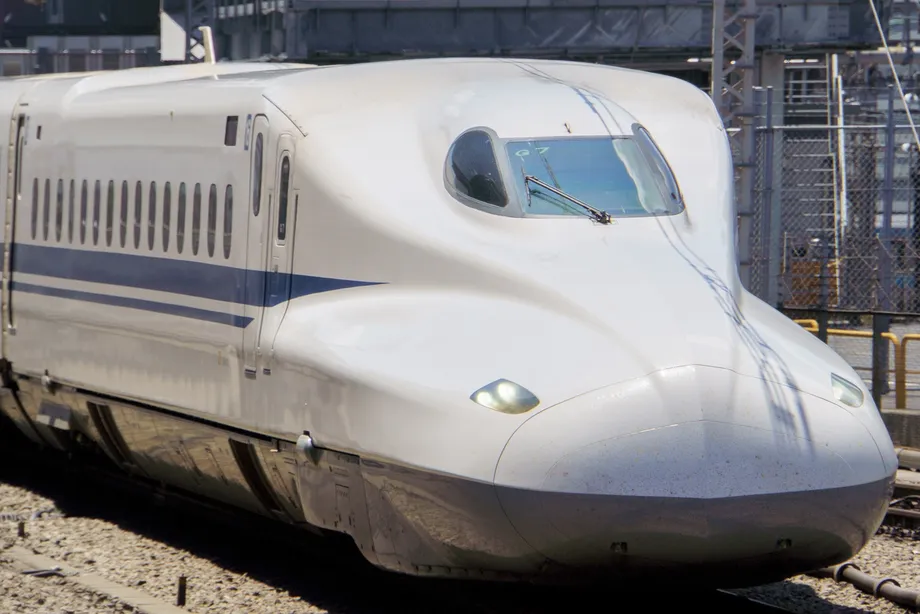
A special shinkansen service before Halloween took a more theatrical approach. Actors blended into the carriage before transforming into zombies during the journey, staging a controlled scare inspired by zombie cinema.
The organizers, a group called Kowagarasetai, promoted the experience as the first of its kind on a running high speed service. The pitch brought together the novelty of a special railway journey and the appeal of a horror performance.
Unlike a permanent manga installation or a recurring seasonal train, this was an event built around a particular ride. Passengers were traveling for what would happen inside the carriage, making the service itself the attraction.
The examples span several years and seasons:
- 2018: Japan recorded about 25.2 billion train passengers, the comparison point for the later recovery.
- 2020 and 2021: The Tokyo study recorded a larger passenger decline among wheelchair users than across the system as a whole.
- 2022: JR West launched Virtual Osaka Station.
- Fiscal 2023: Japan's train passenger total reached about 22.6 billion.
- By September 14, 2025: Virtual Osaka Station had attracted more than 45 million visitors since launch.
Station businesses gain a bigger role
Railway operators are connecting these attractions with station real estate: the shops, services and commercial spaces inside station buildings and in surrounding districts. A visitor drawn by a game, artwork or exclusive item can become a customer for those businesses as well as a passenger.
Weekend and quieter travel periods are central to the approach. Events can create demand at times when regular commuting contributes less, while tourism and family outings bring different groups into the network.
Japan's railway companies are therefore pursuing two connected sources of income: the journey and the visit. Film games, manga displays, virtual worlds and seasonal trains give passengers something specific to come for, while station businesses give them reasons to stay.
Key Points
- Japan recorded about 22.6 billion train passengers in fiscal 2023, roughly 10% below the 25.2 billion recorded in 2018.
- Telework, video meetings and population decline are changing the demand railway companies can expect from commuters.
- Tokyo Metro and Osaka Metro are using Exit 8 games to encourage travel between stations.
- Captain Tsubasa artwork at Yotsugi Station attracts fans, including overseas visitors.
- JR West's Virtual Osaka Station has drawn more than 45 million visitors since 2022 and links online activities with visits to the real station.
- A Tokyo study found a larger pandemic passenger decline among wheelchair users, highlighting accessibility needs.
- Tsugaru Railway's seasonal services and a theatrical zombie shinkansen show how the ride itself can become the attraction.