Small devices are creating a bigger waste problem
Malaysia's discarded vapes are bringing lithium batteries and nicotine residues into bins, drains and landfills, creating a fire risk alongside a growing electronic waste problem. A 2023 study of 25 landfills by the Solid Waste Management and Public Cleansing Corporation found that hazardous household waste accounted for 1.15 percent of the waste examined, including 0.83 percent electronic waste and 0.32 percent batteries, aerosol cans and similar items.
Contents
- Small devices are creating a bigger waste problem
- How a vape battery can start a fire
- Liquid residues can travel beyond the rubbish pile
- What Malaysia's figures show
- Why recyclers struggle to accept vapes
- Collection trials point toward producer responsibility
- Illegal waste handling adds another concern
- Health controls and disposal rules need to work together
- Practical steps for homes, schools and shops
- The Bottom Line
The potential flow of discarded devices is large. Industry estimates and government data point to at least 1.4 million adult vape users in Malaysia, alongside hundreds of thousands of minors. The Education Ministry recorded nearly 20,000 student vaping cases in schools in 2024.
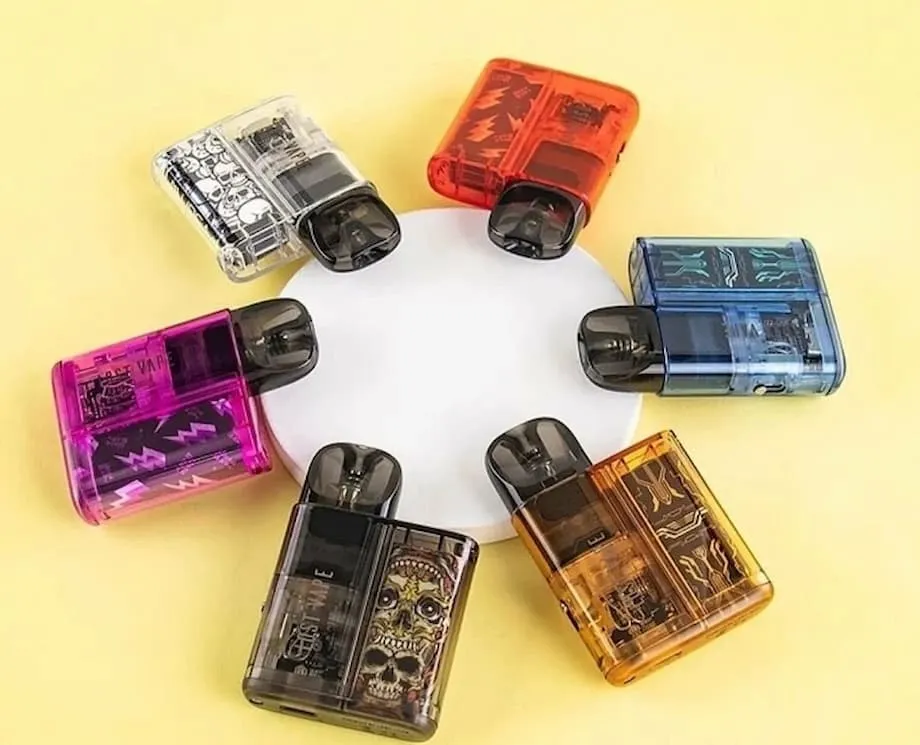
Most used vapes go into ordinary household rubbish. Their plastic shells make them look like simple disposable objects, but inside are batteries, circuits and liquid residues that need special handling. When rubbish is compressed in a collection truck or buried in a landfill, a damaged battery can ignite. Leftover liquid can leak, allowing nicotine and metals to move into soil or water.
As of September 11, 2025, fire officials, waste specialists and recyclers are warning about these risks while some retailers test collection schemes. Malaysia is also considering stronger controls on vape sales and use. Those discussions sit alongside an immediate practical problem: how to collect and safely treat devices already being thrown away.
How a vape battery can start a fire
A vape is a small electronic device containing a lithium ion battery, a circuit, a metal or plastic body, a heating element and a cartridge or pod holding liquid. Each part presents a different disposal challenge. The battery creates the most immediate danger when a device is crushed, punctured or exposed to excessive heat.
Lithium ion cells can enter a process called thermal runaway. Damage can trigger an internal short circuit, producing heat that drives further heating inside the battery. In a rubbish truck, shifting loads and compaction can crack the separator that keeps parts of the battery apart.
Fire and Rescue Department director general Nor Hisham Mohammad warned that putting these devices in ordinary rubbish can carry the danger into the waste collection system.
If tossed into regular bins, they can cause fires in garbage trucks or landfills.
Nor Hisham said damaged or overheated batteries could ignite in the waste stream. His department has encountered the same problem with other products containing small cells, including toys, power banks and household gadgets.
Landfills add another source of fuel. Methane produced by rotting food and the presence of oxygen can feed a fire after a damaged battery releases hot gases. A device discarded at home can therefore become a hazard for people collecting, transporting or managing rubbish.
Liquid residues can travel beyond the rubbish pile
Used cartridges and pods can still contain nicotine and flavoring chemicals. Research and regulators have identified volatile organic compounds and heavy metals, including nickel, tin and lead, in some vape liquids and device parts. These substances create a disposal problem even after a vape stops working.
Landfill leachate is liquid that moves through waste and picks up substances from it. When vape residues enter that liquid, they can travel into soil and waterways. The World Health Organization has warned that improper disposal of emerging electronic products can release toxic emissions and residues.
Environmental and waste management specialist Theng Lee Chong says pods often resemble ordinary plastic items and are therefore missed during sorting for special treatment. The plastic body can remain in the environment while hazardous residues move through surface runoff or groundwater.
Theng warns that the effects can extend into the food chain. This makes the disposal issue wider than visible litter: a device's casing, battery and remaining liquid can follow different routes through the environment, with pollution continuing after the object has been discarded.
What Malaysia's figures show
The Solid Waste Management and Public Cleansing Corporation's nationwide composition study examined 25 landfills in 2023. Its figures put electronic waste at 0.83 percent of the waste studied, compared with 0.32 percent for batteries, aerosol cans and similar hazardous household items. Together, those categories accounted for 1.15 percent.
Food waste, plastics, paper, disposable diapers and garden waste still make up the bulk of Malaysia's rubbish. Small electronic products are a rising part of that mix, bringing batteries and other potentially hazardous components into a system largely handling everyday household waste.
Malaysia's use figures show why vape disposal needs attention. At least 1.4 million adults use the products, according to industry estimates and government data, while hundreds of thousands of minors also use them. The Deputy Education Minister reported nearly 20,000 student vaping cases in schools during 2024.
High use, combined with disposal in ordinary bins, points to more devices entering the waste stream each week. The landfill study provides a measure of hazardous household waste generally; a national figure for the number of discarded vapes was not given.
The dates behind the waste findings and policy discussion span several years:
- 2023: A nationwide study of 25 landfills measured hazardous household waste at 1.15 percent of the waste examined.
- 2024: Malaysia introduced the Control of Smoking Products for Public Health Act 2024, known as Act 852. Schools recorded nearly 20,000 student vaping cases that year.
- September 1: Tougher penalties took effect in Singapore, with repeat offenders facing fines of up to SGD 2,000.
- September 11, 2025: Malaysia was considering broader national restrictions while small collection trials were underway.
- 2026: Pahang plans to phase in a full ban on vape products after moving to end retail licensing.
Why recyclers struggle to accept vapes
Vapes contain materials that can be recovered, but the work needed to separate them safely often outweighs their value. Their small size, mixed materials and tightly sealed construction make them difficult products for recyclers to process.
J Jayahanan, who manages a recycling company, describes strong glue as a common obstacle. Reaching the battery can require cutting through the device's chassis. That work can heat the cell and create a safety risk before recycling has even begun.
Separating a small circuit board, wires and plastic housing then takes time and labor. The value of the recovered material is modest, leaving processors with a difficult balance between payment, effort and safe handling.
ERTH founder Mohamed Tarek says processors are rarely keen to receive vapes. Even devices that have been collected can be refused by facilities because they contain too little metal to justify the work required to make them safe for processing.
ERTH also receives few direct requests for vape disposal and suspects that most devices leave homes with ordinary rubbish. Consumers face a collection gap as well as a processing gap: without clear instructions and visible places to return products, the easiest option is often the household bin.
For a collection scheme to work, there must be a processor willing and able to handle what comes back. A bin at a shop is only the first step; safe storage, transport and dismantling still need to be arranged and paid for.
Collection trials point toward producer responsibility
Theng Lee Chong argues that manufacturers and retailers should take back used devices and fund their treatment. A return system at shops can help keep vapes out of ordinary rubbish, provided the collected units reach licensed facilities for proper dismantling.
ERTH says one vape brand has already run a collection program that gathered thousands of pods. Those pods were handed to a licensed processing partner in line with Department of Environment guidelines.
Vape Empire has installed dedicated bins in a small number of stores to receive used products. International brands have also tested recycling networks in selected markets. These efforts remain small trials rather than a nationwide collection system.
S Sri Umeswara, a sustainability officer working on recycling issues, says collecting and recycling devices can recover materials and reduce dependence on new resources. Sri Umeswara called for a closed loop system, in which used products return for treatment and material recovery.
A closed loop system where vapes are collected and recycled is necessary to prevent them from ending up in landfills.
Jayahanan proposes using screws or rivets instead of permanent adhesive so batteries can be removed safely. Mohamed Tarek argues that brands should redesign products to raise recycling rates or pay collectors and processors for the labor and safety measures involved.
Some international manufacturers are testing designs whose battery, casing, sensor, housing and mouthpiece can be separated by hand. Easier dismantling would address one of the reasons processors currently avoid the devices.
Finland offers a collection model built around an extensive network of free return points for electronic waste. Retailers are legally required to accept returns, while a system funded by producers pays for transport and processing. Malaysia's domestic collection rate is much lower, and households still depend on informal channels.
A more complete Malaysian framework would connect collection with treatment and make responsibility for the costs explicit. The proposals include rules requiring easier dismantling and producer funding, rather than leaving collectors to absorb the expense of handling difficult products.
Illegal waste handling adds another concern
Malaysia's vape waste problem sits within a broader challenge involving electronic waste, hazardous materials and illegal recycling. Enforcement agencies have intensified action against unapproved recycling operations and smuggled waste.
Recent cases include raids on factories handling hazardous materials without approval. Courts have also imposed fines totaling nearly RM 490,000 for improper storage and treatment of lithium batteries and electronic waste.
Natural Resources and Environmental Sustainability Minister Nik Nazmi Nik Ahmad has acknowledged the need for stronger coordination among agencies to increase recycling rates and act against illegal sites. His ministry has pointed to the Basel Convention, an international framework governing hazardous waste movements, as a key standard.
The ministry says stricter enforcement is necessary to prevent dumping and protect workers. For vape collection schemes, this makes the destination of returned devices a central concern: products need to reach licensed treatment facilities, with records showing how they were processed.
Health controls and disposal rules need to work together
Malaysia's Control of Smoking Products for Public Health Act 2024 regulates sales, packaging, labeling and advertising. Act 852 also restricts sales to minors, online sales channels and marketing. It does not ban vape use nationwide, and several states continue to permit retail activity.
The Health Minister has told Parliament that a national ban on sale and use is under consideration. Any change would need to be managed alongside the existing Act 852 framework. No date was given for a federal decision.
Pahang has moved to end retail licensing and plans to phase in a full ban on vape products by 2026. Singapore has already introduced tougher penalties, with repeat offenders facing fines of up to SGD 2,000 under rules that took effect on September 1.
The Malaysian Council for Tobacco Control is urging policymakers to put public health ahead of industry profit. It points to the heavy burden of smoking related disease on the health system and identifies vape litter, disposable devices and packaging as environmental pollutants requiring firm control.
The council set out its position on health, the environment and social responsibility:
Public policy must prioritize citizen health, environmental sustainability, and long term social responsibility.
Restrictions on sales and use address access to the products, while collection and treatment address devices already in circulation. Households, shops and schools still need ways to handle used or confiscated vapes as the policy debate continues.
Practical steps for homes, schools and shops
Consumers can reduce the immediate fire risk by keeping vapes out of general waste. Devices with removable batteries require different handling from sealed units, but both need an appropriate collection route.
Schools also have a disposal responsibility when they confiscate devices. Retailers can make returns easier, while councils and producers can help connect those returns to licensed processing rather than landfill disposal.
- Consumers: Never put a vape in ordinary rubbish. If the battery is removable, tape its terminals and store the unit in a nonflammable container until it can be taken to a certified electronic waste collection point or a retailer's return bin. Keep devices with batteries that cannot be removed intact and secure for collection.
- Liquids and pods: Keep remaining liquid sealed. Put used pods in a sealed bag and give them to an electronic waste collector or a shop that accepts returns for proper handling of hazardous residues.
- Schools: Secure and label confiscated devices, then hand them to a licensed collector. Provide talks suited to students' ages about fire risks and environmental harm.
- Retailers: Provide visible return bins and train staff to explain safe disposal. Use licensed collectors and require records that trace the devices through processing.
- Local councils and agencies: Include small electronics in collection days, publish online maps of return points and place signs at community centers and shops. Work with fire services to track and reduce battery incidents in rubbish trucks and transfer stations.
- Producers: Design devices for easy battery removal and safe dismantling. Fund collection and processing through producer responsibility programs, and publish figures on volumes collected and treatment outcomes.
These measures address the two immediate risks identified by fire officials and waste specialists: batteries entering machinery that can crush them, and residues reaching waste sites without suitable treatment. Collection programs need safe handling and a licensed destination to complete that work.
The Bottom Line
- Discarded vapes contain lithium ion batteries that can ignite when crushed, punctured or overheated in rubbish trucks and landfills.
- Nicotine residues and metals can enter landfill leachate and move into soil and water.
- A 2023 study of 25 Malaysian landfills found 1.15 percent hazardous household waste, including 0.83 percent electronic waste.
- Malaysia has at least 1.4 million adult vape users, while schools recorded nearly 20,000 student vaping cases in 2024.
- Glued construction, difficult battery removal and low material value discourage recycling processors.
- Small return schemes are underway, with calls for manufacturers to fund collection and treatment.
- Enforcement against illegal waste handling has included court fines totaling nearly RM 490,000.
- A federal ban on vape sale and use is under consideration, while Pahang plans to phase in a full ban by 2026.
- Keeping devices out of ordinary rubbish and sending them through suitable collection routes can reduce immediate fire and pollution risks.