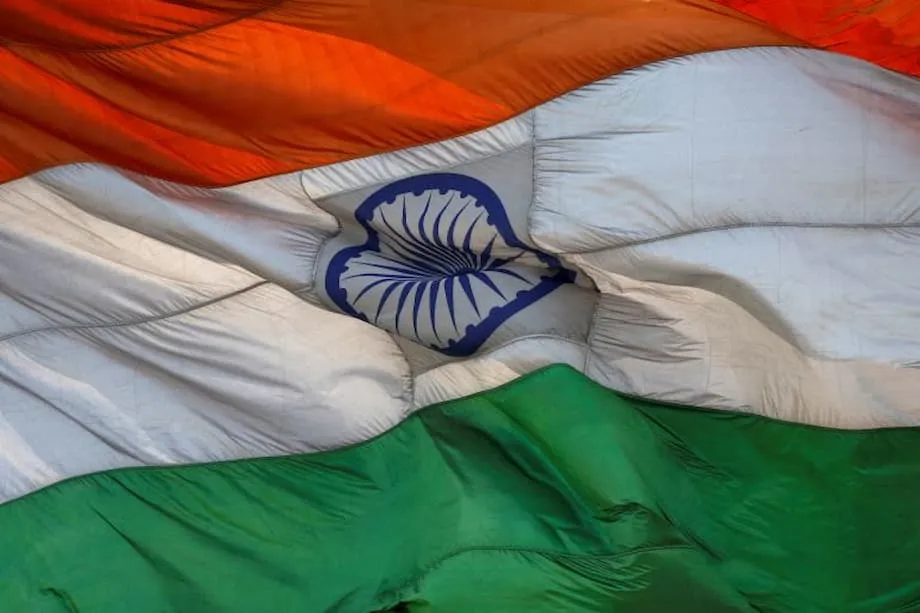
A lifelong connection to India faces growing uncertainty
More than 120 Overseas Citizen of India registrations have been cancelled over the past nine years, with a surge reported in 2024 and continuing into 2025. For journalists, academics and activists who hold foreign passports, those decisions can mean losing access to relatives, research sites and the country where their families have roots.
Contents
- A lifelong connection to India faces growing uncertainty
- What an OCI card gives, and what losing it means
- The law allows cancellation, but reasons matter
- How the rules and disputes developed
- The personal cases behind the wider concern
- Courts offer a remedy, often after a long wait
- Kashmir brings several restrictions into view
- Pressure travels beyond India's borders
- Family ties also support money and knowledge
- What advocates want changed
- The Bottom Line
British academic Nitasha Kaul is among those whose OCI status has been cancelled. Her notice accused her of anti India activities without spelling out specific acts. Rights advocates say such broad accusations make it difficult to challenge a decision and leave other cardholders uncertain about whether their own speech could put their ability to visit India at risk.
More than 4 million people worldwide hold OCI status. Although its name suggests citizenship, the scheme is a form of immigration permission that gives eligible foreign nationals a lifelong visa and allows extended stays in India. Its practical value reaches from family visits to employment, study and years of academic fieldwork.
As of September 8, 2025, cancellations and disputes over visas and reporting permissions have become part of a wider argument about dissent. Media watchdogs and human rights groups say immigration controls increasingly put pressure on people who investigate sensitive subjects, question government policy or speak about the treatment of minorities.
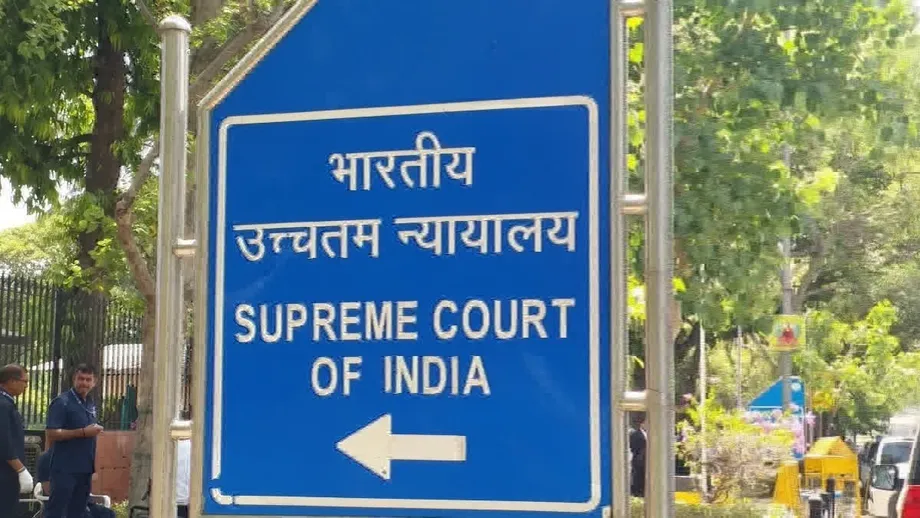
Indian authorities maintain that cancellations are lawful, sometimes necessary for national security and consistent with the Citizenship Act. Courts have overturned some decisions, making the evidence behind a cancellation and the opportunity to contest it central questions in these cases.
What an OCI card gives, and what losing it means
OCI status is not dual citizenship. Cardholders cannot vote or hold public office through the scheme. They remain citizens of another country, while receiving permission to enter India without repeatedly applying for a visa and to stay for long periods.
People of Indian origin and eligible foreign spouses use that status to maintain lives across borders. A card can make it easier to visit parents and siblings, attend family events, work or study. Its cancellation can replace a familiar journey with a slow and uncertain visa application.
Journalists and scholars can depend on the same access for interviews, archives and research projects developed over many years. Losing permission to enter India can interrupt that work and separate professional commitments from the places and people on which they depend.
Reporters Without Borders says that, since 2019, losing OCI status can also lead to blacklisting and a future entry ban. For a person with close relatives in India, the possible consequences therefore extend beyond losing a convenient travel document.
The law allows cancellation, but reasons matter
Section 7D of the Citizenship Act 1955 sets out the grounds for cancelling OCI registration. These include fraud in an application, activities considered contrary to India's sovereignty and integrity, threats to state security or friendly relations with other countries, and acts creating disaffection toward the Constitution.
The law also includes grounds involving criminal sentences within a specified period after registration. Authorities say these powers allow the state to respond to genuine security concerns and protect public order.
Rights lawyers focus on how those powers are exercised. Cancellation notices often use broad language about national security or anti India activity, while detailed evidence is absent from the public domain. A person seeking to contest the decision may therefore struggle to identify precisely which conduct has prompted it.
Kaul's case illustrates that concern. Rights advocates argue that uncertainty itself can discourage criticism: cardholders may stay silent because they cannot predict which statement, article or public appearance could affect their ability to return to India.
The dispute is therefore about both the scope of the state's power and the process used to exercise it. A meaningful chance to respond requires enough information to understand the accusation, alongside a hearing and a decision that follows the law.
How the rules and disputes developed
The current pressure has developed across several years. Changes to travel permissions have overlapped with individual cancellations, restrictions in Kashmir and growing concern among members of the diaspora.
- In 2019, British writer Aatish Taseer lost his OCI status shortly after writing a critical cover story about Prime Minister Narendra Modi.
- In 2019, the government revoked Kashmir's special status. Amnesty International describes subsequent restrictions involving travel, passports, detention and some OCI registrations.
- Since 2019, Reporters Without Borders says OCI cancellation can lead to blacklisting and a future entry ban.
- In 2021, India tightened the activities OCI cardholders could undertake without special permission, including research, missionary work and journalism.
- In 2024, a surge in OCI cancellations was reported. The United States State Department's human rights report for that year also cited reports of transnational repression.
- Into 2025, cancellations continued, including the case of British academic Nitasha Kaul.
The 2021 changes are particularly important for people whose work involves gathering information. Research, missionary work and journalism require prior approval, and OCI journalists are expected to hold an appropriate work visa.
Reporters Without Borders has documented uncertainty around permits and accreditation, the official recognition journalists need for parts of their work. It says that bureaucracy has pushed some foreign and diaspora reporters away from sensitive subjects or out of India entirely.
The personal cases behind the wider concern
Sweden based academic Ashok Swain challenged the cancellation of his OCI status and won in court. His case shows that judicial review can provide a remedy, although reaching that stage can require considerable time and money.
Reuters cybersecurity reporter Raphael Satter had his OCI revoked after publishing a detailed investigation into hacking linked to an Indian company. He sued to restore his status, arguing that the decision punished legitimate journalism and cut him off from family ties in India.
India West reported that Satter's revocation arrived alongside a defamation suit in India over his reporting. Warnings about possible diplomatic consequences had also been relayed to him during his investigation. Satter has described the cancellation as a mistake or misunderstanding that the courts should correct once they review the facts.
Taseer's cancellation followed his critical cover story about Modi in 2019. French journalist Vanessa Dougnac, who had lived and reported in India for decades, left the country after disputes over her residence status and accreditation.
Rights groups see a common pressure across these different cases: people who scrutinize powerful interests or challenge dominant political accounts can face restrictions through visas, accreditation or OCI status. The immediate administrative decisions differ, but each can affect a person's ability to continue working in India.
Reporters Without Borders, the press freedom organization, described the pressure after interviewing reporters and examining multiple cases:
Reporters Without Borders said its investigation found that journalists are effectively blackmailed regarding their OCI status, which has led some to self censor or even leave the profession.
The organization says the effects reach beyond those who receive cancellation notices. When other reporters see that travel permission may be withdrawn, decisions about which stories to pursue can become decisions about whether they will still be able to live near family or continue their careers in India.
Courts offer a remedy, often after a long wait
Indian courts have questioned arbitrary uses of executive power in some OCI cases. Judges overturning decisions have cited insufficient evidence, inadequate opportunities to respond and failures to follow the procedures required by law.
Swain's successful challenge illustrates the importance of that scrutiny. A cancellation issued by the government can be examined by a court, which can assess whether the authorities followed the law and supported their decision adequately.
Lawyers say the difficulty often begins before a case reaches court. Notices can be terse, reasons may not be disclosed in full, and appeals can be expensive and lengthy. Someone unable to understand the full accusation may have to begin litigation while already separated from relatives or unable to continue work.
Rights advocates argue that the process can itself become a punishment. Even a later victory may follow months of uncertainty, interrupted research or missed family occasions. Other cardholders watching the dispute may choose to avoid public criticism.
Officials maintain that security and public order require the state to retain cancellation powers. The practical policy question is how those powers can operate with clear evidence, a fair hearing and timely review. The cancellation notices and cases described here do not provide a complete public account of the evidence behind every decision, and no next hearing dates are given.
Kashmir brings several restrictions into view
Kashmir shows how OCI decisions can sit alongside other controls on movement and speech. Since the government revoked the region's special status in 2019, Amnesty International says authorities have used travel bans, passport revocations, the Public Safety Act, the Unlawful Activities law and some OCI cancellations to suppress reporting, advocacy and political activity.
These measures affect different kinds of access. A passport restriction can prevent someone from leaving India. A visa refusal or OCI cancellation can prevent a foreign national from entering. Both can disrupt work, family life and public participation.
Amnesty International, the human rights organization, called for an end to travel restrictions and arbitrary detention in a statement ahead of state elections:
Amnesty International said Indian authorities must stop using restrictive travel bans and arbitrary detentions under stringent anti terror laws to intimidate dissenting voices from speaking out on Jammu and Kashmir.
Amnesty also pointed to data suggesting a steep rise in detentions under special security laws and an increase in passport revocations or delays affecting journalists and activists. It says court challenges take longer than they should.
Members of the diaspora who speak about Kashmir have also described visa obstacles or sudden cancellations when trying to enter India. Their accounts connect restrictions within the region to concerns among people living overseas who still need access to the country.
Pressure travels beyond India's borders
Activists and journalists in the United States described threats, harassment and attempts to influence their reporting or public speech in a Vox investigation. They said the pressure made criticism feel personally risky, especially when relatives continued to live in India.
The United States State Department's 2024 human rights report cited transnational repression, harassment and the revocation of travel documents among methods reported by civil society groups. Transnational repression means pressure directed across borders at people living outside the country whose authorities they criticize.
Travel permission can be especially sensitive for diaspora families because it connects public speech overseas with private obligations in India. A person may be weighing an article or a public appearance against the possibility of being unable to visit an ageing parent or attend a family event.
A poll of British Indians cited by advocacy groups found that a large share worried about India's direction but hesitated to speak publicly because they feared losing access to the country. The concern described by those groups is that people who have received no notice or warning may still decide silence is safer.
For rights advocates, that is the wider consequence of uncertain travel status. The public conversation becomes narrower when people feel they must choose between expressing their views and preserving contact with family.
Family ties also support money and knowledge
India's diaspora supports relatives, charities, universities and startups. World Bank data reported by India West put remittances to India at an estimated $129 billion in 2024, more than double that year's foreign direct investment.
Remittances are money people living abroad send home. They help pay for education, health care and small businesses, and can support families during economic shocks. Foreign direct investment is money invested by overseas businesses in enterprises in India, a different channel through which funds enter the economy.
The $129 billion figure illustrates the scale of connections that stretch across borders. Rights advocates argue that policies alienating critical voices risk weakening an important source of social and economic support.
Research and journalism depend on those connections too. When scholars and reporters avoid travel, interviews may not happen, data may go uncollected and stories may remain untold. Universities can lose collaborations, while conferences may move elsewhere.
Governments in the United States and Europe also face choices about how to address pressure on speech while pursuing strategic ties with India. Human Rights Watch urges governments to raise these issues in bilateral talks and insist that legitimate criticism and independent reporting should not be treated as national security threats.
What advocates want changed
Rights advocates and legal experts have proposed changes intended to preserve legitimate security powers while reducing arbitrary decisions. Their focus is on clearer rules, evidence that can be challenged and review that happens quickly enough to matter.
The proposals address both cancellation decisions and the permissions needed for everyday professional activity:
- Publish narrow, clear criteria for cancellation under Section 7D and connect decisions to concrete evidence that can be contested.
- Provide timely notice, access to reasons and a meaningful hearing before cancellation. In urgent cases, guarantee a rapid review after the decision.
- Create an independent review panel with judicial oversight and deadlines for appeals.
- Clarify the 2021 rules for journalism and research, with a fast and transparent process for work visas and accreditation.
- Protect family unity when considering cancellation and blacklisting, including the effects on spouses and children.
- Publish aggregate figures on OCI cancellations, travel bans and passport revocations so the use of these powers can be scrutinized.
- Affirm that criticism of government policy, advocacy for minority rights and human rights research are protected activities rather than grounds for cancellation.
For families, reporters and researchers, these proposals concern practical questions: whether they can understand a notice, answer the accusation, obtain a decision promptly and continue essential travel while a dispute is resolved.
The Bottom Line
- More than 120 OCI registrations were cancelled over nine years, with a surge reported in 2024 and continuing into 2025.
- More than 4 million people hold OCI status, which provides a lifelong visa but does not grant Indian citizenship or voting rights.
- Cases involving Nitasha Kaul, Ashok Swain, Raphael Satter, Aatish Taseer and Vanessa Dougnac show how travel and residence decisions affect scholarship, journalism and family ties.
- Authorities defend cancellation powers as lawful security tools. Rights groups challenge vague notices, limited disclosure and lengthy appeals.
- The 2021 rules require prior approval for research, missionary work and journalism, while OCI journalists are expected to hold an appropriate work visa.
- Amnesty International and Reporters Without Borders describe wider pressure involving travel restrictions, passports, reporting permissions and self censorship.
- Advocates seek clearer criteria, fair hearings, independent review and protections for family unity and legitimate criticism.