A private conversation reaches a vast audience
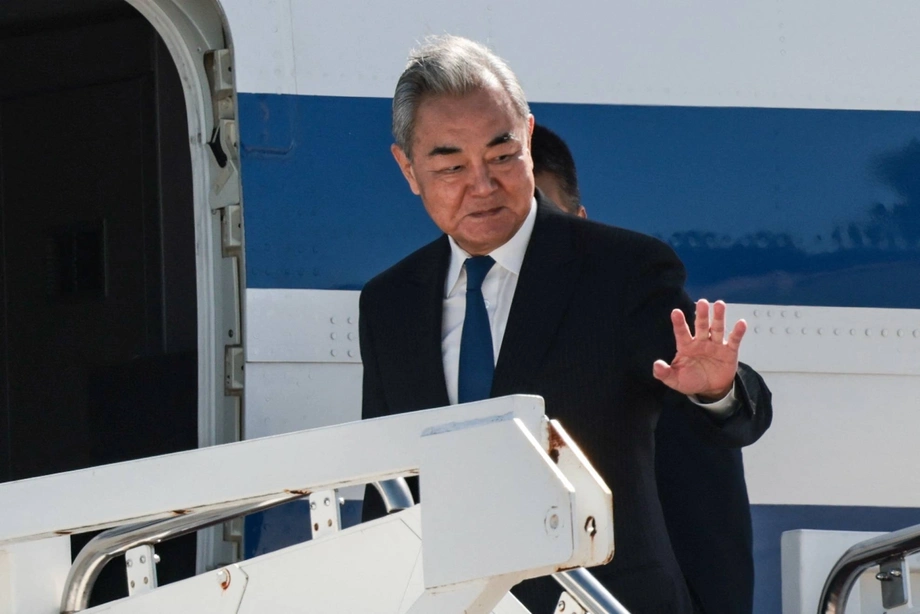
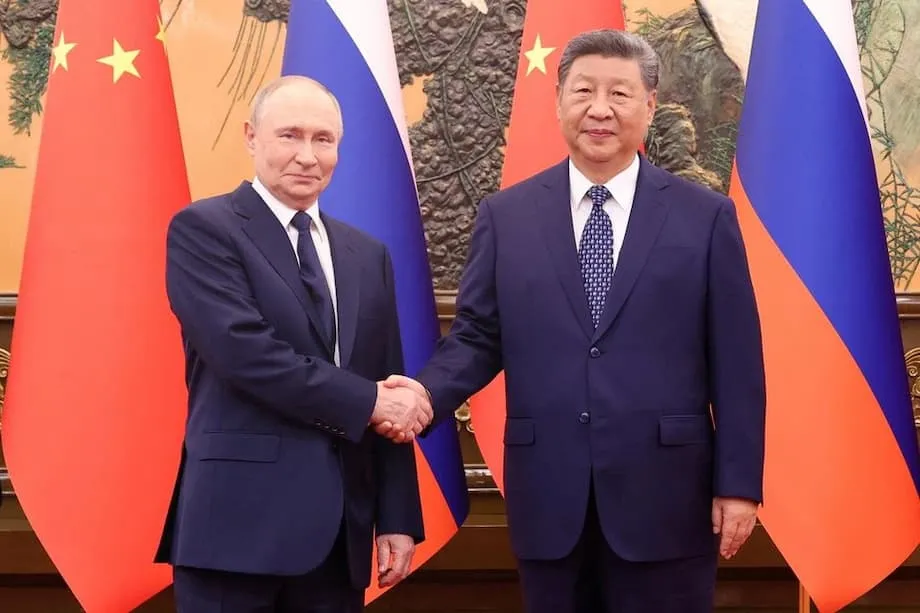
Xi Jinping and Vladimir Putin were walking toward the Tiananmen viewing platform with North Korea's Kim Jong Un when a live television microphone picked up an unexpected subject: whether organ transplants might help people live to 150, or even achieve immortality. Both leaders are 72, and both have changed the rules governing their time in power to allow longer stays in office.
Contents
- A private conversation reaches a vast audience
- What viewers heard about living longer
- What a transplant can do today
- Why researchers focus on healthy years
- Long lives and long political careers
- Biotechnology as a national ambition
- A parade displaying weapons and partnerships
- The patients waiting for organs
- Consent and scrutiny in transplantation
- A revealing aside with medical limits
- Key Points
The exchange interrupted the carefully arranged images of China's Victory Day parade in Beijing, held to mark the 80th anniversary of the end of World War II. More than 50,000 spectators watched in Tiananmen Square as troops, hypersonic missiles and naval drones passed through a display intended to project military strength and political unity.
China's radio and television administration said the state broadcaster's livestream drew 1.9 billion online views and more than 400 million television views. Against that enormous audience, a conversation apparently intended for the leaders and their interpreters briefly became part of the public broadcast.
Cameras followed Xi, Putin and Kim toward the rostrum as fragments of their conversation became audible. The broadcast then switched to a wide shot, and the sound faded. About half a minute later, the three appeared again while climbing the steps to the platform, with the audio once more focused on the parade.
The moment gave an unusually personal dimension to a gathering built around weapons, diplomacy and national prestige. Xi and Putin have both indicated that they intend to guide their countries for years to come. Their discussion brought the limits of human life into the middle of a demonstration of state power.
What viewers heard about living longer
Interpreters accompanying the delegations made the exchange understandable to viewers. Putin's own Russian words were not captured clearly, but his translator could be heard addressing Xi in Mandarin and describing a future in which biotechnology and repeated organ replacement might transform human lifespan.
Putin's translator presented the idea in these words:
Biotechnology is continuously developing. Human organs can be continuously transplanted. The longer you live, the younger you become, and you can even achieve immortality.
Xi, who was outside the camera's view at that moment, responded in Chinese with a prediction about how long humans might live. The Chinese president said:
Some predict that in this century humans may live to 150 years old.
Kim smiled and appeared to listen while walking alongside them. Whether he received a translation was unclear. The remarks echoed ideas discussed by people interested in life extension, including researchers and public futurists, but the setting made them unusual: two powerful leaders considering extreme longevity while approaching a military parade.
Putin later confirmed to reporters in Beijing that he and Xi had discussed long life on their way to the event. He spoke about medical treatment and surgery involving organ replacement as possible ways to extend the years people remain active.
The Russian president described that hope in broader terms:
Modern means of health improvement, medical means, even surgical ones related to organ replacement, they allow humanity to hope that active life will continue differently than it does today.
Russian and Chinese officials did not immediately respond to questions about the exchange. Video of the moment spread widely on social media and through translated versions of the fragments heard during the broadcast.
What a transplant can do today
Organ transplants already save lives by replacing organs that are failing, including kidneys, hearts and livers. A successful operation can give someone more years of healthy life. The medical task is to treat serious disease, while the much larger challenge of aging continues throughout the body.
Transplant recipients need powerful medicines that suppress the immune system. The immune system normally protects the body against threats, but it can also attack a donated organ as something foreign. Medicines that reduce this response help prevent rejection, while increasing the risks of infections and certain cancers.
Donated organs are scarce. Doctors must consider how urgently a patient needs treatment and whether an organ is compatible with that person's body. Matching, transport and the ability to pay for treatment can all affect access. Those pressures make transplantation a tightly rationed medical service.
Repeatedly replacing organs is not a currently viable route to extreme lifespan. Aging affects many parts of the body at once, including the brain, which is central to memory, identity and thinking. Modern medicine has no way to replace the brain or reverse its complex aging.
Dr. James Markmann, a transplant surgeon and a leader within the American Society of Transplant Surgeons, rejected the suggestion that the procedures discussed on the broadcast could deliver immortality. He said:
There is no scientific evidence that organ transplants promote immortality or that humans could realistically reach 150 years of age through transplants.
Markmann pointed instead to immediate problems: shortages of donor organs around the world, long waiting lists and unequal access to care. His argument was that leaders should concentrate on helping today's patients receive lifesaving transplants, rather than hypothetical systems of limitless organ replacement.
Why researchers focus on healthy years
Longevity research has become a serious scientific field after years in which much discussion of life extension sat at its edges. Laboratories are studying ways to slow cellular aging, repair damaged DNA, remove older cells that no longer function properly and improve the immune system's ability to cope with threats.
Researchers also examine how diet and medicines affect lifespan. Companies and state institutes are testing tissue engineering, stem cell therapies and bioprinting, which seeks to build biological tissue through printing techniques. These approaches address different parts of the problem of keeping the body functioning.
Scientists often use the word healthspan to describe the years a person spends in good health. That is different from lifespan, the total length of a person's life. Better cardiovascular care, cancer screening and safer surgery have helped people live longer on average, while research seeks ways to preserve good health for more of those years.
The oldest verified human age is 122. Predictions of lives lasting many decades beyond that remain speculative. The practical goals of aging research involve reducing illness, preserving function and extending active life, rather than delivering the immortality described by Putin's interpreter.
Public grants and venture capital support work on the biological processes often called the hallmarks of aging in the United States and Europe, as well as growing efforts in China and Russia. The term refers to processes scientists study to understand how bodies lose their ability to repair damage and maintain normal function over time.
Russia has invested in projects involving cellular rejuvenation and neurotechnology, while China has made biotechnology a strategic economic priority. Both countries support research into printing biological tissue in three dimensions. Those programs remain far from a medical system that could keep a person young through an endless succession of replacement organs.
Long lives and long political careers
Xi has been in power for 13 years. In 2018, he oversaw the removal of presidential term limits, opening the way for an extended tenure. Putin has led Russia for a quarter century and engineered a constitutional change in 2020 that permits him to remain in office until 2036.
Neither leader has signaled plans to step aside soon or named a clear successor. At 72, both occupy positions in which their health and the length of their rule are closely watched. Their conversation about reaching 150 therefore carried a political meaning beyond the medical ideas themselves.
The changes governing their tenures unfolded over several years:
- 2018: China removed presidential term limits under Xi, allowing an extended stay in office.
- 2020: A constitutional change in Russia created a route for Putin to remain president until 2036.
- The Beijing parade: A live microphone captured the leaders discussing extreme longevity, and Putin later confirmed that conversation to reporters.
Putin has also pressed health authorities to increase life expectancy, a goal repeated in national plans and regional targets. People who have met him describe a strong interest in health routines. During the COVID-19 pandemic, meetings with him often required lengthy quarantines.
Chinese leaders receive extensive medical care, and some have lived to advanced ages. Deng Xiaoping died at 92, while Jiang Zemin died at 96. Xi has presented elder care and healthy aging as central to social stability, repeating the traditional wish that people reach old age in good health.
Biotechnology as a national ambition
Rosatom, Russia's state company, said last year that it was developing technology to print human organs. Russian state companies and associated research institutes have promoted organ printing and regenerative medicine, a field that seeks to repair or replace damaged cells and tissue.
Senior figures in Moscow have also been linked to aging research agendas, sometimes discussed in terms of resilience and national strength. Those ambitions connect medical research with a wider desire for technological independence and prestige.
China has directed investment and policy support toward biotechnology, seeking domestic breakthroughs and a leading position in areas ranging from gene editing to cell therapies. Its efforts place medical innovation alongside other strategic economic priorities.
Research into cell renewal, tissue printing and treatments for age related damage helps explain why radical lifespan predictions enter political conversation. Laboratory progress still has to become treatment that can be used safely and effectively in people. For patients, the central issue is whether a particular treatment can improve health, not how ambitious its promise sounds.
A parade displaying weapons and partnerships
Xi, Putin and Kim appeared together publicly for the first time during the Beijing gathering. A group photograph included more than two dozen visiting leaders, turning the commemoration into a visible display of diplomatic relationships as well as military capability.
Their presence highlighted a deepening alignment challenging Washington and its partners. China used the pageant to present an alternative vision to the order led by the United States, while placing its latest military equipment before a vast domestic and international audience.
Hypersonic missiles and naval drones were among the systems shown. The parade stressed China's ability to operate at sea and move weapons at great speed, with cameras lingering on formations and vehicles intended for modern warfare.
Xi told the crowd that the world faced a choice of peace or war. His address gave the event a stark political frame, even as the earlier microphone recording drew attention toward a more personal discussion.
The gathering followed a summit that brought more than 20 leaders from countries outside the Western bloc to the capital, including India's prime minister. The busy diplomatic schedule placed the leaders' brief exchange within a much larger series of meetings and public appearances.
Xi and Putin used the visit to sign more than 20 agreements covering fields including energy and artificial intelligence. They also announced plans for a major new gas pipeline from Russia to China. Financing arrangements and the price China would pay for the gas were not disclosed.
Beijing's carefully managed presentation therefore carried several messages at once: military modernization, closer partnerships and economic cooperation. The unexpected conversation about longevity became another widely shared image from the event, alongside the troops and weapons.
The patients waiting for organs
Tens of thousands of patients are waiting for organs in the United States alone, and shortages affect countries around the world. Doctors must make difficult decisions about which patients receive a transplant and when an appropriate organ becomes available.
Better care after surgery, improved matching and medicines that reduce rejection have helped transplant outcomes. The central limitation remains the supply of suitable organs. A treatment can be medically possible and still be unavailable to many people who need it.
Markmann's concern about inequality reaches across that whole process. Compatibility, transport, medical infrastructure and affordability all shape who can benefit. Longer waiting lists mean the discussion about transplantation is already a matter of life and death for patients, without any promise of radical life extension.
Several practical improvements could help more people receive treatment. Donor registration can increase the pool of potential donations. Agreements allowing organs to be shared across borders can widen matching opportunities. Financing can make transplant care more accessible to people who would otherwise struggle to afford it.
Machine perfusion, a technique that keeps organs viable outside the body during transport, can help preserve organs for use. Better matching algorithms can also improve the process of connecting available organs with suitable recipients. Such changes could save lives and increase the years people spend in good health.
For health services, those gains offer a concrete target: more usable organs, better access and successful treatment for patients already facing organ failure. They address problems that exist now, rather than a future of ageless bodies.
Consent and scrutiny in transplantation
China has long faced accusations from activists and researchers that its transplant system used organs from executed prisoners. Beijing says it ended that practice in 2015 and shifted to a system based on voluntary donation. Outside groups continue to scrutinize that claim.
Consent is central to the ethical debate. A transplant system depends on organs being obtained through acceptable medical and legal processes, as well as distributed fairly among patients. Concerns about access sit alongside questions about where organs come from and how donation is documented.
International medical groups continue to call for transparency and oversight in every country with a large volume of transplants. Russia and China describe their programs as modernizing and lifesaving, while critics seek data and independent verification.
The leaders' conversation placed organ replacement before a global audience at a time when transplantation already faces difficult questions about supply and fairness. For patients and families, trustworthy donation systems and access to treatment are immediate needs.
A revealing aside with medical limits
Xi and Putin often discuss science through industrial policy, national competition and prestige. The Beijing recording offered something rarer: a public glimpse of them discussing how medical advances might extend human life while cameras were running.
The clip's rapid spread across social media and news coverage reflected that unusual combination of personal curiosity and political power. Longevity has entered mainstream conversation in Beijing, Moscow and Washington, while researchers continue the slower work of testing treatments and measuring results.
Claims about immortality can make it harder for audiences to separate laboratory ambitions from treatments doctors can provide. Peer reviewed evidence, clinical practice and careful public communication are needed to explain which advances can help patients and which ideas remain speculative.
The parade left two contrasting images: modern weapons moving through one of the world's most famous squares, and two leaders discussing whether the human body might escape its familiar limits. Medicine already offers ways to save lives through transplantation. Living to 150 through repeated organ replacement remains a prediction, far beyond what current care can deliver.
Key Points
- A live broadcast from Beijing's Victory Day parade captured Xi Jinping and Vladimir Putin discussing organ transplants, immortality and possible lifespans of 150 years.
- Putin's interpreter described continuous organ replacement; Xi said some predict humans could live to 150 this century.
- Putin later confirmed the conversation and spoke about extending active life through medical treatment and surgery.
- Both leaders are 72. Changes in China in 2018 and Russia in 2020 opened the way for longer stays in power.
- More than 50,000 spectators attended the parade. Chinese authorities recorded 1.9 billion online views and more than 400 million television views.
- Xi, Putin and Kim Jong Un made their first public appearance together amid a display of hypersonic missiles, naval drones and diplomatic alignment.
- China and Russia signed more than 20 agreements and announced a gas pipeline plan without disclosing financing or gas prices.
- Transplants save lives, but organ shortages, rejection risks and aging throughout the body limit their role in extending lifespan.
- Medical specialists urged attention to donor shortages, fair access, consent and transparent transplant systems.