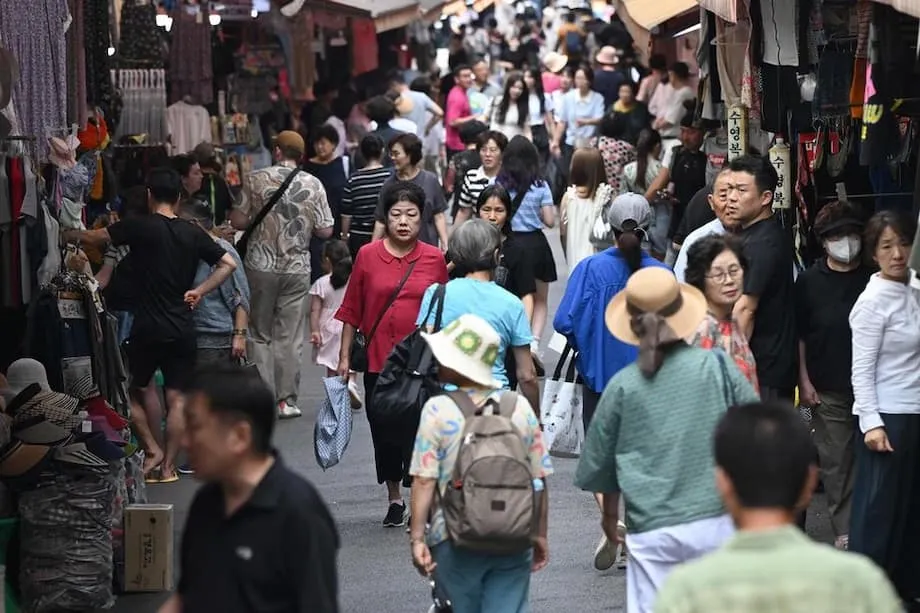
A Fourth Win Puts Seoul in the Spotlight
Seoul has been named the world's favorite city among Generation Z and millennial travelers for the fourth consecutive year in the 2025 Trazees Awards. The South Korean capital finished ahead of destinations including Dublin, Hong Kong and London, extending a winning streak built around its cultural attractions, digital services and mix of old and new.
Contents
- A Fourth Win Puts Seoul in the Spotlight
- Recognition Across Leisure and Business Travel
- How the Korean Wave Becomes a Travel Experience
- Palaces, Traditional Houses and Modern Districts
- Digital Services Make Moving Around Easier
- Why Experiences Matter to Younger Visitors
- Festivals, Nightlife and Food Bring the City Together
- Mountains and the Hangang Offer Another Side of Seoul
- What Tourism Means for Local Businesses
- Key Points
The Seoul Metropolitan Government and the Seoul Tourism Organization announced the recognition following a poll that drew a record 804,482 votes from travelers aged 25 to 40. Now in their 11th year, the awards are organized by Trazee Travel, a travel media outlet based in the United States.
The result reflects the changing preferences of younger travelers and the destinations that capture their interest. Seoul combines royal palaces and traditional neighborhoods with skyscrapers, fashion districts, concerts and experiences shaped by technology. Visitors can move between historic sites, contemporary entertainment and outdoor activities within the same city.
City officials and tourism experts identify three main reasons for that appeal: the connection between tradition and modern life, strong digital infrastructure, and the international influence of Korean popular culture. That cultural influence is commonly called the Korean Wave, or Hallyu.
Kil Ki-yon, CEO of the Seoul Tourism Organization, described the organization's ambition as continuing to build affection for the city through its range of activities and attractions.
With its blend of tourism, business, culture, and the arts, Seoul will continue working to be a city that people around the world would grow to love.
Seoul's latest award joins recognition for solo travel, business events and international conferences. Together, those honors show the range of visitors the capital seeks to attract, from people exploring independently to delegates attending major gatherings.
Recognition Across Leisure and Business Travel
Seoul's appeal extends beyond the Trazees poll. In February 2025, TripAdvisor ranked it as the best city for solo travel. That recognition adds another dimension to its popularity among younger visitors, including those who choose to explore a destination on their own.
Global Traveler has also named Seoul the top destination for meetings, incentives, conventions and exhibitions for ten consecutive years. These activities are often grouped under the abbreviation MICE. They cover travel for business gatherings, organized incentive trips, conferences and exhibitions.
The Union of International Associations ranked Seoul first in Asia and third worldwide for hosting international conferences. This gives the capital a role as a business meeting place alongside its identity as a destination for culture, food and entertainment.
The recent milestones span several dates:
- In 2024, Seoul welcomed more than 100 million visitors.
- In February 2025, TripAdvisor ranked Seoul as the best city for solo travel.
- In the 2025 Trazees Awards, Seoul secured its fourth consecutive win as the favorite city among Generation Z and millennial travelers.
Seoul's four consecutive Trazees wins and ten consecutive years of recognition for business events reflect sustained attention in two different parts of the travel market. The city is drawing interest both as a place to spend leisure time and as a setting for professional gatherings.
How the Korean Wave Becomes a Travel Experience
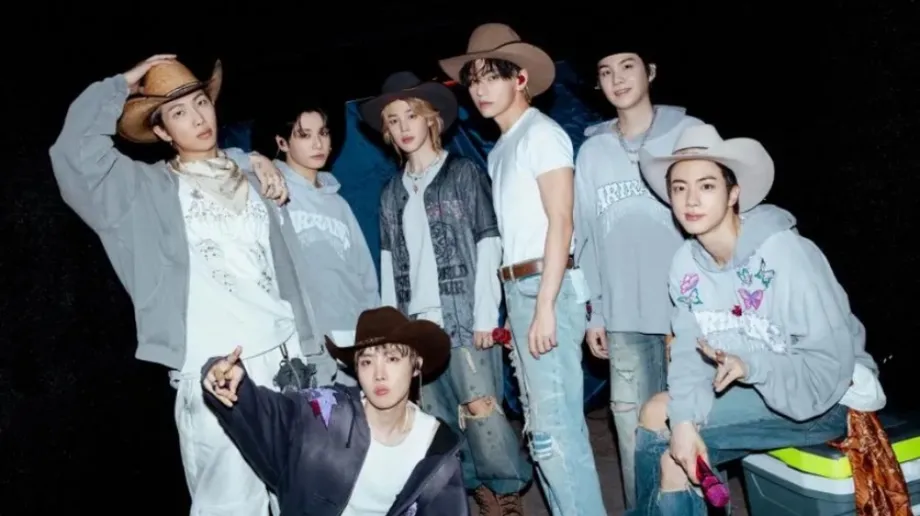
K-pop, Korean television dramas and Korean cinema have helped turn Seoul into a global cultural center. The popularity of Korean beauty products and fashion adds to that interest, connecting entertainment with shopping, personal style and experiences visitors can seek out during a trip.
Hits such as Netflix's KPop Demon Hunters form part of the wider cultural appeal. Fans travel to Seoul to attend concerts, visit filming locations and explore attractions connected to the music, films and television programs they enjoy.
The activities extend beyond performances. Visitors seek out fan meetings, entertainment company headquarters and themed cafes. Others shop for Korean beauty products and fashion or follow routes associated with popular dramas and movies.
Industry observers identify the city's ability to turn popular culture into tourism experiences as a reason for its continued popularity among younger generations. A cultural interest that begins with a song or a screen production can become a reason to book a journey, choose a neighborhood or attend an event.
Seoul's tourism strategy brings those interests into the wider city experience. Concerts, shopping, food and visits to historic places can all form part of the same trip, giving fans reasons to explore beyond the attraction that first caught their attention.
Palaces, Traditional Houses and Modern Districts
Gyeongbokgung Palace and Bukchon Hanok Village are central to Seoul's historical appeal. Gyeongbokgung dates to the 14th century and offers guided tours and traditional performances. Bukchon preserves a neighborhood of traditional Korean houses, providing opportunities to experience older architecture and take photographs.
Gangnam and Dongdaemun present another side of the capital, with contemporary fashion, design and nightlife. Their contrast with the palaces and traditional neighborhoods helps explain why Seoul appeals to visitors who want both cultural history and modern urban experiences.
Insadong adds tea houses, art galleries and traditional crafts to that mix. Visitors interested in the arts or local making traditions can include the district alongside the city's larger landmarks and shopping areas.
Several other attractions serve different interests:
- N Seoul Tower offers panoramic views of the capital and is popular for romantic outings and views after dark.
- Myeongdong combines street food with beauty shops and fashion boutiques.
- Lotte World, one of the world's largest indoor amusement parks, attracts families and visitors seeking exciting rides.
Seoul's combination of heritage and modern attractions gives travelers considerable choice. A visit can focus on architecture and crafts, shopping and design, entertainment, or a mixture of those activities without being built around a single kind of attraction.
Digital Services Make Moving Around Easier
Seoul's digital infrastructure is another major part of its appeal to younger travelers. Free Wi-Fi across the city and fast internet access support visitors who use their phones to plan activities, find information and stay connected while traveling.
Mobile applications provide navigation, bookings and transport updates in real time. Digital guides help visitors explore, while mobile payments, contactless payments and digital ticketing support purchases and entry to attractions and transport services.
Interactive museum installations and virtual reality experiences bring technology into the activities themselves. For visitors accustomed to digital tools, those features connect the practical side of a trip with entertainment and learning.
The Seoul Tourism Organization also communicates with visitors through digital channels, sharing tips, updates and personalized recommendations. Its approach reflects the expectations of younger travelers who value convenient journeys supported by technology.
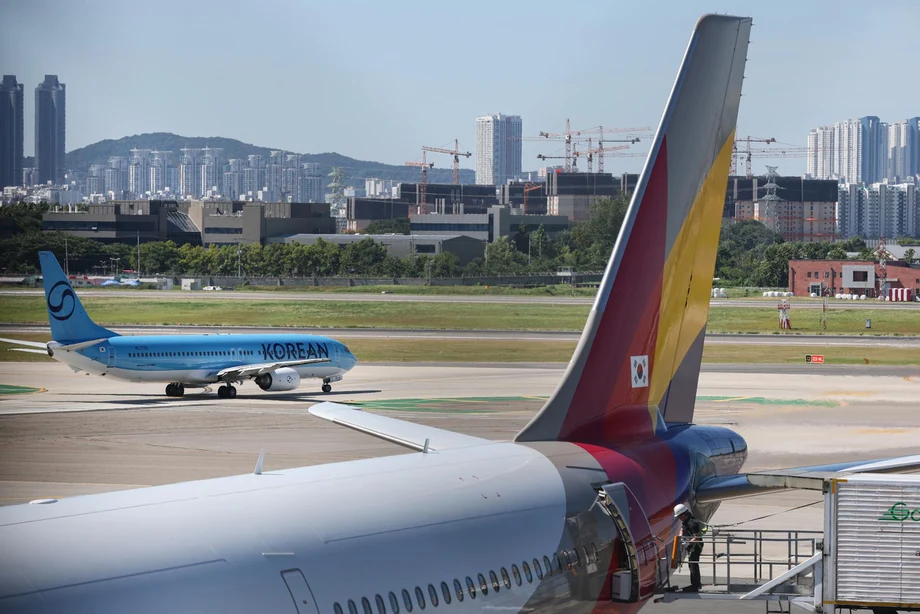
Access from overseas is another advantage. Incheon International Airport is about 48 kilometers from the city center and is connected by modern transport options, including the Airport Express train. Those connections help international visitors travel between the airport and the capital.
Why Experiences Matter to Younger Visitors
South Korea often uses the term MZ generation to describe millennials and Generation Z together. The younger travelers discussed in that grouping place value on experiences, authenticity and social connection, all of which shape how Seoul presents itself to visitors.
Research on these travelers indicates that they are more likely to spend on distinctive activities, local cuisine and cultural events than on material goods. They seek opportunities to take part, express themselves and connect with a place through something more personal than a standard sightseeing stop.
Their preferences include immersive and interactive experiences, opportunities for creativity, appealing settings for social media, and travel options that support environmental sustainability. Seoul's tourism strategy responds through curated tours, practical workshops and green initiatives.
The city has introduced transport designed to reduce environmental impact, student discounts and expanded budget accommodation. Those measures are intended to make travel more accessible and sustainable for young visitors.
Tourism authorities have also invested in support for local guides, artisans and neighborhood businesses. The aim is to connect visitors with authentic experiences while ensuring that the benefits of tourism reach communities beyond the largest attractions and commercial venues.
Festivals, Nightlife and Food Bring the City Together
The Seoul World DJ Festival, K-pop concerts at Olympic Park and the Seoul Lantern Festival form part of a busy events calendar. These gatherings draw visitors from around the world and give travelers specific experiences to build a trip around.
Seoul's nightlife includes hidden speakeasies, themed cafes, night markets and clubs. The variety allows visitors to choose between music, social gatherings, food and quieter venues rather than following one fixed version of a night out.
Food is central to the city's attraction. Street vendors sell dishes such as spicy tteokbokki and sweet hotteok, while restaurants recognized by Michelin serve visitors seeking more elaborate meals. The range stretches from casual street eating to expensive dining.
Seoul's culinary scene reflects both traditional Korean food and an openness to global influences. For younger travelers who prefer to spend on experiences, eating can become a main activity rather than simply a break between attractions.
Festivals, concerts and food also connect several strands of the city's appeal. A visitor drawn by Korean music can attend a performance, explore a market and try local dishes, bringing cultural interests into contact with everyday commercial life.
Mountains and the Hangang Offer Another Side of Seoul
Bukhansan National Park gives outdoor enthusiasts access to scenic trails and mountain views. Hiking there provides a different experience from the shopping streets, museums and entertainment venues that often define the capital's image.
The Hangang River offers water sports, while Namsan Mountain gives visitors another opportunity to walk uphill and look across the city. These places broaden the choices available to travelers who want outdoor activity as part of an urban trip.
Nature is therefore part of Seoul's tourism appeal alongside its cultural and technological attractions. Visitors can combine active outings with palace visits, shopping, concerts or food experiences according to their interests.
The range matters for a destination seeking younger travelers with different priorities. Some arrive for popular culture, others for scenery, history or nightlife. Seoul's attractions allow those interests to overlap within a single visit.
What Tourism Means for Local Businesses
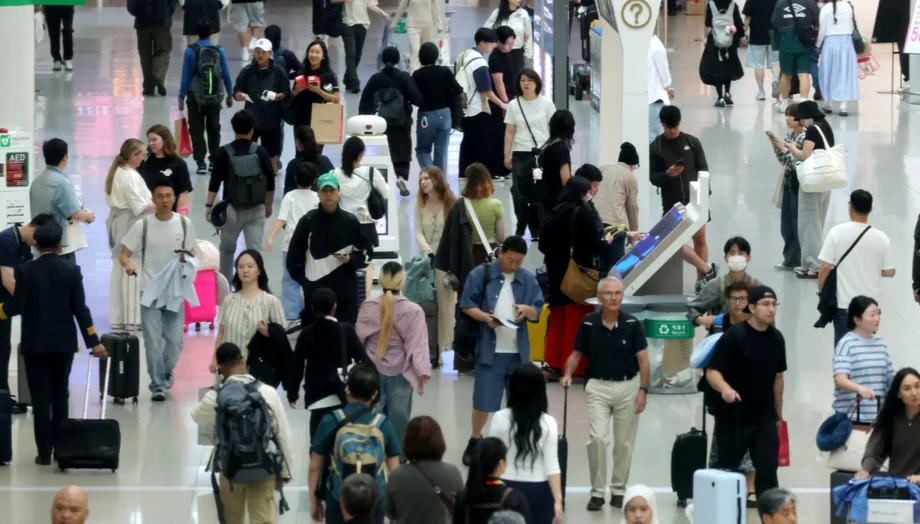
Seoul welcomed more than 100 million visitors in 2024. The influx of young travelers has supported hotels, restaurants, cultural venues and retail shops, making tourism an economic activity as well as a source of international recognition.
The city's strength in business events adds another stream of visitors. Meetings, conventions and exhibitions bring people to Seoul for professional reasons, alongside those arriving for holidays, concerts or independent exploration.
Seoul's tourism authorities are working to strengthen both sides of that market. Their plans include upgrading transport infrastructure, developing new smart travel solutions and digital services, and expanding practices that support sustainable tourism.
The Seoul Metropolitan Government and the Seoul Tourism Organization also plan targeted marketing campaigns and partnerships with international brands. Support for local communities and more inclusive tourism forms another part of the effort.
Those priorities build on the features behind the latest award: access to culture, practical transport and digital services, a wide range of activities, and opportunities to engage with local businesses. The city aims to retain its appeal as younger travelers change how they choose destinations and spend their time.
Key Points
- Seoul won the favorite city category for Generation Z and millennial travelers at the 2025 Trazees Awards for the fourth consecutive year.
- The awards drew a record 804,482 votes from travelers aged 25 to 40, with Seoul finishing ahead of destinations including Dublin, Hong Kong and London.
- Korean popular culture, historic attractions, modern districts and digital services are central to the city's appeal.
- TripAdvisor ranked Seoul as the best city for solo travel in February 2025, while the capital also holds leading positions in business events and international conferences.
- Seoul welcomed more than 100 million visitors in 2024, supporting accommodation, food, retail and cultural businesses.
- The city's tourism plans focus on transport, digital services, sustainability, international promotion and support for local communities.