A July 2026 deadline for the city center
Hanoi plans to prohibit petrol and diesel motorcycles and mopeds inside Ring Road 1 from July 1, 2026, under Prime Minister Pham Minh Chinh's Directive 20. The restriction will reach Ring Road 2 in 2028 and Ring Road 3 by 2030, with gasoline cars eventually included as the policy expands.
Contents
- A July 2026 deadline for the city center
- Why officials want petrol scooters off the streets
- How the restrictions are expected to expand
- Enforcement will reach beyond roadside checks
- Residents support cleaner air but question the timetable
- What the proposed support would actually cover
- VinFast and its competitors face a changing market
- Charging, electricity and batteries need preparation
- Can buses and metro services carry more passengers?
- Other cities show the scale of Hanoi's task
- Visitors and daily routines will also change
- The Essentials
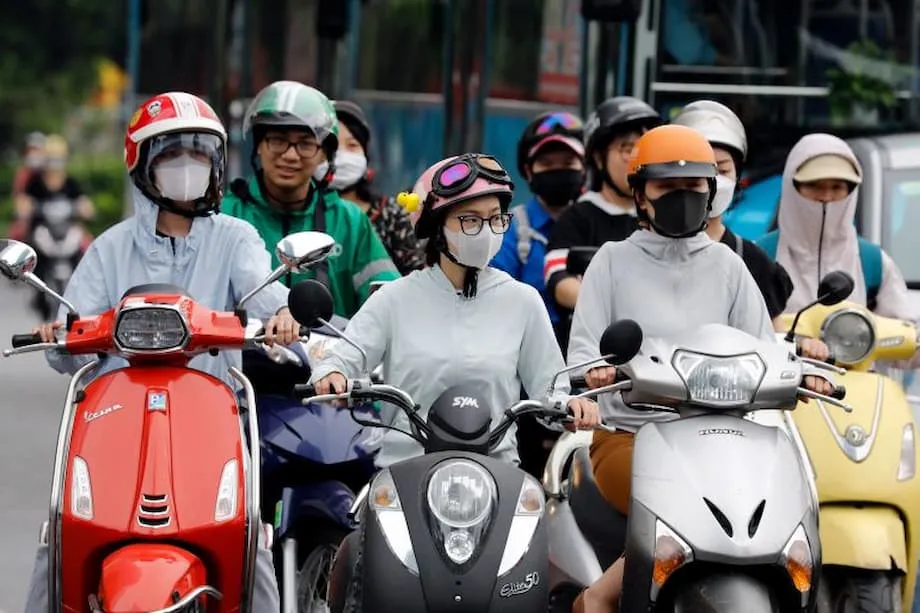
As of August 29, 2025, the capital has less than a year to prepare for the first stage. Nearly 7 million two wheelers carry commuters, schoolchildren, deliveries and workers through a city whose population is described as about 8 million or more, with another estimate approaching 10 million. That dependence makes the proposed change much more than a decision about engines.
The government wants cleaner air, quieter streets and a more sustainable transport system. Residents who earn their living on motorcycles face a more immediate calculation: how to replace a working vehicle, pay for the replacement and keep earning while the rules change.
Hanoi's electric transition also faces practical limits. Only about 5% of its two wheelers are electric in 2025, while its public transport network consists of just over 2,000 buses and two short metro lines. Charging facilities, electricity supply and financial assistance will all have to support a shift affecting a large share of daily travel.
The first restriction covers the historic Old Quarter, business districts and many government offices. Those destinations draw people from beyond the proposed zone, so the effects will reach workers and families whose homes lie outside Ring Road 1.
Why officials want petrol scooters off the streets
Hanoi frequently records air quality index readings in the unhealthy range and consistently ranks among the world's most polluted cities. The air quality index, or AQI, is a scale used to communicate how polluted the air is and the associated health risk.
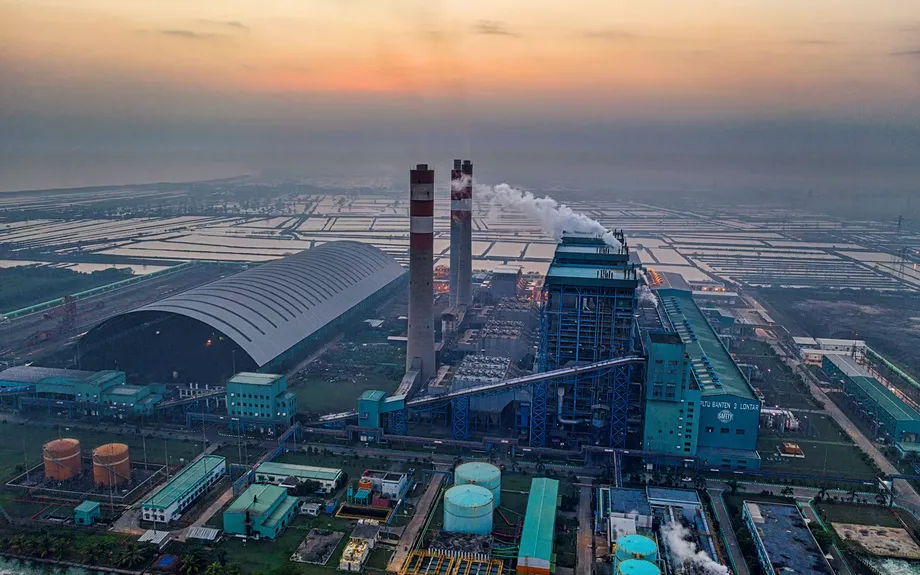
Motorcycle exhaust combines with emissions from cars and dust from construction to form the haze that blankets the capital, particularly during the dry season. As incomes increase and more residents buy personal vehicles, pressure on air quality has intensified.
The World Health Organization links more than 60,000 deaths across Vietnam each year to air pollution. Fine particulate matter, known as PM2.5, and nitrogen dioxide from vehicle exhaust are major concerns. PM2.5 refers to very small airborne particles that can enter deep into the lungs. Exposure to these pollutants increases the risk of asthma, heart disease and premature death.
City officials hope electrifying motorcycles will reduce smog, noise and congestion in dense neighborhoods. Electric vehicles remove exhaust emissions from the vehicle itself. Congestion, however, also depends on how many vehicles use the streets, making the planned expansion of public transport part of the same challenge.
The restrictions sit within broader national ambitions to phase out gas powered two wheelers by 2045 and reach net zero greenhouse gas emissions by 2050. Net zero means balancing emissions released into the atmosphere with the amount removed.
How the restrictions are expected to expand
Ring Road 1 marks the boundary of the first restricted area. Later stages will widen the geographical reach and eventually bring gasoline cars into the policy. The schedule gives the central city the earliest deadline, followed by larger areas over the next four years.
- July 1, 2026: Petrol and diesel motorcycles and mopeds are to be prohibited within Ring Road 1.
- 2028: The restrictions are to expand to Ring Road 2.
- 2030: The policy is to reach Ring Road 3, with gasoline cars eventually included in the expanding restrictions.
- 2045: Vietnam aims to phase out all vehicles using fossil fuels nationwide, including gas powered two wheelers.
- 2050: Vietnam aims to achieve net zero greenhouse gas emissions.
The Ministry of Transport has also set targets for electric vehicles to account for 30% of cars and 22% of motorbikes in Vietnam by 2030. These national targets and Hanoi's local restrictions operate at different scales: one concerns the country's vehicle mix, while the other determines which vehicles can enter particular parts of the capital.
Ho Chi Minh City and Da Nang are watching Hanoi's preparations and considering similar restrictions. The capital's experience will therefore matter beyond its own streets, especially if other cities adopt comparable schedules.
Enforcement will reach beyond roadside checks
Authorities plan to use higher registration and parking fees for vehicles using fossil fuels, digital monitoring and stricter penalties for environmental violations. Rewards are also planned for people who report pollution breaches.
These measures combine financial pressure with monitoring and punishment. Higher fees would make continued ownership or use more expensive, while digital systems would support enforcement across the restricted areas.
Residents question how authorities will keep millions of drivers from entering the zones and whether enforcement can match the scale of the task. The precise arrangements for entry checks, the full support package and the readiness of replacement transport remain unsettled in the account of preparations as of August 29.
The practical burden falls on journeys that currently cross the proposed boundary every day. Delivery workers, commuters and motorcycle taxi drivers will need an allowed vehicle or another way to complete those trips when the first stage begins.
Residents support cleaner air but question the timetable
A recent survey found that 58% of respondents considered the ban unfeasible, while 18% thought it possible. The figures capture a sharp gap between those two responses, with skepticism more than three times as common as confidence among respondents.
Social media jokes about propellers, wings and magic carpets have accompanied the debate. Behind the humor lies anxiety about how people will reach work, move goods or take children to school if their existing motorcycles can no longer enter the center.
Nguyen Van Hung, a motorcycle taxi driver, described the threat to people whose vehicle is also their source of income:
It will affect people who rely on motorbikes to earn a living. How can people just discard their vehicles?
Delivery drivers, workers using ride hailing apps and market vendors face similar concerns. Losing access to central neighborhoods could affect their earnings before they have enough money to replace a petrol scooter.
Le Hong Viet, a store employee, described a different attachment to his motorcycle. His petrol scooter carried his wife to hospital to give birth and took his children to school for years. Replacing it with an expensive electric model feels financially difficult and emotionally unsettling because the vehicle is woven into family life.
The debate has also prompted fears that a poorly managed transition could deepen inequality and provoke social unrest. The central issue is whether people with fewer resources can change vehicles or travel habits quickly enough to keep working and caring for their families.
What the proposed support would actually cover
The government has promised support of up to 5 million dong, about $200, per person switching to an electric bike. A new electric scooter can cost 30 million dong, about $1,200, or more.
At those figures, the maximum assistance would cover roughly one sixth of a scooter priced at 30 million dong. A buyer receiving the full amount would still need at least 25 million dong for that vehicle. Used petrol motorcycles remain much cheaper, making the difference especially difficult for households already relying on an inexpensive secondhand bike.
Pham Thi Huong Giang, an environmental activist, called for clear rules and support that reaches people whose income depends on motorcycles:
We need a transparent legal framework, a clear roadmap, and strong support for citizens in the transition, especially low-income groups dependent on motorbikes, as well as adequate public transport alternatives.
Her concerns connect the legal timetable with everyday affordability. A subsidy addresses part of the purchase price, while dependable public transport offers another route for residents unable to buy a replacement vehicle.
Installment payments could spread the cost of an electric scooter, but workers would still need to meet those payments from their income. For a delivery rider or motorcycle taxi driver, the transition has to preserve access to customers as well as provide a different engine.
VinFast and its competitors face a changing market
Honda and Yamaha face pressure to adapt production toward electric models or risk losing market share as restrictions expand. Distributors are expected to promote petrol vehicles aggressively to clear inventory before the ban takes effect.
Electric vehicle dealerships are expanding rapidly in Hanoi and Ho Chi Minh City, particularly those associated with VinFast. The Vietnamese manufacturer, a subsidiary of Vingroup, has invested heavily in electric vehicle technology, battery production and charging infrastructure.
VinFast holds nearly a fifth of Vietnam's electric vehicle market, although its share of the two wheeler market remains modest. Its incentives include free registration fees, discounts and installment payment plans. A recent proposal for Hanoi residents offers free registration, a 10% discount and free charging until 2027 for VinFast electric motorbikes.
The close alignment between the policy and VinFast's commercial interests has fueled suspicions of cronyism. Critics question whether the restrictions favor Vingroup over foreign competitors and consumers. Those suspicions remain part of the public debate, with no concrete evidence of undue influence identified.
As restrictions widen and eventually cover cars, manufacturers with established electric technology, including VinFast, Yadea and Dat Bike, are expected to gain ground. Companies focused on petrol vehicles may need to switch production or leave the market.
Distributors and dealerships that cannot adapt could close. Demand for public transport, particularly electric buses and metro services, is expected to increase as residents seek alternatives to vehicles that will no longer be allowed in restricted areas.
Charging, electricity and batteries need preparation
High purchase prices, limited charging infrastructure and worries about running out of battery power have kept electric motorcycle adoption relatively low. With only about 5% of Hanoi's two wheelers electric in 2025, most riders still use other types of vehicles.
Range anxiety means concern that a vehicle will run out of power before reaching a destination or a place to charge. That concern matters especially to people whose working day involves repeated trips rather than a single commute.
A nationwide charging network will require substantial investment. Private companies such as VinFast are carrying much of that work, with limited government incentives so far. The availability of charging will shape how easily riders can use an electric motorcycle for deliveries, passenger trips and family travel.
Past blackouts and an unstable electricity grid have added concern about a surge in vehicle charging. Hanoi's hot summer months already bring high electricity demand, making the timing and reliability of additional charging important to residents and businesses.
Used batteries create another environmental and logistical challenge. Vietnam lacks a comprehensive system for battery recycling and disposal, so expanding electric transport will also require arrangements for handling batteries when they reach the end of their useful life.
Can buses and metro services carry more passengers?
Hanoi's just over 2,000 buses and two short metro lines serve a population of more than 8 million. Many neighborhoods, including parts of the inner city, lack dependable alternatives to motorcycles.
The size and reach of that network matter because a ban changes access immediately for affected riders. A bus or metro service needs to connect with the places people live, work and study if it is to replace a motorcycle journey in practice.
Dr. Hoang Duong Tung, chairman of the Vietnam Clean Air Network, praised the government's commitment while urging rapid action and better public communication. Residents need a clear timetable and understandable information about the transition alongside the physical infrastructure.
Dr. Bui Thi An, a former National Assembly delegate, called for an approach bringing together policy, infrastructure and public awareness. The proposals for direct subsidies, expanded charging and major public transport investment address different parts of the same daily problem.
An unnamed observer expressed the concern that the burden begins with motorcycle users rather than people driving cars:
If they really want to clean up the city, why don't they ban petrol cars first?
The first phase places the earliest adjustment on people using two wheelers. Without sufficient support, the transition risks disrupting livelihoods and creating social disorder, particularly among residents who have the fewest affordable alternatives.
Other cities show the scale of Hanoi's task
Amsterdam, Paris and Milan have introduced zones restricting polluting vehicles or outright bans on petrol and diesel vehicles. Amsterdam plans to ban all petrol and diesel cars, motorcycles and mopeds by 2030.
In China, cities including Shanghai have shifted successfully toward electric scooters, reducing noise and air pollution. Those experiences offer a point of comparison for Hanoi's goal of replacing combustion engines in a city where motorcycles dominate everyday travel.
Vietnam's approach is being watched elsewhere in Southeast Asia, where motorcycles greatly outnumber cars. A successful transition in Hanoi could provide a model for electrifying personal transport in developing countries.
Hanoi's immediate challenge is the speed and scale of preparation. With millions of vehicles forming the city's transport system and less than a year before the first restriction, the capital must align rules, affordable alternatives and infrastructure within a short period.
Visitors and daily routines will also change
Petrol motorcycle rentals and taxis in restricted areas will give way to electric alternatives, bicycles and public transport. Tour operators are adapting with tours using electric vehicles, cyclo rides and walking itineraries, while ride hailing apps are moving toward electric scooters in the city center.
Travelers will need to plan transport ahead, choose operators using cleaner vehicles and check the availability of charging where relevant. Changes to central access will affect how visitors move between accommodation, attractions and other destinations.
A trip lasting five days with a moderate budget after 2026 is estimated to cost $250 to $400 per person, including sustainable transport and activities. Cleaner air and less noise are expected to improve the visitor experience, while the transport shift gives tourists ways to support Hanoi's environmental goals.
For residents, the stakes are more continuous: school runs, hospital visits, commuting and earning a living. Coordinated government action, infrastructure investment, environmental management and sustained help for vulnerable groups will determine whether the transition makes those routines healthier without making them unaffordable.
The Essentials
- Hanoi plans to prohibit petrol and diesel motorcycles and mopeds within Ring Road 1 from July 1, 2026, under Directive 20.
- Restrictions are scheduled to reach Ring Road 2 in 2028 and Ring Road 3 by 2030, eventually including gasoline cars.
- The city has nearly 7 million two wheelers, with only about 5% electric in 2025.
- Support of up to 5 million dong compares with electric scooter prices of 30 million dong or more.
- Delivery workers, motorcycle taxi drivers and vendors face concerns about replacement costs and continued access to customers.
- VinFast and other electric vehicle manufacturers stand to gain, while petrol vehicle businesses face pressure to adapt.
- Charging infrastructure, electricity reliability, battery disposal and a network of just over 2,000 buses and two short metro lines remain central preparation challenges.
- Vietnam aims to phase out vehicles using fossil fuels by 2045 and achieve net zero greenhouse gas emissions by 2050.