A daily staple becomes a national pressure point
Japan's rice prices rose 90.7 percent in July 2025 compared with a year earlier, according to official data, putting one of the country's most familiar foods at the center of a crisis over household budgets, agricultural policy and food security.
Contents
- A daily staple becomes a national pressure point
- Heat, earthquake fears and rising demand
- How the pressure built over time
- Why reserve releases brought limited relief
- Farm protection and restricted supply
- Feed rice and a market slow to adjust
- Households and small businesses face uneven access
- Rice prices become a political test
- Why rice complicates the inflation debate
- Imports offer relief but face resistance
- Farmers, cooperatives and the next contracts
- Food security reaches beyond the harvest
- Key Points
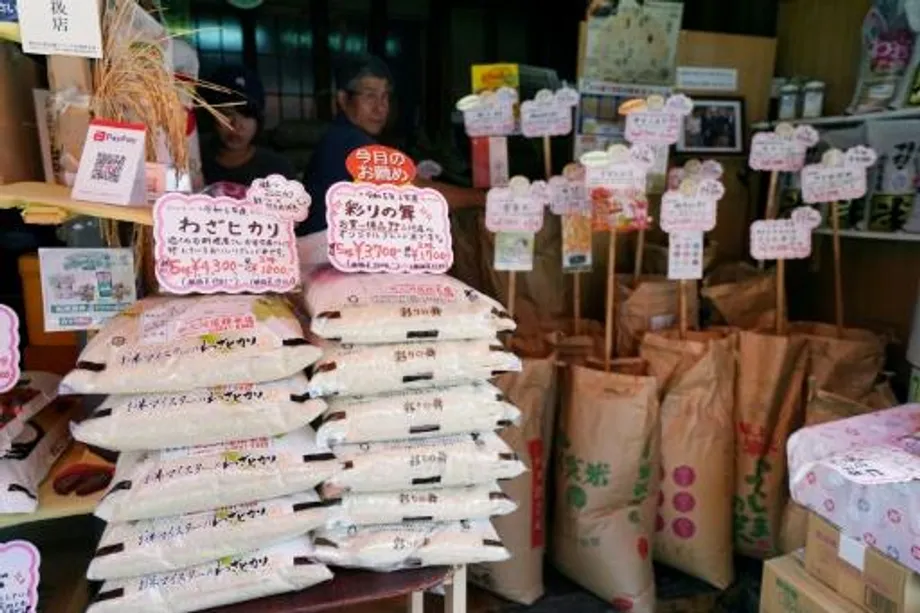
The pace of the increase eased slightly from earlier months, but prices remained painfully high. A five kilogram bag of the popular Koshihikari variety cost around 5,000 yen, or about $35, while other varieties sold for roughly 4,200 yen, or $29. The government's goal was to bring the price of the same quantity down to around 3,000 yen, or $20.
For families, the difference means spending more on a daily necessity. Restaurants face a choice between absorbing higher costs, changing their menus or buying cheaper imported rice. Grocery stores have rationed purchases, sometimes limiting shoppers to one bag each.
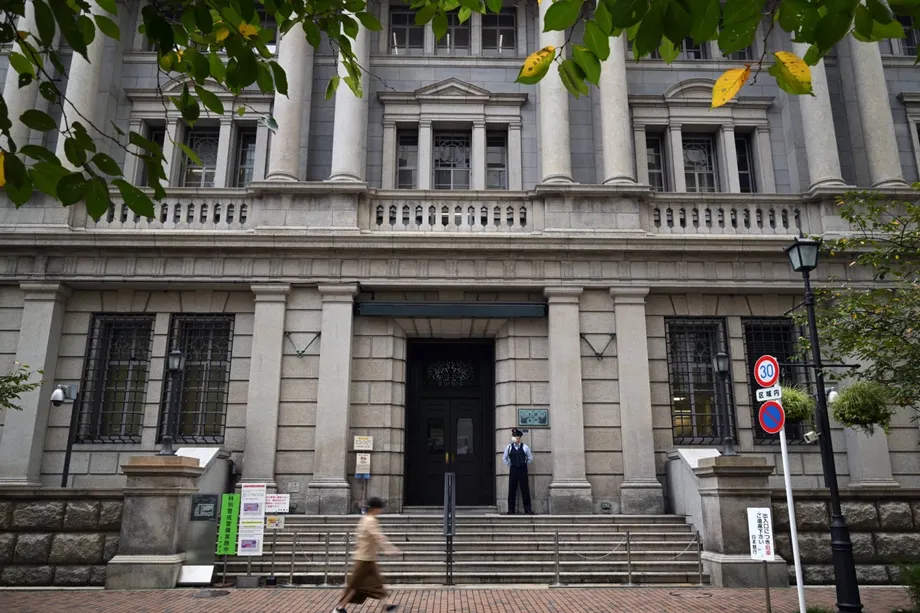
By August 24, 2025, the consequences had reached far beyond supermarket shelves. Anger over food costs had contributed to electoral losses for Prime Minister Shigeru Ishiba's ruling coalition, while rice inflation complicated the Bank of Japan's decisions about interest rates.
The crisis brings together several pressures: damage from extreme heat, a rush to stockpile food after an earthquake warning, stronger demand from visitors and residents, and a production system that has struggled to adjust. Government reserves have provided another source of supply, but releasing rice has not quickly restored affordable prices.
Heat, earthquake fears and rising demand
A record heatwave in the summer of 2023 damaged Japan's rice crop, reducing both yields and quality. That weaker harvest helped set the conditions for shortages during 2024 and 2025.
In August 2024, a government warning about a possible megaquake prompted widespread panic buying and stockpiling, particularly in Kyushu and along the Pacific coast. The rush coincided with the Obon holiday, adding demand at an already busy time.
Visitors also increased the amount of rice being eaten. Japan's reopening to international tourism after the COVID-19 pandemic brought a surge of travelers, including many from cultures where rice is a staple. Separately, the foreign population grew by a record 342,000 in 2024, adding another source of demand.
The war in Ukraine and global wheat shortages put further pressure on the market by encouraging more Japanese consumers and restaurants to turn to rice. Several changes that might have been manageable on their own arrived while supplies were already under strain.
The sensitivity of the market helps explain the scale of the price increase. A change of just 200,000 tons in supply, equivalent to about 2.7 percent of annual production, can disrupt the market. When the amount available is close to the amount people want to buy, even a relatively small shift can leave buyers competing for the same rice.
How the pressure built over time
Japan's rice crisis developed across several seasons. Crop damage came first, followed by sudden buying, changes in trading and government intervention.
- Summer 2023: Record heat damaged rice yields and quality, helping create the conditions for shortages in 2024 and 2025.
- August 2024: A government megaquake warning triggered stockpiling, especially in Kyushu and along the Pacific coast, during the Obon holiday period.
- Late summer 2024: A rice index futures market opened, introducing another channel for expectations about prices.
- January 2025: New rules made it easier to release government rice reserves during emergencies. The Bank of Japan also last raised interest rates that month.
- By February 2025: Some 210,000 tonnes of reserve rice had been put on the market.
- July 2025: Rice prices were 90.7 percent higher than a year earlier, while core inflation stood at 3.1 percent.
- August 24, 2025: High retail prices continued to drive debate over farming, imports, inflation and food security.
The sequence matters for shoppers because an increase in supply does not immediately replace rice that businesses have already purchased at higher prices. Government action on reserves and the prices charged at the checkout move through different stages of the same market.
Why reserve releases brought limited relief
Japan's government responded by changing the rules governing emergency stockpiles and releasing rice. These reserves were originally intended for disaster relief, but their use during the price surge made them a practical tool for trying to hold down prices.
The January changes allowed easier releases during emergencies, and 210,000 tonnes had entered the market by February. Yet much of the rice moving through the commercial system had already been bought and sold at elevated prices, limiting the immediate effect on retail prices.
Criticism has also focused on the absence of clear measures for judging when intervention should happen and whether it is working. The government's approach has been described as reactive, with action following the price surge rather than anticipating it.
The longer term effects of using disaster reserves to manage prices were uncertain as of August 24. The immediate objective remained concrete: make rice more affordable without undermining the domestic farming system that supplies it.
Farm protection and restricted supply
Japan has long used agricultural policy to protect domestic farmers and support rural communities. Its approach has included incentives to grow crops other than rice, subsidies for rice used as livestock feed and high tariffs that shelter Japanese producers from imported rice.
These policies also preserve traditional farming, but critics argue that they have kept production artificially low and prices high. The average Japanese rice farmer is now nearly 70, adding concern about who will maintain production as the farming population ages.
Kay Shimizu, a political economist, described the relationship between production limits and the political importance of older farmers:
The Japanese government has historically limited rice production to protect elderly, part-time rice farmers, who are a key voting base for the ruling Liberal Democratic Party. This artificial restriction keeps supply low and prices high.
The government's challenge is therefore broader than finding additional bags of rice for shops. Policies designed to sustain farmers can make it harder to respond when consumers suddenly need more supply. Changes that lower household costs can also threaten the incomes of the rural communities those policies were built to protect.
Feed rice and a market slow to adjust
About one tenth of Japan's rice output is sold as livestock feed at lower prices. A quarter of that feed rice is the same variety as rice grown for people to eat. Redirecting it to human consumption would bring supply above demand, illustrating how the use of existing production affects availability.
Japan's system has relied on a combination of subsidies, quotas and incentives to grow alternative crops. The abolition in 2004 of the gentan program, a government led arrangement controlling rice production, and the subsequent use of feed rice subsidies added further complexity to the market.
The central problem is the difficulty of changing production and distribution quickly when conditions shift. Rice may exist within the wider agricultural system while remaining outside the channels that supply household meals.
East Asia Forum described that problem in terms of the way the market operates:
The real issue is not a shortage of rice production, but inflexible production systems and missing market mechanisms that worsened price spikes.
The rice index futures market that opened in late summer 2024 added another element. Futures allow trading based on expectations about later prices. Its launch signaled expectations of higher prices and fueled speculation among traders and consumers. Some analysts have warned that speculation could destabilize prices without careful regulation.
Households and small businesses face uneven access
Families living on fixed incomes have found it especially difficult to absorb the increase. Rice is a regular purchase, so a much higher price repeatedly takes money away from the rest of the household budget.
The gap between actual prices and the government's target remained large. Bringing a bag costing 4,200 yen down to 3,000 yen would require a reduction of 1,200 yen. For Koshihikari at 5,000 yen, the difference was 2,000 yen for the same five kilograms.
Restaurants and other food service businesses have responded by buying cheaper imported rice or changing menus to use less rice. Their decisions connect the price of uncooked rice to the meals people buy outside the home.
Access has also been uneven across the distribution system. Major wholesalers have maintained inventories and passed higher costs on to customers, while smaller retailers and individual buyers have struggled to secure supplies.
Some analysts have warned that persistently high prices could encourage black markets or unfair access, as has happened during food crises elsewhere. For Japanese consumers, the immediate experience has been more straightforward: higher bills, purchase limits and uncertainty about what will be available.
Rice prices become a political test
Prime Minister Shigeru Ishiba's government has faced growing political pressure over the cost of food. Voter anger contributed to the ruling coalition losing its majority in both chambers of parliament. A recent poll put cabinet approval at 27.4 percent.
Agriculture Minister Taku Eto resigned after controversial remarks about receiving rice as gifts. His departure sharpened attention on the distance between political leaders and households struggling to pay for a staple.
His successor, Koizumi Shinjiro, pledged to reform agricultural policy and challenge the powerful farm lobby. Those promises place him between consumers seeking lower prices and producers concerned about their livelihoods.
John Wright, writing in The Diplomat about the wider social and security consequences, described the pressure created by expensive staples:
The consequences of expensive staple foods include public anxiety, political pressure, and economic strain as more income is spent on food,
The political stakes extend beyond the performance of a single minister. Decisions about reserves, imports and farm support affect different groups in different ways, making a rapid agreement on reform difficult.
Why rice complicates the inflation debate
Japan's core inflation rate, which excludes fresh food, was 3.1 percent in July, above the Bank of Japan's target of 2 percent. Food inflation excluding fresh products accelerated to 8.3 percent, with rice making a substantial contribution.
Core inflation removes fresh food because its prices can fluctuate sharply. Even with that category excluded, the July figure showed that price pressure extended across the broader basket used to measure living costs.
The Bank of Japan last raised interest rates in January. It has been cautious about further increases because it views current inflation as being driven by temporary forces, including rice prices and global energy shocks.
Higher interest rates can restrain spending and borrowing, helping cool price growth. They also affect the wider economy, so the central bank has to weigh persistent inflation against the strength of domestic demand and risks abroad.
With inflation staying high and the economy showing resilience, many economists expected another increase as early as October. That was an expectation rather than an announced decision. The bank's own statements stressed flexibility and close monitoring of global developments and domestic demand.
U.S. Treasury Secretary Scott Bessent added international pressure, publicly urging the Bank of Japan to act and describing it as "behind the curve" on inflation.
Imports offer relief but face resistance
High tariffs largely insulate Japan's rice market from international competition. The policy aims to preserve domestic agriculture and food self sufficiency, meaning the country's ability to meet its own food needs. It also limits how readily imports can fill a gap when domestic supplies tighten.
Trade negotiations with the United States brought another route for discussion. A new deal reduced threatened tariffs on Japanese cars and other goods, while U.S. President Donald Trump pressed Japan to buy more American rice.
American varieties such as Calrose have appeared in Japanese supermarkets. Their volume remained small compared with domestic demand, however, limiting their immediate ability to relieve the pressure.
More imports could ease shortages, but the choice remains politically sensitive. Many Japanese consumers prefer domestic rice for its taste and cultural importance. Farmers fear that greater competition from abroad would weaken their livelihoods.
The trade debate therefore meets the same tension as domestic agricultural reform: consumers need affordable food, while farmers need a viable reason to keep producing it.
Farmers, cooperatives and the next contracts
Japan has begun giving farmers more flexibility in choosing where to sell their rice. Some cooperatives have also proposed contracts covering several years at stable prices, offering another way to manage uncertainty.
These changes come as the balance between traditional cooperatives, including Japan Agricultural Cooperatives, known as JA, and private wholesalers shifts. The outcome could affect farmers' bargaining power and the organization of the market.
Competition among buyers could push prices higher if several businesses try to secure the same harvest. If that competition does not intensify and more government reserves enter the market, prices could stabilize or fall.
Farmers, policymakers and buyers therefore face decisions in 2025 that could reshape how rice is sold and how price risks are shared. Stable contracts, more flexible sales and reserve releases address different parts of that problem, from farm income to the supply reaching retailers.
Food security reaches beyond the harvest
Rice holds a place in Japan's national identity, cultural heritage and social cohesion as well as its diet. Its price surge has made food security, reliable access to enough affordable food, a question of social stability and national security.
The Diplomat connected those concerns to Japan's geography, which limits agricultural output and contributes to dependence on imported food. That dependence leaves the country exposed to disruptions abroad, while urbanization and a shrinking rural population put domestic production under pressure.
The crisis combines immediate and lasting problems. Families need affordable rice now. Farmers need workable incomes and successors. The government must balance emergency supply measures with decisions about production, imports and the future of rural communities.
As of August 24, the central test was whether Japan could make its rice system more responsive while preserving the ability to produce its most culturally important staple. The answer would be felt in shopping baskets, restaurant kitchens and farming communities.
Key Points
- Rice prices rose 90.7 percent in July 2025 compared with a year earlier.
- Extreme heat, earthquake related stockpiling, stronger demand and rigid production arrangements contributed to the pressure.
- By February, the government had put 210,000 tonnes of reserve rice on the market, but retail relief remained limited.
- Five kilograms of Koshihikari cost around 5,000 yen, compared with the government's target of about 3,000 yen.
- Food costs contributed to political losses for Ishiba's ruling coalition and intensified debate over farm reform.
- July core inflation was 3.1 percent, while food inflation excluding fresh products reached 8.3 percent.
- Imports, reserve releases, flexible sales and longer contracts were central to efforts to restore affordable and reliable supply.