Tourism Recovery Fuels a New Wave of Hotel Investment
South Korea welcomed 8.83 million foreign visitors between January and June 2025, an increase of 1.12 million from the same period in 2024, according to the Korea Tourism Organization. Arrivals reached 104 percent of the level recorded in the first half of 2019, putting tourism above its level before the pandemic and helping drive a wave of hotel investment in Seoul.
Contents
- Tourism Recovery Fuels a New Wave of Hotel Investment
- Luxury Brands Set Their Opening Plans
- Why Investors Are Looking Beyond Luxury
- Three Deals Show the Breadth of Demand
- The Former Hilton Site Becomes Iota Seoul
- Hotel Brands Move Into Residential Living
- Korean Design and Experiences Shape the Stay
- Luxury Spending Shifts Toward Experiences
- Airport Improvements Extend the Luxury Experience
- Investment Growth Brings Operating Pressures
- Key Points
Global luxury brands are planning openings stretching from 2027 to 2031, while foreign investors are pursuing properties across the market. Goldman Sachs has made its first hotel investment in Korea through a 262 billion won purchase with JB Asset Management. Singapore's sovereign wealth fund GIC has been selected as the preferred bidder for three Glad properties in a transaction estimated at 600 billion won.
Seoul, once considered short of true luxury hotels, is experiencing a sharp turnaround. During the COVID-19 pandemic, hotels closed or were repurposed, with some converted into offices. The current expansion brings new hotel projects, major property transactions and redevelopment plans that will change parts of the capital.
International travelers are only part of the demand. A growing affluent domestic population is also seeking luxury stays, dining, wellness facilities and hotel services. That gives operators a market among Korean residents as well as visitors arriving from abroad.
As of August 22, 2025, the expansion includes conventional hotels, homes managed by hospitality brands and large developments combining accommodation with offices, shops and public space. Those projects serve different customers, but together they show how broadly investors and operators are betting on Seoul's hospitality economy.
Luxury Brands Set Their Opening Plans
Rosewood Seoul is scheduled to open in 2027 at The Parkside Seoul, a development on the former United Nations Command site in central Seoul. Capella Hotels & Resorts, known for its position at the most expensive end of the luxury market, plans to introduce Capella Residences Seoul in southern Seoul in the same year.
Aman Group is entering Korea through Janu, its contemporary lifestyle brand, with properties planned for Seoul and Jeju Island in 2027. The original proposal for Janu Seoul near Seoul Station fell through. The property is now likely to be located in the affluent Cheongdam district, although its location has not been settled.
Mandarin Oriental plans to open its first Korean hotel at the Seoul Station development site by 2029. The Ritz-Carlton is due to return to Seoul in 2031 as the hotel anchor of the redevelopment of the former Millennium Hilton Seoul site.
The announced schedule stretches across several years:
- 2027: Rosewood Seoul at The Parkside Seoul and Capella Residences Seoul are scheduled to debut. Janu properties are also planned for Seoul and Jeju Island.
- 2029: Mandarin Oriental plans to open its first Korean hotel at the Seoul Station development site by this year.
- 2031: The Ritz-Carlton is scheduled to open its new flagship hotel on the former Millennium Hilton Seoul site.
These arrivals will increase competition over service, design and the guest experience. They also bring different forms of luxury hospitality into the market, from hotels welcoming short visits to residences intended for everyday living with services associated with an international hotel brand.
Why Investors Are Looking Beyond Luxury
Seoul's investment appeal extends to hotels with more moderate prices. According to a report by global real estate firm JLL, revenue per available room at the city's midrange and budget hotels rose 23.4 percent in 2024, compared with 14.4 percent at luxury hotels.
Revenue per available room, usually shortened to RevPAR, measures room revenue against all available rooms. It reflects both the prices hotels achieve and how many rooms they fill. The figures put growth in the midrange and budget segment 9 percentage points ahead of luxury hotels.
Improved profitability is drawing interest from a wider group of investors, including major private equity firms and sovereign wealth funds. An unnamed banker specializing in offshore investments described the volume of inquiries about Korean hotels:
Foreign investors are lining up to inquire about investing in local hotel properties,
The banker also described a shift in the types of properties attracting attention:
While foreign investors have traditionally focused on high-end hotels given their scale of investments, they are now expanding their interest to smaller, mid-scale properties as well.
For investors, the attraction is therefore broader than the arrival of famous luxury names. Hotels serving travelers with smaller budgets are recording faster growth in room revenue, giving buyers another route into the recovery in tourism.
Three Deals Show the Breadth of Demand
Goldman Sachs and JB Asset Management jointly acquired the Mercure Ambassador Hotel Hongdae for 262 billion won, or $187 million. The property is a hotel with four stars in the lively Hongdae district, and the transaction marks Goldman Sachs' first hotel investment in Korea.
GIC, Singapore's sovereign wealth fund, was selected as the preferred bidder to acquire three properties operated by Glad Hotel & Resort: Glad Yeouido, Glad Gangnam Coex Center and Maison Glad Jeju. The proposed transaction is estimated at 600 billion won, or $437 million.
Hanwha Hotels & Resorts is in talks to acquire Paraspara Seoul, a hotel and resort with five stars, for around 200 billion won, or $144 million. A purchase would strengthen Hanwha's luxury portfolio.
The transactions are at different stages. Goldman Sachs and JB Asset Management have made their acquisition, while GIC's preferred bidder status and Hanwha's negotiations describe purchases still being pursued. Together, the deals illustrate confidence in Korean hospitality across locations and price categories, including properties outside Seoul.
The Former Hilton Site Becomes Iota Seoul
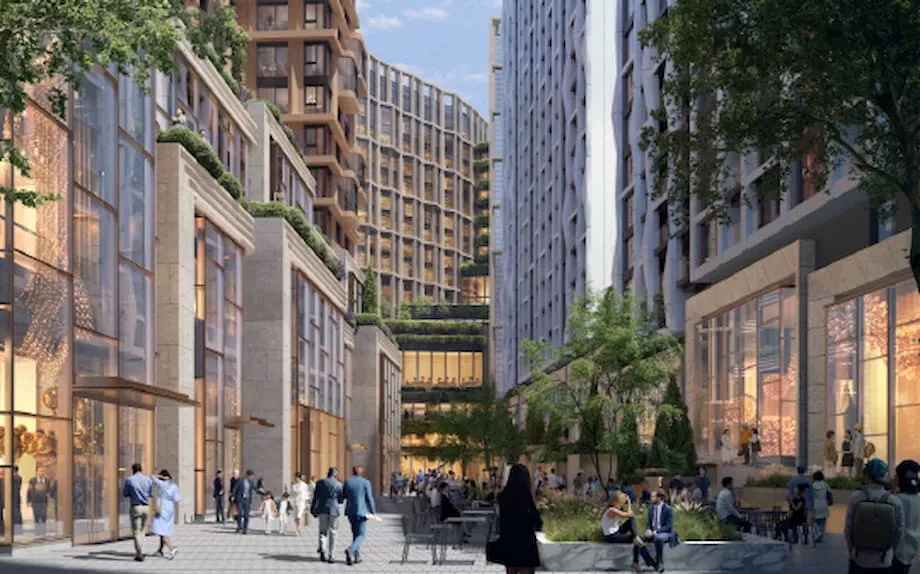
The Iota Seoul project, led by IGIS Asset Management, is one of the most prominent redevelopment schemes behind the hotel expansion. It will transform the former Millennium Hilton Seoul site into a development combining several uses, with The Ritz-Carlton as its hotel anchor.
The hotel is scheduled to occupy 58,400 square meters within a tower of 39 stories designed by Foster + Partners. Its planned opening in 2031 will mark The Ritz-Carlton's return to Korea after an absence of 15 years.
Iota Seoul is intended to reshape the area between Seoul Station and Namsan. Alongside the hotel, the broader project includes green spaces, luxury retail and premium offices. The redevelopment connects the hospitality investment story to changes in the surrounding city, rather than simply adding another place to stay.
For travelers, the project promises a new luxury hotel in a major central district. For the area around Seoul Station and Namsan, the planned combination of accommodation, workplaces, shopping and green space would change how the site is used. The development is also intended to reinforce Seoul's position in the luxury hospitality market of the Asia-Pacific region.
Hotel Brands Move Into Residential Living
Capella Residences Seoul and Le El Upper House in Heonin Village, Naegok-dong, show another direction for investment. Developed in partnership with Capella Group, the projects are intended to become some of Asia's most luxurious residential complexes.
Branded residences are apartments or homes managed by a hotel brand. They combine private living space with services associated with hotels, bringing hospitality into residents' daily lives rather than limiting it to a holiday or business trip.
Bill Barnett, an expert in resort residences associated with hotel brands, described the ambitions for Heonin Village:
Heonin Village will set a new standard for luxury living in Asia and lead the trend for resort-branded residential complexes in Korea, driven by advanced consumer preferences and rapid lifestyle changes.
The Capella Residences plans preserve natural forests and provide more than 70 percent green space. The emphasis is on privacy, exclusivity and housing with the feel of a resort within the city.
Projects such as Heonin Village are attracting the world's wealthiest buyers and setting new expectations for urban luxury. Their appeal combines high quality housing with hotel services, illustrating how Seoul's hospitality expansion reaches beyond visitors booking rooms.
Korean Design and Experiences Shape the Stay
Seoul's new luxury properties are increasingly combining traditional Korean elements with contemporary interiors. The approach gives international visitors a connection to the destination while also appealing to domestic guests seeking a distinctive stay.
Conrad Seoul offers an example through rooms overlooking the Han River and interiors inspired by local ginkgo trees. The hotel is also preparing collaborations with local chefs for new menus, linking its dining plans more closely to Korean culinary talent.
Wellness facilities, interiors inspired by the locality and partnerships with renowned chefs are becoming part of the wider competition among Seoul's luxury hotels. Regional architecture and gourmet food experiences also fit a growing preference for travel rooted in the culture of a place.
Personal service remains central to that approach. Wealthy travelers are seeking privacy, private villas, cultural encounters arranged around their interests and services tailored to individual preferences. Hotels are responding with an emphasis on authenticity, discretion and memorable experiences.
Luxury Spending Shifts Toward Experiences
Bain & Company's 2024 Luxury Report valued the global luxury market at €1.48 trillion, with luxury hospitality accounting for a substantial share. The personal luxury goods segment contracted slightly, while experiences, including expensive hotel stays, continued to grow as consumers prioritized travel and distinctive experiences over possessions.
The wider luxury market also experienced a slight contraction in 2024. Economic uncertainty and rising costs put pressure on profitability, while the luxury customer base became smaller. The biggest customers accounted for a larger share of purchases but felt less pampered.
For brands, the response described in the report is a renewed focus on creativity, craftsmanship and experiences tailored to customers. Seoul's hotel expansion is taking place against that combination of interest in travel and pressure to give demanding customers a reason to spend.
Environmental measures are another influence. Many new hotels are adopting renewable energy, programs aimed at eliminating waste and sustainable materials, with the goal of benefiting the environment and local communities.
Technology is changing service as well. Communication systems that operate in real time and personalized loyalty programs can make interactions more convenient. Hotels still need to balance those tools with the human contact that luxury guests expect, while investing carefully in technology, staff training and rules for responsible management.
Airport Improvements Extend the Luxury Experience
Korean Air has unveiled newly renovated lounges at Incheon International Airport, adding another element to the infrastructure supporting premium travel to and from Seoul. The spaces are designed to improve the experience before a flight.
The lounges feature lobbies styled like those in hotels, live cooking stations, wellness areas and interiors combining Korean design with modern luxury. They extend the focus on service beyond the hotel itself to another part of the journey.
Airport improvements and the growth of branded residences sit at opposite ends of that journey: one serves people traveling through Incheon, while the other brings hotel services into a permanent home. Both are part of a broader effort to provide high quality experiences for visitors and residents.
Investment Growth Brings Operating Pressures
JLL projects that global hotel investment volume will grow by 15 to 25 percent in 2025. The forecast reflects several forces bringing properties to market, including loans reaching their repayment dates, spending on buildings that owners previously postponed and private equity funds reaching the end of their planned lives.
Each can push an owner toward a sale or fresh investment. A maturing loan requires repayment or replacement financing. Delayed capital spending leaves work still to be funded, while a fund nearing its end may need to sell assets and return money to investors.
Performance is expected to vary by region. Markets in the Asia-Pacific region, including Seoul, are expected to see the largest growth, supported by recovering Chinese travel and renewed demand in urban markets.
Seoul's hotel sector also faces regulatory complexities, including new taxes related to tourism and evolving labor laws. Environmental programs and digital changes create opportunities, but they also require money, training and management attention at a time when rising costs are already affecting profitability.
Samuel Peter, the new general manager of Conrad Seoul, placed staff and guest relationships at the center of his approach:
The most important thing in hospitality is people—both guests and staff. Remembering returning customers and building relationships is what sets us apart,
Long serving staff and personalized service are central to the approach across Seoul's luxury hotels. As new brands arrive and existing properties compete for business, remembering guests and maintaining relationships remain practical parts of delivering the experiences customers are paying for.
Key Points
- South Korea received 8.83 million foreign visitors in the first half of 2025, reaching 104 percent of the comparable 2019 level.
- Rosewood, Capella and Janu have projects planned for 2027, followed by Mandarin Oriental by 2029 and The Ritz-Carlton in 2031.
- Room revenue growth at Seoul's midrange and budget hotels exceeded luxury hotel growth in 2024, attracting broader investor interest.
- Goldman Sachs has entered Korea's hotel market, while GIC and Hanwha are pursuing further acquisitions.
- Iota Seoul and the Heonin Village residential projects link hospitality investment with redevelopment and luxury housing.
- Economic pressures, regulation, technology spending and the quality of personal service will shape how hotels manage the expansion.