37 Million Visitors Bring New Opportunities for Local Hosts
Japan welcomed a record 37 million visitors in 2024, a jump of nearly 50 percent from the previous year. By August 20, 2025, that tourism surge was creating opportunities for businesses built around experiences as varied as drifting lessons, bar crawls, calligraphy classes and cooking in local homes.
Contents
- 37 Million Visitors Bring New Opportunities for Local Hosts
- Why Travelers Are Looking Beyond the Golden Route
- From Securities Trading to Sports Cars and Bar Tours
- Tokyo and Osaka Offer Different Kinds of Discovery
- Mountain Towns, Islands and Valleys Draw Visitors Further Out
- Everyday Habits Become Memorable Experiences
- Food Tourism Connects Street Stalls and Luxury Hotels
- Investment Follows Demand for Tailored Trips
- Crowding and Cultural Differences Shape the Experience
- At a Glance
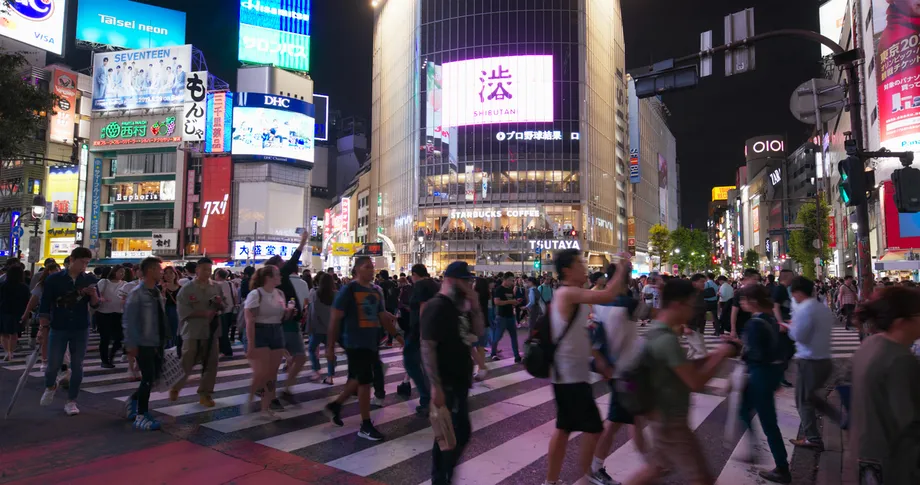
Laurence Takeshi Jeffers, a former securities trader, left his corporate job to establish Matnero&Co, which takes visitors into Japan's underground sports car scene. University student Ryota Maruoka founded Trip Port, starting with tours of bars in Tokyo's Shibuya district before expanding into cycling and calligraphy. Kensuke Ko launched Yatra, another business offering bar tours with a network of guides working part time across Japan.
Their businesses reflect a change in what some visitors want from a trip. Alongside temples, shopping streets and famous landmarks, travelers are seeking activities they can join, people they can meet and experiences shaped around their interests. A guide who knows a neighborhood's bars or car gatherings can provide access that a standard sightseeing itinerary may miss.
A weaker yen has helped make Japan more affordable for visitors from the United States, Europe and elsewhere in Asia. Social media has also pushed unusual neighborhoods and activities into view, while an appetite for memorable, personal travel has created demand for local hosts.
The benefits extend beyond visitors finding something different to do. Residents with specialist knowledge can turn it into a business, and spending can reach smaller venues and communities. The same boom, however, is putting pressure on busy destinations and leaving new operators exposed to changes in exchange rates and travel tastes.
Why Travelers Are Looking Beyond the Golden Route
Tokyo, Kyoto and Osaka form the familiar Golden Route, the itinerary that anchors many visits to Japan. Those cities remain major attractions, but travelers increasingly want to combine them with experiences that go beyond a list of famous sights.
Instagram and TikTok have helped turn lesser known neighborhoods, unusual activities and local discoveries into widely shared attractions. A video of a car gathering, a small café or a distinctive meal can make an experience feel accessible to someone planning a trip from thousands of miles away.
The weaker yen adds a financial reason to visit. When the Japanese currency loses value against a traveler's home currency, that traveler can generally buy more yen for the same amount of money. Accommodation, meals and activities priced in yen can consequently feel less expensive.
Travelers from China, South Korea, Taiwan, Hong Kong, the United States, Australia and Southeast Asia are among those drawn to Japan. Their interests include emotional connections and memorable encounters, alongside sightseeing. Japanese government and tourism authorities have responded with targeted campaigns and new infrastructure, while much of the experimentation is coming from local entrepreneurs.
The developments described span a record tourism year and ambitions extending to the end of the decade:
- 2024: Japan received a record 37 million visitors, nearly 50 percent more than in the previous year.
- 2025: Market research predicted that customized travel would account for 68 percent of Japan's tourism market.
- August 20, 2025: Specialized local tours and investment in tailored travel were part of the country's expanding experience economy.
- 2030: Government targets for inbound tourism spending provided a longer term benchmark for the sector's economic ambitions.
From Securities Trading to Sports Cars and Bar Tours
Jeffers' Matnero&Co offers access to car gatherings and lessons in drifting. Drifting is a motorsport technique in which a driver deliberately slides a car through a turn while controlling its movement. It originated in Japan and gained wider recognition through the Fast & Furious film franchise.
For a visitor interested in cars, the appeal is participation and access to a specialist community. Jeffers' business has grown rapidly, with sales rising as more tourists seek excitement and an insider's view of Japan's sports car culture. No sales total or growth percentage was given.
Maruoka's Trip Port shows how a business can expand beyond its starting point. Its original Shibuya bar tours offered a way into Tokyo nightlife. Cycling tours and calligraphy classes broadened the range to include exploring neighborhoods and practicing a traditional skill.
Ko's Yatra also offers bar tours, using a network of guides working part time across Japan. That approach connects visitors with local knowledge in different places, while creating work for people who can guide alongside other commitments.
These operators serve interests that conventional tours may leave out. Their products depend on personal knowledge, access and interaction: knowing where a gathering takes place, which venue suits a group or how to help a beginner try an unfamiliar activity. For travelers, the guide becomes part of the experience rather than simply someone explaining a landmark.
Tokyo and Osaka Offer Different Kinds of Discovery
Shimokitazawa offers an alternative to Tokyo's busiest tourist districts. The neighborhood is known for vintage shops, cozy cafés and independent music venues, drawing visitors interested in retro culture and a creative atmosphere.
The area has resisted overdevelopment and retained much of that identity. Its annual curry festival, café scene and green spaces give travelers several reasons to spend time there rather than pass through for a single attraction. Shopping, food and music can become parts of the same neighborhood visit.
Osaka, often overshadowed by Tokyo and Kyoto, offers its own range of unusual experiences. Examples include the Liberty Osaka Human Rights Museum, drinks at a reptile café and making instant ramen at the Momofuku Ando Instant Ramen Museum.
Standing bars offer another way to experience the city's social life. Victorian pubs with horror themes provide a more theatrical outing, while cooking lessons in the homes of local mothers bring visitors into a domestic setting.
Japan's contrasts remain part of the attraction: ancient temples and brightly lit cityscapes, quiet gardens and busy arcades, formal tea ceremonies and lively nightlife. The newer style of touring puts those contrasts within reach through local guidance, rather than treating the country as a sequence of famous monuments.
For small businesses, the neighborhood itself becomes part of what visitors pay to experience. A tour can connect several shops, cafés or bars, spreading purchases across different establishments while giving travelers a more personal picture of the place.
Mountain Towns, Islands and Valleys Draw Visitors Further Out
The Japanese Alps offer cool mountain air and quieter towns away from the busiest urban routes. Takayama, known as Little Kyoto, attracts visitors with preserved streets from the Edo era and hot spring baths called onsens.
Takayama combines historic surroundings with activities that encourage a longer stay. Walking through older streets, visiting baths and sampling local food or sake offer different ways to experience the town beyond taking photographs.
The Setouchi Islands bring together art, cycling and the character of fishing villages. Their appeal rests on that combination, allowing visitors to move between cultural attractions, outdoor activity and smaller communities.
Shikoku's Iya Valley offers vine bridges and dramatic gorges. Kumamoto's historic castle provides another regional destination in Kyushu, while Okinawa's beaches offer a different kind of escape from crowded city itineraries.
These places expand the range of possible trips within Japan. Mountain scenery, island art, village life, castles and beaches allow visitors to choose according to their interests. Regional travel also gives local hosts opportunities to offer experiences rooted in the surroundings rather than copy what is already available in Tokyo or Kyoto.
Everyday Habits Become Memorable Experiences
Japan's unusual attractions are not limited to organized tours. Everyday spaces and habits can be memorable for visitors encountering them for the first time, from vending machines and arcades to the sound of people eating ramen.
Gaming arcades remain active in cities and on remote islands, attracting schoolchildren and salaried workers. Vending machines offer products ranging from hot coffee to umbrellas and toys, making an ordinary purchase part of a visitor's discovery.
Some adult travelers explore sex shops in Tokyo's Akihabara district or choose to stay in a love hotel, accommodation associated with private stays for couples. Such interests form one part of the wider range of unconventional experiences visitors seek.
Food tours can introduce unfamiliar dishes, including conger eel sushi, horse meat and whale. A traveler's account described having context and a choice when encountering such foods, an approach that allows people to decide what they are comfortable trying.
Ramen brings its own cultural encounter. Slurping noodles can be part of the meal's sound and atmosphere, surprising visitors whose dining customs are different. Experiences like these offer a view of Japanese habits and humor through something practical and immediate.
The attraction is often the chance to take part. Playing a game, ordering a drink, choosing a dish or joining a local activity creates a different memory from viewing a place at a distance.
Food Tourism Connects Street Stalls and Luxury Hotels
Japan's food scene is a major reason to travel, with street stalls, unusual cafés and restaurants awarded Michelin stars serving different budgets and tastes. Culinary tourism brings traditional dishes, new ideas and unfamiliar ingredients into the same journey.
Regional specialties give that journey a sense of place. Visitors can try mixed juice in Osaka, Hakata ramen in Fukuoka, matcha in Uji and sake in Takayama. Moving between destinations can mean moving between different food traditions as well as different scenery.
Cooking experiences add participation to eating. Lessons in local homes offer a domestic perspective, while luxury hotels provide exclusive classes and menus combining local street flavors with more expensive dining.
The Ritz-Carlton Tokyo and The Four Seasons Kyoto are among the hotels involved in this approach. Boutique ryokans in Kanazawa and the Setouchi Islands also connect accommodation with distinctive food experiences. A ryokan is a traditional Japanese inn, making the stay itself part of the cultural encounter.
Food gives local businesses several ways to benefit from tourism. A visitor might buy from a street stall, join a cooking class and eat at a restaurant during the same trip. The appeal extends from tasting a dish to learning how it is made and understanding why it belongs to a particular place.
Investment Follows Demand for Tailored Trips
The Cool Japan Fund recently invested in Inside Travel Group, a company based in the United Kingdom that specializes in tailored cultural and adventure tours in Japan. The partnership aims to attract international visitors through distinctive experiences for small groups that go beyond standard itineraries.
That investment places a larger financial commitment alongside the businesses started by individual guides. Both approaches respond to demand for trips arranged around particular interests, although their scale and resources differ.
Market research predicted that customized travel would represent 68 percent of Japan's tourism market by 2025. That is just over two thirds of the market, a forecast pointing to a substantial move away from traditional group tours. The forecast sits alongside a pattern of repeat visitors spending more on local, cultural and adventure experiences.
Government ambitions for inbound tourism spending extend to 2030. Market analysts predicted that reaching those targets could give tourism an economic impact comparable to Japan's automotive sector. Inbound tourism means spending by people visiting from abroad, including purchases such as accommodation, meals and activities.
Currency movements remain a business risk. The weaker yen helps draw visitors, but a stronger yen could make trips more expensive in their home currencies. Changing tastes could also reduce demand for a particular activity. Operators whose appeal depends on a fashionable experience may have to adjust their tours as interests change.
Crowding and Cultural Differences Shape the Experience
Kyoto is among the popular destinations dealing with overcrowding, rising temperatures and pressure on local infrastructure. Tourism can bring customers to businesses while also increasing the demands placed on transport, public spaces and other services used by residents.
The influx of international visitors has exposed gaps in language accessibility and demand for more personal services. Authorities are responding with policies, infrastructure improvements and efforts to encourage responsible tourism. For a traveler, easier communication can affect everything from booking an activity to understanding the rules at a venue.
Japanese customs can also require adjustment. The absence of tipping, etiquette in onsens and the quiet, reserved atmosphere of many public spaces may surprise visitors. Local guidance can help people understand what is expected while allowing hosts to explain their customs.
Travelers seeking unusual experiences commonly want to engage with culture, try activities such as drifting or calligraphy, explore less familiar neighborhoods, taste different foods and support local entrepreneurs. The value lies in the encounter as much as the activity itself.
A travel expert, whose name was not given, described the appeal of visiting beyond the busiest destinations:
Many travelers want to experience the country beyond the usual touristy hotspots. The best memories come from crowd-free adventures, local encounters, and unique experiences you can't find anywhere else.
Japan's growing range of personal tours gives visitors more ways to make those encounters happen. For residents, it creates opportunities to earn money from local knowledge and skills, alongside the practical task of welcoming more people into neighborhoods and communities.
At a Glance
- Japan received a record 37 million visitors in 2024, nearly 50 percent more than the previous year.
- A weaker yen, social media and demand for personal experiences are helping drive tourism.
- Matnero&Co, Trip Port and Yatra illustrate opportunities in drifting, bar tours, cycling and calligraphy.
- Neighborhoods, mountain towns, islands and regional food traditions offer alternatives to familiar sightseeing routes.
- The Cool Japan Fund invested in Inside Travel Group to support tailored cultural and adventure travel.
- Market research forecast a 68 percent share for customized travel by 2025.
- Overcrowding, language access, cultural differences and currency changes remain practical challenges.
- Government tourism spending targets for 2030 underpin ambitions for a much larger economic contribution.