Forty Million Visitors and a Growing Appetite for Something Different
Japan is expected to welcome more than 40 million international visitors in 2025, as a record tourism boom creates business for local guides offering everything from sports car drifting lessons to calligraphy classes. As of August 20, the rush of visitors is changing both the scale of tourism and the kinds of activities people want to buy.
Contents
- Forty Million Visitors and a Growing Appetite for Something Different
- What Experiential Travel Means in Practice
- From Securities Trading to Sports Car Tours
- More Visitors, More Spending and More Varied Customers
- Adventure Tourism Looks Beyond the Major Sights
- Quiet Stays Find Their Own Audience
- Popular Destinations Face Pressure to Protect Their Surroundings
- Digital Tools Help Travelers Build Their Own Trips
- Tourism Income Reaches Guides and Communities
- Currency and Staffing Put Growth Under Pressure
- Japan Joins a Wider Shift in Global Travel
- Key Points
Laurence Takeshi Jeffers, a former securities trader, takes visitors into Japan's underground sports car scene through his company, Matnero&Co. University student Ryota Maruoka founded Trip Port with tours visiting bars and later expanded into cycling excursions and calligraphy. Their businesses reflect demand for trips built around participation rather than sightseeing alone.
A weaker yen has made Japan more affordable for foreign visitors, while World Expo 2025 in Osaka has brought international attention. Instagram and TikTok have helped turn unusual activities and less familiar destinations into attractions, drawing both visitors with large budgets and travelers watching their spending.
The financial stakes are substantial. Foreign tourists spent a record 8.14 trillion yen, equivalent to $50.8 billion, in 2024. Shopping, accommodation and dining were the largest spending categories. Tourism has become a major contributor to Japan's economy, second only to the automotive sector.
The change reaches beyond hotels, restaurants and shops. Local knowledge, a specialist interest or access to a cultural activity can become the basis for a business. For visitors, the appeal is a chance to do something they associate specifically with Japan and return home with a personal story.
What Experiential Travel Means in Practice
Experiential tourism puts travelers inside an activity instead of leaving them on the sidelines. A visitor might learn calligraphy, take part in a tea ceremony, cycle through a neighborhood or stay at a temple. The emphasis is on engaging with local culture, adventure and everyday life.
Traditional sightseeing remains part of travel, but demand is growing for experiences that feel personal, flexible and memorable. Travelers are seeking meaningful engagement and personal growth alongside photographs and visits to famous landmarks. Customized travel is expected to account for 68% of Japan's tourism market in 2025.
Repeat visitors are helping drive that demand. Having already visited familiar attractions, they are spending more on activities beyond accommodation and meals. That creates room for specialist guides and small businesses whose appeal rests on a particular skill, interest or connection to a place.
Japan's range of experiences stretches from anime pilgrimages and artisan workshops to wellness retreats and countryside stays. These activities differ widely in pace and price, but they share an attraction: visitors can shape a trip around what interests them instead of following a standard package.
From Securities Trading to Sports Car Tours
Jeffers has turned knowledge of Japan's underground sports car scene into a tourism business through Matnero&Co. His tours include drifting lessons, involving a motorsport technique that has gained a wider audience through movies and anime.
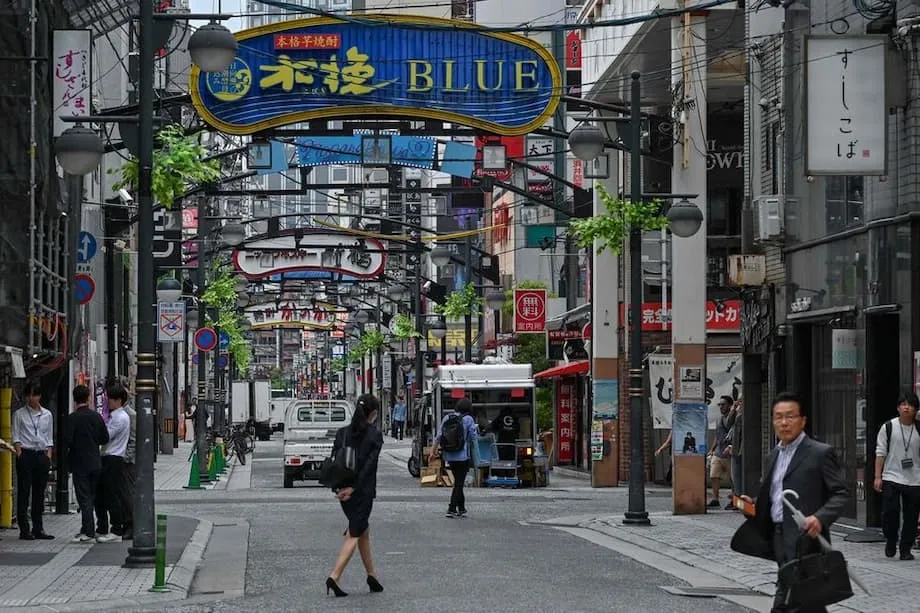
Maruoka's Trip Port illustrates a different route into the same market. The university student began with tours visiting bars, including the kind of nightlife experiences attracting visitors to Tokyo's brightly lit Shibuya district. The company has since added cycling and calligraphy, widening its activities beyond evenings out.
Both ventures are seeing strong sales and have optimistic projections. Their growth points to gaps in a busy tourism market: visitors want access to activities and social settings that they cannot easily find through a conventional guidebook.
Starting a tour business can require relatively little money when the main resources are local knowledge and a presence on social media. That has encouraged Japanese residents to work as guides alongside other jobs or establish businesses of their own. Specialist activities and personalized attention give them a way to compete for visitor spending.
More Visitors, More Spending and More Varied Customers
The Japan National Tourism Organization puts international arrivals in the first half of 2025 at more than 28.5 million, with Japan on course to exceed 40 million visitors by the end of the year. Foreign tourist spending reached $32.2 billion in the first quarter, an increase of 23% from the same period a year earlier.
China and South Korea remain the largest sources of visitors. Arrivals from the United States, Canada, Taiwan and Singapore have also risen. The expanding customer base gives tourism businesses reasons to offer different activities, price levels and services rather than depend on a single type of traveler.
Young people traveling alone, particularly those aged 18 to 28, are a growing segment for budget and adventure tours. Families, Muslim travelers and luxury tourists are also increasing, prompting more family adventures, services suitable for Muslim visitors seeking halal options, and luxury journeys arranged around individual preferences.
Business travel is adding another source of demand. Some travelers extend a work trip to include leisure activities, a combination often called bleisure travel. These visitors are looking to fit experiences into the time available around their professional commitments.
Higher arrivals and spending create opportunities across the industry, but the variety of customers also matters. A traveler seeking a quiet retreat, a family planning an outing and a visitor booking a motorsport experience need different arrangements, even when they are visiting the same country.
Adventure Tourism Looks Beyond the Major Sights
Japan's adventure tourism market is projected to grow from $27.5 billion in 2024 to $88.6 billion by 2033. That would make it more than three times its 2024 size, based on the two market estimates. Hiking, cycling, surfing and hot air ballooning are among the activities attracting domestic and international travelers.
Companies are investing in infrastructure and digital marketing to make these experiences easier to find and access. Smartphone apps and virtual reality are also being used in trip planning and visitor engagement, connecting the process of choosing an activity with the experience itself.
The figures show the different stages of the tourism expansion, from spending already recorded to expectations for future growth:
- 2024: Foreign tourists spent a record 8.14 trillion yen, or $50.8 billion, while the adventure tourism market was valued at $27.5 billion.
- 2025: International arrivals are expected to exceed 40 million, and customized travel is expected to capture 68% of the tourism market.
- 2033: The adventure tourism market is projected to reach $88.6 billion.
Adventure travel also broadens the range of places that can draw visitors. Outdoor activities give travelers reasons to explore beyond the best known urban attractions, while creating business for operators whose work depends on access to natural surroundings.
Quiet Stays Find Their Own Audience
Traditional ryokan inns, onsen hot springs and spiritual temple retreats are benefiting from interest in wellness and slower travel. Visitors choosing these stays are looking for relaxation, time in nature and a break from the pressures of everyday life.
Countryside exploration fits the same pattern. Instead of filling every day with stops, travelers may choose a more restful schedule and spend longer in one setting. The appeal lies in the experience of being there as much as in the number of attractions visited.
The term calmcations describes holidays focused on tranquility and taking a break from digital devices. In Japan, that interest sits alongside demand for more energetic adventures. The tourism boom therefore includes people looking for excitement and those seeking the opposite: fewer demands on their attention.
Wellness travel also reflects a desire for a holiday that feels personally transformative. Temple stays, hot springs and rural retreats provide different settings for that goal, expanding the market beyond shopping, city sightseeing and conventional package itineraries.
Popular Destinations Face Pressure to Protect Their Surroundings
Mount Fuji and Miyajima illustrate the pressure that heavy visitor traffic can put on natural and cultural destinations. Entry fees, daily visitor limits and new regulations have been introduced as authorities seek to protect places that attract large numbers of tourists.
Japan's government is promoting regional tourism to spread visitors more evenly and support rural economies. The aim is to bring more tourism income to places outside the busiest destinations while reducing the concentration of travelers at famous sites.
Initiatives include accommodation designed to reduce environmental impact, transport options intended to be carbon neutral, and campaigns encouraging visitors to respect local customs and the environment. These measures connect the quality of a visit with the condition of the place receiving it.
Local governments are also working with private businesses on tourism built around communities, especially in regions that receive less attention. Such partnerships seek to support local development and preserve cultural traditions while giving travelers more reasons to venture beyond familiar routes.
Managing visitor pressure remains a major challenge despite those efforts. Stricter regulations, higher fees for international tourists and promotion of less familiar destinations are part of the response. Popular places must accommodate demand while preserving the features that made people want to visit.
Digital Tools Help Travelers Build Their Own Trips
Japan's tourism businesses are adopting planning tools powered by artificial intelligence, travel platforms in multiple languages and virtual reality tours. These services make it easier for visitors to find information and arrange journeys around their own interests.
Local governments and private companies are investing in digital ticketing and systems that monitor crowds in real time. Alongside helping travelers organize a visit, these tools support the practical task of managing growth at busy attractions.
Instagram and TikTok continue to influence where people go and what they book. Influencers draw attention to lesser known destinations and immersive activities, increasing demand for experiences that are visually appealing and personally meaningful. A small operator can reach potential customers through the same platforms visitors use to imagine their trips.
Technology also supports the shift toward flexibility. Multilingual information and easier access to activities help travelers move beyond a fixed package, while giving businesses more ways to present specialist tours to an international audience.
Tourism Income Reaches Guides and Communities
Japan's tourism expansion is creating jobs, supporting local businesses and encouraging investment in services and infrastructure. Shopping, accommodation and dining remain major recipients of visitor spending, while demand for activities opens another route for residents to earn income.
Yatra has expanded its reach by employing guides who work part time across the country. Other operators are developing specialist tours around food, adventure sports and cultural participation. These businesses can connect visitors with people whose skills or local knowledge might otherwise remain outside the tourism economy.
Residents do not always need a large operation to enter the market. A person with knowledge of a neighborhood, a cultural practice or a particular activity may be able to develop a small tour business. Social media provides a way to attract customers without the resources of a large travel company.
Regional partnerships seek to extend those opportunities beyond major cities and famous landmarks. When travelers book local guides, workshops or countryside stays, tourism can support businesses in places that have received a smaller share of visitor attention.
Currency and Staffing Put Growth Under Pressure
The weaker yen has helped attract foreign visitors by making travel in Japan more affordable. Exchange rate changes can also alter spending power and travel decisions quickly, creating uncertainty for businesses benefiting from the current boom.
Labor shortages are another concern, particularly in hospitality and guiding. More visitors mean greater demand for staff who can communicate in different languages, use digital tools and provide reliable customer service. Training and investment in infrastructure are needed as the sector expands.
Operators must also keep adapting to changing preferences. Adventure, wellness and sustainability are influencing demand, while customers increasingly expect quality, flexibility and experiences that feel authentic. Maintaining those standards becomes more demanding as businesses serve larger numbers of people.
Japan Joins a Wider Shift in Global Travel
France, Thailand, the United Arab Emirates and Spain are also investing in infrastructure, cultural events and luxury experiences to attract travelers with larger budgets and broaden their tourism markets. Japan's growth is taking place within a wider shift toward more immersive and responsible travel.
Japan's particular appeal combines ancient heritage, modern technology and popular culture. A temple retreat, a digitally planned itinerary and an activity inspired by anime can all form part of the same tourism economy, serving very different visitor interests.
Regional promotion, digital investment and community participation are central to Japan's approach. The opportunity is substantial: record visitor demand can support a wider range of people and places. The practical challenge is to expand those experiences while managing crowded destinations, staffing needs and the quality of each visit.
Key Points
- Japan expects more than 40 million international visitors in 2025, supported by a weaker yen, World Expo 2025 in Osaka and social media interest.
- Customized travel is expected to capture 68% of the tourism market, with demand ranging from drifting lessons to calligraphy and temple stays.
- Foreign tourists spent a record 8.14 trillion yen, or $50.8 billion, in 2024.
- Adventure tourism is projected to grow from $27.5 billion in 2024 to $88.6 billion by 2033.
- Local guides, small businesses and rural communities are gaining opportunities as visitors seek more personal experiences.
- Crowding, currency changes and labor shortages remain major challenges for tourism businesses and authorities.