A Longer Weekend, With Wider Consequences
South Korea is considering a comprehensive Monday holiday system that would allow public holidays falling on weekends to be observed on the following Monday. As of August 20, 2025, the proposal remains under consideration, with the government planning further studies and public consultation before making a final decision.
Contents
- A Longer Weekend, With Wider Consequences
- How Substitute Holidays Already Work
- The Dates Behind the Debate
- Why the Government Is Considering Mondays
- What Longer Breaks Could Mean for Families
- Travel Demand and the Technology Behind It
- Why Some Businesses Are Concerned
- Healthcare Shows the Need for Continuity
- What Japan and the United States Offer as Comparisons
- A Wider Shift in Work and Leisure
- What Happens Before a Decision
- Key Points
The idea has consequences beyond an extra day away from work. Supporters see an opportunity to protect workers' time off, encourage domestic travel and give families more time together. Critics worry about additional costs, interrupted business operations and the availability of essential services during longer breaks.
South Korea already uses substitute holidays, and its 2025 calendar shows how they can affect everyday planning. Independence Movement Day fell on Saturday, March 1, making Monday, March 3, a substitute holiday. When Children's Day coincides with Buddha's Birthday, the substitute day falls on the following Tuesday.
October offers another example: a rare holiday stretch lasting seven days combines National Foundation Day, Chuseok and Hangeul Day. Workers able to arrange annual leave around the public holidays can extend their break to as many as ten days.
The proposed Monday system would make extended weekends a more regular part of the calendar. For a worker, that could mean more usable time for rest or a family visit. For a hotel or restaurant, it could bring extra customers. For a factory or hospital, it could require changes to staffing and schedules.
The debate therefore involves two connected decisions: how to preserve public holidays when they overlap with weekends, and how to keep businesses and essential services running when more people take a break together.
How Substitute Holidays Already Work
South Korea's substitute holiday system began with a narrower group of celebrations. Traditionally, Lunar New Year, known as Seollal, Chuseok, the harvest festival, and Children's Day were among the major holidays eligible for substitution when their dates overlapped with weekends.
In July 2021, the government expanded the system to cover public holidays landing on weekends. The expansion was presented as part of an effort to support economic recovery from the COVID-19 pandemic while improving employee well-being and productivity.
Under the system described in the proposal, a holiday falling on Saturday or Sunday is followed by a substitute holiday on the next working day, usually Monday. The Children's Day and Buddha's Birthday example shows why a substitute day may instead fall on Tuesday when holidays overlap.
A substitute holiday gives people another opportunity to observe a public holiday that would otherwise coincide with a weekend. Annual leave works differently: employees use their own leave allowance to take additional time away from work. Combining the two can turn a public holiday break into a longer vacation.
The Monday proposal builds on those existing arrangements. Its stated aim is to ensure that workers do not lose their public holiday entitlement simply because a date falls on a weekend, while making longer breaks easier to anticipate.
The Dates Behind the Debate
South Korea has used both permanent changes to holiday rules and temporary holidays to create additional opportunities for rest. The main dates and examples illustrate how the current discussion developed:
- August 17, 2020: A temporary holiday was designated during the COVID-19 pandemic to provide a break and support domestic demand.
- July 2021: The government expanded the substitute holiday system as part of its economic recovery and employee well-being efforts.
- 2024: South Korea launched a workation visa allowing foreign nationals to live in the country and work remotely for up to a year.
- March 1 and March 3, 2025: Independence Movement Day fell on Saturday, with the substitute holiday observed on Monday.
- October 2025: National Foundation Day, Chuseok and Hangeul Day create a holiday stretch lasting seven days, potentially extended to ten days through annual leave.
The October calendar offers a concrete comparison: the public holiday stretch lasts seven days, while a break arranged with annual leave can last up to ten. The additional time depends on a worker's ability to take leave around the scheduled holidays.
Why the Government Is Considering Mondays
The proposal has three main stated goals: protecting time off, supporting domestic spending and bringing South Korea's holiday arrangements closer to practices used in countries such as Japan and the United States.
Workers and families would gain from having more predictable opportunities to rest. A longer weekend can make a trip or family gathering easier to arrange than an isolated day away from work. Supporters also argue that regular breaks could improve the balance between employment and personal life.
Tourism, hospitality and retail businesses could benefit when people have enough consecutive days off to travel or spend more time outside the home. Hotels, restaurants, transport providers and cultural destinations are among the services involved in those trips.
The Hyundai Research Institute estimated that a single additional day off, such as the temporary holiday designated for August 17, 2020, could generate economic effects worth 4.2 trillion won, about $3.5 billion, through increased domestic consumption. The figure was an estimate of the economic activity an extra holiday could encourage.
The 2020 decision also had a social purpose. President Moon Jae-in described the temporary holiday as a chance to rest after the strain of responding to the pandemic. Explaining the designation, he said:
The designation is intended to give a short but precious rest time to people tired from battling the virus. I hope it serves as a small comfort to people enduring inconveniences for the safety of everyone.
The temporary holiday was widely viewed as both a morale booster and a measure to support domestic demand. The current discussion takes those same goals into a broader debate about recurring holiday arrangements.
What Longer Breaks Could Mean for Families
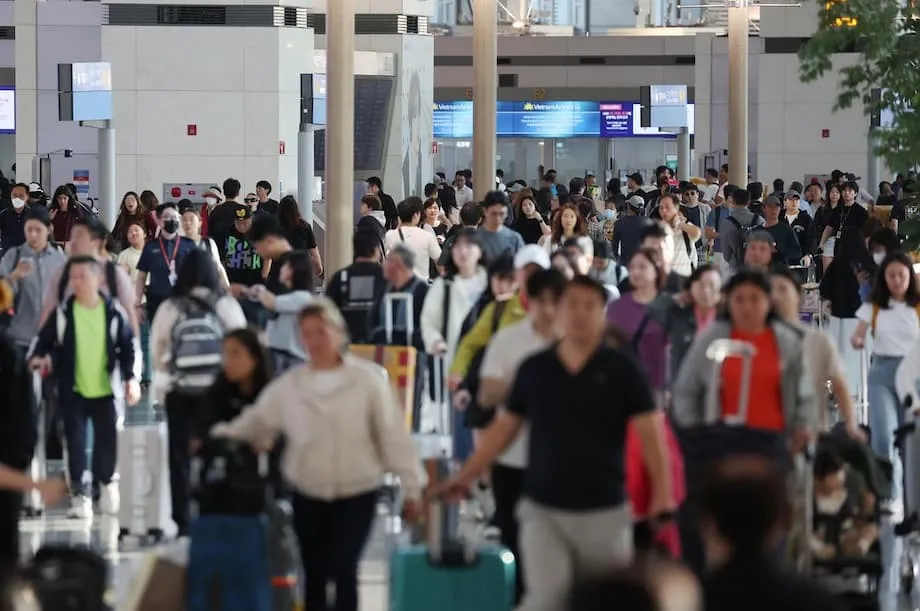
Millions of people travel during Lunar New Year and Chuseok to visit relatives or tourist destinations. Longer breaks can give families more time for those journeys, traditional celebrations and cultural activities.
South Korea's long working hours make the balance between work and personal life a persistent concern. Advocates argue that more regular rest could reduce burnout, improve mental health and help employees return to work with greater energy.
Studies in other countries have associated more predictable and frequent time off with employees being happier and more engaged at work. Supporters draw on that experience when arguing that rest can contribute to productivity as well as personal well-being.
A longer weekend also offers time for activities closer to home. Family gatherings, cultural visits and leisure do not all require a major journey. The proposal's social value rests partly on making shared time easier to arrange.
The same calendar can affect people differently. Workers who can take public holidays and add annual leave may enjoy an extended break, while those staffing transport, hotels or essential services may face a busier schedule. That difference is central to the discussion about distributing the benefits and costs.
Travel Demand and the Technology Behind It
Longer holidays can increase demand for roads, transport, accommodation and related services. The movement of millions of people during major celebrations makes congestion an important practical concern.
Kakao Mobility and SK Telecom use large volumes of data and information updated in real time to predict traffic and estimate journey times. These tools help travelers decide when to leave and plan routes during busy holiday periods.
Traffic predictions draw on information about how vehicles are moving. Updated estimates can help travelers adjust their plans as conditions change, reducing some of the uncertainty associated with a major holiday journey.
Chung Yeon-joo, a manager at Kakao Mobility, explained how information from people using the service contributes to navigation:
Real-time navigation service is possible through data sent by average users and taxi drivers every minute, all day long.
Such services are relevant to the Monday holiday debate because more opportunities for travel also create a need to manage concentrated demand. Technology can help people plan, while transport and tourism operators still need to prepare for busy periods.
Why Some Businesses Are Concerned
Manufacturing, logistics and healthcare cannot always pause when the public holiday calendar changes. Businesses and services that operate continuously may need to maintain staffing even when many other workplaces close.
Some business leaders and industry groups have raised concerns about disrupted operations and the economic costs of additional holidays. Small businesses may find the cost of extra paid holidays particularly difficult to absorb.
Factories face questions about maintaining production through extended breaks. Logistics operators must manage the movement of goods, while companies involved in international trade may face missed business opportunities when domestic schedules differ from those of overseas partners.
Tourism and retail could gain from increased spending, but the benefits may be uneven. A business serving holiday travelers could see more demand at the same time that another employer faces higher staffing costs or reduced output.
The policy discussion therefore involves more than calculating extra leisure spending. Policymakers also need to consider businesses that must remain open, employees who work through holidays and smaller employers with less room to absorb additional costs.
Healthcare Shows the Need for Continuity
Healthcare staffing is a particularly serious concern because patients need treatment regardless of the holiday calendar. Recent events during the doctors' strike and the Chuseok holiday have illustrated the risks when access to care is already under pressure.
A woman in Busan died after first responders were unable to find a hospital with available doctors during the holiday period. The case involved a serious heart condition and repeated attempts to secure admission.
The South China Morning Post described the incident in these terms:
A South Korean woman became the latest casualty of a months-long doctors' strike after first responders called 92 times and failed to find a hospital that could admit her for a serious heart condition during a major holiday.
The case brings a concrete issue into the holiday debate: emergency care must remain accessible during extended breaks. Staffing, resource allocation and the ability to admit patients need attention alongside plans to encourage rest and travel.
Healthcare providers are among the groups likely to seek safeguards as the government studies the proposal. The same concern about continuity applies to other essential services that must operate while much of the population is off work.
What Japan and the United States Offer as Comparisons
Japan's Happy Monday system moves several national holidays to Mondays, creating regular weekends lasting three days. The approach has been credited with supporting domestic tourism and improving the balance between work and personal life.
The United States also observes several holidays on Mondays, including Memorial Day and Labor Day. Those scheduled holidays create predictable extended weekends, although the country does not move every holiday to a Monday.
These examples involve related approaches to holiday scheduling. A holiday regularly assigned to Monday creates a predictable break each year. A substitute holiday provides another day off when a holiday's calendar date overlaps with a day people would ordinarily have off.
Election calendars offer another comparison about access to time away from work. According to Pew Research Center, most advanced democracies hold national elections and major holidays on weekends or provide substitute holidays when they fall on days when people are not working.
South Korea already makes Election Day a national holiday. In the United States, voting often takes place on a regular workday, and proposals have been made to turn Election Day into a federal holiday to increase voter turnout.
The international examples give South Korea options to examine as it considers its own arrangements. Japan illustrates the use of scheduled Monday holidays, while the United States shows how selected holidays can create regular longer weekends without moving all celebrations.
A Wider Shift in Work and Leisure
South Korea's workation visa, launched in 2024, forms part of a broader effort to attract digital nomads and respond to changing working patterns. It allows foreign nationals to live in South Korea and work remotely for up to a year.
A workation combines work with a stay away from a person's usual base. Unlike a public holiday, it involves continuing to work, but it reflects growing interest in more flexible arrangements between employment, location and leisure.
The visa and the Monday holiday proposal address different groups and needs. Together, they reflect government interest in making South Korea attractive to domestic and international workers while providing more opportunities for travel and personal time.
The boundaries between work and leisure are becoming less rigid in these policy discussions. The holiday proposal focuses on protected time away from work, while the visa makes room for people whose employment can continue remotely.
What Happens Before a Decision
The government has indicated that it will carry out further studies and gather public opinion before deciding whether to introduce the Monday holiday system. No date for a final decision has been given.
Early indications suggest strong support among workers and families who value predictable breaks. Business groups and essential service providers are likely to press for measures that limit operational disruption and protect continuity.
Policymakers must weigh worker rights, domestic spending and social well-being against the practical requirements of employers and services that cannot close. The central challenge is to make additional rest useful while keeping necessary operations available.
For households, the outcome would affect how they plan leave, visits and travel. For businesses, it would shape staffing and demand. For South Korea, the decision would help define the place of regular rest in the country's approach to work, leisure and shared national celebrations.
Key Points
- As of August 20, 2025, South Korea is considering a comprehensive Monday holiday system, with further studies and public consultation planned.
- The existing substitute holiday system already creates extended breaks, including the March 3 substitute holiday for Independence Movement Day in 2025.
- October 2025 offers a holiday stretch lasting seven days, potentially extended to ten through annual leave.
- Supporters expect benefits for rest, family life, domestic tourism and consumption.
- The Hyundai Research Institute estimated economic effects of 4.2 trillion won, about $3.5 billion, from an additional holiday such as August 17, 2020.
- Businesses operating continuously and essential services face concerns about staffing, costs and access.
- Japan and the United States provide examples of selected holidays scheduled on Mondays.
- The government has not given a date for its final decision.