From a Singapore Shoe Shop to Nearly 700 Stores
Charles & Keith grew from a Singapore footwear business founded in 1996 into a fashion brand with nearly 700 stores in more than 30 countries. By August 15, 2025, its products were also available online in almost 60 markets, including Australia, Europe and the United States.
Contents
- From a Singapore Shoe Shop to Nearly 700 Stores
- The Family Shop That Shaped the Business
- Why Expansion Continued During Crises
- Dubai Helped Turn Handbags Into a Major Business
- Online Growth Depends on Payments and Delivery
- A Viral Bag Video Became a Brand Partnership
- Accessible Prices, Frequent Designs and Global Recognition
- Sourcing, Packaging and Community Commitments
- The Supply Chain Behind the Shop Window
- Leadership Recognition and the Next Priorities
- Key Points
Brothers Charles and Keith Wong built that reach through decisions that often ran against the economic mood. They expanded during the Asian financial crisis, entered the Middle East during the Iraq War and moved into China during the global financial crisis of 2008. Their approach combined a willingness to commit to difficult markets with close attention to products, retail locations and local shopping habits.
The business also changed what it sold. Shoes provided its starting point, but handbags introduced to meet demand in Dubai developed into a category accounting for nearly half of the company's business. Online shopping, launched through its website in 2004, gave the brand another route to customers beyond its stores.
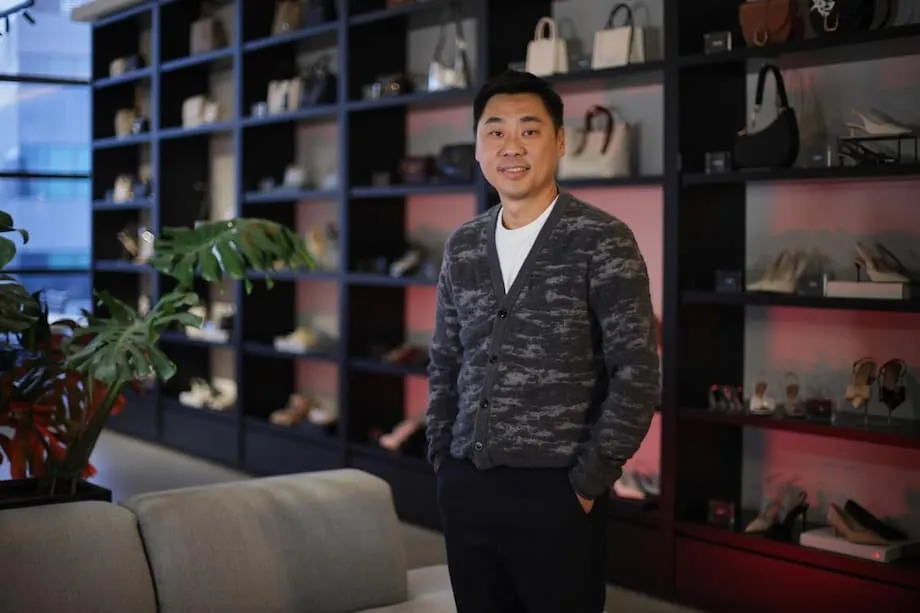
Charles Wong, the company's chief executive and co-founder, described the commitment behind its expansion in direct terms:
go all the way, or not at all
The company's growth now rests on more than opening shops. Payment options, delivery services, product development, partnerships and brand identity all shape its ability to compete internationally. Its next ambitions include a stronger presence in the United States and the United Kingdom, alongside continued investment in design, customer experience and sustainability.
The Family Shop That Shaped the Business
Charles and Keith Wong learned retail in a modest suburban footwear shop in Ang Mo Kio, where they worked alongside their mother. Her entrepreneurial approach and their daily exposure to customers helped lay the foundations for the company they established in 1996.
The brothers chose to design their own products instead of depending on wholesalers. For a local retailer at the time, that was an unconventional step. It gave them greater control over the appearance and quality of their shoes, while allowing them to respond quickly when customer preferences changed.
Designing products themselves also gave the business a clearer identity. Rather than building its range around whatever wholesalers supplied, Charles & Keith could decide what it wanted customers to associate with the brand and bring those ideas into its collections.
That early decision still runs through the company's operating model. Its own design work, direct relationships with manufacturers and frequent product launches connect the creative side of the business with the practical task of keeping stores stocked.
Why Expansion Continued During Crises
The Asian financial crisis of the late 1990s brought an early test. While many businesses were pulling back, the brothers committed to a store with high rent at Singapore's Causeway Point. The decision paid off and was followed by the company's first overseas store, which opened in Jakarta in 1998 during economic instability in Indonesia.
The Jakarta shop was an immediate success. It showed that the brand's accessible products, shaped by current fashion trends, could attract customers outside Singapore. International expansion became a practical extension of the business rather than simply an ambition.
The company later entered the Middle East during the Iraq War and China during the global financial crisis of 2008. Difficult economic conditions created opportunities to secure prime retail locations at lower costs and recruit available talent. The Causeway Point commitment had involved high rent; the broader expansion strategy also benefited from opportunities that emerged as other businesses retrenched.
Several dates mark the development of that strategy and the systems supporting it:
- 1996: Charles and Keith Wong founded Charles & Keith.
- 1998: The first overseas store opened in Jakarta.
- 2004: The company launched its website, entering online retail early.
- 2008: The brand expanded into China during the global financial crisis.
- 2011: LVMH's L Capital Asia acquired a 20% stake.
- 2016: Charles & Keith bought back that stake.
These decisions combined expansion with changes in how the company reached customers and financed its development. Stores established a physical presence, while the website created a channel that could serve shoppers beyond the retail network.
Dubai Helped Turn Handbags Into a Major Business
Dubai influenced both the company's products and its route into the Middle East. Charles & Keith introduced handbags to cater to local tastes, adding a category that now accounts for nearly half of its business. A decision shaped by one market became a major part of the wider company.
The brand's regional growth also depended on Apparel Group, a partner based in Dubai. Impressed by Charles & Keith's popularity and the traffic in its Singapore stores, Apparel Group became its official partner for the United Arab Emirates and eventually opened more than 70 stores across the region.
Apparel Group brought knowledge of local markets and connected Charles & Keith with Club Apparel, a leading regional loyalty programme. That relationship helped the brand maintain contact with shoppers and encourage repeat purchases, extending its work beyond the initial store visit.
Charles & Keith's wider network includes flagship locations in Tokyo, Seoul, Shanghai and Dubai, with Shibuya in Tokyo and Chengdu in China among its most recent additions. Flagship stores serve as prominent expressions of a brand's identity, and the company has used creative retail concepts designed by renowned architects to shape the customer experience.
Its approach combines a unified product direction across markets with adjustments to how customers shop. The Dubai handbag experience shows how a local preference can influence the wider range, while regional partners help the company operate within different retail environments.
Online Growth Depends on Payments and Delivery
Charles & Keith launched its website in 2004, ahead of many competitors. Online retail allowed it to reach people who did not live near a store and respond as more consumers began shopping on the internet.
The company's digital strategy has since expanded to include payment technology, social media and logistics. Its partnership with financial technology company Nuvei supports a wide range of alternative payment methods, including digital wallets such as Apple Pay and Google Pay.
Local payment options make the checkout process more familiar to customers in different markets. A shopper who can use a preferred wallet or payment method has a simpler route from choosing a product to completing a purchase. This localisation has contributed to double digit growth in e-commerce revenues.
Delivery is another part of that experience. Charles & Keith's partnership with Bleckmann in the United Kingdom supports next day and express delivery. The logistics relationship has also helped reduce delivery times and improve customer service in the United Kingdom and Europe.
The brand's digital marketing combines social media, email, online advertising and influencer partnerships. Together, these channels allow it to introduce products, maintain contact with existing customers and reach new audiences across markets where its physical presence varies.
A Viral Bag Video Became a Brand Partnership
Singaporean teenager Zoe Gabriel became a Charles & Keith brand ambassador after her TikTok video about one of its bags went viral. The collaboration showed how quickly a personal social media moment could become part of the company's international marketing.
The partnership also reflected the brand's stated focus on inclusivity and empowerment. Gabriel's involvement connected a widely shared consumer experience with a campaign carrying a broader social message.
For International Women's Day, the bag she modelled supported UN Women's Storytelling for Gender Equality programme. The product, its promotion and the associated cause were brought together in a single campaign.
Celebrity endorsements and collaborations with emerging designers have become other parts of Charles & Keith's marketing. Its products have appeared on stars at major events such as the Met Gala, adding visibility alongside its social media activity and store network.
These different forms of attention serve a common commercial purpose: making the brand recognisable to people beyond its original Singapore customer base. A viral video, a designer collaboration and a major public appearance each offer a different way for consumers to encounter its products.
Accessible Prices, Frequent Designs and Global Recognition
Charles & Keith positions itself as "affordable luxury", combining style and quality with accessible prices. Charles Wong describes the company's focus more broadly, pointing to creativity, sustainability and value for customers rather than price alone.
The company's internal design and manufacturing capabilities support a rapid product cycle, with 20 to 30 new designs launched each week and more than 1,000 annually. That pace allows the business to respond to fashion trends while seeking to maintain quality and consistency across its markets.
Its Charles & Keith collections target women and children, spanning shoes, bags, accessories and children's products. The group also introduced PEDRO for men and women, widening the range of customers and products contributing to its growth.
International recognition received a boost in 2011 when LVMH's L Capital Asia acquired a 20% stake in the company. The investment provided capital for expansion and strengthened the brand's standing in the international fashion business.
Charles & Keith bought back the stake in 2016. Its subsequent approach has continued to centre on quality, innovation and a unified product direction across markets, supported by prominent stores and international marketing.
The combination of frequent releases and a consistent identity is central to this model. New products give customers reasons to return, while a recognisable style helps connect the shopping experience across countries and sales channels.
Sourcing, Packaging and Community Commitments
Charles & Keith works with the Forest Stewardship Council, the Leather Working Group and the Textile Exchange on responsible sourcing and manufacturing practices. These relationships form part of its effort to address how products and materials are obtained as the business grows.
The company has introduced packaging using recycled materials, including sugarcane pulp, and launched product lines focused on sustainability, such as rePEDRO. These initiatives extend its stated environmental commitments into packaging and product development.
Its community partnerships include UN Women, Dress for Success, Save The Children, UNICEF, the Red Cross and WWF. The organisations span humanitarian, social and environmental causes, reflecting the range of activities supported by the brand.
Such commitments also connect with customers who consider environmental and social issues when deciding what to buy. For Charles & Keith, sustainability and community engagement sit alongside design, price and convenience as parts of its identity.
The International Women's Day campaign involving Zoe Gabriel illustrates how these commitments can appear within the retail business itself. A product campaign supported UN Women's storytelling programme while drawing attention to the brand and its ambassador.
The Supply Chain Behind the Shop Window
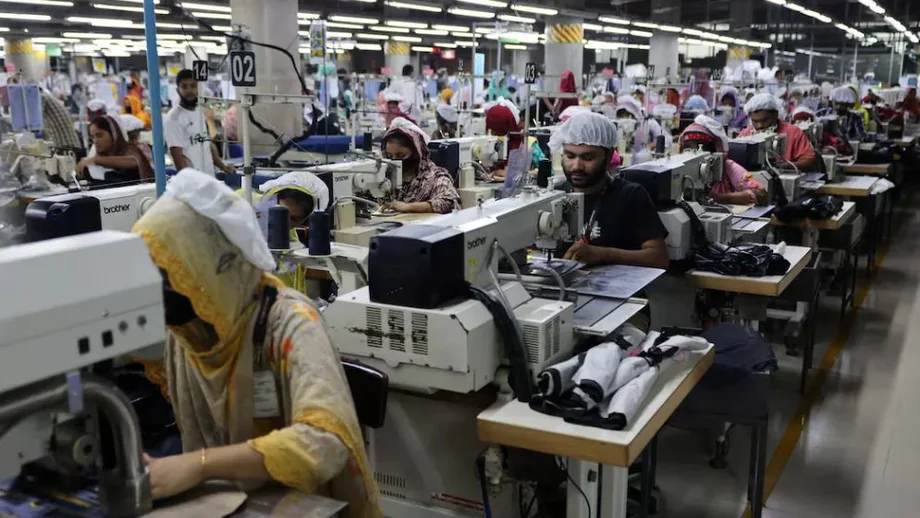
Charles & Keith designs products internally and sources directly from manufacturers across Asia. This approach supports a flexible supply chain, allowing the business to respond to changing trends and maintain a steady flow of products.
A supply chain is the connected process that moves a product from its design and manufacture to the customer. For a company introducing new styles every week, coordination between those stages affects both product availability and the speed of delivery.
Recent moves into Bangladesh involve diversifying sourcing partnerships. Competitive production costs, a skilled workforce and a focus on sustainable manufacturing make the country relevant to the company's growth strategy and stated values.
Building those relationships gives the company more sourcing options and supports the resilience of its supply network. The work complements logistics partnerships such as Bleckmann, which handle the movement of goods closer to customers in key markets.
Charles & Keith is also using RFID tags for product tracking and authentication. RFID technology allows tagged items to be identified electronically, helping the company follow products through its operations. It is exploring resale services, also known as re-commerce, as another area of operational development.
These activities connect the less visible parts of the business with what shoppers experience. Design choices and manufacturing relationships shape the products on sale, while tracking and delivery systems help determine whether those products reach customers efficiently.
Leadership Recognition and the Next Priorities
Charles Wong was named Businessman of the Year at the 39th Singapore Business Awards. The recognition acknowledged his strategies and the collective work of the Charles & Keith team in building an international fashion business.
His leadership approach has evolved from aggressive expansion towards greater attention to brand image, customer experience and sustainability. Growth remains an ambition, but the company's priorities now reach across the full experience of discovering, buying and receiving its products.
Charles & Keith aims to strengthen its presence in the United States and the United Kingdom, increase its contribution to group revenue and continue developing product design, digital engagement and sustainability. No dates were given for achieving those goals.
The company's development brings together several concrete changes: a family retail background became an international store network, shoes expanded into a broader accessories business, and an early website developed into a channel reaching almost 60 markets. Its next stage builds on those existing operations and partnerships.
Key Points
- Founded by Charles and Keith Wong in 1996, Charles & Keith has nearly 700 stores in more than 30 countries.
- The brand expanded during the Asian financial crisis, the Iraq War and the global financial crisis of 2008.
- Handbags introduced to meet demand in Dubai now account for nearly half of the company's business.
- Its website launched in 2004, and its products are available online in almost 60 markets.
- Apparel Group, Nuvei and Bleckmann support regional retail, payments and delivery.
- L Capital Asia acquired a 20% stake in 2011, which Charles & Keith bought back in 2016.
- The company is pursuing stronger positions in the United States and the United Kingdom while investing in design, customer experience and sustainability.