A Coffee Route Through Hue's Cultural Life
A royal pavilion built in 1923, an attic associated with songwriter Trinh Cong Son and a café above Dong Ba Market offer three very different ways to experience Hue. Across seven stops, drink prices range from VND15,000 to VND150,000, while the settings connect everyday coffee drinking with the former imperial capital's architecture, music and traditions.
Contents
- A Coffee Route Through Hue's Cultural Life
- Salt Coffee Gives Hue Its Own Signature
- Gao: A Garden Setting Beside a Lake
- De Po: A Quiet Pause Inside Dong Ba Market
- Lau Tu Phuong Vo Su: Coffee in a Royal Pavilion
- Giao: Vintage Interiors and Salted Drinks
- Chieu: Three Decades of Coffee and Music
- Gac Trinh: An Attic Preserving a Songwriter's Memory
- Hue Cafe Roastery: A Balcony Above the River
- More Places to Explore Beyond the Seven
- How Cafés Carry Hue's Cultural Memory
- Planning a Visit Around Flavor, Place and Pace
- Key Points
Hue sits along the Perfume River, surrounded by ancient citadels, pagodas and lush gardens. Its rich cultural heritage and tranquil pace shape a café scene that has blossomed in recent years. Historic pavilions, vintage homes and riverside retreats give residents and travelers places to pause, meet and spend time with the city's past.
The signature order is salt coffee, or cà phê muối, invented in Hue in 2010. Its combination of Vietnamese drip coffee, salt, fermented milk and cocoa powder balances bitterness, sweetness and a gentle saltiness. Nearly every café in the city now offers its own version.
Compared with the bustling coffee cultures of Hanoi and Ho Chi Minh City, Hue's café identity rests more heavily on local history and a slower atmosphere. Wooden furniture, patterned tile floors and gardens recall older homes and the imperial past. Songs by Trinh Cong Son, the celebrated Vietnamese songwriter, often add another layer of nostalgia.
Gao, De Po, Lau Tu Phuong Vo Su, Giao, Chieu, Gac Trinh and Hue Cafe Roastery each bring a different part of that culture into view. The addresses, opening hours and prices below are those given for August 10, 2025.
Salt Coffee Gives Hue Its Own Signature
Salt coffee begins with salt, fermented milk and cocoa powder layered at the bottom of a glass. Vietnamese drip coffee brews slowly over the mixture, bringing the ingredients together before the drink is served over ice.
The salt brings out the sweetness of the milk and cocoa while balancing the coffee's natural bitterness. The result is refreshing, with several flavors arriving in the same glass: bitter coffee, sweet milk and cocoa, and a subtle salty finish.
Ca Phe Muoi is credited with creating the drink in 2010. Laph Cafe, House 87 and Tan Cafe are among the other popular places serving their own interpretations, and several cafés claim to make Hue's best version.
The drink has spread beyond Hue. Locals nevertheless maintain that the city's atmosphere and water give it a special character that cannot be reproduced elsewhere. For visitors, tasting it at several cafés provides a way to compare recipes while exploring different neighborhoods.
Gao: A Garden Setting Beside a Lake
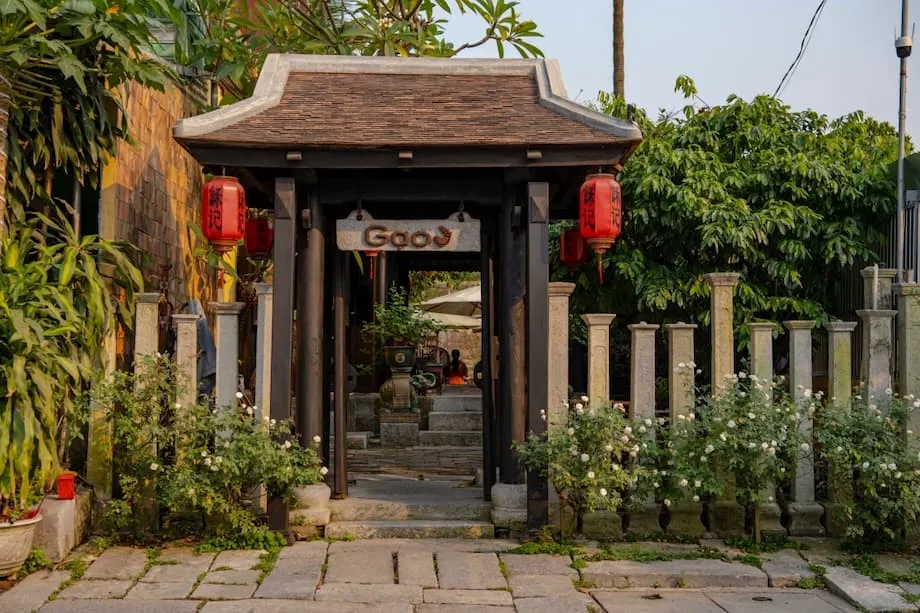
Gao occupies a traditional wooden house with tiled roofs beside a lake within the Imperial City. Greenery surrounds the building, while wooden tables and chairs continue the traditional character indoors.
The outdoor area includes yellow apricot, camellia and white frangipani, plants once common in noble households. Flowers, water and the house's architecture make this a stop for visitors interested in Hue's culture as well as its drinks.
The menu extends beyond coffee to fruit juices, herbal teas and royal teas. Prices range from VND20,000 to VND150,000, approximately $0.78 to $5.85, giving Gao the widest price range among these seven cafés.
Gao is at 214 Tang Bat Ho Street and opens from 6:30 a.m. to 10 p.m.
De Po: A Quiet Pause Inside Dong Ba Market
De Po sits on the second floor of Dong Ba Market, one of central Vietnam's oldest and busiest markets. Its location makes it a place to rest after exploring the market's food and other culinary attractions.
Aged walls, patterned tile floors and wooden window frames give the café its nostalgic appearance. In the afternoon, sunlight filters through the canopy and casts soft shadows across the space, creating a cozy setting within the busy market.
Caramel coffee is a local favorite here, praised for its smooth flavor. Drinks cost VND25,000 to VND50,000, approximately $0.98 to $1.95.
De Po is on the second floor of Dong Ba Market and opens from 6:30 a.m. to 10 p.m.
Lau Tu Phuong Vo Su: Coffee in a Royal Pavilion
Lau Tu Phuong Vo Su brings a direct royal connection to the café route. The pavilion has two stories and was built in 1923 for Emperor Khai Dinh's birthday. It once served as a quiet retreat for the royal family.
Today, visitors can stop for coffee or tea after touring the Imperial City. The pavilion remains a tranquil place to sit, with its former royal use giving the experience a different character from a conventional café.
Access is from Dang Thai Than Street, and a citadel entrance ticket is not required to reach the pavilion. Coffee and tea cost VND20,000 to VND50,000, approximately $0.78 to $1.95.
Lau Tu Phuong Vo Su is on Dang Thai Than Street and opens from 6 a.m. to 10 p.m.
Giao: Vintage Interiors and Salted Drinks
Giao occupies a vintage building whose patterned tile floors and furniture inspired by antiques recall Hue homes from decades past. Large windows bring natural light into the interior.
Outdoor seating offers a different perspective, looking onto the activity of the street. Visitors can choose between the older domestic atmosphere inside and a view of daily life outside.
The menu is varied, with salted coffee and salted coconut cocoa among the drinks to try. Prices range from VND45,000 to VND59,000, approximately $1.76 to $2.30.
Giao is at 118 Chi Lang Street and opens from 6:30 a.m. to 10 p.m.
Chieu: Three Decades of Coffee and Music
Chieu, whose name means Afternoon, has been a beloved local meeting place for more than 30 years. It occupies a wooden house with two stories, recalling the leisurely pace associated with old Hue.
The balcony overlooks the Imperial City. Soft music, often featuring works by Trinh Cong Son, accompanies the setting and connects a coffee stop with the city's musical life.
Coffee is the focus of the menu, particularly salted coffee. Drinks cost VND20,000 to VND40,000, approximately $0.78 to $1.56.
Chieu is at 44 Dang Thai Than Street and opens from 6:30 a.m. to 10 p.m.
Gac Trinh: An Attic Preserving a Songwriter's Memory
Gac Trinh, meaning Trinh Attic, opened as a café in 2013. The space had served as Trinh Cong Son's personal retreat during the 1960s and 1970s, when he composed much of his music there. It has become a place of pilgrimage for admirers of the songwriter.
Photographs, letters and other memorabilia preserve that connection. They include a photograph given by singer Khanh Ly and a love letter to Dao Anh, his muse. These personal objects make the café a place to encounter the musician's life as well as his songs.
The menu is simple and centers on coffee. Drinks range from VND15,000 to VND30,000, approximately $0.59 to $1.17, making this the least expensive starting price among the seven featured cafés.
Gac Trinh is in room 203 on the second floor of building number 19, Nguyen Truong To Street. It opens from 6:30 a.m. to 5 p.m., closing earlier than the other six stops.
Hue Cafe Roastery: A Balcony Above the River
Hue Cafe Roastery occupies the second floor of a house at 131 Huynh Thuc Khang Street. Its balcony overlooks the Dong Ba River and Dieu De Pagoda, bringing water and a religious landmark into the café experience.
The atmosphere is quiet and homey, with the aroma of incense and freshly roasted coffee. The setting offers a riverside alternative to the market, garden and royal pavilion stops.
Alongside coffee, the menu includes traditional drinks such as salted lemon and xi muoi tac. The latter combines kumquat with salted plum syrup for a sweet and tangy drink. Prices range from VND25,000 to VND45,000, approximately $0.98 to $1.76.
Hue Cafe Roastery opens from 6:30 a.m. to 10 p.m.
More Places to Explore Beyond the Seven
Hue's café choices extend beyond these stops. Travel guides and customer reviews also point to riverside cafés, modern roasteries and places suited to working or watching everyday street life.
- Vy Da Xua offers tranquil riverside views and a menu of traditional drinks.
- Root Coffee Roastery is known for its urban interior and specialty brews.
- Daudo is a modern riverside café favored by young locals.
- PhinHolic is a stylish downtown café with a diverse menu and spaces suited to work.
- TA Cafe & Bakery is in the tourist area, with coffee, bakery items and a relaxing balcony.
- View Cafe attracts a lively local crowd each morning and is popular for watching people go about their day.
Many of these cafés receive praise for cozy surroundings, friendly staff and inventive drinks, including coconut coffee, egg coffee and fruit teas. Together, they broaden the choices for visitors seeking somewhere to work, a river view or a taste of local tradition.
How Cafés Carry Hue's Cultural Memory
Hue's cafés serve as social meeting places, creative spaces and cultural landmarks. Artists, musicians and students gather in them, making coffee drinking part of the city's community life and exchange of ideas.
Garden cafés connect that social role with an appreciation of nature. Their open layouts and greenery reflect a broader Vietnamese preference for spending time together in pleasant outdoor surroundings. Historic buildings and former royal residences add another connection, allowing everyday café visits to take place within older architecture.
Gac Trinh preserves the memory of a cultural figure through personal objects, while Lau Tu Phuong Vo Su connects visitors with a former royal retreat. The dates attached to these places and to salt coffee show how different periods meet within the same café scene:
- 1923: Lau Tu Phuong Vo Su was built for Emperor Khai Dinh's birthday.
- 1960s and 1970s: Trinh Cong Son used the space now known as Gac Trinh as a retreat and composed much of his music there.
- 2010: Salt coffee was invented in Hue.
- 2013: Gac Trinh opened as a café.
Contemporary design also has a place. Ton Corner Coffee Shop, designed by TON Architects, combines modern design with local materials and traditions. Alongside cafés preserving older buildings and memories, it shows how new spaces continue to draw on Hue's identity.
Planning a Visit Around Flavor, Place and Pace
Salt coffee is a useful starting point, but recipes vary from café to café. Trying more than one version allows visitors to compare the balance of coffee, sweetness and salt rather than treating a single glass as the city's only interpretation.
Different neighborhoods offer different experiences. The Imperial City provides architecture and royal connections, Dong Ba Market combines coffee with food exploration, and riverside streets offer views of water and daily life. Music adds another way into the city, particularly where cafés play classic Vietnamese songs and the works of Trinh Cong Son.
Hue's cafés are places for lingering. Taking time over a drink, listening to the music and enjoying the surroundings fits their gentle rhythm. A friendly greeting also suits a city known for politeness and hospitality.
Vietnam's regional coffee identities provide a useful comparison: Hanoi is known for egg coffee, while Ho Chi Minh City is associated with a vibrant café scene. Hue combines its own coffee innovation with tranquility, artistic traditions and imperial heritage.
As tourism grows, new cafés are opening with combinations of modern design and traditional elements. Across both older and newer establishments, quality, hospitality and a strong connection to place remain central to Hue's café culture, whether the visitor is a coffee enthusiast or simply looking for somewhere pleasant to sit.
Key Points
- Hue's café culture combines imperial architecture, gardens, riverside settings and musical traditions.
- Salt coffee originated in Hue in 2010, combining Vietnamese drip coffee with salt, fermented milk and cocoa powder.
- Gao, De Po, Lau Tu Phuong Vo Su, Giao, Chieu, Gac Trinh and Hue Cafe Roastery offer seven distinct cultural stops.
- Listed drink prices across the seven cafés range from VND15,000 to VND150,000, approximately $0.59 to $5.85.
- Lau Tu Phuong Vo Su can be reached from Dang Thai Than Street without a citadel entrance ticket.
- Gac Trinh preserves photographs, letters and memorabilia connected with Trinh Cong Son and closes at 5 p.m.
- Other options include riverside cafés, specialty roasteries, bakery cafés and places suited to work.
- Exploring different neighborhoods and allowing time to linger brings together Hue's coffee, hospitality and cultural life.