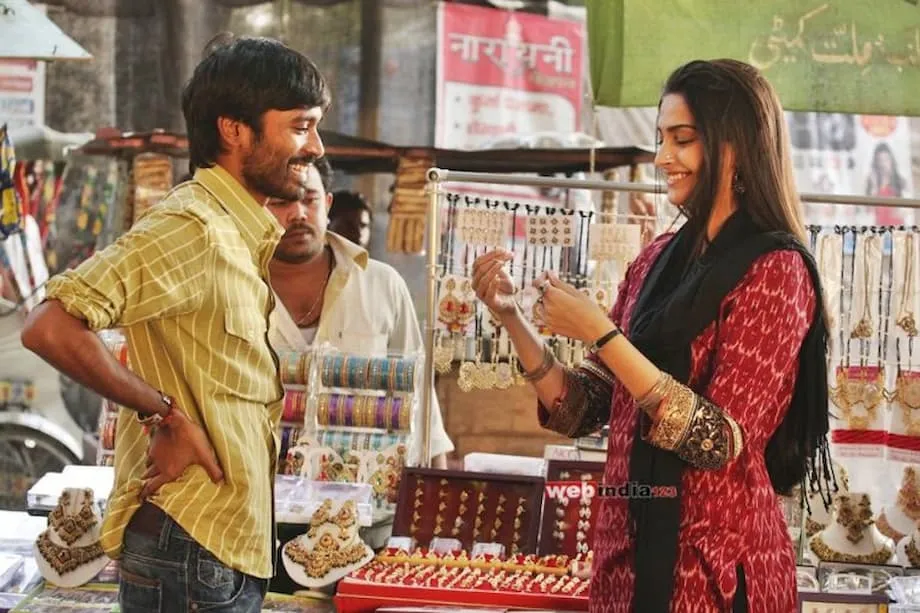
A New Ending Reopens a Film and a Fight Over Ownership
Twelve years after Raanjhanaa reached cinemas in 2013, its central tragedy has been rewritten: Kundan, the character played by Dhanush, now survives. Eros International, one of India's largest production houses, has released a version with an ending generated using artificial intelligence, prompting objections from the actor, director Aanand L Rai and other leading figures in Indian cinema.
Contents
- A New Ending Reopens a Film and a Fight Over Ownership
- What Changed in Kundan's Story?
- Dhanush and Rai Reject the Alteration
- Why Eros Says It Can Make the Change
- Copyright, Consent and Moral Rights
- Other Filmmakers Rally Around Creative Consent
- A Familiar Creative Dispute With a New Tool
- Why This Goes Beyond Dubbing and Visual Effects
- A Wider Fight Over Performances and Authorship
- Key Points
The altered version, released in Tamil as Ambikapathy, shows Kundan waking up in hospital to the joy of his friends. In the original romantic drama, he dies. The change replaces the conclusion of a story shaped by unrequited love, religious divides and heartbreak with a more hopeful outcome.
Eros says the change is a legitimate exercise of its rights and an experiment in storytelling. Rai and Dhanush say a completed film has been changed without their consent, undermining the work they agreed to create. Their dispute brings together two questions: who controls a film commercially, and who should have a say when its meaning is changed?
As of August 9, 2025, the controversy has widened beyond one film. Eros chief executive Pradeep Dwivedi says the company is evaluating a library of more than 3,000 films for similar AI treatments. Filmmakers, legal experts, critics and audiences are now confronting the possibility that familiar films could return with newly generated scenes or different conclusions.
What Changed in Kundan's Story?
Raanjhanaa became a cult classic through its portrayal of a love that is not returned, divisions of religion and the emotional collapse of its protagonist. Kundan's death was part of that original conclusion. His survival changes the outcome audiences carry away from the story.
The new hospital scene was created entirely through generative AI under human supervision. Generative AI produces new material, in this case material used to construct a different ending, rather than simply improving the appearance or sound of an existing scene.
Eros says editors and storytelling consultants supervised the work so the replacement ending would fit the film's themes and tone. The original director and lead actor did not participate in that process. Rai learned about the alteration through media reports, while Dhanush says the release proceeded despite his explicit objection.
Eros has described the result as a "creative reinterpretation." Posters promote the ending as "AI-powered," making the technology part of the release's appeal. It remains unclear whether a similar disclosure appears within the film itself.
The company also says the original version remains preserved and widely available. Audiences can therefore still watch the tragic conclusion, while the new release presents a different outcome under the same film's identity.
Dhanush and Rai Reject the Alteration
Dhanush, whose performance gives Kundan his screen identity, issued an unusually emotional public statement. He said his opposition had been made clear before the altered version went ahead:
The re-release of 'Raanjhanaa' with an AI-altered climax has completely disturbed me. This alternate ending has stripped the film of its very soul, and the concerned parties went ahead with it despite my clear objection. This is not the film I committed to 12 years ago. The use of AI to alter films or content is a deeply concerning precedent for both art and artists. It threatens the integrity of storytelling and the legacy of cinema.
Rai called the change "heartbreaking" and a betrayal of artistic intent. His objection centres on the ability to change a finished film's narrative, tone or meaning without involving the director who shaped it.
Rai, the film's director, described that concern in broader terms:
The use of AI to retrospectively manipulate narrative, tone, or meaning without the director's involvement is not only absurd, it is a direct threat to the cultural and creative fabric we work to uphold.
Both men are objecting to more than the technical quality of a replacement scene. Their concern is that the altered conclusion changes the work associated with their names and performances. Fans and critics who opposed the release similarly viewed it as a betrayal of the original's emotional impact and a troubling precedent for cinema.
Why Eros Says It Can Make the Change
Eros International argues that its position as the primary rights holder gives it the legal authority to alter and release the film under Indian copyright law. The company presents the new ending as a commercial and creative decision within those rights.
Dwivedi, its chief executive, called the project an "exploratory baby step." He has compared the use of AI with earlier technological changes in cinema, including the move from silent films to films with sound and from black and white to colour.
Eros also argues that reinterpretations are common in global cinema. Its position is that making another version available can create a new audience experience while leaving the original intact.
The prospect of applying similar techniques to more than 3,000 films gives the dispute a much wider commercial reach. A single altered climax could become a model for revisiting an extensive catalogue, rather than remaining an isolated experiment.
Eros is reportedly developing an internal framework for AI and creative ethics. Its proposed approach includes clear labelling of versions changed with AI and preservation of the original works. Those measures address how different versions are identified and retained, while the creators' central demand concerns permission before a film is changed.
Copyright, Consent and Moral Rights
Rai and Dhanush have reportedly been considering legal action to prevent further alterations made without their permission. Their objections bring commercial ownership into conflict with claims about authorship and the integrity of a creative work.
Copyright governs control over the use of a work. Moral rights concern an author's connection to that work, including objections to changes that harm its integrity or the author's reputation. The controversy turns partly on how those interests apply when a producer controls a film's rights but its director opposes a new version.
Rai has cited a 2022 Supreme Court ruling that, in his argument, affirmed directors' moral rights under Section 57 of the Indian Copyright Act. Eros maintains that its rights as the primary rights holder permit the alteration. The legal positions remain contested, with no outcome or hearing date given for this dispute.
Film critic Sucharita Tyagi has pointed to a practical vulnerability: most directors in India do not own the rights to their films. A director may therefore be closely identified with a film while lacking the commercial control needed to determine how it is used later. Tyagi called the controversy a "watershed moment" that could shape industry protocols for years.
Eros has also accused Rai of using the controversy to divert attention from continuing corporate disputes and legal battles involving his production company, Colour Yellow Productions. That accusation adds a separate business conflict to a disagreement already involving copyright, consent and creative responsibility.
Other Filmmakers Rally Around Creative Consent
Shoojit Sircar, the filmmaker, has argued that protecting a director's vision is a responsibility shared across the industry. He described the personal investment behind a finished film:
All our lives go into protecting our art. If someone has a vision, everyone in the industry must safeguard it.
Farhan Akhtar, an actor and producer, also placed the creator's wishes at the centre of his response. He said:
If the creator of the film is unhappy about their work being changed, I will always support the creator.
Ritesh Sidhwani, cofounder of Excel Entertainment, expressed support for using AI while setting a condition around permission. His position reflects the distinction many creators are making between adopting a technology and allowing others to change their work with it:
AI should be embraced and used effectively and appropriately, but not without the consent of the filmmaker.
These responses share a demand for boundaries and agreed procedures. They leave room for AI in filmmaking while insisting that decisions about changing a completed story involve the people responsible for creating it.
The audience reaction has added pressure. Fans and critics who valued Raanjhanaa's tragic ending see its replacement as a change to the experience that made the film meaningful to them, rather than simply another technical edition.
A Familiar Creative Dispute With a New Tool
Sholay provides an earlier example of conflict over who gets to decide a film's ending. Its climax was changed by the censors without director Ramesh Sippy's approval. Actress Hema Malini later expressed her displeasure and argued that the director's vision should come first.
The circumstances differ, but the underlying tension is familiar: a finished film can be shaped by an authority other than its director. In Raanjhanaa's case, AI supplies a way to construct a new narrative outcome for commercial release.
The main dates in the dispute's background are:
- 2013: Raanjhanaa was released with Kundan dying in its final act.
- 2022: The Supreme Court ruling cited by Rai became part of his argument about directors' moral rights under Section 57.
- August 9, 2025: The altered release and the objections from its creators had become a wider debate about AI, ownership and consent in Indian cinema.
The Raanjhanaa release has been described as the first known case in Indian cinema in which AI fundamentally changed a film's narrative for commercial release. Its importance lies in the combination of a completed work, a newly generated conclusion and the absence of the original creators' involvement.
Why This Goes Beyond Dubbing and Visual Effects
AI has already been used in cinema for dubbing, computer generated imagery, visual effects and voice cloning. Those uses can change how a performance is presented or help produce material within a filmmaking process.
Raanjhanaa places the technology at a different decision point. The new ending changes what happens to the main character after the original film has already been completed, released and absorbed by audiences.
Supporters of AI in filmmaking argue that it can open creative possibilities, make production more efficient and give audiences fresh experiences. Eros says human editors and storytelling consultants remained involved, presenting the process as supervised creative work.
Critics fear that the same tools could weaken the individual vision behind a film and make completed works easier to reshape repeatedly for commercial purposes. For an actor, that could mean an existing performance becoming part of a story with a different outcome. For a director, it could mean a film continuing to circulate under their name after its meaning has been changed.
The disagreement therefore concerns both technology and decision making. Human supervision addresses who operates and reviews the tools. Creative consent addresses who is entitled to approve the change in the first place.
A Wider Fight Over Performances and Authorship
Hollywood and other film industries have faced related disputes over scripts generated with AI, the use of actors' likenesses and the possibility of altering or recreating performances without consent. The Writers Guild of America and SAG-AFTRA have fought for stronger protections against unauthorised AI use, viewing it as a threat to creative professions.
Raanjhanaa brings those concerns into a specific Indian dispute about an existing film. The performance already exists, the original conclusion is familiar, and a rights holder has used new technology to offer a different narrative.
Eros's planned review of its catalogue makes the immediate stakes concrete. If similar projects proceed, decisions about approval, labelling and preservation could affect many more directors, actors and audiences. The company says original versions should remain available; filmmakers are asking for control over whether altered versions are made at all.
The dispute could influence how India's film industry sets rules for AI and how it balances commercial rights with authorship. For now, Kundan's survival has become the focus of a much larger disagreement: whether the power to distribute a film should also carry the power to rewrite its central meaning without its creators' agreement.
Key Points
- Eros International released an AI altered version of Raanjhanaa, titled Ambikapathy in Tamil, in which Dhanush's character Kundan survives.
- The 2013 original ends with Kundan's death. Rai and Dhanush opposed changing that conclusion without their consent.
- Eros claims authority as the primary rights holder and says the original remains preserved and widely available.
- Rai has invoked moral rights under Section 57 of the Indian Copyright Act, while he and Dhanush have reportedly considered legal action.
- Shoojit Sircar, Farhan Akhtar and Ritesh Sidhwani have supported protecting creators' wishes and obtaining consent.
- Eros is evaluating more than 3,000 films for similar AI treatments and is reportedly developing rules on ethics, labelling and preservation.
- The controversy connects an Indian dispute over a film ending with wider concerns about AI, performances and authorship.