A six month opening for remote workers
Japan's Digital Nomad Visa allows eligible remote workers to live in the country for up to six months while keeping their jobs or businesses abroad. Applicants must earn at least 10 million Japanese yen a year, hold qualifying citizenship and carry private international health insurance. The program offers a temporary stay, with no extension or route to permanent residency through the visa itself.
Contents
- A six month opening for remote workers
- Who qualifies by citizenship and income?
- Which work is allowed?
- Insurance and the 2025 health requirement
- What documents should applicants prepare?
- How the application and fees work
- Six months means planning an exit
- Taxes, banking and accommodation
- What does living in Japan cost?
- Choosing a city and a season
- How Japan compares with other destinations
- Key Points
Launched by the Japanese government in 2024, the program targets international freelancers, entrepreneurs and employees who can work remotely. As of August 7, 2025, it gives qualifying professionals a way to experience daily life in Japan without finding a Japanese employer to sponsor them.
The financial requirement is substantial: 10 million yen is approximately $65,000 to $68,000, depending on exchange rates. Japan combines that threshold with restrictions on nationality, employment and the length of a visit. Spouses and children can accompany a qualifying worker, but they face their own documentation and insurance requirements.
Japan's combination of traditional culture, modern technology, reliable transport and places to work makes the program attractive to people who can take their income with them. Its design is best suited to professionals seeking a temporary experience rather than a move into Japan's employment market.
Applicants also need to account for a health requirement introduced in 2025. From April 1, a tuberculosis screening certificate joins the application checklist. Preparing the financial, medical and family documents before booking a stay is therefore a central part of the process.
Who qualifies by citizenship and income?
Main applicants must be citizens of one of 49 eligible countries or territories that have both a visa waiver agreement and a tax treaty with Japan. The eligible group includes the United States, Canada, the United Kingdom, Australia, New Zealand, most European Union countries, South Korea, Singapore and Hong Kong.
The full nationality list is available through the Ministry of Foreign Affairs. Family eligibility is broader: accompanying spouses and children can come from one of 70 specified countries, subject to the relevant documentation and health insurance conditions.
The annual income threshold of at least 10 million yen places Japan among the destinations with the highest financial requirements for digital nomads. The policy is aimed at financially stable professionals who can support themselves and spend money in the local economy during their stay.
Applicants need records that demonstrate their income. Tax payment certificates, income certificates, employment or business contracts, and bank statements are among the acceptable forms of evidence. Preparing consistent records matters because an application may involve several documents describing the same employment or business income.
Citizenship and income are separate requirements. Earning enough does not remove the nationality restriction, and holding an eligible passport does not remove the need to demonstrate the required annual earnings.
Which work is allowed?
Japan's program covers work performed remotely for companies or clients outside Japan. Eligible applicants include freelancers serving foreign clients, employees working for overseas companies and entrepreneurs operating businesses registered abroad.
A worker can therefore continue an existing overseas job while temporarily living in Japan. An entrepreneur can manage a business registered outside the country, while a freelancer can carry on providing services to clients based elsewhere.
Local employment is prohibited under this visa. Holders cannot take jobs or freelance assignments with Japanese companies. The permission is tied to remote work abroad rather than access to Japan's domestic job market.
Applicants should have documentation explaining their employment, freelance activity or business. Contracts and evidence of remote work help connect the income records to the activity they intend to continue during their stay.
Insurance and the 2025 health requirement
Private international health insurance is mandatory for the principal applicant and accompanying family members. The required coverage is at least 10 million yen for medical costs, including death, injury or illness.
Families need to check that their insurance arrangements cover each person travelling. Meeting the main applicant's insurance requirement alone does not complete the health documentation for a spouse or child.
From April 1, 2025, applicants must also submit a tuberculosis screening certificate. Tuberculosis, commonly shortened to TB, is the disease covered by this screening requirement.
The screening must take place at an approved medical institution in a designated country. The resulting certificate is valid for 180 days, making the timing of the appointment part of application planning. The measure is intended to support public health and Japan's monitoring of health risks among foreign nationals.
The main dates and time limits for applicants are:
- 2024: Japan launched the Digital Nomad Visa.
- April 1, 2025: The TB screening certificate requirement began.
- 180 days: The validity period of the TB screening certificate.
- Six months: The maximum permitted stay under the visa.
- Six months outside Japan: The required interval before reapplying after the stay.
What documents should applicants prepare?
A valid passport, completed visa application form and recent passport photograph form the basic application package. The passport requirements include at least six months of validity and two blank pages.
Applicants also need proof of accommodation in Japan, such as a hotel reservation or rental agreement. A clean criminal record certificate may be requested, particularly for longer stays, so applicants should check the instructions issued by their Japanese embassy or consulate.
The full preparation checklist brings together identity, work, financial and health records:
- A completed visa application form, downloadable from the relevant Japanese embassy or consulate website.
- A valid passport and recent passport photograph.
- Income evidence, such as tax returns, payslips, contracts, income certificates or bank statements.
- Evidence of remote employment, freelance work or an overseas business.
- An international health insurance policy meeting the coverage requirement.
- A TB screening certificate for applications from April 2025.
- Proof of accommodation in Japan.
- Marriage or birth certificates for accompanying family members.
- A clean criminal record certificate, if requested.
Spouses and children need documents showing their relationship to the principal applicant. Marriage and birth certificates serve that purpose, alongside the family's insurance and other required records.
Incomplete paperwork, insufficient income and failure to meet nationality eligibility are common reasons for rejection. Applicants can address the problems and reapply, or consider another visa category suited to their circumstances.
How the application and fees work
A Certificate of Eligibility, usually called a COE, is optional. Japan's Immigration Services Agency issues the certificate to demonstrate that an applicant meets the relevant visa requirements. It can make processing at the embassy or consulate, and on arrival, faster, although visa approval is not guaranteed.
Applications can be submitted in person at the nearest Japanese embassy or consulate. Online submission is also available for eligible countries and regions. Applicants need to confirm which submission methods their local Japanese diplomatic mission accepts and whether it requires further documents.
The visa fee is typically around 3,000 yen, approximately $20, but it can vary by country. The embassy or consulate provides payment instructions.
Processing generally ranges from one week to three months, depending on the location and individual circumstances. Applying at least three months before the intended travel date is strongly recommended. Officials may request further information or documents while reviewing the application.
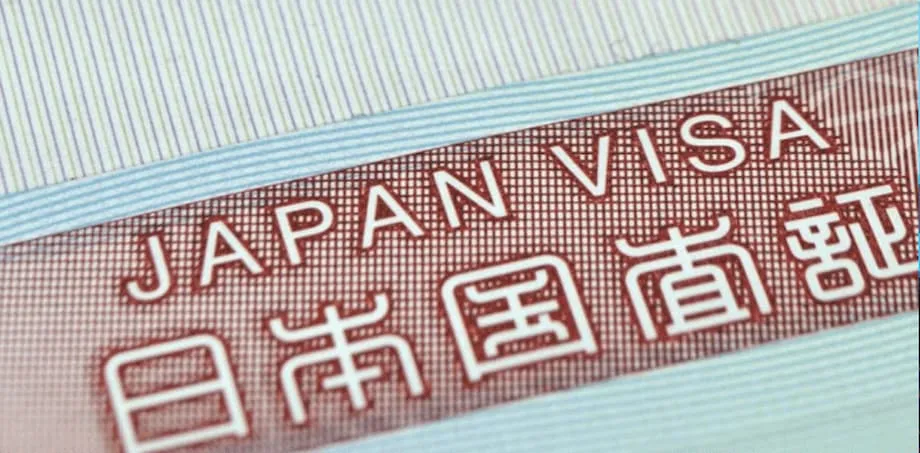
Successful applicants receive a visa sticker in their passport. Supporting documents should travel with them because immigration officials may ask to see those records on arrival in Japan.
Six months means planning an exit
The Digital Nomad Visa is valid for six months and cannot be extended. After that stay, the holder must leave Japan for at least six months before reapplying. The program therefore requires an exit plan as well as an arrival plan.
Visa holders do not receive a Residence Card, and the program does not lead to permanent residency or citizenship. It provides temporary permission for the specified stay and work activity.
Spouses and children can accompany the main applicant, but they cannot work or attend school as students enrolled full time under this visa. Families need to consider those limits before arranging a stay lasting several months.
People seeking a longer stay or employment with a Japanese company need to consider another immigration category. Options identified for different purposes include the Highly Skilled Professional visa, often shortened to HSP, the Business Manager Visa and the Student Visa. Each serves a different reason for living in Japan.
Taxes, banking and accommodation
The program's tax guidance describes holders staying for less than one year as outside Japanese tax residency and says foreign sourced income is not subject to Japanese income tax during that period. Purchases in Japan remain subject to the country's 10% consumption tax.
US citizens and some other visitors may still have filing obligations in their home country. Keeping an overseas job therefore also means considering the tax paperwork connected with that home jurisdiction.
Daily administration presents further limits. Visa holders cannot open Japanese bank accounts, sign long term rental contracts or register at city hall under the arrangements described for the program.
Hotels, serviced apartments and Airbnb accommodation are recommended alternatives for a temporary stay. These options fit a visit measured in months, although accommodation choice also shapes the cost of living and the space available for work.
Families and individual workers should bring housing arrangements into their planning early. Proof of accommodation forms part of the application documents, while the lack of access to ordinary long term rental arrangements narrows the practical choices.
What does living in Japan cost?
Japan's living costs vary by location and lifestyle. The average monthly expenditure cited for digital nomads in 2024 was around 166,773 yen, approximately $1,100. A broader monthly spending range was $1,500 to $3,800, depending on how and where a person lived.
Tokyo is the most expensive of the cities highlighted for remote workers. Kyoto, Fukuoka and Hiroshima offer more affordable possibilities. Accommodation, personal spending and the choice of city all affect the budget for a stay.
Japan's reliable internet, efficient public transport and modern amenities support working life away from an employer's office. Major cities have coworking spaces, cafes and public libraries that can provide places to work.
Access to those facilities is one benefit of the program, alongside opportunities to meet local and international professionals in Japan's technology and innovation sectors. The country also offers a high standard of living and is consistently ranked among the safest destinations, with a low crime rate.
The appeal extends beyond work facilities. A stay of several months allows time to experience Japanese food, culture and ordinary daily routines while maintaining an overseas income.
Choosing a city and a season
Tokyo offers extensive entertainment, coworking spaces and networking events, with higher costs attached. Kyoto attracts visitors interested in temples and traditional culture and offers a quieter, more affordable way of living.
Fukuoka combines a startup scene with beaches and a relaxed atmosphere. Osaka is known for nightlife, food and a friendly local community. Hiroshima and Okinawa suit visitors looking for a slower pace and access to nature.
Japan's cherry blossom season, known as sakura, runs from late March to early May and is a highlight for many visitors. Prices and crowds peak during that period, making early planning especially useful for people hoping to arrive then.
Local customs also shape everyday interactions. Punctuality, politeness and respect for hierarchy are highly valued. Learning a few basic Japanese phrases and observing local manners can help visitors settle into daily life.
How Japan compares with other destinations
More than 60 countries offer digital nomad visas, reflecting demand for arrangements that combine overseas work with travel. Japan stands out for its high income threshold and relatively short permitted stay.
Portugal, Spain, Greece, Italy and Croatia offer programs with lower income requirements, typically around $2,000 to $3,500 a month, and stays of up to one year, often with renewal options. Against that range, Japan requires annual earnings of at least 10 million yen and limits the visit to six months without extension.
Malaysia, South Korea and the Philippines have also launched similar programs. Japan's income requirement is among the highest in that Asian group, making financial eligibility a central consideration for applicants comparing destinations.
Dubai in the United Arab Emirates, Panama, Costa Rica and Thailand offer other combinations of permitted duration, income thresholds and tax advantages. Some programs allow easier family inclusion or routes to residency.
Japan's program is consequently best suited to professionals with higher earnings who want a temporary cultural experience in a technologically advanced country. Applicants seeking a renewable stay, local employment or a route to permanent residency have different needs from those the visa is designed to meet.
For a qualifying worker, the main preparation tasks are concrete: establish nationality eligibility, document income, arrange insurance and screening, confirm accommodation and follow the local diplomatic mission's application procedure. The same planning should cover accompanying family members and departure at the end of the permitted stay.
Key Points
- Japan launched its Digital Nomad Visa in 2024, allowing eligible remote workers to stay for up to six months.
- Main applicants must come from 49 eligible countries or territories and earn at least 10 million yen a year, approximately $65,000 to $68,000.
- Private international health insurance with at least 10 million yen in coverage is required for applicants and accompanying family members.
- A TB screening certificate became part of the requirements from April 1, 2025, with certificates valid for 180 days.
- Spouses and children from 70 specified countries can qualify to accompany the worker, subject to documentation and insurance requirements.
- The visa permits remote work for overseas employers, clients or businesses, but prohibits work for Japanese companies.
- The stay cannot be extended, and holders must spend at least six months outside Japan before reapplying.
- The visa provides no Residence Card or route to permanent residency or citizenship; dependents cannot work or attend school full time.
- Banking, city registration and long term rental restrictions make temporary accommodation an important part of planning.
- Fees are typically around 3,000 yen, and processing can take from one week to three months, making early preparation advisable.