Nine toll plazas to test a different way to pay
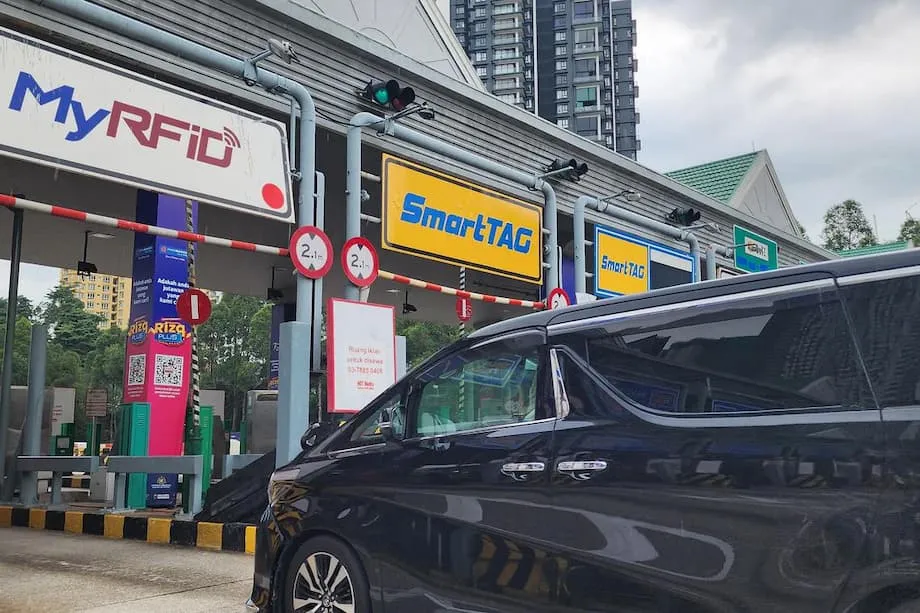
Malaysia's largest highway operator, PLUS Malaysia, plans to begin public trials of a toll payment system using number plate recognition in mid-August 2025, bringing the country a step closer to highways without toll barriers. Thousands of selected participants are expected to test the system at nine toll plazas along the North-South Expressway, on the stretch between Hutan Kampung and Sungai Dua in northern Penang.
Contents
- Nine toll plazas to test a different way to pay
- How cameras and electronic tags would collect tolls
- What participants will need for the PLUS trial
- Private agreements will shape the rollout
- Unpaid tolls remain a central legal question
- Number plates and payment choice need attention
- What motorists gain, and what data the system collects
- What Malaysia is taking from systems overseas
- The timetable from public trials to a national target
- Key Points
The immediate change will be how vehicles are identified and how drivers pay. Participants will register their vehicle plates through a dedicated mobile app and link a credit card, debit card or e-wallet. Cameras will read the plates as vehicles pass through the toll area, allowing the system to deduct the charge automatically.
Drivers will initially still pass through existing barriers. Removing those barriers is a later possibility, dependent on the system becoming reliable enough to support traffic moving through without stopping. The August trial is therefore an early stage in a larger change, with nationwide implementation targeted for 2027 if testing succeeds.
The wider plan is known as multi-lane free flow, or MLFF. It combines Automatic Number Plate Recognition, known as ANPR, with Radio Frequency Identification, or RFID, to collect tolls electronically. Its purpose is to remove the queues that form when vehicles slow down or stop at toll booths, especially during busy commuting periods and holidays.
For millions of daily highway users, the proposed benefit is straightforward: less time waiting to pay and more choice over how payment is made. Delivering that change will also require decisions about unpaid tolls, vehicle identification, technology contracts and the protection of drivers' information.
How cameras and electronic tags would collect tolls
ANPR uses cameras with high resolution to capture vehicle number plates in real time. The system matches the plate against a central database to identify the vehicle and its registered owner. In the PLUS trial, a registered plate will also connect the journey to the payment method chosen by the participant.
RFID works differently. An electronic tag installed on a vehicle communicates with sensors, allowing the system to recognise the vehicle and process a payment. Both technologies can identify a passing vehicle, but one reads a visible plate while the other detects an electronic tag.
Malaysia has already introduced RFID on many highways. Under the existing arrangements described for the rollout, vehicles still need to slow to around 30 km/h for detection. ANPR can process vehicles travelling at full speed and is described as being up to four times faster than RFID.
Combining cameras and tags is intended to improve accuracy and reduce interruptions. Under the planned MLFF arrangement, equipment mounted on gantries above the road would identify vehicles and collect payments as traffic passes at normal speeds, without drivers stopping, tapping a card or slowing to complete a transaction.
The difference for traffic is the removal of a repeated stopping point. A toll plaza brings vehicles together into payment lanes, where each transaction can delay the vehicles behind it. Barrierless collection aims to remove that particular source of congestion and make journey times more predictable.
What participants will need for the PLUS trial
PLUS will test the system on the North-South Expressway, Malaysia's busiest highway. The trial will involve thousands of selected participants across the nine plazas, giving the operator an opportunity to assess the payment process before any later removal of barriers.
Participants will need to complete three steps before using the new payment arrangement:
- Download the dedicated mobile app.
- Register their vehicle's number plate.
- Link a credit card, debit card or e-wallet for toll payments.
ANPR cameras will scan the registered plate as the vehicle passes through the toll area. The system will then deduct the toll from the linked payment method. The app is also intended to give users access to their travel history, receipts and enforcement notices, bringing payment records and notices together in one place.
Existing barriers will remain during the initial phase. Later phases could remove them as the technology matures and demonstrates that it can work reliably. The distinction matters for participants planning their journeys: the first public trial changes the payment process before it delivers the full experience of driving through without a barrier.
Drivers will also need to keep their registration and payment details current. A vehicle that is correctly recognised still needs a working payment method attached to its account for automatic collection to function as intended.
Private agreements will shape the rollout
Malaysia plans to introduce MLFF through a business-to-business model. Private technology providers will negotiate with the country's 33 existing highway concessionaires, rather than the government directly funding or operating the system. Concessionaires are the companies responsible for operating highways under their concession agreements.
Deputy Works Minister Datuk Seri Ahmad Maslan told Parliament that the arrangement would avoid a direct cost to the government. He described the intended financial position in these words:
will not impose any financial burden on the government.
Concessionaires have been given two years to finalise their technology partners and business arrangements for MLFF implementation. The model is intended to encourage competition and innovation among providers while respecting the agreements under which highway operators already work.
The commercial arrangements matter because toll collection is part of each operator's revenue system. A company introducing new cameras, payment software or collection services must fit that work into existing contracts and financial commitments. Choosing equipment is therefore only one part of preparing a highway for barrierless tolling.
Some concessionaires have been wary of handing toll collection to outside technology providers. Their concerns include losing control over revenue collection and creating complications with existing contracts and bondholders, the investors who hold the companies' debt. Those concerns have helped slow earlier efforts to establish a national system.
Unpaid tolls remain a central legal question
Malaysia still needs a clear legal framework for collecting unpaid tolls and enforcing payment once physical barriers disappear. A barrier can stop a vehicle until a payment is accepted. A free flow system instead needs a dependable way to identify the responsible person and recover the money after the vehicle has passed.
Drivers who have not registered, or who have not linked a payment method, present a practical collection problem. The rules for recovering those tolls and applying penalties have yet to be settled. Regulatory delays around those questions have slowed progress toward MLFF.
Transport analyst Dr. Ahmad Fauzi supported the need for strong enforcement and pointed to measures used elsewhere. He said:
Without strong enforcement, there's a risk that some motorists will evade payment. Countries like Australia and Singapore have strict penalties, including fines and blocking vehicle registration renewals for unpaid tolls. Malaysia will need similar measures.
The Works Ministry has suggested that vehicles with outstanding tolls could be prevented from renewing road tax. Introducing that measure would require new legislation and coordination with the Road Transport Department, known as JPJ.
For drivers, the proposed enforcement approach means an unpaid journey could eventually lead to consequences beyond a payment reminder. Fines or difficulties renewing road tax are possible future outcomes under the arrangements being considered. The legal work is therefore closely connected to the everyday task of keeping vehicle and payment details up to date.
Industry analysts and transport experts support MLFF's potential to reduce congestion and improve efficiency, while stressing the need for clear rules and dependable enforcement. Those requirements sit alongside the technical tests: a system must both recognise vehicles and support the collection of the charges they incur.
Number plates and payment choice need attention
Malaysia's vehicle number plates are not always standardised, creating a technical challenge for cameras that must read them accurately. ANPR depends on turning an image of a plate into the correct registration number, which can then be matched to the right vehicle and payment account.
JPJ is studying technologies including number plates with embedded RFID. That work addresses vehicle identification, one of the foundations needed for automatic toll collection. Combining plate recognition with electronic identification is intended to improve reliability as Malaysia moves toward a system without barriers.
Payment arrangements present another challenge. Most tolls are currently paid through Touch 'n Go, while the government wants to open the system to any digital payment provider. The proposed change would give motorists a wider choice instead of keeping toll payments tied to one main payment channel.
The PLUS trial's planned support for credit cards, debit cards and e-wallets reflects that direction. For drivers, more payment options could make toll accounts easier to manage, provided the chosen method remains active and ready to cover the charge.
Earlier attempts at a national MLFF system stalled amid technical difficulties, payment fragmentation, commercial concerns and regulatory delays. With a unified approach still unresolved, major operators such as PLUS have begun piloting their own solutions.
What motorists gain, and what data the system collects
Motorists stand to gain shorter waits at toll plazas, especially during peak travel periods and festive seasons. Once barriers are removed, the planned system would allow vehicles to continue through the collection area without stopping or slowing for payment.
Malaysians and Singaporeans who frequently travel between the two countries are also among the intended beneficiaries. Smoother toll collection is expected to support cross-border journeys, with reduced delays at border checkpoints among the benefits envisaged for travellers.
The dedicated app would give users a single place to check travel history, obtain receipts and receive enforcement notices. That could make it easier to track payments and identify which journeys have been charged, while also requiring drivers to keep their registered vehicle information accurate.
Vehicle recognition and automatic payment involve personal information. The system processes plate details alongside information connecting a vehicle to its owner and payment method, making privacy and security part of the rollout rather than a separate concern.
Authorities and technology providers have pledged data protection measures including encryption and strict access controls. Encryption protects information by making it unreadable without the appropriate means to unlock it, while access controls restrict who can view or use it. Relevant government agencies are expected to oversee the system to prevent misuse or unauthorised access to vehicle and payment data.
What Malaysia is taking from systems overseas
Singapore's Electronic Road Pricing system, or ERP, is a major reference point for Malaysia's plans. Introduced in 1998, ERP uses units inside vehicles and sensors mounted on gantries to charge motorists according to road usage and congestion levels.
Singapore's system has been credited with reducing traffic jams and encouraging more efficient use of road space. Malaysia's proposed MLFF system draws on that experience as it seeks to modernise toll collection and enforcement, improve travel times and give drivers more flexible ways to pay.
Australia and Taiwan have also adopted MLFF systems, with varying degrees of success. Their experience points to several practical needs: number plates that cameras can reliably read, multiple payment options, strong legal frameworks for enforcement, and public education with clear communication during the transition.
Malaysia's plans incorporate those priorities through ANPR testing, wider payment choice and work on enforcement rules. The public trials will test how those elements function together on Malaysian highways, where existing concession contracts and differences in number plates must also be addressed.
The timetable from public trials to a national target
The next scheduled step is the PLUS public trial in mid-August 2025. Other preparations are also underway, including the installation of MLFF gantries on the Kemuning-Shah Alam Expressway.
The proposed sequence combines an initial test with commercial preparations and a later national ambition:
- Mid-August 2025: PLUS plans to begin public testing with thousands of selected participants at nine toll plazas between Hutan Kampung and Sungai Dua.
- Initial trial phase: participants will use registered number plates and linked payment methods while existing barriers remain.
- Later trial phases: barriers could be removed as the system matures and proves reliable.
- Two-year preparation period: concessionaires are expected to finalise their technology partners and business arrangements.
- 2027: Malaysia aims for full nationwide implementation if the trials succeed and the necessary arrangements are completed.
The national ambition is to make MLFF the standard method of collecting tolls across Malaysia's 33 tolled highways. Achieving it will require highway operators, technology providers and public agencies to bring payment systems, identification technology and enforcement rules into working alignment.
For motorists, the immediate development is a trial of automatic payment through number plate recognition. The larger promised change, passing through toll collection points without barriers, depends on the results of that testing and completion of the legal and commercial work.
Key Points
- PLUS plans public ANPR trials in mid-August 2025 with thousands of participants at nine toll plazas on the North-South Expressway.
- Participants will register a vehicle plate in an app and link a credit card, debit card or e-wallet.
- Existing barriers will remain initially, with removal possible in later phases.
- Malaysia's wider MLFF plan combines ANPR and RFID to collect tolls without stopping traffic.
- Private providers will negotiate with 33 highway concessionaires, which have two years to settle technology and business arrangements.
- Unpaid toll enforcement, number plate consistency, payment integration and data protection remain central tasks.
- Nationwide implementation is targeted for 2027, subject to successful testing and completion of the necessary preparations.