Bigger phone discounts become possible from Tuesday
South Korea will repeal its decade-old Mobile Device Distribution Improvement Act on Tuesday, removing restrictions on smartphone subsidies just ahead of Samsung's July 25 launch of the Galaxy Z Flip7 and Fold7. The change opens the way for larger discounts as SK Telecom, KT and LG Uplus compete for customers, with Apple's iPhone 17 expected later in the year.
Contents
- Bigger phone discounts become possible from Tuesday
- Why a law designed for fairness is being removed
- What changes at the sales counter
- How buyers will see who pays the subsidy
- Which consumer protections remain
- Will premium phones really cost less?
- Why smaller providers face pressure
- What wider subsidy experience suggests
- How consumers can compare the new offers
- Key Points
The law, introduced in 2014 and commonly called the phone subsidy law, required carriers to publish fixed subsidies for each device and service plan. It also limited additional store discounts to 15 percent above the official carrier subsidy. Those restrictions will give way to more flexible offers that can vary by retailer, carrier and type of contract.
Consumers could see phones offered at zero cost under certain plans. The amount they actually spend will still depend on the service plan, contract conditions and any additional charges attached to the deal. A large discount on the handset is only one part of the purchase.
The repeal arrives at a sensitive moment for the industry. SK Telecom has lost more than 800,000 subscribers following a major data breach and is widely expected to use aggressive pricing to rebuild its customer base. Its rivals will have their own reasons to compete for people shopping for new devices.
The government is keeping protections against misleading sales practices and discrimination based on age, region or disability. Regulators and telecom companies will also monitor the transition through a joint task force meeting at least twice a week. Whether the new freedom produces sustained savings will depend on the offers carriers make and the conditions consumers accept.
Why a law designed for fairness is being removed
South Korea introduced the Mobile Device Distribution Improvement Act in 2014 to address opaque phone deals and excessive subsidies that favored some customers over others. Shoppers could face different prices without a clear explanation of why one person received a better offer.
The law sought to make those transactions more transparent. Published carrier subsidies gave buyers a visible reference point, while the limit on extra store discounts was intended to reduce unfair differences between deals. The aim was to give consumers access to similar terms instead of leaving the best prices to those who knew where to look.
Critics argued that the restrictions also weakened competition. By limiting what carriers and retailers could offer, the law reduced opportunities for substantial discounts and made bargains harder to find. They argued that consumers consequently faced higher smartphone prices.
The number of customers switching carriers, an indicator of competition, dropped sharply after the law took effect. Telecom company profits rose strongly during the same period, reinforcing criticism that the system had benefited carriers more than consumers.
Consumer and industry complaints eventually pushed the government toward repeal. The policy now shifts toward greater pricing freedom, with competition expected to play a larger role in determining how much buyers pay.
What changes at the sales counter
Carriers and retailers will no longer face the previous government limits on subsidies. They will be able to offer larger discounts, including promotions that reduce a phone's purchase price to zero, depending on the service plan and other conditions.
Stores will also have greater freedom to distinguish between customers switching carriers, opening a new plan or upgrading a device. These categories matter commercially because a carrier may value winning a customer from a rival differently from retaining someone already on its network.
Retailers previously faced restrictions on that kind of differential pricing. Under the new arrangements, different offers are allowed for different transaction categories, while customers buying under the same conditions must receive equal treatment.
A shopper comparing prices will therefore need to identify the full offer: the phone, the plan and whether the transaction involves switching carriers, starting service or upgrading. A price advertised for someone moving from a rival network may differ from the price offered to an existing subscriber.
The main dates and developments are:
- 2014: South Korea introduced the Mobile Device Distribution Improvement Act to improve pricing transparency and limit unfair subsidy practices.
- July 21, 2025: Consumers and carriers are preparing for the repeal to take effect on Tuesday.
- July 25: Samsung's Galaxy Z Flip7 and Fold7 are scheduled to launch.
- Later in 2025: Apple's iPhone 17 is expected to arrive.
How buyers will see who pays the subsidy
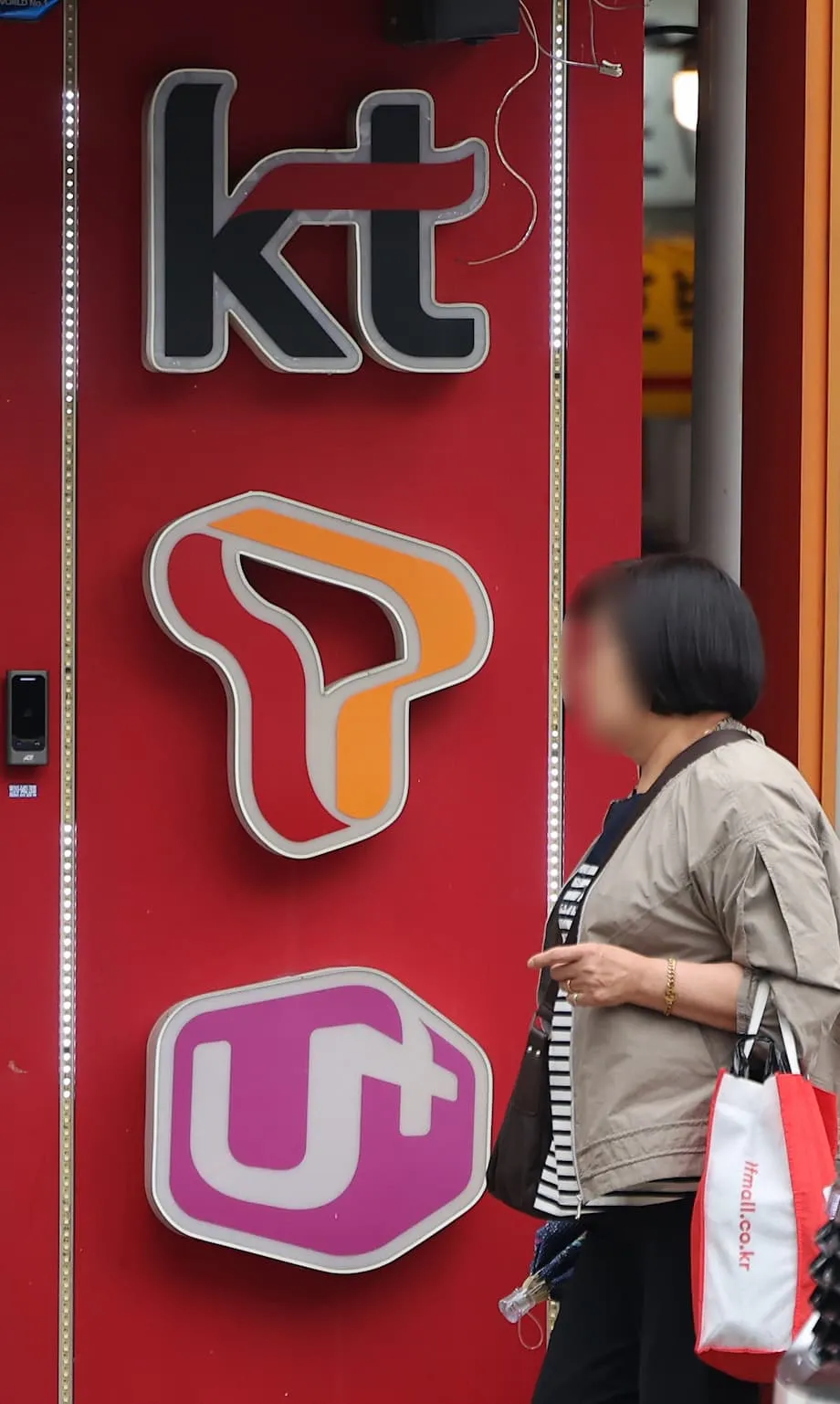
SK Telecom, KT and LG Uplus have agreed to continue publishing subsidy information online by rate plan, even though the legal requirement to publish fixed subsidy amounts is being removed. That continuing disclosure will give consumers a starting point when comparing offers.
Retail contracts must clearly explain the subsidy conditions. The amount and source of support must be disclosed, including whether the money comes from the carrier, the phone manufacturer or the retailer.
A subsidy is financial support that reduces what a customer pays for a device. Several businesses can contribute to the same deal, which makes identifying the source and conditions useful when checking how the advertised price has been calculated.
Samsung and Apple will be required to report monthly information on incentives they provide to carriers and retailers. Those figures will be submitted to the Ministry of Science and ICT and the Korea Communications Commission.
Consumers can still opt for the 25 percent discount for going without a contract, and the relaxed rules allow that option to be combined with additional retailer discounts. Buyers will need to check who provides each discount, how it is applied and whether extra fees or plan requirements accompany it.
Which consumer protections remain
The repeal relaxes subsidy rules while retaining protections against misleading advertising and pressure to take expensive plans. Discrimination based on age, region or disability remains prohibited.
Stores must offer equal subsidies to customers purchasing under the same conditions, including the same phone, service plan and contract type. Retailers that fail to explain subsidy conditions can face penalties.
The government plans particular attention to older consumers and teenagers, who may have greater difficulty obtaining or comparing information about complicated deals. Monitoring will focus on whether these groups are excluded from offers or misled about what they must pay.
Temporary promotions aimed at particular groups remain possible. Authorities have clarified that additional subsidies for seniors around Parents' Day, or for people with disabilities during Disability Day, are allowed under the rules.
Telecom companies are also prohibited from signing exclusive service agreements with apartment complexes or buildings containing multiple homes when those arrangements restrict residents' choice of provider. Violations can bring substantial fines.
The joint task force of regulators and telecom firms will meet at least twice weekly to watch market conditions and respond to disruption or abuse. Its work will become especially relevant if discounts change quickly during major device launches.
Will premium phones really cost less?
Samsung's Galaxy Z Flip7 and Fold7 give carriers an immediate opportunity to compete over new premium devices. Their July 25 launch follows closely after the repeal, while the expected arrival of Apple's iPhone 17 provides another opportunity later in the year.
Industry expectations point to a possible burst of aggressive subsidy competition. SK Telecom's loss of more than 800,000 subscribers after its data breach adds pressure on the company to offer attractive terms and regain market share.
In principle, even a newly released premium phone could be sold at zero cost under certain plans. Such an offer would likely carry specific contract requirements, so the handset price needs to be considered alongside the recurring service charges.
No size or duration has been established for the expected discount battle. The prospect of bigger subsidies is an expectation about how carriers may respond, while the removal of the restrictions gives them the freedom to make those offers.
Some analysts expect a more limited effect. South Korea's mobile market is already highly saturated, meaning carriers compete heavily for customers who already have service. Winning subscribers from one another can become expensive.
Carriers are also spending heavily on technologies such as artificial intelligence. Those investment demands could limit how much money they devote to prolonged subsidy competition, even if promotions become aggressive around particular launches.
Why smaller providers face pressure
Budget phone providers may struggle to match the financial resources of the major carriers. If SK Telecom, KT and LG Uplus offer much larger device subsidies, a cheaper service plan from a smaller provider may face stronger competition from a heavily discounted handset package.
Independent retailers could also face pressure as major carriers and manufacturers expand their promotions. More freedom to set prices creates opportunities to compete, but businesses with fewer resources may find it harder to keep pace with the largest offers.
The government's challenge is to encourage better deals while watching for unfair conduct and instability. Its monitoring will need to account for both the discounts consumers receive and the conditions under which smaller businesses compete.
Consumers have an immediate interest in lower prices, while the continued presence of different providers affects the range of choices available to them. The transition will test how well more flexible pricing works alongside the protections that remain.
What wider subsidy experience suggests
South Korea's decision sits within a broader debate about how subsidies affect competition. Experience with energy and industrial subsidies shows that financial support can encourage investment and rivalry, while also bringing costs such as government deficits, distorted markets and reduced transparency.
Subsidy reform therefore depends on monitoring, clear disclosure and adjustment measures that help distribute benefits and protect vulnerable groups. In the phone market, the immediate focus is on the incentives that carriers, manufacturers and retailers use to attract customers.
The United States and South Korea have also used large subsidies to support semiconductor industries. Competition over that support has prompted concern about rising costs and overproduction, illustrating why the scale and design of incentives matter.
For South Korea's mobile market, the practical issue is how to encourage price competition while preventing abusive sales practices and preserving a sustainable market. The government's disclosure requirements and frequent monitoring are central parts of that effort.
The repeal could also support innovation and further investment in the technology sector by creating a more flexible market. It fits the government's wider effort to modernize regulation and expand consumer choice, although pressure on smaller providers and retailers will require attention.
How consumers can compare the new offers
Consumers should expect prices to vary between stores, carriers and contract types. Comparing several offers will become more useful as retailers gain freedom to add discounts and carriers decide how aggressively to compete.
A useful comparison begins with the handset charge, then adds the service plan, extra fees and any other required payments. Buyers should check the contract conditions attached to each subsidy rather than choosing solely on the size of the advertised discount.
Retailers must explain who supplies the subsidy and how it applies. Consumers should make sure those details appear clearly in the contract, including any requirement to take a particular plan.
Families helping an older person or teenager buy a phone should pay close attention to those terms. Protections against misleading advertising, prohibited discrimination and pressure to accept expensive plans remain available, and suspected unfair treatment can be reported to the relevant authorities.
The immediate opportunity is greater freedom to seek a better deal. The accompanying responsibility is to compare the whole package, because a phone offered at zero cost can still come with substantial service payments.
Key Points
- South Korea will repeal its phone subsidy law on Tuesday after introducing it in 2014.
- The change removes previous subsidy restrictions, including the limit on additional store discounts of 15 percent above official carrier subsidies.
- SK Telecom, KT and LG Uplus have agreed to keep publishing subsidy information online by rate plan.
- Contracts must disclose subsidy sources and conditions, while protections against misleading sales and prohibited discrimination remain.
- Samsung's Galaxy Z Flip7 and Fold7 launch on July 25, with Apple's iPhone 17 expected later in the year.
- SK Telecom has lost more than 800,000 subscribers following a major data breach, adding pressure to compete for customers.
- Bigger discounts may benefit buyers, while budget providers and independent retailers face stronger competitive pressure.
- A joint task force will meet at least twice a week to monitor the market and respond to abuse.