Millions Use AI, but Too Few Build It
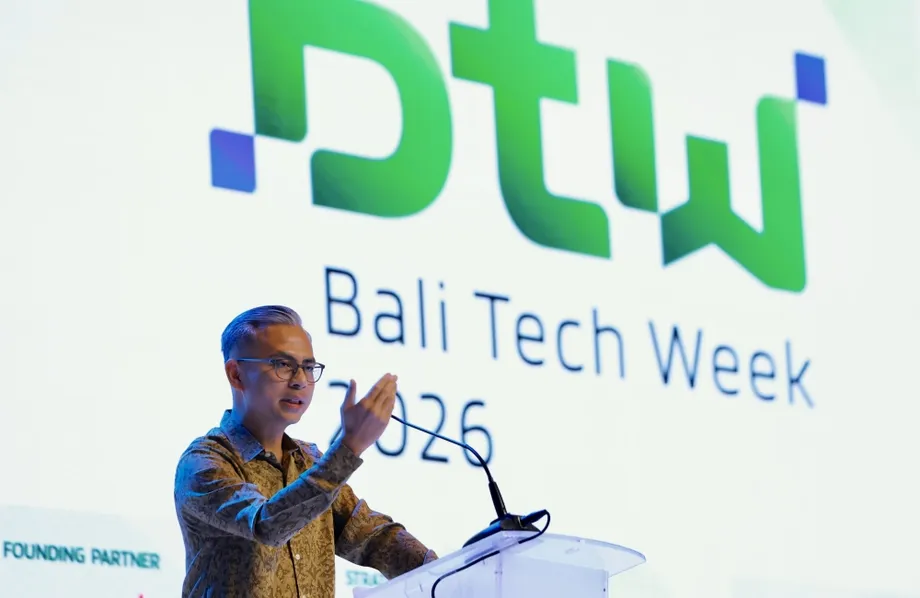
Indonesia needs about 12 million people with digital skills by 2030, but its current digital ecosystem can supply only about 3 million, according to Deputy Communications and Digital Minister Nezar Patria. The resulting shortfall of 9 million workers threatens the country's ambition to turn widespread use of artificial intelligence into a stronger digital economy.
Contents
- Millions Use AI, but Too Few Build It
- What the Talent Gap Means
- Education Has Struggled to Keep Pace
- Geography Shapes Access to Skills
- Why Indonesians Are Embracing AI
- How Indonesia Compares With Other AI Centres
- Training Programs Are Already Taking Shape
- The Role of the AI Center of Excellence
- What Is at Stake for Jobs and Businesses?
- Key Points
At a recent launch event for the AI Center of Excellence, Nezar described a country that is embracing AI faster than it is developing the people who can create it. Millions of Indonesians use tools and platforms powered by AI each day, placing the world's fourth most populous country among the leading users of the technology. Its capacity to develop the systems and applications behind those tools remains much smaller.
The workforce figures cover more than AI. Indonesia also needs people skilled in cloud computing, cybersecurity and other advanced technologies. Cloud computing provides access to computing resources over the internet, while cybersecurity involves protecting digital systems and information. Together, these skills support the businesses and services that make up the digital economy.
The scale of the challenge is substantial: the current supply of 3 million skilled workers amounts to one quarter of the projected requirement of 12 million. The remaining three quarters represent the 9 million worker gap that education, training and industry partnerships are expected to help close.
For Indonesia, the central task is to move from using technology developed elsewhere to creating more of its own. That would give local workers and businesses a greater role in building the products behind the country's digital growth, rather than participating mainly as customers.
What the Talent Gap Means
Nezar's warning concerns a widening distance between AI consumption and AI creation. Using a translation app or a virtual assistant requires a different level of knowledge from designing, building and maintaining the technology that makes it work.
Indonesia has a large and enthusiastic audience for digital products. Its shortage lies in the skilled workforce needed to support innovation and development across the digital economy. The country needs people who can turn technological ideas into useful applications, alongside workers who can operate and protect the systems those applications depend on.
Aaron "Ronnie" Chatterji, chief economist at OpenAI, has described a similar imbalance. He noted that Indonesia consistently ranks among the top three countries for weekly AI users, while lagging in the number of AI developers and the creation of application programming interfaces, or APIs, for AI adoption.
An API provides a way for software applications to connect with a service or another system. In AI, that connection helps developers put AI capabilities into an application. Limited API development therefore points to a smaller local role in integrating the technology into new products, even where demand for those products is strong.
Education Has Struggled to Keep Pace
Indonesia's shortage of digital talent has educational, economic and infrastructure roots. Technology is changing faster than schools, universities and training programs have been able to adjust, leaving gaps between what many people learn and the skills needed in the digital economy.
Many students and workers lack access to quality education in science, technology, engineering and mathematics, commonly grouped under the term STEM. These subjects provide foundations for understanding and developing advanced technologies. Opportunities to gain practical experience with advanced AI tools and platforms are also limited.
Training matters because classroom knowledge and practical work serve different purposes. Learning the ideas behind a technology helps people understand it; working directly with its tools helps them apply that knowledge. Indonesia needs both as it seeks to expand its pool of developers, researchers and other digital workers.
The challenge extends beyond preparing new graduates. Workers already in employment also need routes into digital training as businesses adopt new tools. Indonesia's capacity building programs are intended to help expand that supply of skills, but the size of the projected shortage requires a broad response.
Geography Shapes Access to Skills
Jakarta and Surabaya are hubs for technology innovation, but access to digital opportunities is uneven across Indonesia. Much of the population still lacks reliable internet access and exposure to digital skills training, widening the distance between major urban centres and rural communities.
Reliable connectivity matters for people trying to use online courses, practise with digital platforms or gain experience with AI tools. Where access is limited, the opportunity to build those skills is limited too. Expanding training therefore involves reaching people as well as providing courses.
Rural and underserved areas are a particular priority in proposals to address the shortage. A national talent pipeline needs to draw on people outside the cities where technology businesses and training opportunities are already concentrated.
Making STEM education more accessible and appealing is another part of that effort. The goal is to give more students a route into technical subjects and, eventually, the jobs that Indonesia's growing digital economy will require.
Why Indonesians Are Embracing AI
Indonesia's young population is comfortable with technology and eager to adopt new digital tools. AI is becoming part of everyday activity through language translation apps, virtual assistants, online shopping platforms and financial services.
Businesses are also using AI to improve efficiency, customer service and their ability to compete. That demand creates a strong reason to develop local skills: companies need people who can help turn available technology into services suited to their customers and operations.
Indonesia's digital economy is among the fastest growing in Southeast Asia, with projections suggesting it could reach $130 billion by 2025. E-commerce, financial technology and services for booking rides are expanding, with AI playing an important role in that growth.
Much of the underlying technology, however, is imported or developed by foreign companies. That limits opportunities for Indonesian talent to participate in creating the systems behind the expansion. The country is gaining experience as a user of AI while seeking a larger role in producing it.
The practical opportunity is to connect those two sides. A large domestic market already uses digital services; a stronger local workforce could help Indonesian businesses develop more of the technology serving that market.
How Indonesia Compares With Other AI Centres
The United States, China and India have invested heavily in AI ecosystems that connect universities, industry and government. Those relationships have helped produce large numbers of researchers, engineers and entrepreneurs, supporting innovation and economic growth.
Indonesia's AI development remains at an early stage by comparison. Its high level of use gives it a large base of people familiar with AI products, but its smaller developer community limits how much local businesses and institutions can create themselves.
The comparison points to the importance of connections between education and work. Universities contribute teaching and research, businesses bring practical needs and opportunities to apply skills, and government can support training and coordination.
Indonesia is seeking to strengthen those connections through partnerships and the AI Center of Excellence. Its challenge is to turn interest in AI into a sustained flow of people able to research it, build applications and establish businesses around it.
Training Programs Are Already Taking Shape
The Ministry of Communications and Informatics has partnered with global technology firms, universities and national strategic partners to offer programs that build digital skills. These include coding bootcamps, online courses and scholarships for advanced study in AI and related fields.
The programs provide different routes into the workforce. Coding bootcamps offer concentrated training, online courses expand access to learning, and scholarships support deeper study. Together, they form part of the government's effort to increase the supply of skilled people.
Education reform remains another priority. Making STEM subjects more accessible and attractive to students would help widen the pool entering technical study, while practical training could better connect that education with the needs of employers.
Greater investment in research and development is also needed to support local innovation. Training supplies people with skills; research gives them opportunities to use those skills to develop ideas and technology. Incentives for startups and entrepreneurs are intended to help more of that work become useful products and services.
The Role of the AI Center of Excellence
The AI Center of Excellence, launched by the Ministry of Communications and Informatics, is intended to serve as a hub for research, training and innovation. It brings together expertise from different sectors with the aim of speeding the development of AI solutions suited to Indonesia's needs.
The centre reflects a wider push for government, industry and academia to work together on the talent pipeline. No timetable for closing the worker shortfall was given beyond the projected requirement for 2030.
Private companies are also involved in developing skills. Google, Microsoft and IBM have established partnerships with Indonesian universities and startups to provide training, mentorship and access to advanced AI tools.
Those partnerships can help connect academic research with practical applications. Students and professionals gain opportunities to work with tools used in the industry, while universities and startups can draw on technical support as they develop their capabilities.
The shared aim is a workforce that can do more than operate existing products. Indonesia needs people able to adapt technology to local needs and develop new applications, supported by institutions and businesses that give them opportunities to do that work.
What Is at Stake for Jobs and Businesses?
Indonesia's talent shortage carries economic and social consequences. Without enough skilled workers, the country risks losing opportunities to create jobs, improve competitiveness and capture more of the value generated by its digital economy.
Dependence on foreign technology providers could also deepen if domestic skills fail to keep pace with demand. Indonesian businesses would continue adopting new tools while having fewer opportunities to shape the technology behind them.
Closing the gap offers a different prospect: more quality jobs, greater scope for local innovation and a stronger position in the digital economy. Achieving that requires investment in education, training and research, alongside opportunities for skilled people to apply what they learn.
Proposals for action include teaching STEM subjects and digital literacy from an early age, extending quality training to rural and underserved communities, and encouraging women and underrepresented groups to pursue technology careers.
Other priorities are greater research investment, incentives for startups to develop AI solutions for Indonesian markets, and stronger partnerships between government, industry and universities. Together, these measures address the journey from early learning to practical work and business creation.
Indonesia already has widespread enthusiasm for AI. Its next task is to build the workforce and research capacity that allow more Indonesians to participate in creating it, so that digital growth produces more opportunities at home.
Key Points
- Indonesia needs about 12 million digital workers by 2030, according to Deputy Communications and Digital Minister Nezar Patria, while the current ecosystem can supply about 3 million.
- The resulting gap of 9 million covers AI, cloud computing, cybersecurity and other advanced digital skills.
- OpenAI chief economist Aaron "Ronnie" Chatterji said Indonesia consistently ranks among the top three countries for weekly AI users but lags in developers and API creation.
- Uneven internet access, limited practical training and gaps in STEM education restrict access to digital careers.
- Government programs include coding bootcamps, online courses and scholarships, while the AI Center of Excellence is intended to support research, training and innovation.
- Partnerships involving Google, Microsoft and IBM provide training, mentorship and access to advanced AI tools.
- Building local talent could support jobs, business competitiveness and a larger Indonesian role in developing technology.