Four Sisters Die in Two Busan Fires Nine Days Apart
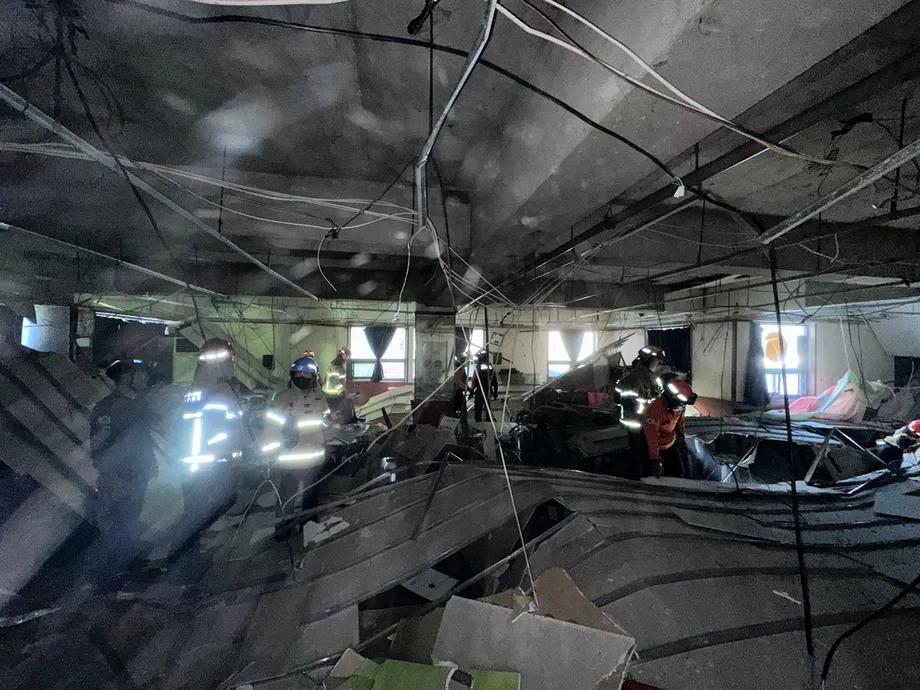
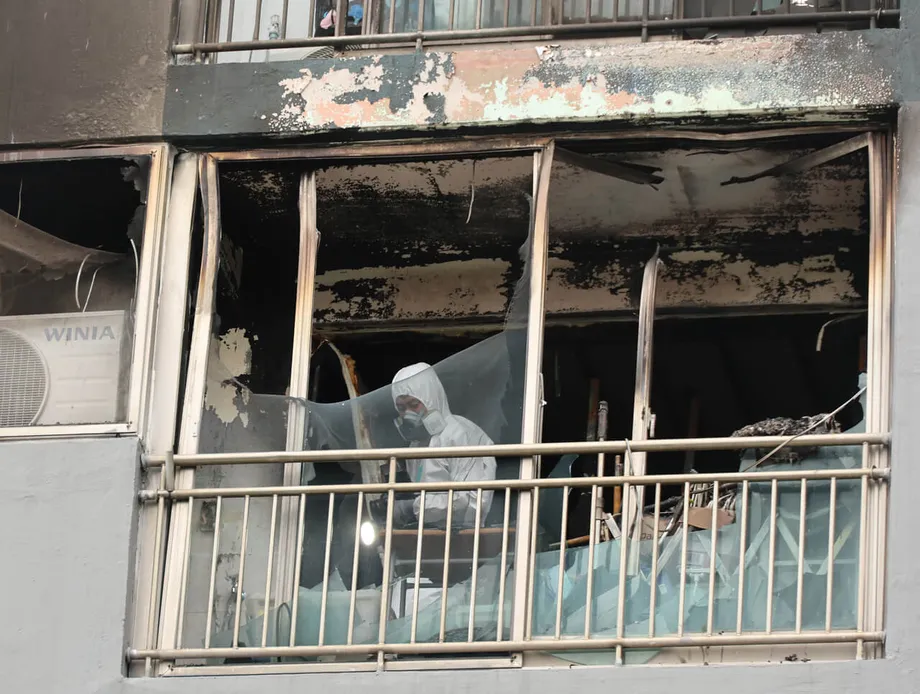
Two sisters, aged 8 and 6, died when a fire broke out in their apartment on the sixth floor in Gijang-gun, Busan, late one night in June. Their parents were working at the restaurant they ran. Authorities believe an electrical malfunction near a standing air conditioner started the blaze.
Contents
- Four Sisters Die in Two Busan Fires Nine Days Apart
- How the Tragedies Unfolded
- How Often Are Children Alone at Home?
- Why Parents Struggle to Arrange Care
- The Risks Extend Beyond Fire
- Family Expectations Meet a Changing Society
- Would a Minimum Age Law Help?
- Public Services Would Need to Reach More Families
- Fathers Are Taking a Larger Role
- A Debate About Protection and Practical Choices
- Key Points
Just nine days earlier, another two sisters, aged 10 and 7, died in a fire in the same city while their parents worked early morning shifts as cleaners. Four months before the latest tragedy, a girl aged 12 died in Incheon while alone at home as her parents worked and attended medical appointments.
By July 5, 2025, these deaths had renewed a painful national debate: whether South Korea should set a minimum age for children to stay home alone, and how families could follow such a rule when work keeps parents away and affordable care is unavailable.
Kim Hyun-ok, a neighbor of the family who ran the restaurant, described the grief surrounding the deaths and the financial pressures facing the parents:
Everyone knows the family. The parents have been running a restaurant here for years. My heart aches when I think about those little girls trapped in the fire. They were just trying to make ends meet, like any other parents.
The tragedies have brought together concerns that families often face separately: fire safety, working hours, the cost of childcare and responsibility for children when school ends. A legal requirement could give parents clearer guidance, while also creating new difficulties for households already struggling to arrange care.
How the Tragedies Unfolded
The deaths occurred at different times of day, including during early morning work and late restaurant hours. The families involved faced gaps in supervision that extended beyond the usual period between the end of school and the end of an office working day.
- Four months before the late June fire: A girl aged 12 died in Incheon while home alone as her parents worked and attended medical appointments.
- Nine days before the late June fire: Two sisters, aged 10 and 7, died in Busan while their parents worked early morning shifts as cleaners.
- Late June: Two sisters, aged 8 and 6, died in their apartment on the sixth floor in Gijang-gun, Busan, while their parents worked at their restaurant.
Authorities identified a suspected electrical malfunction near a standing air conditioner in the Gijang-gun case. The cause remained a matter of belief rather than a confirmed finding in the account available on July 5.
For working families, the timing of these fires gives the childcare debate a practical focus. Expanding care after school addresses one part of the day. Parents who clean buildings early in the morning or keep a restaurant open late also need arrangements that fit those hours.
How Often Are Children Alone at Home?
The National Fire Agency recorded 108,759 child safety incidents between 2021 and 2023. Of those, 50,906 occurred at home, nearly 47% of the total. Homes accounted for far more incidents than schools or other public places.
A 2020 survey by the Korea Institute for Health and Social Affairs found that 23.1% of elementary school students nationwide spent time alone at home after school. That is close to one child in four.
Figures from the Ministry of Gender Equality and Family also describe lengthy periods without adult supervision. Among parents of elementary school children, 38.3% left their children alone for an average of nearly five hours a day. For middle and high school students, the proportion was 72.3%, with periods exceeding five hours daily.
The figures describe children at different educational stages and show how care needs continue as they grow older. The share for middle and high school students was 34 percentage points higher than the figure for elementary school children, using the ministry's figures of 72.3% and 38.3%.
Why Parents Struggle to Arrange Care
South Korea's rapid economic development has brought more households in which both parents work. Long working hours and a high cost of living, particularly in urban areas, can make two incomes necessary while leaving parents with limited time to supervise children.
Families with one parent face their own difficulties because earning an income and providing care may fall to the same adult. Households with low incomes can have especially little room to reduce working hours or pay someone else to stay with a child.
Public childcare centers and programs after school provide some help, but demand far exceeds supply. Many programs also apply strict eligibility rules based on income. A family can therefore need care while being unable to obtain a place or qualify for assistance.
Private alternatives include babysitters and hagwons, the private cram schools where children receive additional lessons. Those options can be too expensive for families already under financial pressure. For some parents, leaving a child at home becomes the remaining option when relatives, public services and paid care are unavailable.
The pressure falls unevenly. Wealthier families can pay for tutors, extracurricular activities and babysitters, while households with fewer resources have fewer choices. Differences in income and location also shape access to childcare as many services are provided privately.
The Risks Extend Beyond Fire
Choi Seok-hyun, director of the Good Maum Center, a nongovernmental organization that provides psychological support to families, warned that long periods alone can affect children's health and behavior:
Some parents would think that leaving their children [home alone] would not cause serious problems. But if children are left alone for a prolonged period, they are more likely to go astray and their health tends to deteriorate.
Children without supervision may develop unhealthy eating habits, spend excessive time using screens, or experience emotional and psychological distress. These concerns extend the discussion beyond preventing a single emergency to the daily conditions in which children spend their time.
Studies from Japan, where cultural attitudes toward children staying home alone are similar, have linked the practice to a greater risk of health problems such as dental caries, or tooth decay. Unsupervised snacking and poor oral hygiene are among the explanations given.
Parents therefore face more than a decision about whether a child can remain inside safely for a few hours. Meals, routines, emotional support and access to an adult also matter when time alone becomes a regular part of the day.
Family Expectations Meet a Changing Society
South Korea has traditionally treated raising children as a private family responsibility. Public intervention in family affairs can be viewed as intrusive, contributing to a longstanding reluctance to regulate what happens inside homes or set a minimum age for children to remain unsupervised.
Extended families once provided an important network of help. Grandparents and other relatives could share childcare, but urbanization, the growth of nuclear families and declining birth rates have weakened that support. Many parents now have fewer relatives available nearby.
Nearly 40% of South Koreans now live alone, and the country has one of the world's lowest fertility rates. These demographic changes form part of a wider shift in household life that can leave young families isolated from traditional sources of assistance.
Mothers, in particular, can face stigma when they are perceived as neglecting their children, even while financial pressures require them to work outside the home. Expectations that families should manage care privately have persisted as the practical ability to do so has changed.
Government action has more often focused on public safety measures, including laws requiring school bus drivers to check for sleeping children. Regulating supervision inside a private home reaches into an area where authorities have been more reluctant to intervene.
Would a Minimum Age Law Help?
South Korea currently has no law prohibiting parents from leaving their children home alone. The deaths have prompted renewed calls from legal professionals and child advocates for clearer rules intended to prevent further loss of life.
The United States provides examples of a different approach, where leaving a child unsupervised can be treated as neglect and carry legal penalties. Maryland prohibits leaving children under 8 alone, while Illinois sets the minimum age at 14.
A minimum age gives families a stated boundary rather than leaving the decision entirely to individual judgment. The debate in South Korea also concerns exceptions and whether punishment would fall hardest on families with the fewest alternatives.
Jeon Min-kyeong, an attorney at the law firm Onyul, described both the potential value of legislation and the need for caution:
Legislation that clearly defines the minimum age at which children can be left alone—along with reasonable exceptions—could serve as a meaningful supplement to existing laws. However, if such a law is introduced, a key concern is that it could place additional burdens on families with limited caregiving resources, such as low-income households, single-parent families, and those where grandparents are primary caregivers. Therefore, legal penalties should be applied with caution.
For households relying on grandparents, a single parent or wages from long hours of work, a new legal duty would need to be considered alongside the care they can actually obtain. The central concern is preventing children from being left without protection while giving parents a workable alternative.
Public Services Would Need to Reach More Families
Child advocates and legal professionals have called for prevention to take priority over punishment. Their proposals include expanding programs after school, emergency childcare services and local child welfare centers so families have somewhere to turn when ordinary arrangements fail.
In the United States and parts of Europe, restrictions on leaving young children alone are often paired with substantial social services and community support. The approach links a responsibility placed on parents with assistance that helps them meet it.
South Korea's public childcare infrastructure remains underdeveloped compared with that of other advanced economies. Existing programs after school are oversubscribed, while capacity limits and income thresholds keep some working parents from obtaining affordable care.
The Ministry of Education has announced plans to expand care after school, particularly for students in the first and second grades. Those efforts have yet to meet full demand, and older children are often left outside the programs.
South Korea's rapidly aging population and shrinking workforce add pressure to social services and family support networks. Expanding care therefore involves both reaching families who lack help now and sustaining the services they will depend on.
The Busan cases also show why access must be considered alongside operating hours. Parents working early cleaning shifts or late restaurant hours need care during those periods, while the ministry's expansion focuses on services connected to the school day.
Fathers Are Taking a Larger Role
Men are becoming more involved in childcare as attitudes toward parenting change. According to the Ministry of Employment and Labor, nearly 29% of people taking paid parental leave in 2022 were men, compared with 8.5% in 2016.
That represents an increase of about 20.5 percentage points in six years. The change reflects a gradual move away from traditional Confucian expectations that assigned responsibility for raising children primarily to mothers.
The television program "The Return of Superman," which shows celebrity fathers caring for their children alone, has helped make shared parenting more familiar. Greater participation by fathers can ease some of the pressure on working mothers and spread responsibility more evenly within a household.
These changes remain at an early stage. Many families still struggle to balance work and care, and a more equal division of duties cannot fill every gap created by working hours, costs or unavailable services. Without comprehensive public support, much of the burden continues to fall on parents, especially those with limited resources.
A Debate About Protection and Practical Choices
The deaths in Busan and Incheon have brought child safety to the center of public discussion. Advocates argue that protecting children cannot rest entirely with individual families when the options available to them depend so heavily on income, employment and access to care.
A response built around minimum ages would provide clearer guidance. Expanded childcare, targeted assistance for vulnerable households and measures addressing economic insecurity would give families more ways to follow that guidance.
The immediate concern is concrete: children need protection in their own homes, and parents need arrangements that cover the hours they must spend earning a living or attending to other essential responsibilities. The restaurant workers, cleaners and parents attending medical appointments illustrate how those needs can collide.
South Korea's debate now brings together changing family structures, economic pressure and expectations about who should provide care. The challenge is to support parents while protecting every child's access to a secure and nurturing home.
Key Points
- Two sisters aged 8 and 6 died in a late June apartment fire in Gijang-gun, Busan, while their parents worked at their restaurant.
- Two other sisters aged 10 and 7 died in Busan nine days earlier. A girl aged 12 died in Incheon four months before the latest tragedy.
- The National Fire Agency recorded 50,906 child safety incidents at home out of 108,759 incidents between 2021 and 2023, nearly 47%.
- A 2020 survey found that 23.1% of elementary school students spent time alone at home after school.
- South Korea has no law prohibiting parents from leaving children home alone. Calls for minimum age rules include warnings about penalizing families with limited care options.
- Public childcare shortages, eligibility limits, private care costs and parents' working hours leave gaps in supervision.
- Education ministry plans focus on expanding care after school, especially for first and second graders, while older children are often excluded.
- Men accounted for nearly 29% of paid parental leave recipients in 2022, up from 8.5% in 2016, as parenting roles gradually change.
- Advocates want prevention, expanded care and targeted family support to accompany any legal reform.