Ten Million Visitors, With a Bigger Financial Target Ahead
The Osaka-Kansai Expo reached 10 million visitors in late June, 79 days after opening, as organizers pursued a much larger number: 22 million admissions, the threshold they say the international exhibition needs to become profitable. By June 30, 2025, rising crowds had strengthened hopes that the event could recover from its slow start.
Contents
- Ten Million Visitors, With a Bigger Financial Target Ahead
- Why Ticket Sales and Admissions Matter Differently
- How Far Have Sales and Attendance Come?
- Can Summer Demand Repeat Aichi's Late Surge?
- What Visitors Encounter at the Gates
- Construction Costs and Safety Remain Under Scrutiny
- Where the ¥2.9 Trillion Economic Estimate Comes In
- Japan's Tourism Boom Adds to the Opportunity
- Health, Technology and Diplomacy Share the Stage
- Key Points
Daily attendance has increased from fewer than 100,000 people to an average of about 130,000 in recent weeks. The Japan Association for the 2025 World Exposition, which organizes the event, is counting on that momentum to support its six months of operations and a budget of ¥116 billion, about $800 million.
The financial targets involve two different measures. Organizers say 18 million tickets must be sold to break even, while 22 million admissions are needed for profitability. Admissions include repeat entries by people holding season passes, so the number of visits can be higher than the number of individual visitors or tickets sold.
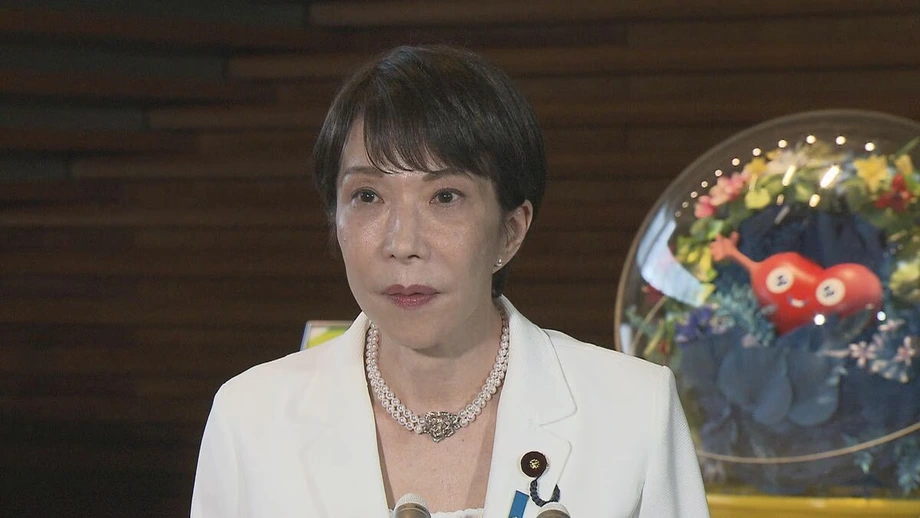
Masakazu Tokura, chairperson of the association and honorary chair of the Japan Business Federation, known as Keidanren, expressed confidence at a recent press conference. He tied the prospect of a profit to continued growth in attendance:
We made a good start. If the pace of increase in the past month continues, [the Expo] can become profitable.
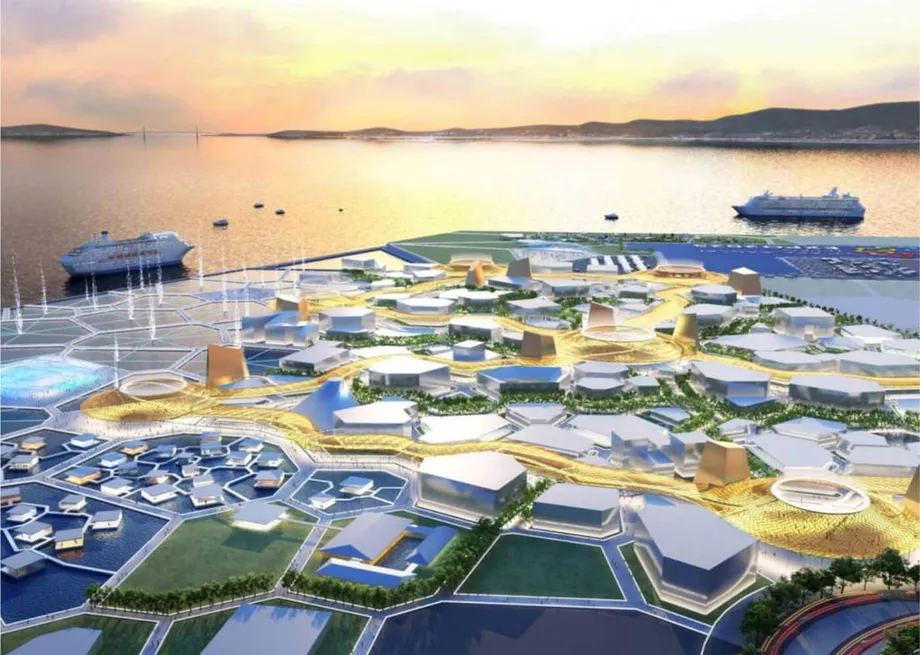
With just over four months remaining, the stakes extend beyond the gates on Yumeshima, an artificial island in Osaka Bay. The Expo is also a test of regional tourism, major public investment and Japan's ability to turn an international gathering into lasting business and diplomatic opportunities.
Why Ticket Sales and Admissions Matter Differently
The Expo's original ambitions were higher than its current financial thresholds: 23 million tickets sold and 28.2 million admissions. Those targets describe the scale organizers initially hoped to achieve, while the lower figures of 18 million tickets and 22 million admissions set out the levels they now associate with breaking even and profitability.
Ticket revenue is expected to cover nearly ¥97 billion of the ¥116 billion operational budget, more than 80% of the total. Put simply, most of the money needed to run the exhibition is expected to come from people paying to enter. That makes ticket purchases central to its finances, even when daily crowd figures attract more public attention.
A season pass helps explain why the two measures move differently. One person can buy a pass once and return several times. Each return adds another admission, but it does not create another ticket sale. Organizers therefore need to track both the money coming in and the number of visits.
The ¥116 billion figure concerns operations. Construction costs and spending by tourists also feature in the much broader discussion of the Expo's economic value. Keeping those categories separate makes it easier to understand how an exhibition can generate substantial business for a region while still facing pressure to balance its own operating accounts.
How Far Have Sales and Attendance Come?
By early May, 10.9 million tickets had been sold. Projections that included school trips put the figure at 13 million. At that stage, with five months remaining, organizers still had time to close the gap to the 18 million ticket threshold.
The difference between confirmed sales of 10.9 million and the break even requirement was 7.1 million tickets. Using the projected figure of 13 million, the remaining gap was 5 million. School visits therefore formed a meaningful part of the expected demand, alongside purchases by other visitors.
Attendance initially lagged expectations. During the first month, visitor numbers ran at about 60% of the anticipated pace. The subsequent rise to around 130,000 admissions a day has improved the outlook, although organizers still need that stronger demand to continue.
The late June milestone brought a ceremony and commemorative gifts for the ten millionth visitor. Beyond the celebration, reaching 10 million in 79 days gave organizers a visible sign that public participation was building after the weaker opening period.
The main developments so far show how the focus has shifted from early demand to sustaining larger crowds:
- In the first month, attendance reached about 60% of the expected pace.
- By early May, ticket sales stood at 10.9 million, with projections including school trips reaching 13 million.
- In recent weeks, average daily attendance rose to around 130,000.
- In late June, the Expo passed 10 million visitors, 79 days after opening.
- As of June 30, organizers were looking toward summer vacations and the remaining months to sustain growth.
Can Summer Demand Repeat Aichi's Late Surge?
The 2005 Aichi Expo offers organizers a reason to expect stronger attendance later in the event. Daily crowds there rose from between 40,000 and 90,000 early in its run to peaks of 280,000. Its eventual attendance was about 22 million.
Osaka's recent average of 130,000 remains well below Aichi's peak, but the comparison explains why organizers are placing weight on the coming months. World Expos tend to attract larger crowds in their latter half, as more people hear about the attractions and decide to visit before the event ends.
Summer vacations, recommendations from visitors and social media attention are all expected to help. Posts highlighting exhibits worth seeing can turn a broad international exhibition into a more concrete choice for someone deciding whether to buy a ticket.
Organizers have also tried to bring visits forward, rather than leave too much demand concentrated near the end. Discounts on season passes and more reservation slots at popular entry times were introduced to encourage early attendance and reduce the risk of congestion later.
What Visitors Encounter at the Gates
The Expo's reservation system sits at the center of a practical tradeoff. Booking entry times helps organizers spread arrivals and manage crowds, reducing pressure on entrances and queues. It also makes an unplanned visit less straightforward, a concern raised by people who want more freedom to decide when to attend.
Pavilion queues can still be long. Even so, the reservation system and efficient staff have helped improve entry times, while many visitors have described positive experiences after the skepticism that surrounded preparations.
The circular layout is intended to prevent bottlenecks. The Grand Ring, the signature wooden structure that became a target of criticism before opening, now provides shade and a vantage point over the exhibition grounds. Some local officials had described the structure as wasteful, making its practical use part of the debate over the Expo's value.
Cost remains another influence on attendance. Admission costs ¥7,500, and complaints have also focused on expensive food and souvenirs. For a visitor, the decision involves the whole day's spending, rather than the entrance price alone.
Public interest has been mixed. Surveys indicated that about 35% of Japanese respondents planned to attend, below the organizers' target of 55%. International visitors and favorable recommendations have nevertheless helped support actual attendance as the event has progressed.
Construction Costs and Safety Remain Under Scrutiny
The Expo entered its run carrying criticism over construction delays, budget overruns and a perceived shortage of major attractions. Its budget nearly doubled amid inflation and delays associated with the pandemic, feeding public skepticism and political debate about the cost.
Inflation means that the same materials, labor or services cost more than they did when spending was first planned. Delays can add further pressure by extending work and disrupting schedules. Together, those problems help explain why the financial discussion reaches beyond whether visitors enjoy the finished exhibition.
Yumeshima's use as a landfill site has also shaped safety concerns, particularly over methane gas. Organizers have increased transparency about safety measures, and concerns about methane and rumors of structural hazards have largely been addressed.
No major incidents have been reported since opening, although isolated safety issues have required action. The detection of Legionella bacteria in a water feature was among the problems that called for a swift response and clear information from organizers.
For the association, maintaining confidence means handling those practical issues while welcoming larger crowds. More visitors can improve revenue prospects, but they also increase the daily demands on access, queues, staff and visitor comfort.
Where the ¥2.9 Trillion Economic Estimate Comes In
The Ministry of Economy, Trade and Industry estimates that the Expo could attract up to 30 million visitors and generate an economic impact of ¥2.9 trillion, about $20 billion. That estimate includes construction, operations, tourism and related consumption.
The ministry's attendance estimate is higher than both the Expo's original goal of 28.2 million admissions and the approximately 22 million people who attended Aichi in 2005. At 30 million, the projected total would be 8 million above Aichi's attendance.
The economic impact figure describes activity across businesses and the wider economy. Construction companies receive work, hotels sell rooms, restaurants serve meals and transport and logistics businesses handle additional demand. The Expo's operating budget, by contrast, concerns the money required to run the event itself.
Local companies in construction, hospitality and logistics are already seeing increased business. Tourism related stocks have also risen in anticipation of record visitor numbers, reflecting expectations that the exhibition will bring spending beyond the venue.
Yumeshima's future development adds another dimension. An integrated resort, or IR, including a casino is planned for the island. The resort is expected to bring further economic benefits, linking the Expo's location to a longer period of development in Osaka Bay.
Japan's Tourism Boom Adds to the Opportunity
Japan welcomed nearly 37 million international visitors in 2024, with projections for 2025 exceeding 40 million. The Expo is taking place during an already strong period for inbound tourism, giving hotels, retailers and service businesses a larger potential customer base.
The weak yen is another driver. When Japan's currency is worth less against a visitor's home currency, that traveler can generally buy more yen for the same amount of money. That can make accommodation, shopping and other spending more attractive to people coming from abroad.
The Expo's international draw adds to that currency advantage. Visitors coming for the exhibition can also spend money elsewhere in Osaka and across Japan, which is why the event's importance to the tourism industry extends beyond admission revenue.
These national tourism projections and the Expo's attendance targets measure different things. Japan's inbound total counts international arrivals, while Expo admissions also include domestic visits and repeat entries. Both matter to businesses, but they describe different parts of the potential demand.
Health, Technology and Diplomacy Share the Stage
The Expo's main theme is "Designing Future Society for Our Lives," supported by themes covering health, sustainability and advanced technology. Exhibits explore medicine, artificial intelligence, virtual reality and sustainable living, presenting ideas about how people might live and receive care in the future.
Osaka's aging population gives the focus on health and longevity particular local relevance. Kansai's concentration of research institutions also connects the exhibition to work already taking place in the region. Japan is using the event to present its strengths in life sciences and innovation, as well as efforts to address social challenges through technology and international cooperation.
Sysmex, a company specializing in medical diagnostics, is showcasing advances in detecting cancer and Alzheimer's disease. Diagnostics means identifying a disease or condition through tests, an area that connects the Expo's technology displays to concerns familiar to patients and families.
International participation gives the event another role. Countries are presenting their cultures and innovations while using the gathering for diplomacy and business. Denmark's King Frederik X led a business delegation, an example of how a national presence at the Expo can support commercial relationships as well as cultural exchange.
Global conflicts are also visible inside the exhibition. Israel's display of a stone dating back 2,000 years from East Jerusalem and the Palestinian pavilion's focus on the Gaza crisis have brought political and humanitarian issues into the venue. Ukraine's presence adds another dimension to the way current international tensions appear at the Expo.
Russia's withdrawal and Taiwan's participation under a nongovernmental banner further illustrate the political complexity surrounding a gathering of countries and societies. The exhibition operates as a "window to the world," while also reflecting the disagreements and conflicts within it.
As of June 30, the final financial outcome remains undecided. Continued attendance growth, the management of visitor demand and responses to logistical and political challenges will shape the result. The longer legacy will also depend on regional development, international relationships and Japan's global image, extending the judgment of success beyond ticket sales.
Key Points
- Organizers say the Expo needs 18 million ticket sales to break even and 22 million admissions to become profitable.
- The original targets were 23 million tickets sold and 28.2 million admissions.
- Daily attendance has risen to around 130,000, and total visits passed 10 million in late June, 79 days after opening.
- Ticket revenue is expected to provide nearly ¥97 billion of the ¥116 billion operating budget.
- The economy ministry projects up to 30 million visitors and an economic impact of ¥2.9 trillion.
- Construction costs, safety concerns, prices and reservations remain part of the public debate.
- Health, technology, sustainability and international diplomacy are central to the exhibition.
- With just over four months remaining as of June 30, sustained demand will be central to the Expo's financial result.