Small Groups, Local Breweries and a Taste of Korean Tradition
Seoul's traditional liquor tourism program brings foreign residents and tourists into two local breweries and a central city gallery to taste Korean drinks and learn how they are made. Brewery visits cost 50,000 won, approximately $37, while gallery classes cost 25,000 won, about $18. Each session is limited to 10 participants, with advance registration required.
Contents
- Small Groups, Local Breweries and a Taste of Korean Tradition
- Where the Tours and Classes Take Place
- Samhae Soju Offers a Broad Tasting Experience
- Clown Brewery Adds Makgeolli Making
- Understanding Makgeolli, Cheongju and Soju
- What the Sool Gallery Classes Include
- Registration, Prices and Group Sizes
- Why Seoul Is Building Tourism Around Traditional Liquor
- From Ceremonies and Harvests to Visitor Workshops
- Key Points
The Seoul Metropolitan Government announced the initiative to introduce non-Koreans to makgeolli, cheongju and soju through guided tastings, explanations of brewing traditions and practical activities. The venues are Samhae Soju in Mapo-gu, Clown Brewery in Yeongdeungpo-gu and the Sool Gallery in Jongno-gu.
The published schedule places the brewery tours between June 12 and July 11, with gallery classes on June 11 and June 25. The program's stated year is 2024; no dates for a new run in 2025 were given as of June 13, 2025. That matters for anyone planning a visit, because the listed schedule belongs to an earlier period.
Seoul is using the experience to connect its food and drink culture with the people and methods behind traditional alcohol. Visitors can learn why different Korean drinks look and taste different, hear about their place in social customs, and, at selected sessions, try making makgeolli themselves.
The small groups are intended to allow personal attention and exchanges with hosts. For foreign residents, the sessions offer another way to understand the city they live in. For tourists, they provide an activity beyond the usual sightseeing route, with time spent inside working breweries and a specialist liquor gallery.
Where the Tours and Classes Take Place
Samhae Soju and Clown Brewery, also called Eoritgwangdae Brewery, are the program's two brewery partners. Both are based in Seoul and are known for their commitment to preserving traditional methods of making Korean liquor. Their sessions have different focuses, giving visitors a choice between a broad tasting experience and a visit that includes brewing.
The brewery tours are listed for Thursdays and Fridays during the June 12 to July 11 period. The Sool Gallery, also known as the Traditional Liquor Gallery, hosts the separate classes in Jongno-gu, central Seoul.
The announced timetable is:
- June 11, 2024: A traditional liquor class at the Sool Gallery.
- June 12 to July 11, 2024: The brewery tour period, with visits listed for Thursdays and Fridays.
- June 25, 2024: A second traditional liquor class at the Sool Gallery.
The gallery classes combine an introduction to Korean alcohol with tasting, a makgeolli workshop and the opportunity to buy bottles. The brewery visits put the drinks in the setting where producers make them, connecting the finished beverage with its history and preparation.
Samhae Soju Offers a Broad Tasting Experience
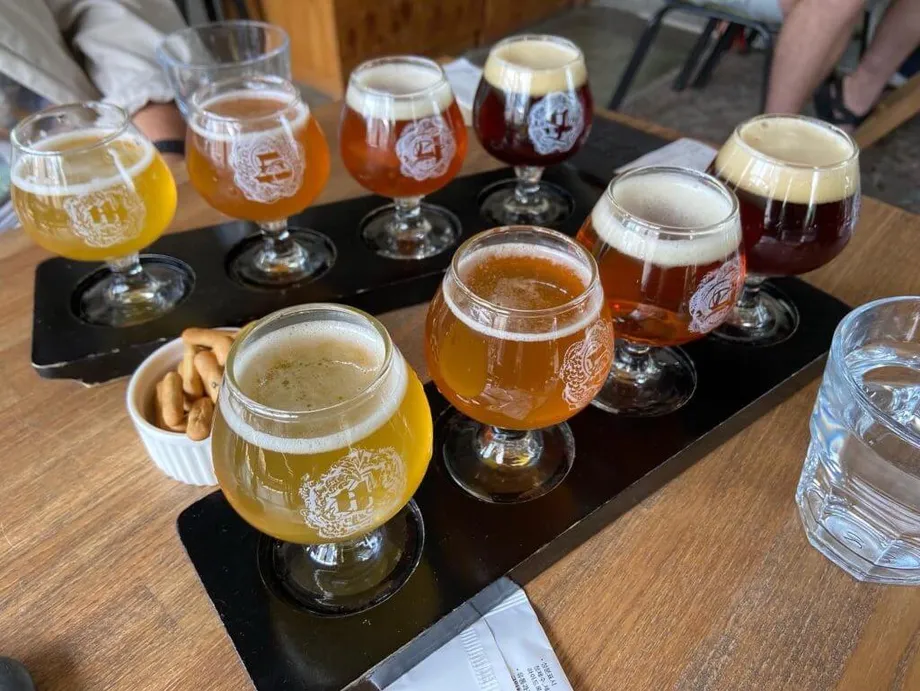
Samhae Soju in Mapo-gu focuses on the origins and cultural significance of traditional Korean liquor. Participants receive detailed explanations about the drinks and their place in Korean life, alongside tastings of more than 10 varieties.
That selection gives visitors a way to compare flavors rather than judge Korean alcohol from a single bottle. The program presents the diversity and complexity of traditional drinks as part of a wider story about agricultural roots, regional differences and changing tastes.
Samhae Soju's visit is especially centered on listening and tasting. Its explanations connect what visitors drink with the customs and production traditions behind it, making the brewery a setting for cultural learning as well as sampling.
Clown Brewery Adds Makgeolli Making
Clown Brewery in Yeongdeungpo-gu combines guided tastings and educational talks with an opportunity to make makgeolli. The drink is a milky, slightly sweet rice wine that has been a staple in Korean households for centuries.
Visitors can take part in the brewing activity rather than only hear a description of it. The practical element is intended to make the process easier to understand and give participants a closer appreciation of the work involved in producing traditional alcohol.
The two brewery experiences therefore serve different interests within the same program. Samhae Soju offers a tasting of more than 10 varieties with historical and cultural explanations. Clown Brewery adds a practical introduction to makgeolli production alongside its talks and tastings.
Understanding Makgeolli, Cheongju and Soju
Makgeolli, also described as takju, is an unfiltered rice wine with a creamy appearance, light sparkle and relatively low alcohol content. Unfiltered means the drink retains material from the brewing process rather than having all of it removed to produce a clear liquid. Its slightly sweet taste and communal drinking traditions are part of its appeal.
Cheongju, described alongside yakju, is a clear, refined rice wine often associated with ceremonial occasions. The contrast with makgeolli gives newcomers an accessible starting point: both belong to Korea's rice wine traditions, but one is cloudy while the other is clear.
Soju is a distilled spirit and perhaps the most internationally recognized of the three. Distillation is the process used to turn a fermented alcoholic liquid into a spirit. Soju can range from mild to potent and is a familiar presence at Korean gatherings.
Korea's traditional drinks also carry stories about agriculture, regional identity and social customs. The tours use those stories to explain why the beverages matter beyond their flavors. Learning their names and basic differences helps visitors follow the tastings and understand the choices presented to them.
What the Sool Gallery Classes Include
The Sool Gallery classes offer a smaller workshop setting for tasting and experimentation. At 25,000 won per person, the class costs half the 50,000 won brewery tour fee. Both activities have the same limit of 10 participants per session.
Each gallery class includes tasting two types of traditional Korean liquor, with an introduction to their different profiles and production methods. Participants also join a makgeolli brewing workshop covering the basics of fermentation and rice preparation.
Fermentation is the stage in which the ingredients develop into an alcoholic drink. By combining an explanation of that process with practical work, the class gives visitors a way to connect the taste of makgeolli with how it is made.
Bottles of traditional liquor are available to purchase at the gallery. That gives attendees an opportunity to take Korean drinks home while supporting local producers. The session brings together learning, tasting and making, with purchasing available as another part of the visit.
Registration, Prices and Group Sizes
Both the brewery tours and the traditional liquor classes require advance registration. Places are allocated in order of registration, and the limit of 10 people applies to each session. Tickets are listed through the Korea Guide Tour website.
The brewery tour price is 50,000 won, approximately $37, per person. The fee is presented as reflecting the depth of the experience and its limited group size. The gallery class costs 25,000 won, about $18, per person and provides tasting, brewing instruction and access to bottles for purchase.
The group limit is central to the format. With fewer attendees, the sessions are designed to give each person individual guidance and allow more meaningful exchanges with hosts. The activities also aim to create a sense of connection and accomplishment through direct participation.
Why Seoul Is Building Tourism Around Traditional Liquor
The Seoul Metropolitan Government places the program within a broader effort to promote the city's cultural identity and attract international visitors looking for immersive experiences. Traditional liquor offers a way to connect food tourism with local producers, artisans and customs that may receive less attention on mainstream tourist routes.
Lee Jae-hwa, director of Seoul's Tourism Industry Division, described the city's commitment to developing activities rooted in its identity:
We will continue to discover tourism content that reflects Seoul's unique identity and create unique programs to share the city's cultural depth and charm with the world.
The program aims to support local breweries and artisans while encouraging cultural understanding through shared experiences. Visitors encounter ingredients, techniques and traditions, then connect those explanations with what they taste or make.
Korean food and drink have gained international popularity alongside K-pop, Korean dramas and Korean cuisine. Soju has become a fashionable spirit in bars and restaurants worldwide, while makgeolli has attracted interest for its probiotic qualities and distinctive taste. Many foreigners, however, remain unfamiliar with the differences among traditional Korean drinks.
The tours and classes are intended to provide an accessible introduction and encourage responsible enjoyment. Their focus on explanation and participation gives visitors more to take away than a list of drinks they have sampled.
From Ceremonies and Harvests to Visitor Workshops
Korean traditional liquor has long been connected with important occasions, respect for ancestors and social bonds. Brewing and sharing alcohol formed part of communal life, tying drinks to the people and events around them.
Makgeolli was often brewed at home and shared among neighbors during harvest festivals. Cheongju was used in ancestral rites and royal ceremonies, where it symbolized purity and respect. Soju, originally distilled in the 13th century, developed into a national icon enjoyed across Korean society.
The workshops bring those traditions into a visitor experience through stories, tastings and practical activities. Their combination of small groups and direct participation is intended to make the encounters personal and memorable, rather than resemble a standard commercial tasting.
The initiative has drawn praise for promoting and preserving Korean heritage. Local tourism officials expect it to increase interest among foreigners and younger Koreans seeking authentic, locally made products. Early participants have expressed enthusiasm about learning directly from master brewers and engaging with Korean culture through practical work.
For the breweries and gallery, the program creates a meeting point between traditional production and international visitors. For attendees, it offers a concrete introduction to the drinks, rituals and craftsmanship that form part of Korean daily life and cultural history.
Key Points
- Seoul announced brewery tours and traditional liquor classes for foreign residents and tourists.
- The stated schedule is June 12 to July 11, 2024, for tours, with gallery classes on June 11 and June 25.
- Samhae Soju in Mapo-gu offers cultural explanations and tastings of more than 10 varieties.
- Clown Brewery in Yeongdeungpo-gu includes tastings, talks and makgeolli making.
- The Sool Gallery in Jongno-gu offers two liquor tastings, a brewing workshop and bottles for purchase.
- Brewery tours cost 50,000 won per person; gallery classes cost 25,000 won.
- Each session accepts 10 participants and requires advance registration.
- The initiative aims to promote Korean heritage, support local producers and build cultural understanding.