Leasehold Losses in Pasir Ris Heights
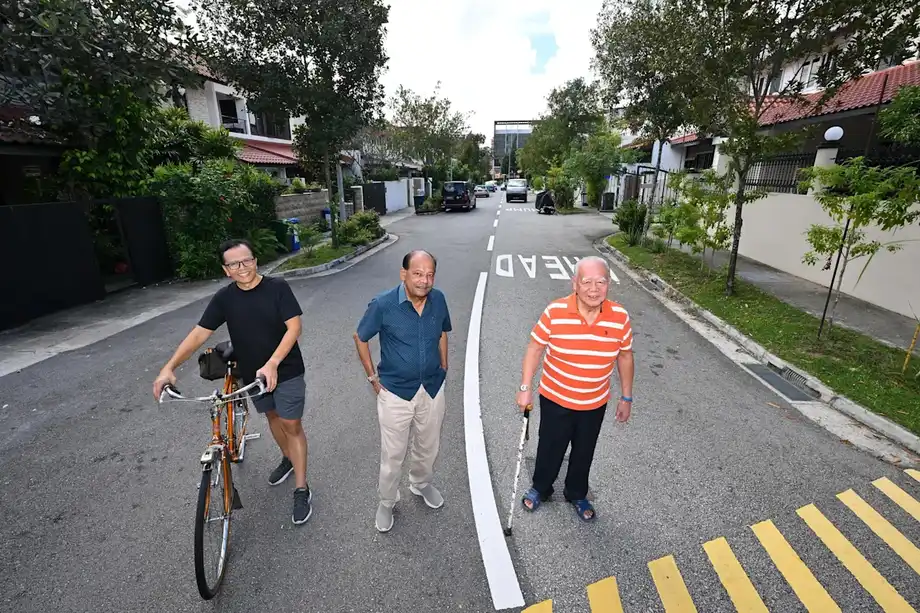
Razen Nair stands in his terrace house in Pasir Ris Heights, a neighborhood where history is written in the dates on land deeds. He purchased his home in 1990 for S$340,000, choosing a 99-year leasehold property over a nearly identical one with a 999-year lease just a few doors down. At the time, he told his late wife he would not live to be 100 years old. Today, at 73, he lives alone and regrets the choice. With only 51 years remaining on his lease, the value of his asset is beginning to erode as the clock ticks toward the end.
Contents
I told my late wife I won't live till 100 years old. Now I regret the decision. I should have bought a 999-year leasehold, Nair said.
Nair is not alone in this sentiment. He represents residents in Pasir Ris Heights who are seeking government approval to top up their leases to a fresh 99 years. Many residents regard these homes as retirement nest eggs. Nair has a son who is 41 and a daughter who is 38. His children have suggested he move to a condominium, but he remains reluctant. I have lived here for 35 years. I know everyone here. It's like living in a kampung, he said.
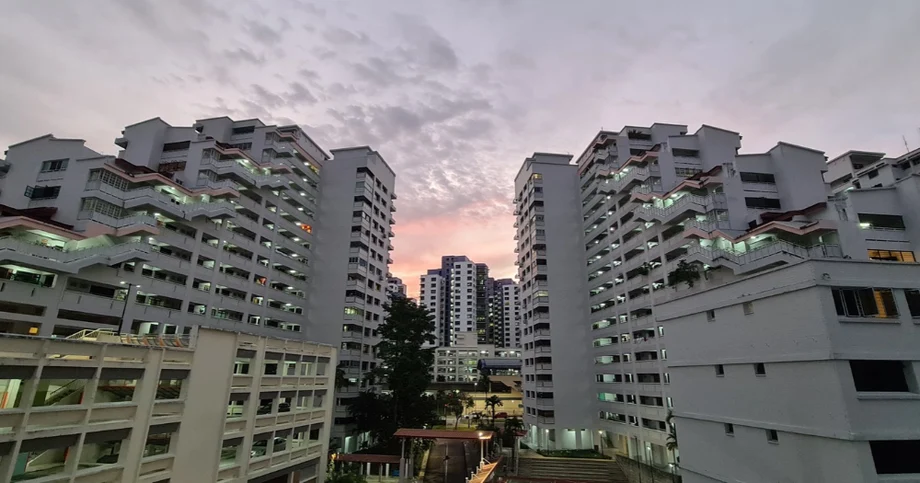
The situation in Pasir Ris Heights highlights a complex disparity in Singapore's landed property market. The area is one of 113 streets in Singapore with mixed land tenures. Here, houses with 99-year leases stand side by side with freehold homes and those with 999-year leases. Other streets with this unique mix include Andrews Terrace, Begonia Drive, Eng Neo Avenue, and Holland Grove Road, according to data from property portals 99.co and SRX.
While landed home prices have generally risen faster than condominium prices over the past decade, the gap between tenures is widening. Data from the Urban Redevelopment Authority shows that landed property prices rose 2.9% from July to September 2026, outpacing the 1% gain for non-landed homes. Year to date, landed home prices have climbed 5.1%.
The Widening Price Gap
The financial impact of tenure type is visible in recent transaction data. On August 31, two terrace houses in Andrews Terrace near Sembawang Park, both around the same size, were sold with a stark price difference of S$1.24 million. One was a freehold property built in 2005, selling for around S$3.89 million. The other, a 99-year leasehold house a few units down the street built in 2008, changed hands for S$2.65 million.
Luqman Hakim, chief data and analytics officer at 99.co, noted that the price gap between freehold and 99-year leasehold houses on Andrews Terrace has widened significantly over the years. In 2011, developers sold new leasehold houses for between S$1.85 million and S$1.89 million. At that time, freehold resale homes on similarly sized land plots fetched about S$1.82 million to S$2 million, a premium of less than 10%. By 2019 to 2020, the freehold premium widened to around 25% to 30%. In 2026, it rose to roughly 40% to 50%.
Hakim pointed out a caveat in the data. Transactions record land area, not built-up floor area. We can't tell whether the two houses differ in number of storeys, attic or basement space, renovations or general condition, he said. Where each house sits on the street may matter too.
As at December 2024, about 73% of landed properties in Singapore were freehold, while 14% were held on 999-year leases. The remaining 13% had shorter leases. Land tenure is now a primary factor driving price disparities between homes of similar sizes on the same street.
Colonial Roots of Modern Disparity
The mixed tenures trace back to Singapore's colonial past. Different land tenures on the same street typically reflect how land was granted under different terms over centuries. The first 999-year leases were issued in 1826. By the 1880s, there were about 18 types of land titles, ranging from short-term leases to permanent ownership, according to a 2018 publication by the Centre for Liveable Cities under the Ministry of National Development.
The British colonial government later moved towards shorter leases out of concern that freehold land would be costly to acquire for future development. In 1947, it passed rules making 99-year leases the standard for new land grants.
In Pasir Ris Heights, the mixed tenures date back to the estate's development in the early 1970s. The 999-year leasehold houses in the estate had leases commencing in 1874, while the 99-year leases began in 1978.
Teo Chong Tee, a former Changi MP and Nair's neighbor, recalled the early days of the estate. Teo paid S$118,000 for a two-storey home with a 999-year leasehold on the same street when he moved in 1977. He noted that many houses remained unsold at the time. Those empty houses were later sold to HUDC, which were offered for sale on 99-year leases, Teo said.
Community Response and Expert View
For Nair, the falling value of his 99-year leasehold property has become a daily concern. The Asia sales director at a heavy machinery company said he is representing residents in seeking government approval to top up their leases. We are aware that we need to pay, and we hope it is an affordable amount, Nair said.
Other residents have made different choices based on their budgets. Retired photojournalist Mohd Ishak, 66, lives in a 99-year leasehold terrace house opposite Teo. Ishak paid S$645,000 for his terrace house in 2007. At that time, a comparable freehold or 999-year leasehold landed home cost about S$300,000 to S$400,000 more. He spent another S$80,000 on renovations. I like to stick to my budget. I felt like I was paying an HDB price for a landed property, Ishak said.
Prof Sing Tien Foo, provost's chair professor of real estate at NUS Business School, said land tenure should not affect how homeowners use and enjoy their properties, provided the remaining lease is long enough. Unless they are very old leasehold properties with a short remaining lease, in which case the decaying value will set in, and investment value will diminish, Sing said.
Sing noted that while freehold properties may command a premium for their scarcity and potential redevelopment value, they are not immune to compulsory acquisition. Freehold land can be reduced over time through redevelopments and amalgamated sites.
Key Points
- Razen Nair regrets buying a 99-year leasehold home in Pasir Ris Heights for S$340,000 in 1990, as its value declines with only 51 years remaining.
- Price gaps between tenures are widening, with freehold homes commanding a 40% to 50% premium over 99-year leasehold homes in 2026.
- Residents like Nair are seeking government approval to top up their leases to a fresh 99 years to preserve their retirement nest eggs.
- Historical differences in land grants from the colonial era and the 1970s development of Pasir Ris Heights explain the current tenure mix.
Pasir Ris Heights is one of 113 streets in Singapore with mixed land tenures, where 99-year, 999-year, and freehold homes exist side by side.