Local Results Do Not Alter Beijing's Grand Narrative
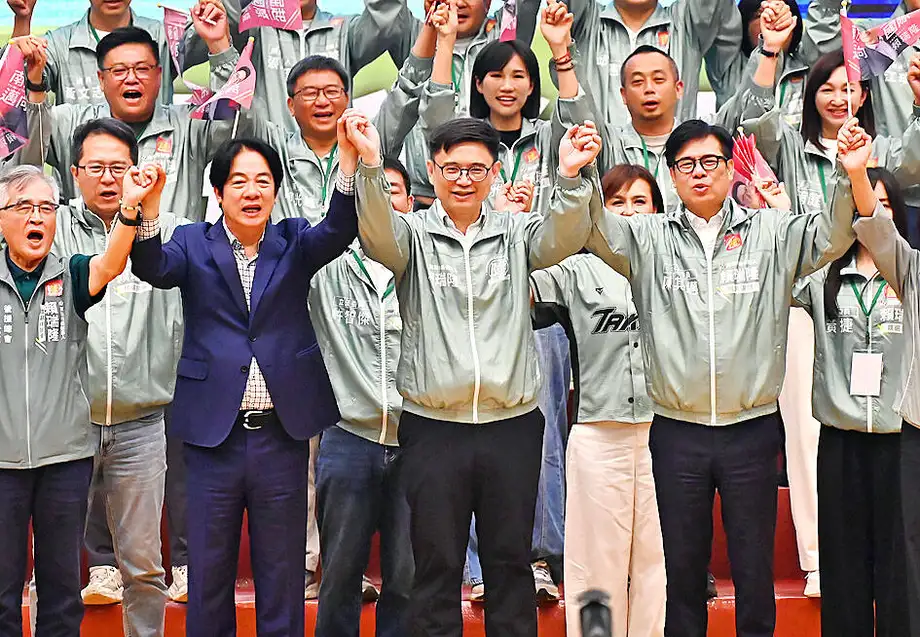
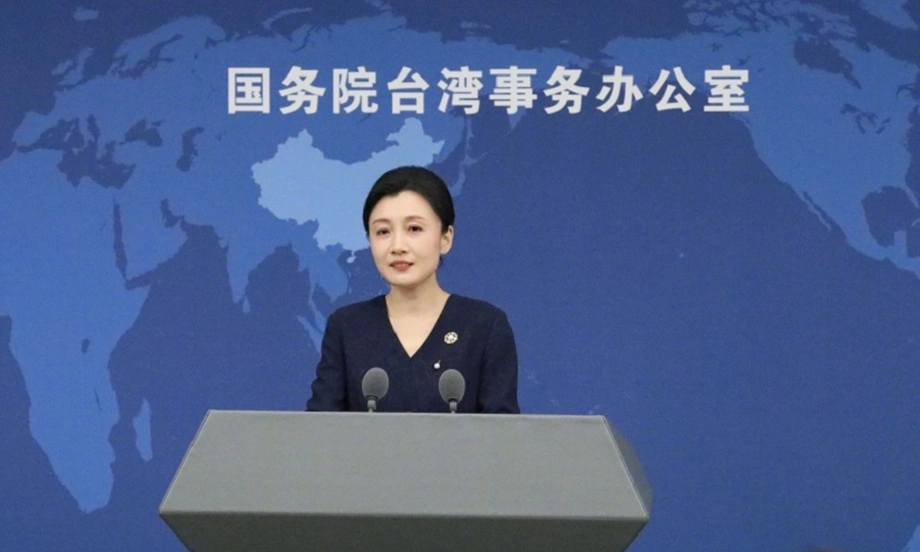
The ruling Democratic Progressive Party in Taiwan doubled its local seats from five to ten in Saturday's elections, securing key urban centers including Taichung, while the opposition Kuomintang won 11 posts, retaining control of Taipei and New Taipei. Despite this shift toward a greener local landscape, the Taiwan Affairs Office in Beijing responded on Sunday by asserting that the changes in Taiwan's political map cannot halt the historical trend toward national reunification.
Contents
Spokesperson Zhang Han stated that the desire for peace, development, exchange, and cooperation represents mainstream public opinion across the strait. The Beijing leadership emphasized that regardless of how the internal political格局 changes, the trajectory of cross-strait relations remains forward-moving. The office reiterated its commitment to the One-China principle and the so-called 1992 Consensus, vowing to unite compatriots and combat separatist forces.
We have taken note of the situation. The desire for peace, development, exchange, and cooperation represents mainstream public opinion. No matter how Taiwan's political landscape changes, it cannot alter the direction and trend of cross-strait relations.
Zhang Han's statement followed the close of the nine-in-one local elections, which determined leadership for mayors and councilors across 22 counties and cities. The results reflected a complex interplay between local livelihood issues and broader political identities. While the DPP celebrated a significant rebound, the Kuomintang's retention of the capital prevented a total green sweep, offering Beijing a sense of stability.
Expert Wang Jianmin from Minnan Normal University noted that the election outcome should be understood within the context of local governance rather than as a fundamental change in cross-strait dynamics. He observed that the DPP is utilizing its administrative resources to expand its presence, though the significance of local victories must be weighed against policy conditions and resident concerns. Wang emphasized that while the DPP controls more local governments, the overarching historical trend of national reunification remains the dominant narrative.
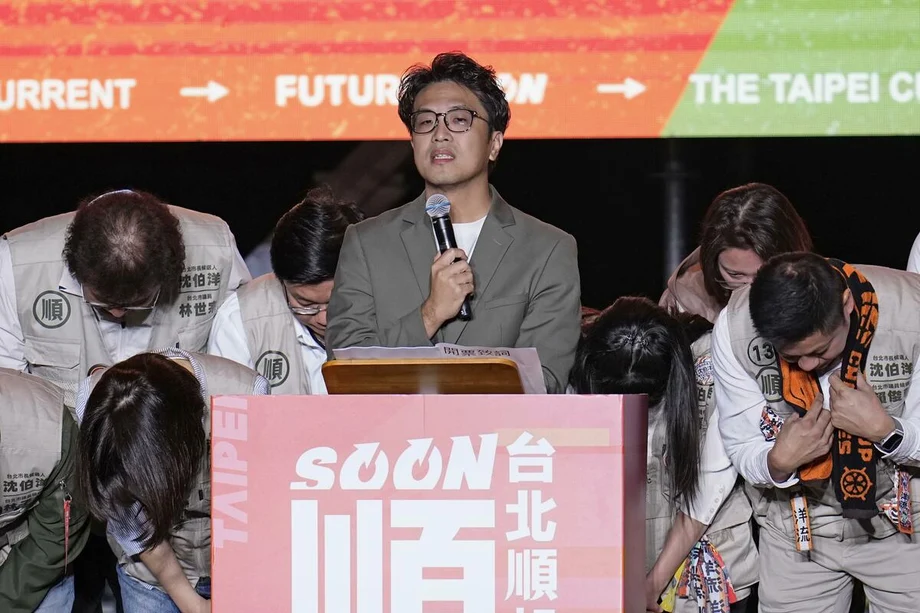
Professor Zheng Jian of Xiamen University pointed to the defeat of DPP candidate Shen Pao-yang in the Taipei mayoral race as a key indicator. Shen, labeled an obstinate separatist by Beijing, had attempted to conceal his extreme stances through online communication tactics but ultimately failed to break the party's electoral ceiling. Zheng argued that this outcome showed ordinary voters do not accept radical separationist ideologies, reinforcing the public desire for peace and stability over confrontation.
Disputed Interpretations of the 1992 Consensus
A central point of contention in the post-election discourse is the 1992 Consensus, a tacit understanding between the Chinese Nationalist Party and the Chinese government that both sides acknowledge there is one China, though they may interpret it differently. Beijing views this consensus as the foundation for cross-strait relations, while the DPP has never formally acknowledged it, arguing that acceptance implies agreeing with China's claim over Taiwan.
Former MAC chairman Su Chi admitted in 2006 that he helped shape the concept in 2000, noting its flexibility. However, the DPP's continued refusal to endorse the consensus has led Beijing to suspend official cross-strait dialogue in the past, most notably after the DPP returned to power in 2016.
The Mainland Affairs Council (MAC), Taiwan's top policy organ, responded to Beijing's statement by urging pragmatic engagement. The MAC called on Beijing to respect Taiwan's democratic system and the choices of its people, advocating for dialogue without preconditions and on the basis of equality and dignity.
The Beijing authorities should respect Taiwan's democratic system and the choices of Taiwanese. The smooth completion of the elections demonstrated the maturity and resilience of Taiwanese democracy.
The MAC statement highlighted the freedom of Taiwanese voters to choose their preferred candidates in a festive atmosphere. It urged Beijing to face the election results pragmatically and engage with Taiwan's democratically elected government based on equality, signaling a desire for normalized diplomatic interaction rather than subordination.
Electoral Shifts and the KMT Challenge
The Kuomintang, though winning the most seats with 11, faced significant headwinds, dropping from 14 seats in the previous election. The party retained Taipei but lost Taichung to the DPP after eight years of blue control. Independent candidate Kao Hung-an secured the final seat in Hsinchu, further complicating the political map.
KMT Chairperson Cheng Li-wun raised concerns about the electoral environment, alleging heavy-handed judicial intervention by the DPP authorities. She identified Yilan, Changhua, and Hsinchu as areas most affected by what she described as a chilling effect, where the deployment of state power influenced voting behavior and created an intimidating atmosphere for KMT supporters.
Analysts from the International Crisis Group noted that the elections were heavily focused on livelihood issues, such as housing costs and wealth distribution, rather than purely on cross-strait relations. This focus allowed the KMT to maintain support in the northern strongholds despite the DPP's overall gains. The Guardian reported that the KMT's victory in Taipei and New Taipei provided Beijing with a measure of reassurance, as these areas are seen as key to the future economic and political integration of the island.
The DPP's improved performance to 10 seats, including key urban centers like Kaohsiung and Tainan, demonstrated its ability to mobilize voters in its southern base while expanding northward. The party's margin of victory in southern Taiwan was narrower than expected, suggesting a growing competitiveness of the KMT in traditionally green areas.
Rising Tensions and Administrative Disputes
Beyond the electoral results, administrative disputes between the two sides of the strait have intensified. A recent dispute over the eligibility of cross-strait spouses to run for office has drawn sharp criticism from Beijing. The Taiwan government tightened the rules, requiring mainland spouses to prove they have lost their original household registration for ten years, a stricter standard than the previous residency-based requirement.
The Taiwan Affairs Office criticized this move as an attempt to suppress mainland spouses for political motives. The Mainland Affairs Council defended the regulation as a necessary administrative procedure to prevent dual identity, though legal scholars have debated its constitutional validity.
Meanwhile, reports of Chinese interference in the election cycle have fueled tensions. Observers noted the spread of AI-generated videos and fake news targeting Beijing's preferred candidates, while Japan reported Chinese drones crossing the airspace near Taiwan. These incidents underscore the ongoing strategic competition and the sensitivity of the Taiwan issue to regional powers.
Future Prospects for Cross-Strait Relations
Looking ahead, the political landscape remains volatile. The DPP government has called for pragmatic dialogue, emphasizing that maintaining the status quo is the mainstream will of the people. However, Beijing continues to push for a deeper integration framework under the One-China principle.
Experts warn that the upcoming two years will be critical. With the 2028 presidential election approaching and the Chinese Communist Party Congress in the fall of the following year, both sides may find opportunities for easing tensions. The Taipei-Shanghai Twin City Forum, scheduled for December, is viewed as a crucial test case for the DPP government's willingness to engage with Beijing on a basis of equality.
The desire for peace, development, exchange, and cooperation represents mainstream public opinion across the strait.
President Lai Ching-te, speaking after the elections, declared that democracy itself is always the winner. He pledged to support all local governments, regardless of political affiliation, in infrastructure and social welfare. This inclusive approach aims to stabilize domestic politics while navigating the complex external pressures from the United States and China.
The international community watches closely as the DPP seeks to balance its pro-democracy stance with economic pragmatism. The outcome of these local elections, while not a mandate on unification versus independence, provides a snapshot of the public's mood and sets the stage for the next phase of cross-strait relations.
As the dust settles, the core question remains whether the political changes on the island will lead to greater openness with the mainland or further solidify a distinct Taiwanese identity. The answer will likely depend on how both sides interpret the concept of the 1992 Consensus and manage the growing administrative and diplomatic disputes.
Key Points
- The Democratic Progressive Party won 10 local seats in Taiwan, doubling its total from the previous election, while the Kuomintang secured 11 seats.
- Beijing's Taiwan Affairs Office stated that the political changes in Taiwan do not alter the historical trend toward national reunification.
- The Mainland Affairs Council urged Beijing to respect Taiwan's democracy and engage in dialogue without preconditions.
- The 1992 Consensus remains a point of contention, with the DPP refusing to endorse it due to its implication of Chinese sovereignty.
- Tensions persist over administrative issues, including new rules for mainland spouses seeking political office.