A birthday trip that ended at Japan's immigration desk
On 23 November 2026 a 27 year old property agent and her 34 year old boyfriend, a renovation worker, flew from Hong Kong to Japan for a seven day trip built around her birthday, which fell on 24 November. They were due home on 29 November. The holiday ended at the immigration counter.
Contents
- A birthday trip that ended at Japan's immigration desk
- The factory defect claim that went viral
- At Immigration Headquarters, the story changed
- What the Government Laboratory found
- Arrest at Ping Tin Estate
- Bail, and the three allegations
- The penalties written into the Immigration Ordinance
- Why blank pages matter more than they look
- A second passenger, and a similar claim
- What is still open
- How the case unfolded
- Key Points
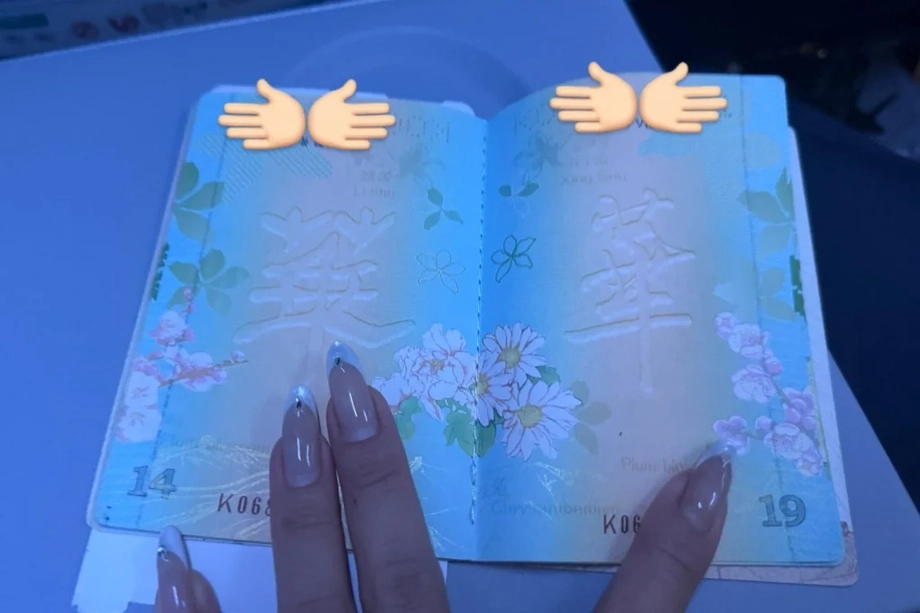
A Japanese officer leafed through her Hong Kong Special Administrative Region passport and stopped in the middle. The page numbers jumped from 14 straight to 19. Pages 15 to 18, two sheets of paper, were gone. Japan refused her entry and put the couple on a flight back to Hong Kong the same day. The air tickets, the hotel booking and her leave from work were lost with it.
The woman, a Hong Kong resident who has not been publicly named, turned to the social platform Threads on the evening of Tuesday 24 November. Within a day her complaint about a faulty passport had spread far beyond her friends, and within three days it had become a criminal investigation.
The factory defect claim that went viral
In her post the property agent said the passport had been issued in 2018 and had carried her to Korea, Thailand and Taiwan since the pandemic without a problem. She wrote that the stitching, the binding sewn down the centre of the booklet, looked original and showed no sign of tearing. Japanese officers and an interpreter who looked at it, she said, agreed the damage did not appear self inflicted. She added that Hong Kong immigration staff had confirmed at the airport, on her return, that the missing pages were a printing and binding defect at the factory, and had told her to pursue the matter. She described herself as entirely innocent and said she had cried uncontrollably.
My passport was issued in 2018 and I have used it to travel to Korea, Thailand and Taiwan after the pandemic without any problem.
The post asked for an official examination to settle whether the gap came from the printing process or from a person. That examination is what undid her account.
At Immigration Headquarters, the story changed
On the morning of Wednesday 25 November the couple travelled to the Immigration Department headquarters in Tseung Kwan O, where she asked about a replacement passport and set out the losses from the cancelled trip. Officers who examined the booklet found what the department described as suspected signs of alteration. The file went to its enforcement division, and the passport went to the Government Laboratory for testing.
In a reply to media queries that same day, the department noted that she had claimed on social media that its officers at the airport had confirmed a factory defect, and that she had now told the department the statement had not come from its staff. Her post stayed online. That evening she published a second one, repeating that she had never damaged the passport by hand while accepting that passport printing is tightly controlled.
What the Government Laboratory found
Forensic examiners reported paper scraps inside the booklet at the points where the missing sheets had been attached. That residue, the department said, showed the pages had been torn out by hand rather than left out at the printer. Investigators separately checked the production record and found the printing process had run without fault, with no pages missing when the booklet was made.
A passport is a single sewn volume, and its sheets do not part cleanly. Pulling pages out of a bound booklet leaves torn stubs at the spine and fibres caught in the stitching, which is the kind of trace the laboratory looks for. A booklet that left the printer with fewer pages would carry no such remains, because the sheets were never bound into it at all.
Travel records gave the second line of evidence. The document was issued in 2018, making it eight years old at the time of the trip, and had been used for repeated journeys to destinations including Taiwan, South Korea and Thailand. Nothing in those records suggested a booklet that had been faulty from the start.
Arrest at Ping Tin Estate
Officers arrested the couple on the evening of Thursday 26 November at Ping Chun House in Ping Tin Estate, Lam Tin. Tang Wai-yip, chief immigration officer for outside investigation, briefed reporters that night and set out what the laboratory had established.
According to records, this passport was issued in 2018, and its holder had been using it to travel to various places over the years without any issue.
Tang said investigators had not established why the four pages were removed or exactly how, and he did not rule out further arrests. The woman has said the passport never left her keeping and that no third party had access to it.
Bail, and the three allegations
The pair were held overnight and walked out of the Immigration Department headquarters at about 9.10pm on Friday 27 November. They headed on foot towards Tseung Kwan O MTR station without answering questions from reporters. Both were released on bail while the investigation continues, and no date has been given for charges to be laid or for a court appearance.
The allegations they face are set out under three heads:
- altering a travel document without lawful authority
- possessing and using a travel document that had been unlawfully altered
- misleading an immigration officer
The third charge concerns what she told the department rather than what she did to the booklet. Its trigger was her change of account between the airport, where she said staff had blamed the factory, and the headquarters, where she accepted they had not.
The penalties written into the Immigration Ordinance
Altering an SAR passport without lawful authority, or holding and using one that has been altered, carries a maximum fine of HK$150,000, about Rp 352 million, and 14 years in prison. Tang said anyone who helps or encourages the offence is equally liable, which means a person who did not tear the pages could still face the same maximum. Misleading an immigration officer carries up to HK$10,000 and six months in jail.
The gap between the two is wide. The document offence allows a fine 15 times larger and a prison term 28 times longer than the misleading offence, which is why prosecutors have room to pursue both, and why the fate of the couple turns first on the four pages rather than on the post.
Why blank pages matter more than they look
Blank pages are the working part of a passport. They are where visas are stuck and where entry and exit stamps are pressed, and they are the part of the document a border officer reads to reconstruct where a traveller has been. A booklet that jumps from page 14 to page 19 leaves a hole in that record, and a passport with sheets pulled out can be used to hide an earlier trip or to make space for a forged visa or stamp.
The department says every SAR passport is printed under tight security at its headquarters, verified by computer systems and checked page by page by hand before it is issued. Tang used the briefing to urge the public to keep passports safe and to stay away from unauthorised changes, including removing pages, editing personal details or damaging security features. Holders who find damage or anything unusual should report it and apply for a new document.
A second passenger, and a similar claim
Earlier this year another Hong Kong woman applied for an SAR passport for her daughter and came back a few days after collecting it to say pages were missing, asking for a free replacement. Officers who looked at the booklet found suspected evidence of tampering and passed the file to the enforcement division. The Government Laboratory found multiple cut marks in the inner pages and confirmed human alteration.
That woman was arrested. The investigation also found she was suspected of involvement in a separate case of conspiracy to defraud, and the department says it is seeking the advice of the Department of Justice on prosecution. Her case and the couple's rest on the same test: whether the paper itself shows a person was at work.
What is still open
The laboratory answered the question the property agent put to the public, whether the gap came from the printer or from a person. It leaves five questions that the arrest did not settle:
- who removed the four pages
- when the pages were removed
- why pages 15 to 18 in particular
- what part, if any, the boyfriend played
- which of the woman's statements the misleading charge rests on
Tang said the motive had not been established. Nothing in the public account explains what an incomplete passport would have gained the traveller, since a booklet missing sheets is more likely to stop a trip than to speed one up.
How the case unfolded
- 23 November, Monday: the couple land in Japan; an officer finds pages 15 to 18 missing; entry is refused and they fly back to Hong Kong the same day.
- 24 November, Tuesday: the woman posts her account on Threads, saying the passport was defective from the factory.
- 25 November, Wednesday: the couple go to Immigration Headquarters in Tseung Kwan O; officers find suspected tampering, send the passport to the Government Laboratory, and she retracts the claim that staff confirmed a factory defect.
- 26 November, Thursday: forensic tests confirm the pages were torn out; the pair are arrested at Ping Chun House, Ping Tin Estate, Lam Tin; the department briefs reporters at night.
- 27 November, Friday: the couple are released on bail at about 9.10pm.
Key Points
- A 27 year old Hong Kong property agent and her 34 year old boyfriend, a renovation worker, were refused entry to Japan on 23 November 2026 because pages 15 to 18 were missing from her passport.
- She said publicly that the gap was a factory printing defect and that immigration staff had confirmed it; she later told the department the statement had not come from its officers.
- The Government Laboratory found paper scraps at the points where the sheets had been bound, which showed the pages had been torn out by hand.
- The passport was issued in 2018 and had been used for trips to Taiwan, South Korea and Thailand without any problem.
- The couple were arrested on 26 November at Ping Chun House, Ping Tin Estate, Lam Tin, on suspicion of unlawful alteration, possessing and using an altered travel document, and misleading an immigration officer.
- They were released on bail at about 9.10pm on 27 November; no date has been set for charges or a court appearance.
- Unlawful alteration of a travel document carries up to HK$150,000 in fines and 14 years in jail, with helpers equally liable; misleading an officer carries up to HK$10,000 and six months.
- A separate case involving a mother who sought a free replacement for her daughter's passport was also referred to forensic testing, which found multiple cut marks; she was arrested and the department is consulting prosecutors.