A Promise That Slips Without Being Withdrawn
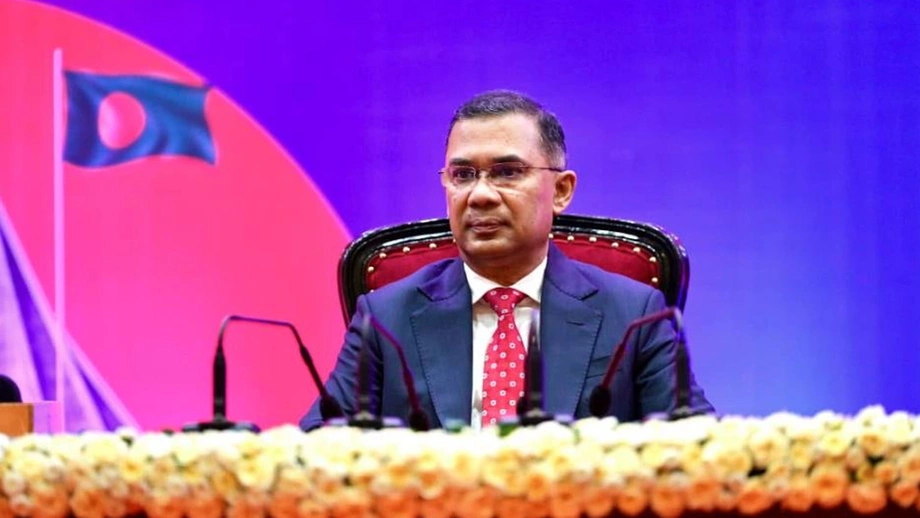
DHAKA — For months, Sheikh Hasina told her followers she would fly home on December 16. On Sunday, the official closest to Bangladesh's prime minister described that promise as already gone. Rashed Khan, political assistant to Prime Minister Tarique Rahman, said an audio message Hasina released the previous night had circled the date without ever landing on it.
Contents
- A Promise That Slips Without Being Withdrawn
- Two Deaths at the Padma Bridge Approach
- Gopalganj, Where the Procession Came Armed
- A Lockdown, a Strike and 56 Platoons of Border Guards
- Why Getting Home Needs a Plane, a Passport and a Treaty
- What Waits on December 16
- What Hasina's Silence Leaves Her Supporters
- Key Points
"Hasina did not clearly say even once in her audio message yesterday that she would return on December 16. Through this, she has virtually backtracked on her announcement of returning on that date," Rashed said.
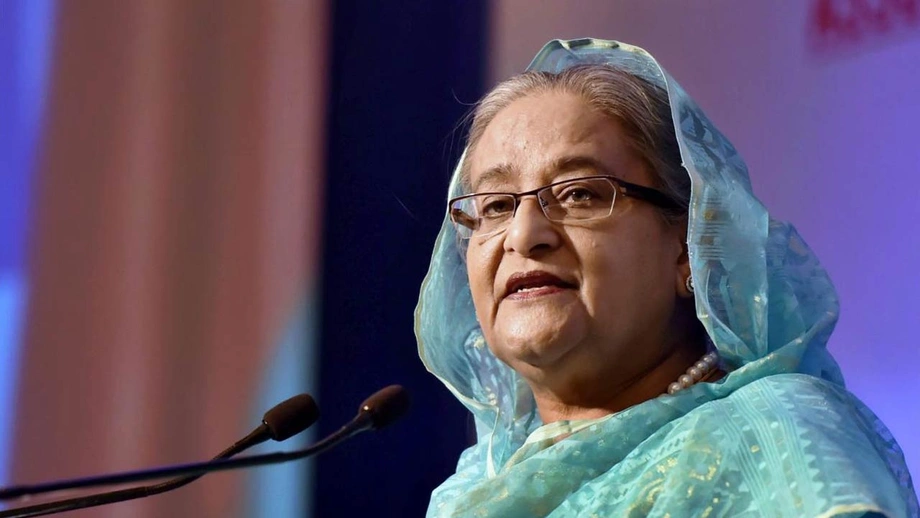
In the recording, carried during a Facebook Live session on Saturday night, Hasina, 79, said her preparations were complete. "I have bought and arranged everything; if I go..." she said, then added that she would return if she were given the opportunity. December 16 went unmentioned. Rashed wrote in the same Facebook post that she had "virtually distanced herself" from the pledge, and that the language of those involved would keep shifting as the date drew closer.
He attached to the post a video of a talk show featuring Mohammad Ali Arafat, a former state minister for information and broadcasting, and said Arafat's remarks showed the December 16 plan was tied to a demand that a state aircraft be sent to bring Hasina back from New Delhi.
Two Deaths at the Padma Bridge Approach
The same Sunday turned violent about 80 kilometres from Hasina's hometown. At Zajira point in Shariatpur district, supporters of the banned Awami League blocked the approach to the Padma Bridge, the crossing that carries the southwestern region's traffic to Dhaka, as part of a lockdown they had announced for November 29 and 30. Activists of the ruling Bangladesh Nationalist Party gathered at the same spot to protest the shutdown, and the two sides fought.
Home Minister Salahuddin Ahmed told reporters in Dhaka that two people had been killed in connection with the incident. He described a crowd arriving to set up a barricade and then turning on itself.
"An incident occurred in the area in the morning hours. A group of individuals arrived at the Padma Bridge area, apparently intending to set up a barricade; however, it is understood that an internal dispute or clash broke out among them," he said.
Law enforcement agencies, including Border Guard Bangladesh troops, brought the situation under control, the minister said. Police in Shariatpur identified one of the dead as Ibrahim Sepahi, believed to be an Awami League activist. Md Zakaria Rahman, a senior police officer, said Sepahi died on the way to hospital after an exchange of firebombs.
"There was an exchange of Molotov cocktails during the clash," Rahman said.
Local police officers said at least 12 motorcycles were set alight at the scene, and traffic on the highway stopped for around 45 minutes. Police also reported that one man was killed and two others seriously hurt by gunfire, with at least two of the wounded carrying bullet injuries. Witnesses said crowds set fire to several shops and roadside stalls nearby.
Gopalganj, Where the Procession Came Armed
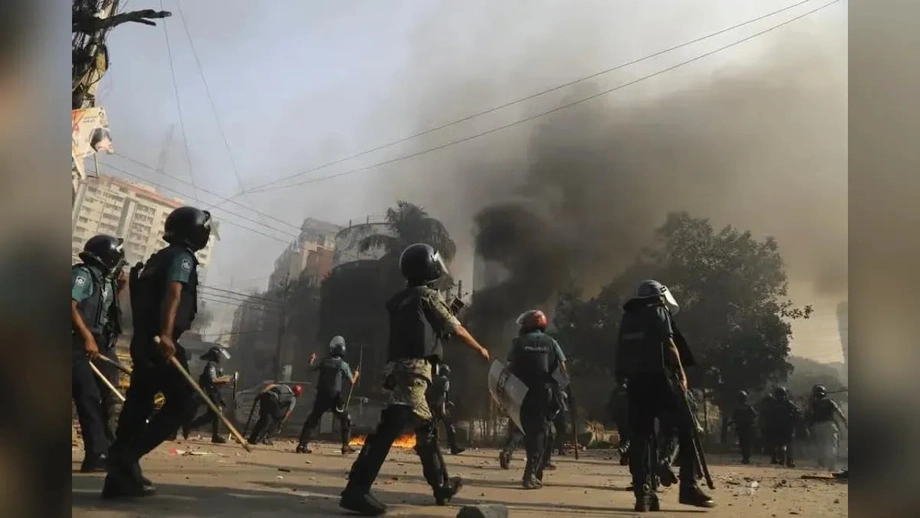
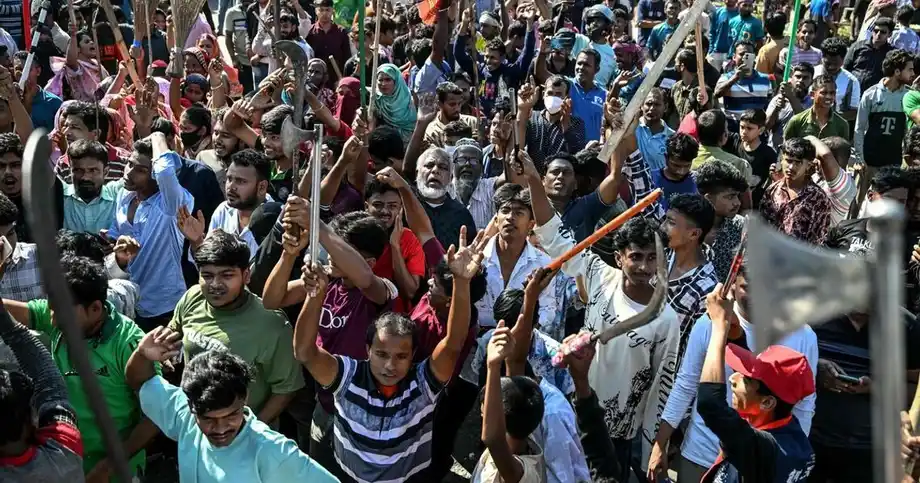
In Gopalganj, Hasina's hometown and the base of her family's political power, the confrontation looked different. Journalists from Agence France-Presse watched Awami League supporters and BNP activists fight with machetes, sticks and other weapons on the same day, after rival groups gathered overnight. Demonstrators carried machetes and axes through street rallies, and mobs torched shops, stalls and motorcycles.
Thousands of Hasina loyalists rallied at her ancestral home demanding that she be allowed to return safely, and blocked a highway while paramilitary border guards stood by. Hundreds of extra paramilitary troops were sent to the district, where most shops and businesses stayed shut. In Madaripur district, her supporters blocked a major highway.
Hamid Gazi, a veteran Awami League member who joined the march with his family, said the party wants the ban on its activities withdrawn by the government that took power in February.
Some 97 percent of people in Gopalganj are Awami League supporters, yet we voted for the BNP. But the BNP never tried to make peace with us," Gazi said. "My wife and three sons, all five of us, have locked our doors and joined the procession.
Gopalganj has become the centre of the unrest, with arson attacks and flash processions reported there for weeks.
A Lockdown, a Strike and 56 Platoons of Border Guards
The Awami League, whose activities are banned, called a nationwide strike lasting two days to protest what it calls political retribution, and a lockdown for November 29 and 30. The state news agency BSS reported that 56 platoons of Border Guard Bangladesh personnel were deployed across seven districts, with Gopalganj receiving a large share ahead of the Sunday rally.
Authorities say Hasina's supporters have staged at least 72 flash processions and more than 100 firebomb attacks nationwide in recent weeks, and that party leaders living abroad are inciting the violence. Two police stations and several other buildings were set on fire in Gopalganj in earlier unrest. Mobile banking services were suspended there, direct train services to Dhaka halted, and some police stations stopped functioning.
The Gopalganj Market Committee decided to keep shops closed for two days over fears of more violence. Bus services on the Dhaka to Gopalganj route have been suspended since Saturday afternoon, and operators chose on their own to extend the halt. Violence reached other districts too. In Purbadhala, in Netrokona, the village home of Awami League central organising secretary and former lawmaker Ahmad Hossain was set on fire on Saturday night, after a Jubo Dal leader was hacked and injured; the house of a Jubo League leader accused in that attack was torched first.
Jaber Alam, a lawyer in Gopalganj and a former Awami League member, said residents feel singled out for their politics.
"Hundreds of people were sent to jail before the election," he said, adding that cases were still being filed against ordinary party supporters.
Why Getting Home Needs a Plane, a Passport and a Treaty
Hasina's route back to Dhaka runs through paperwork she no longer controls. Her spokesperson said in a statement last week that she had asked the government to arrange her air travel from New Delhi on the national carrier. Her lawyers had approached the Bangladesh mission in New Delhi for a fresh passport and national identity card, and the government rejected that request earlier this month, a decision that helped set off the unrest now unfolding.
Dhaka wants her handed over under the bilateral extradition treaty with India. New Delhi has said the request is being examined through a legal process, and no timeline has been given. Hasina has said she would come back voluntarily and surrender before a court rather than wait for a handover, and India has not sent her.
What Waits on December 16
December 16 is Victory Day, the anniversary of Bangladesh's defeat of Pakistan in the 1971 Liberation War, which is why Hasina picked it. What awaits her is a death sentence handed down in absentia in November 2025 for crimes against humanity over the crackdown on the 2024 uprising. A top prosecutor said earlier that she would be executed if the sentence is carried out, and she would be arrested on arrival.
Hasina and her Awami League reject the verdict. It was delivered under the interim government led by Nobel laureate Muhammad Yunus, who took charge three days after Hasina fled to India on August 5, 2024, as a student-led uprising ended 15 years of her rule. That administration ran the country for 18 months, banned the party's activities, barred it from the election, then handed power to the BNP in February. The United Nations counts at least 1,400 people killed and more than 20,000 injured in the crackdown.
- August 5, 2024: Hasina flees to India as a student-led uprising ends her rule.
- November 2025: A tribunal sentences her to death in absentia for crimes against humanity.
- February 2026: The BNP takes power after an election; the Awami League stays banned.
- November 28, 2026: Hasina speaks in a Facebook Live audio message and leaves out December 16.
- November 29 and 30, 2026: Her party's lockdown; clashes kill two in Shariatpur and injure scores.
- December 16, 2026: Victory Day, the date she had named for her return.
What Hasina's Silence Leaves Her Supporters
Rashed's warning to the street was blunt. He said those involved in arson and violence should treat the audio message as a signal to stop, and that they could not all escape to India if the public turned on them again.
"After Hasina's audio statement, you should at least refrain from such acts of terrorism. Otherwise, if you face another mass resistance from the people of Bangladesh, none of you will be able to survive," he said.
He pointed to Bagerhat, in the country's southwest, as proof that residents would resist such actions, without describing what happened there.
The prime minister's political assistant is a partisan voice, and his reading of one recording does not decide whether Hasina boards a plane. What the weekend set out is a movement caught between a leader abroad, a party barred from politics at home, and a government that decides whether she can even obtain travel documents. Her own words left the calendar open: she said she would come if she had the chance, and named no day.
Key Points
- Rashed Khan, political assistant to Prime Minister Tarique Rahman, said Hasina's Saturday audio message omitted December 16 and amounted to a retreat from her announced return.
- Hasina said she had "bought and arranged everything" and would return if given the opportunity, setting no date.
- Two people were killed and scores injured on November 29 as her supporters blocked the Padma Bridge approach at Zajira in Shariatpur and fought BNP activists.
- Police identified one of the dead as Ibrahim Sepahi, believed to be an Awami League activist; at least 12 motorcycles were burned and traffic stopped for around 45 minutes.
- In Gopalganj, thousands rallied at her ancestral home, crowds carried machetes and axes, and hundreds of extra paramilitary troops were deployed.
- 56 platoons of Border Guard Bangladesh were sent to seven districts, and authorities blame Hasina's side for 72 flash processions and more than 100 firebomb attacks nationwide.
- The government rejected her request for a fresh passport and identity card, and Dhaka is seeking her extradition under its treaty with India.
- Hasina faces a death sentence in absentia from November 2025, would be arrested on return, and the UN counts at least 1,400 people killed in the 2024 crackdown.