Thailand Unlocks Private Access to State Rail Network
The Thai government has launched a historic initiative to open the state-owned railway network to private operators, marking a significant shift in national infrastructure management. The State Railway of Thailand (SRT) is transitioning from a sole provider to a manager of a shared network, allowing private companies to operate trains on tracks built by the state. This railway network document, first published on June 25, 2569 (2026), sets the legal groundwork for this Open Access model.
Contents
- Thailand Unlocks Private Access to State Rail Network
- Historic Reduction in Track Usage Fees
- Strategic Partnerships and Pilot Routes
- Regulatory Framework and Legal Compliance
- Timeline for Implementation and Contracts
- Government Vision for Efficient Transport
- Looking Forward to a New Era of Rail
- The Bottom Line
Under this framework, private firms can use existing tracks without bearing the massive cost of building new lines. The government retains ownership of the infrastructure, while private entities invest in rolling stock and operational services. This approach aims to increase capacity and reduce logistics costs for the nation. The SRT will focus on maintaining the tracks and managing schedule allocations, while private operators compete to offer passenger, freight, and tourism services.
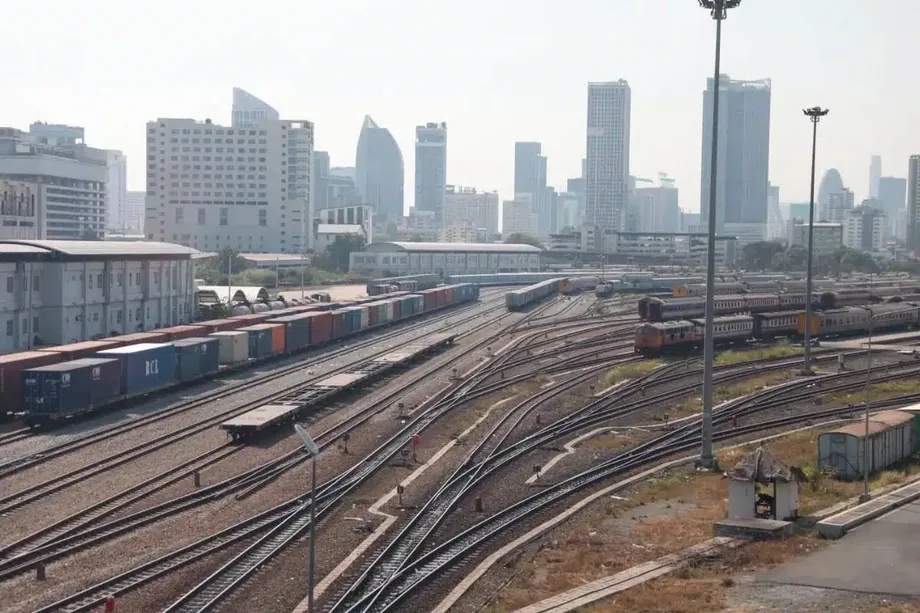
Officials emphasize that this move leverages the Double-track railway network, which has doubled the country's rail capacity. By allowing private trains to run on these underutilized tracks during off-peak hours, the state can generate more revenue from tolls without needing to spend billions on new trains. The goal is to create a more efficient, transparent, and competitive rail market that benefits both businesses and the public.
Historic Reduction in Track Usage Fees
A key driver for this new era is a dramatic reduction in track usage fees, which have been cut by up to 85 percent to make private operations financially viable. The SRT, as the infrastructure manager, has revised its pricing structure to reflect actual costs and attract private capital. These new rates apply to three main categories: passenger transport, tourism services, and freight logistics.
The new rates represent a substantial drop from previous standards. Passenger shared service fees have fallen from 50 baht to 7.38 baht per vehicle-kilometer. Tourism service fees have decreased from 77 baht to 46.02 baht per vehicle-kilometer. Freight rates have seen a similar reduction, dropping from 0.2065 baht to 0.1232 baht per ton-kilometer. These changes are designed to help private operators offer competitive prices against road transport while ensuring they can recover their investment costs.
For example, a private passenger train running the Bangkok-Ayutthaya route can now calculate its fees using the new lower rate of 7.38 baht per kilometer per carriage. This pricing model encourages operators to run more frequent trains, as the marginal cost of adding an extra carriage is significantly reduced. The government expects these lower fees to stimulate demand and increase the volume of rail traffic across the network.
These incentives are designed to attract private capital investment in locomotives and freight cars on the double-track railway network already constructed by the government. The initiative will increase railway transport volume, reduce the nation's logistics costs, and generate toll revenue for the SRT.
Strategic Partnerships and Pilot Routes
The initial wave of private participation involves two to three key private sector entities, including industrial logistics providers, construction contractors, and tourism operators. Companies involved in cement and construction material manufacturing are particularly interested, as they already own locomotives and seek to expand their freight routes. Additionally, tourism-focused operators are preparing to launch pilot routes.
Pilot routes for the Open Access model include the Laem Chabang to Nong Khai line, connections between Laem Chabang Port and the Inland Container Depot (ICD) at Lad Krabang, and various double-track railways. These routes are selected to demonstrate the efficiency of rail transport for both heavy cargo and leisure travel. The Minor Group, a major Thai conglomerate, has expressed interest in the train rental and tourism route model, signaling broader corporate confidence in the new system.
The SRT is currently targeting a tourism revenue of 80 to 90 million baht from these new private operations. By opening up the network, the SRT aims to expand its market reach to include luxury travelers, business meetings and exhibitions (MICE) participants, culinary tourism enthusiasts, and long-stay visitors. This diversification will help stabilize revenue streams and make the rail network more resilient to economic fluctuations.
Regulatory Framework and Legal Compliance
The new system operates under the Railway Transport Act B.E. 2568, which came into effect in March 2026. This law empowers the Department of Railway Transport (DRT) to regulate private access and ensures that the SRT acts as a neutral infrastructure manager. The DRT is accelerating the issuance of ministerial regulations to establish clear criteria for obtaining and renewing operating licenses.
One significant regulatory update involves the inclusion of maintenance and emergency vehicles as official rail transport vehicles. New regulations classify maintenance trains, rail inspection cars, and emergency rescue vehicles under the same legal umbrella as passenger and freight trains. This standardization ensures that all vehicles on the track adhere to uniform safety standards and are subject to consistent supervision. The DRT is also working on rules for track connection, requiring private operators to notify the department of their intent to connect to the main network within seven days of receiving a formal request.
The SRT is preparing the 2570 Railway Network Document, which will detail the specific schedules, capacities, and conditions for private operators. This document, expected to be published in December 2569, will serve as the primary handbook for private companies entering the market. It includes definitions, infrastructure details, access conditions, and the revised fee structures. Operators can study this information and prepare their applications to the DRT for further review.
The new system operates under the Railway Transport Act B.E. 2568, which empowers the Department of Railway Transport to regulate private access and ensures that the SRT acts as a neutral infrastructure manager.
Timeline for Implementation and Contracts
The government has set a clear timeline for the rollout of the Open Access model. The process began with the publication of the 2569 document and is now moving toward operational agreements. The SRT plans to release the updated 2570 network document in December 2569, allowing interested operators to review the details and prepare their bids.
In January 2570, operators can formally confirm their interest in using the rail network. The government aims to sign contracts with selected operators by April 2570 for tourism services and by September 2570 for general passenger and freight services. This phased approach allows the SRT to manage the transition smoothly and address any operational challenges as they arise. The Department of Railway Transport is also scheduling meetings of the railway transport time allocation committee, with the first meeting tentatively set for December 2569.
The time allocation committee will play a crucial role in resolving disputes and assigning specific time slots for private trains on the busy tracks. This committee will ensure that private operators get fair access to the network and that the SRT can maintain its own services efficiently. The committee will also mediate any conflicts regarding track usage and scheduling.
Government Vision for Efficient Transport
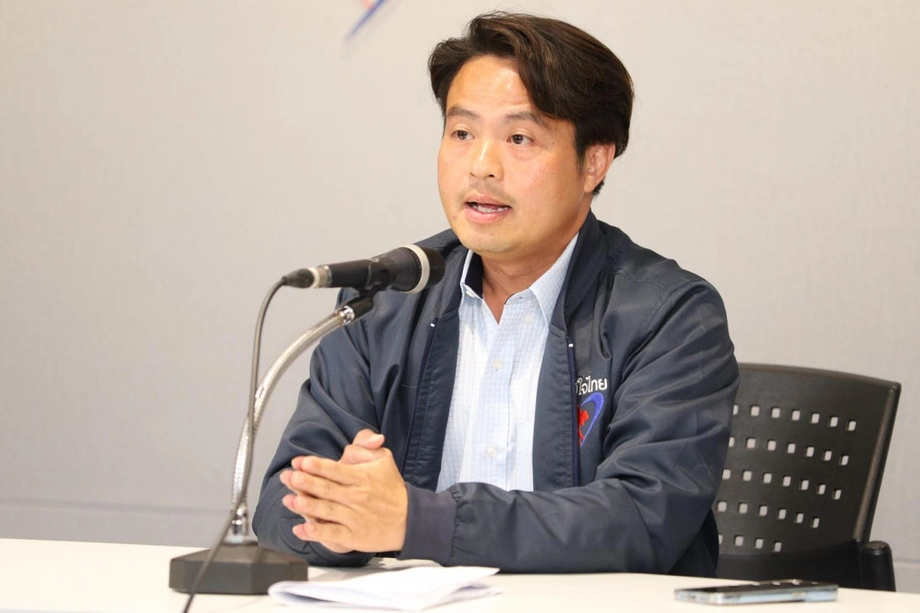
Government officials, including Deputy Prime Minister spokesperson Ngsuwan Ploythai Laksamee, have outlined the vision behind this initiative. The government aims to improve the efficiency of existing infrastructure and promote diverse rail transport and tourism services. The process will be conducted with transparency, fairness, and a strong emphasis on safety standards. The ultimate goal is to elevate service quality and maximize public benefit.
The SRT, under the Ministry of Transport, is responsible for managing the infrastructure and ensuring that the tracks are maintained to high standards. By allowing private operators to share the burden of providing transport services, the state can focus on infrastructure development and expansion. This model also reduces the financial risk for the government, as private companies bear the cost of their own rolling stock and operational expenses.
The reduction in track fees is not just a short-term incentive but a long-term strategy to make rail transport more competitive. By lowering the cost barrier, the government hopes to attract more investment in new train models and technologies. This could lead to more frequent trains, better connections between cities, and improved logistics for industries. The government believes that a robust rail network will contribute significantly to the country's economic growth.
We aim to open the railway network to the private sector to improve the efficiency of the existing infrastructure, promote the development of diverse rail transport and tourism models, and operate under transparent, fair rules with a focus on safety standards.
Looking Forward to a New Era of Rail
The opening of the SRT network to private operators represents a major step forward for Thailand's transport sector. With lower fees, clearer regulations, and a structured timeline, the country is poised to see increased rail activity and better services for the public. Private companies are preparing to launch their operations, and the SRT is working diligently to ensure a smooth transition.
The next few months will be critical as the SRT finalizes its network documents and signs contracts with private operators. The results of this initiative will depend on the ability of private companies to run profitable services and the government's ability to manage the shared network effectively. If successful, the Open Access model could serve as a blueprint for other infrastructure sectors in Thailand.
The Bottom Line
- Thailand opens its state railway network to private operators under the Open Access model to increase capacity and reduce logistics costs.
- Track usage fees have been cut by up to 85 percent, with passenger rates dropping to 7.38 baht per kilometer and tourism rates to 46.02 baht.
- Pilot routes include the Laem Chabang to Nong Khai line and connections to ICD Lad Krabang, targeting industrial and tourism sectors.
- The SRT will publish the updated 2570 Railway Network Document in December 2569, with contract signings targeted for April and September 2570.
- The initiative is governed by the Railway Transport Act B.E. 2568, establishing the Department of Railway Transport as the key regulatory body.