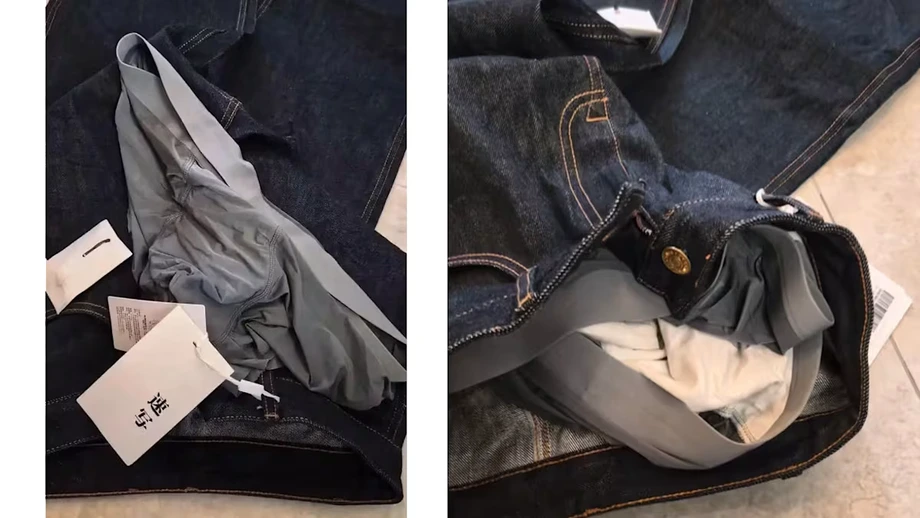
A thin quilt on concrete beneath a shop
Wang, 22, came to Hangzhou from Jiangxi province with 500 yuan (about 588 Hong Kong dollars) and one purpose: to earn money for her father's medical treatment. She found work as a security guard at a hospital in the city. Rent was out of reach, so she spent her first half month in Hangzhou sleeping in a park. When the nights turned cold she moved into the stairwell of a shop in the Xin'an Huating residential complex in Xiaoshan District, a gap so low that she could not get her whole body inside.
Contents
Her bedding lay on bare concrete: a thin summer quilt, a thin nursing pad of the kind used in postnatal and incontinence care, and a sheet of plastic. The shop door was unlocked, which is how she got in. She left early for work and came back late, so for several days nobody in the complex knew that anyone was sleeping there.
The morning round that found her
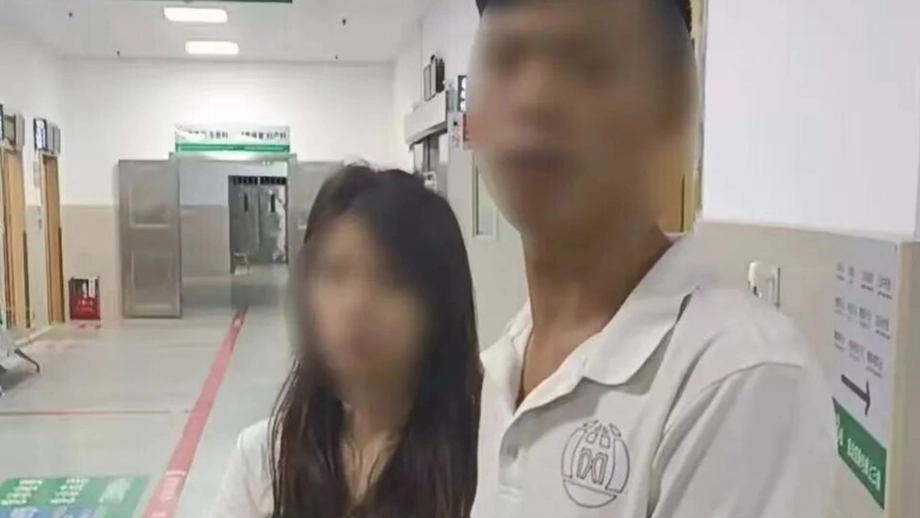
November 17 was Wang's day off. A security guard working his morning round looked into the stairwell and saw a young woman curled up in the corner. Word went to the property office, and Yao Jiaduan, the property management supervisor, came down to see for himself.
Wang had been in the city about a month and had lived in the stairwell for three or four days. She told the men who found her that her father was seriously ill and that she had no spare money for rent.
"She was dressed very thinly, curled up in the corner," Yao said.
A conversation that lasted two hours
The first approach went badly. Wang was nervous and held back, saying she did not want to put anyone out. Yao and another staff member squatted on the floor of the corridor with her and stayed there for two hours, until she began to talk about her father, the hospital and the 500 yuan she had carried from Jiangxi.
How can a girl sleep here? If a girl had not run into trouble, how would she be living here?" Yao said. "We found a way to deal with the difficulty in front of her and give her a transition. We are all parents. Seeing that, how could your heart not ache?
Yao is a veteran who moved to Hangzhou in 2022. His own pay is modest, he said, and that did not stop him from acting once he had seen the stairwell.
800 yuan, a room nearby and warm bedding
Property staff put their own money together, 800 yuan in all, and rented Wang a room close to the complex. They bought daily necessities, and the residential community office, the neighbourhood body that works alongside the property company on residents' welfare, joined the effort.
In Chinese housing estates the property management office handles security, repairs and the daily running of the compound, which is why a guard on a morning round was the first to notice her. Owners in the complex, learning what had happened, brought clothes and quilts as the temperature dropped.
The days since the discovery ran in a straight line from a guard who looked twice to a supervisor who sat on a corridor floor, and then to neighbours carrying bedding across the compound.
- November 17, morning: a security guard finds Wang in the stairwell during his round. She has slept there three or four days.
- That day: Yao and a colleague talk with her for two hours, and property staff pool 800 yuan to rent a room nearby.
- Following days: necessities are bought, owners donate clothes and quilts, and a nearby shop owner offers her work.
- Around November 26: her story spreads online and messages of support reach the property office.
Yao said he felt at ease only once she was settled.
"Mainly, she has somewhere to live, and it is safe," he said.
The job she said no to for now
The owner of a small shop next to the complex heard the story and offered Wang work: 4,000 yuan a month, with meals and a place to sleep included. Yao passed the offer on to her.
Wang weighed it against the hospital post and chose to stay where she was. The security job at the hospital does not cover food or lodging, and her first wage arrives a month after she started, she told Yao. She would keep at it for now and see how it went.
The calculation behind the choice is the one that brought her to Hangzhou: every yuan she does not spend is a yuan set aside for her father. The room the property staff rented for her removes the largest cost she faced, and the hospital wage, late as it is, keeps her where she had already started.
A thank you she cannot yet repay
News of the stairwell travelled online within days. Strangers began messaging the property office with offers of money and help, and many readers praised Wang for refusing to lean on others.
Wang answered them with a message the property staff relayed to the public.
"I have no way to give anything back to you now, and I do not know your names or where you are from. When my life gets a little better, I will pass everyone's kindness on to the next person who needs help," she said.
To the people who found her the room, she said:
They helped me rent a room and provided daily necessities. I don't want to trouble everyone too much and will rely on myself moving forward.
The property office has passed the good wishes on to her and asked that her wish to stay out of the spotlight be respected. Wang has not said when she will next see her father, and the reports of her story give no detail on his illness or on how much his treatment costs.
The three sums behind the story
Three amounts frame Wang's first month in Hangzhou, and each one explains a decision she made.
- 500 yuan: what she brought from Jiangxi, about 588 Hong Kong dollars.
- 800 yuan: pooled by property staff to rent a room near the complex.
- 4,000 yuan a month: the wage, with board and lodging, offered by the shop owner next door.
The rent the staff covered works out at a fifth of the monthly wage Wang was offered at the shop. Her hospital post brings in an income and leaves her paying for food and a room, once her first pay arrives, which is why the gift of a rented room changed her position more than a raise would have.
Yao, who arrived in Hangzhou from military service in 2022, said his wage is not high either. He planned to visit Wang after her shift that day to tell her that anything she needs, she can ask for.
"My salary is not high either, but when I see something like this, I help as much as I can," he said.
Six days separate the morning a guard looked into a stairwell from the moment her story reached readers across the country. Wang is now in a room of her own, with bedding sent by neighbours, a job she chose to keep and a father whose treatment remains the reason she came.
Key Points
- Wang, 22, came from Jiangxi to Hangzhou with 500 yuan to raise money for her seriously ill father and works as a hospital security guard.
- She slept in a park for half a month, then for three or four days in the stairwell of an unlocked shop in the Xin'an Huating complex in Xiaoshan District.
- A security guard found her on his morning round on November 17; her bedding was a thin summer quilt, a nursing pad and a sheet of plastic on concrete.
- Supervisor Yao Jiaduan and a colleague talked with her for two hours before property staff pooled 800 yuan to rent her a room nearby.
- Owners donated clothes and quilts, the community office joined in, and a shop owner offered 4,000 yuan a month with board and lodging.
- Wang kept her hospital post, which does not include food or lodging and pays its first wage a month after starting.
- She thanked strangers online and said she would pass their kindness to someone else once her own life improved, asking not to be given too much attention.