OpenAI Expands ChatGPT Beyond Chat to Control Android Devices
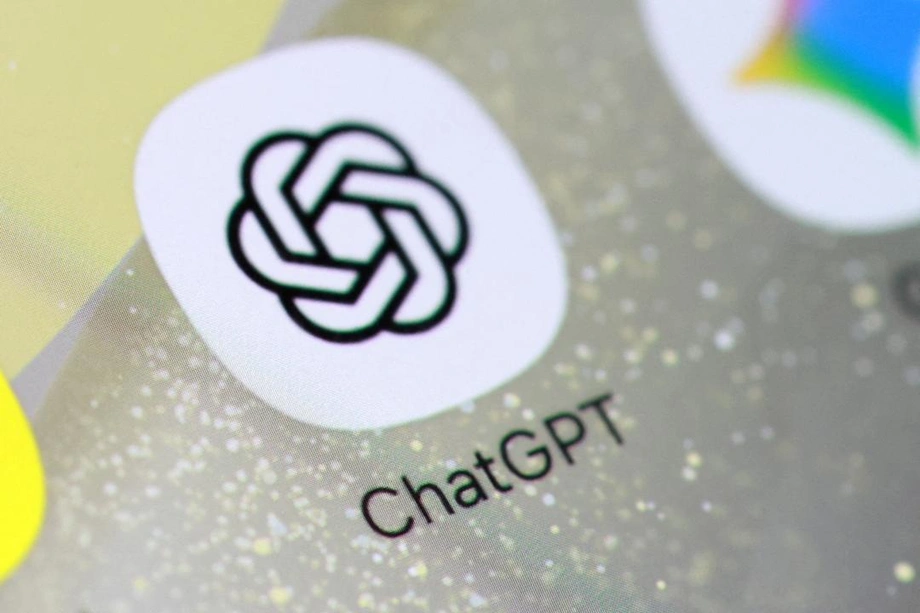
OpenAI is preparing to transform ChatGPT from a simple conversational tool into a hands-on digital assistant for Android users. A teardown of the app version 1.2026.328, reported by Android Authority on November 27, 2026, reveals code for making phone calls, sending text messages, controlling media playback, and reading the phone screen directly. These additions aim to close the gap with Google Gemini, which already handles these tasks on Android devices.
Contents
The code strings found in the application package include permissions for checking contact lists, accessing call history, and placing calls. Users will see prompts such as I need access to your phone contacts to finish this lookup and Allow this workspace to place calls from your phone. The app can also read and send text messages using notification access. This integration allows ChatGPT to act on requests without requiring the user to open separate apps for each action.
Music control is another key feature highlighted by the code. ChatGPT can identify the artist and track of currently playing music and execute commands to pause, resume, or skip tracks. The code specifies that after confirming the action is successful, the assistant may skip the spoken follow-up reply to avoid interrupting the music. The resume function is noted as continuing the existing session rather than opening a new app or choosing a different song.
Let ChatGPT find and control media playing on this phone.
Pause, resume, or skip tracks on this phone.
Screen Reading and Dynamic Context for Better Queries
A significant improvement for mobile users is the ability to read the phone screen in real time. Users will no longer need to manually take screenshots and upload them to ask a question. The app can pull up a new screenshot in response to every follow-up question. This feature ensures that answers remain accurate even if the user scrolls through content or the screen changes while asking for help.
Users must turn on the Use screen and app data setting to enable this function. The code references suggest that ChatGPT can determine its existing states and supported actions for local media players. This capability is comparable to the Ask about screen feature in Google Gemini, allowing users to ask questions about what they see on their display without leaving their current context.
Read the current local media players on this Android phone, their playback state, supported actions, and available title and artist.
Dots Integration and Always-On Agent Capabilities
OpenAI is also testing broader utility for Dots, its always-on AI agent service introduced in September 2026. Dots are powered by the GPT-6 Astra model and maintain ongoing responsibility for user goals between conversations. The code reveals two key configurations: allowedWhileLocked and useDotAsAssistant.
The allowedWhileLocked setting suggests that users can hail a Dot even when the phone is locked. The useDotAsAssistant setting hints at the possibility of using a specific Dot as the default digital assistant on the phone. This shifts the interaction model from prompting an AI for individual outputs to giving an AI agent ongoing responsibility inside explicit boundaries.
Dots have their own cloud computer and browser, allowing them to connect to more than 4,000 apps through the OpenAI plugin ecosystem. They can perform read-only proactive research in the background and bring completed work back for user review. This persistent context allows them to carry information across ChatGPT, Slack, and Microsoft Teams.
Use the same Dot card. After granting notification access in Android Settings, return to that card and tap Connect if prompted, or Continue.
Comparing ChatGPT and Google Gemini on Android
Google Gemini currently holds an advantage in Android integration by offering native access to calls, texts, and screen reading. OpenAI users can already set ChatGPT as their default assistant, but its abilities have been limited to voice mode and text responses. The new code signals a move toward broader utility.
The upcoming features allow ChatGPT to handle daily operations more effectively. Users can expect the assistant to make calls, send texts, and manage media without manual intervention. However, the exact extent of these functions remains unclear until official release. OpenAI has not confirmed the final launch dates or specific limitations for locked-screen access.
Ask about your screen. Turn on Use screen and app data.
Timeline of Development and Future Outlook
OpenAI continues to expand its global user base and product capabilities. The company has been growing its presence in key markets, including India, South Korea, and Singapore, while simultaneously upgrading its core product features.
- August 2025: OpenAI announced its first office in Delhi NCR and began local hiring.
- February 15, 2026: OpenAI reported 100 million weekly ChatGPT users in India, ranking it second behind the United States.
- September 29, 2026: OpenAI introduced Dots, the always-on AI agents.
- November 27, 2026: Android Authority reported the APK teardown of ChatGPT version 1.2026.328.
Key Points
- OpenAI is developing Android controls for ChatGPT, including calls, texts, and media management.
- Screen reading capabilities allow real-time answers without manual screenshots.
- Dots integration enables always-on agent access even when the phone is locked.
- These features aim to close the gap with Google Gemini's Android capabilities.
- Launch dates and final feature sets are pending official announcement.