A record victory before voting begins
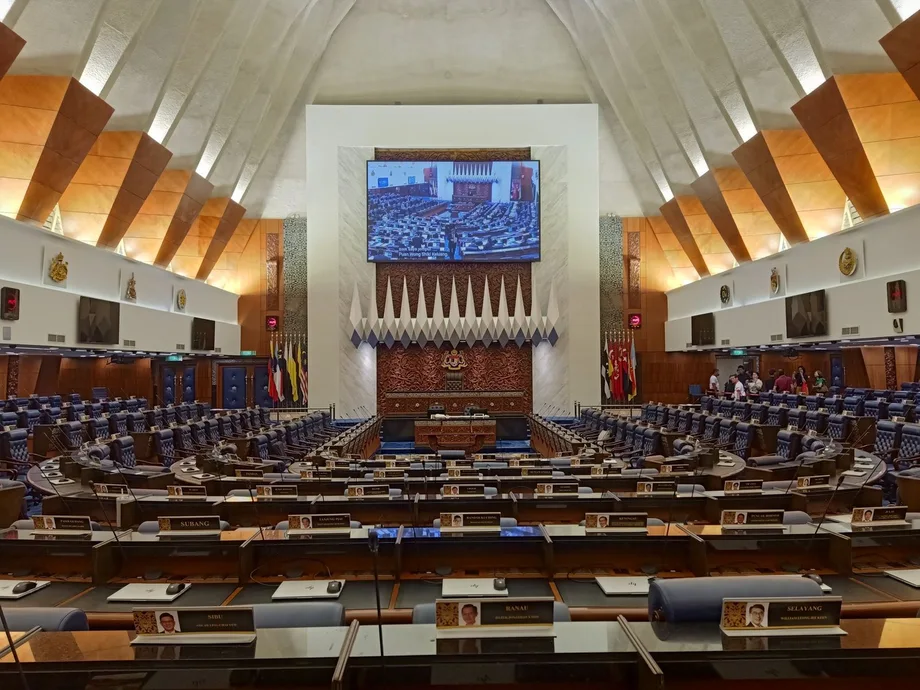
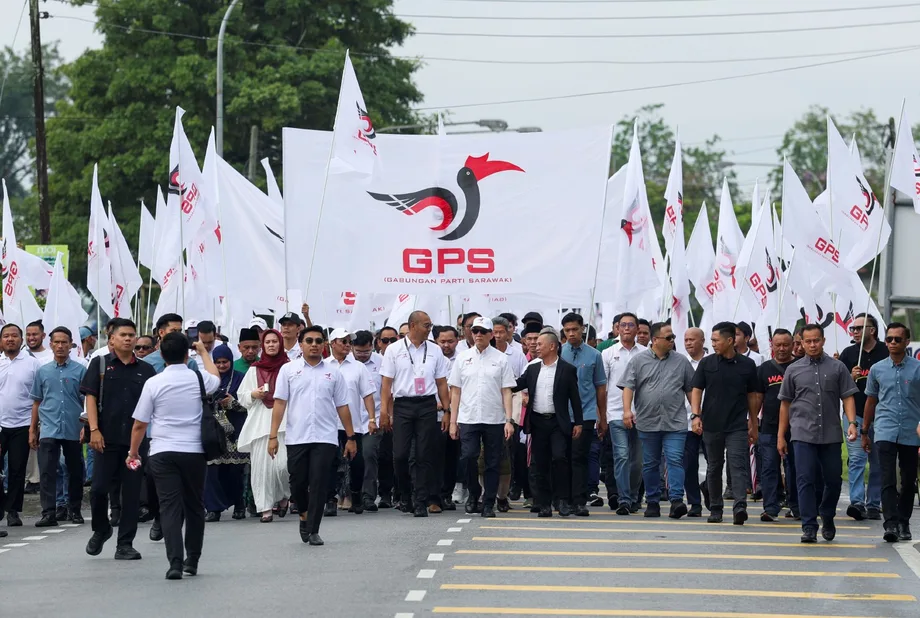
Kuching, Nov 28, 2026: Gabungan Parti Sarawak (GPS) secured 29 of Sarawak's 82 assembly seats without a contest when nominations closed on Saturday, giving the ruling coalition more than a third of the chamber before a single ballot was cast. Campaigning for the remaining seats began the same day.
Contents
- A record victory before voting begins
- The 29 constituencies already decided
- A smaller field and more straight fights
- Why so many major parties stayed away
- How a possible 44 walkovers became 29
- Voting dates and the constitutional clock
- GPS reads the result as a mandate
- Analysts see a strong mandate and weaker competition
- What is still at stake for Sarawak
- What to Know
GPS now needs 13 victories among the 53 seats still being contested on Dec 12 to reach 42, the minimum for a simple majority. A total of 55 seats would give it control of two thirds of the assembly. The coalition, led by caretaker Premier Abang Johari Openg, fielded candidates in all 82 constituencies, including 11 new faces.
The result marks a sharp change from 2021, when every seat was contested and GPS won 76. Election Commission chairman Ramlan Harun said the 29 walkovers set a Sarawak record, surpassing the 19 uncontested seats in the 1996 state election. He also announced that 168 nomination papers were accepted this time, with none rejected.
Ramlan described the absence of challengers in so many constituencies as part of the electoral process administered by the commission.
This is part of democracy. Whoever wants to contest can do so. We only facilitate the process.
The walkovers have an immediate practical consequence for voters. The commission said 632,149 registered voters, about 30.7 per cent of the electorate, live in the 29 affected constituencies and will not need to cast ballots on polling day. Their representatives have already been elected.
The 29 constituencies already decided
Parti Pesaka Bumiputera Bersatu (PBB), the largest GPS component, took 27 of the uncontested seats, while the Sarawak United People's Party took two. The other GPS components are Parti Rakyat Sarawak and the Progressive Democratic Party. Abang Johari retained Gedong, while his deputies Awang Tengah Ali Hasan and Douglas Uggah Embas were returned in Bukit Sari and Bukit Saban respectively.
Most of the seats are constituencies where Malay and Melanau voters form the majority, but the list also includes the Iban seats of Engkilili, Layar and Bukit Saban. GPS also won Repok in Sarikei, where Chinese voters form the majority, without opposition. The full list of winners is:
- N3 Tanjong Datu: Azizul Annuar Adenan
- N4 Pantai Damai: Dr Abdul Rahman Junaidi
- N5 Demak Laut: Dr Hazland Abang Hipni
- N6 Tupong: Fazzrudin Abdul Rahman
- N7 Samariang: Sharifah Hasidah Sayeed Aman Ghazali
- N8 Satok: Ibrahim Baki
- N15 Asajaya: Abdul Karim Rahman Hamzah
- N16 Muara Tuang: Dayang Nurfizawati Abang Abdul Karim
- N24 Sadong Jaya: Aidel Lariwoo
- N25 Simunjan: Yussuf Chik
- N26 Gedong: Abang Johari Openg
- N27 Sebuyau: Julaihi Narawi
- N28 Lingga: Dayang Noorazah Awang Sohor
- N29 Beting Maro: Awang Nashfarini Awang Sarbini
- N33 Engkilili: Johnical Rayong Ngipa
- N35 Saribas: Razi Sitam
- N36 Layar: Gerald Rentap Jabu
- N37 Bukit Saban: Douglas Uggah Embas
- N41 Kuala Rajang: Len Talif Salleh
- N42 Semop: Abdullah Saidol
- N43 Daro: Safiee Ahmad
- N45 Repok: Huang Tiong Sii
- N56 Dalat: Fatimah Abdullah
- N57 Tellian: Royston Valentine
- N62 Katibas: Lidam Assan
- N63 Bukit Goram: Jefferson Jamit Unyat
- N71 Bekenu: Nur Fatin Syafawani Tahamat
- N72 Lambir: Ripin Lamat
- N82 Bukit Sari: Awang Tengah Ali Hasan
Abdul Karim Rahman Hamzah, the GPS information chief, was also among those returned without a contest. These 29 candidates are assured of their places in the next assembly regardless of the results in the remaining constituencies.
A smaller field and more straight fights
Only 53 constituencies will require a ballot, and the shape of those contests has changed considerably since 2021. A straight fight means just two candidates are competing for a seat.
- Straight fights between two candidates: 29, up from four in 2021.
- Contests with three candidates: 15, up from 13.
- Contests with four candidates: nine, down from 33.
- Contests with five, six or eight candidates: none, compared with 24, seven and one respectively in 2021.
Across all 82 seats, GPS has 82 candidates, followed by Parti Bansa Dayak Sarawak (PBDS) with 29, Parti Bumi Kenyalang with 17, the Democratic Action Party (DAP) with 14, Parti Bangsa Malaysia with three and Parti Aspirasi Rakyat Sarawak with one. Another 22 candidates are independents. The total of 168 is less than half the 349 candidates who contested in 2021.
The Election Commission said 154 candidates are men and 14 are women. The oldest is PBDS candidate John Antau Linggang, 78, who is standing in Krian. The youngest is DAP's Irene Wong Lee Ting, 24, who is contesting Pelawan.
For voters, the changed field means a clearer choice in many places but no choice at all in others. Twenty-nine constituencies have one candidate, 29 have two candidates, and only 24 have three or four.
Why so many major parties stayed away
The withdrawals by parties based in Peninsular Malaysia explain much of the reduced field. Within Prime Minister Anwar Ibrahim's Pakatan Harapan coalition, PKR and Parti Amanah Negara decided not to contest, leaving DAP as the only national party in the election. Barisan Nasional (BN), Perikatan Nasional (PN), Bersatu, PAS and Wawasan Negara also stayed out.
DAP nevertheless expanded its planned slate from 12 to 14 candidates one day before nominations. Sarawak DAP chairman Chong Chieng Jen announced two late DAP candidates: Dewan Rakyat Deputy Speaker Alice Lau Kiong Yieng in Bawang Assan and state party secretary Alan Ling Sie Kiong in Senadin. Chong said voters deserved a choice and that leaving seats uncontested would weaken accountability. DAP is contesting seven fewer seats than it did in 2021, when it fielded 21 candidates and won two.
Chong had questioned PKR's withdrawal and suggested that it was intended to avoid jeopardising GPS support for the federal government. Anwar rejected that criticism on Nov 26.
It is cooperation, not submission.
BN chairman Ahmad Zahid Hamidi, who is also deputy prime minister and UMNO president, said his coalition's decision rested on an understanding between UMNO and PBB. He said BN made the decision before the other parties announced their withdrawals and described the uncontested GPS victories as a sign of unity among the coalition's components.
PN chairman Ahmad Samsuri Mokhtar announced his coalition's withdrawal on Nov 27. He said PN respected the right of Sarawakians to determine the state's leadership and would continue raising their concerns at the federal level. Bersatu separately confirmed its withdrawal. PAS secretary-general Takiyuddin Hassan said his party had weighed current political developments and other considerations. PAS had contested Sarawak elections since 2001 but had never won a seat there.
How a possible 44 walkovers became 29
The final number was large, but it was below the maximum scenario examined before nominations. Sarawak electoral watchdog Rise of Social Efforts, commonly known as Rose, had warned that GPS could win as many as 44 seats without contests. Under the slate then taking shape, the coalition might have faced opponents in only 38 to 41 constituencies.
That prospect raised the possibility of GPS crossing the 42-seat majority threshold on nomination day. The Election Commission sought advice from the Attorney-General's Chambers on whether a government could be formed while dozens of constituencies still awaited elections.
The nomination day majority question involved both arithmetic and procedure. Winning 42 seats would provide numerical control of the State Legislative Assembly, known by its Malay initials DUN. Separately, Regulation 10 of the Elections (Conduct of Elections) Regulations 1981 requires a returning officer to declare a candidate elected immediately when that person is the only validly nominated candidate. A returning officer is the official responsible for checking nominations and conducting the election in a constituency.
An announced intention not to contest was therefore not enough to produce a walkover. Candidates still had to submit valid papers at the 82 nomination centres. The final count left GPS with 29 automatic victories, 13 short of a majority, so the immediate possibility of forming a government through uncontested seats alone did not arise.
Voting dates and the constitutional clock
The October 26 dissolution of the previous assembly started the constitutional timetable. Abang Johari had announced on Oct 23 that Sarawak Governor Wan Junaidi Tuanku Jaafar consented to the dissolution under Article 21(2) of the state constitution. Article 21(4) requires an election within 60 days of dissolution and the new assembly to be summoned within 120 days.
- Oct 26: The previous Sarawak Legislative Assembly was dissolved.
- Nov 27: PN announced its withdrawal, DAP completed its list of 14 candidates and the possibility of up to 44 walkovers was still under discussion.
- Nov 28: Nominations closed, 29 GPS candidates were declared elected unopposed and campaigning began.
- Dec 8: Early voting is scheduled.
- Dec 11: Campaigning must end at 11.59pm.
- Dec 12: Polling takes place in the remaining 53 constituencies.
Election Commission figures put the eligible electorate at 2,058,781 people. That total comprises 2,034,373 ordinary voters, 13,575 military personnel and their spouses, and 10,833 police personnel and their spouses. Ramlan advised people in uncontested constituencies to check the MySPR website and official channels if they were unsure whether they needed to vote.
Sarawak's election is Malaysia's fourth state election of 2026, following votes in Johor, Negeri Sembilan and Melaka. In Sarawak, however, nearly a third of the electorate has already had its assembly representation decided without polling.
GPS reads the result as a mandate
Abang Johari, who is also PBB president, said the walkovers reflected public confidence in GPS and a desire for continuity in the state administration and its development programme. He thanked the coalition's partners in the federal unity government for staying out of the election, describing their decisions as evidence of understanding between the federal and Sarawak governments. He also linked political stability to stronger investor interest and new economic opportunities.
The caretaker premier said candidates who had already won carried an obligation to justify the confidence placed in them.
This is a heavy responsibility for those who won because the people have placed their confidence in us. We have to work hard because that confidence is already there. It is now up to us to repay the people's hopes.
Nancy Shukri, the Women, Family and Community Development Minister and Santubong MP, offered a similar defence of Abang Johari's leadership. She spoke after the handover of the MADANI Adopted School initiative to SMK Tun Abang Haji Openg in Kuching.
The Premier (Abang Johari) delivers on what he says; he doesn't make promises that he then fails to fulfil. If he is unable to carry something out yet, he will tell you which year the project is scheduled for. That shows how transparent a leader he is, and we are very proud that so many people respect his leadership.
Nancy said a similar outcome at the next general election was something to hope for, but argued that a leader's priority should be fulfilling public trust and using available allocations and resources to serve the community. She also said social media gives young people greater room to voice their views and assess government performance.
Analysts see a strong mandate and weaker competition
Jayum Jawan of the Institute of Borneo Studies at Universiti Malaysia Sarawak said walkovers had been expected, but not on this scale. He described the result as unprecedented in Malaysian state elections.
This is groundbreaking and unprecedented; it has never happened in any state in Malaysia. We can usually expect maybe five or six walkovers in Sarawak. It is a great endorsement of Abang Johari's leadership.
Jayum also warned that an overwhelming victory could weaken democratic competition. He said he hoped GPS would not make a clean sweep of the remaining seats and pointed out that many rural areas still lacked basic infrastructure. His assessment combines recognition of the government's support with a warning about the absence of effective challengers.
James Chin, a professor of Asian studies at the University of Tasmania, focused on where meaningful competition still exists.
We should be looking at the bigger picture. How did Sarawak reach a point where the only truly contestable seats are in urban, Chinese-majority areas?
The federal political calculation forms part of the answer offered by analysts. Malaysia's next general election must be held by February 2028, and GPS support could prove important when the next federal government is formed. Jayum said major national coalitions were reluctant to antagonise the Sarawak coalition, while the withdrawals have also reduced the chances for voters to compare competing state programmes in many constituencies.
What is still at stake for Sarawak
GPS held 79 seats when the previous assembly was dissolved, including three won by opposition lawmakers who later joined a GPS component party. DAP held two seats and an independent held the remaining one. The coalition has now secured 29 seats for the next assembly. Another 13 would allow it to retain government, while 26 more would take it to the 55-seat threshold for control of two thirds of the chamber.
The final margin will depend on the Dec 12 results. GPS could approach or surpass its 2021 total of 76 seats, but no outcome in the 53 contested constituencies has yet been decided. DAP and the local opposition parties are also competing to determine how much scrutiny the next government will face from outside GPS.
The election comes while Sarawak is pressing for greater autonomy within the Malaysian federation. Its recent steps include acquiring an airline and taking control of a port and a bank. The state government is also seeking regulatory authority over its oil and gas reserves through Petroleum Sarawak Bhd (Petros), which is owned entirely by the Sarawak government.
That effort challenges the monopoly long held by Petronas, the national oil corporation, over Malaysia's hydrocarbon reserves. For Sarawak, the issue concerns how much authority the state has over assets and natural resources within its borders. For the federal government, it involves both control of a valuable national industry and relations with a politically powerful Borneo state. Abang Johari's argument is that political stability will strengthen Sarawak's ability to pursue development and attract investment; the contested results will show how large a mandate he receives for that agenda.
What to Know
- GPS won 29 of Sarawak's 82 assembly seats unopposed on Nov 28, breaking the state record of 19 uncontested wins in 1996.
- The coalition needs 13 more victories to reach the 42-seat simple majority and 26 more to reach 55 seats.
- Polling in the remaining 53 constituencies is on Dec 12, with early voting on Dec 8 and campaigning ending at 11.59pm on Dec 11.
- A total of 632,149 voters, about 30.7 per cent of the 2,058,781 eligible electorate, will not need to vote because their seats are uncontested.
- The final field has 168 candidates, down from 349 in 2021, with 29 straight fights, 15 contests involving three candidates and nine involving four.
- DAP is contesting 14 seats and is the only national party taking part, while BN, PKR, Amanah, PN, Bersatu, PAS and Wawasan Negara are sitting out.
- GPS leaders describe the walkovers as an endorsement of Abang Johari's leadership, while analysts warn that overwhelming dominance could weaken political competition.
- The new government's mandate will also shape Sarawak's campaign for greater autonomy, including its effort to gain regulatory control over oil and gas through Petros.